The Bureau of Labor Statistics has significantly overestimated U.S. employment figures over the past three years, with errors reaching nearly 3 million jobs, leading to misleading economic narratives and policy decisions. The flawed data has impacted public perception, political outcomes, and economic policies, highlighting the urgent need to reform and depoliticize the agency to restore trust and accuracy in labor statistics.
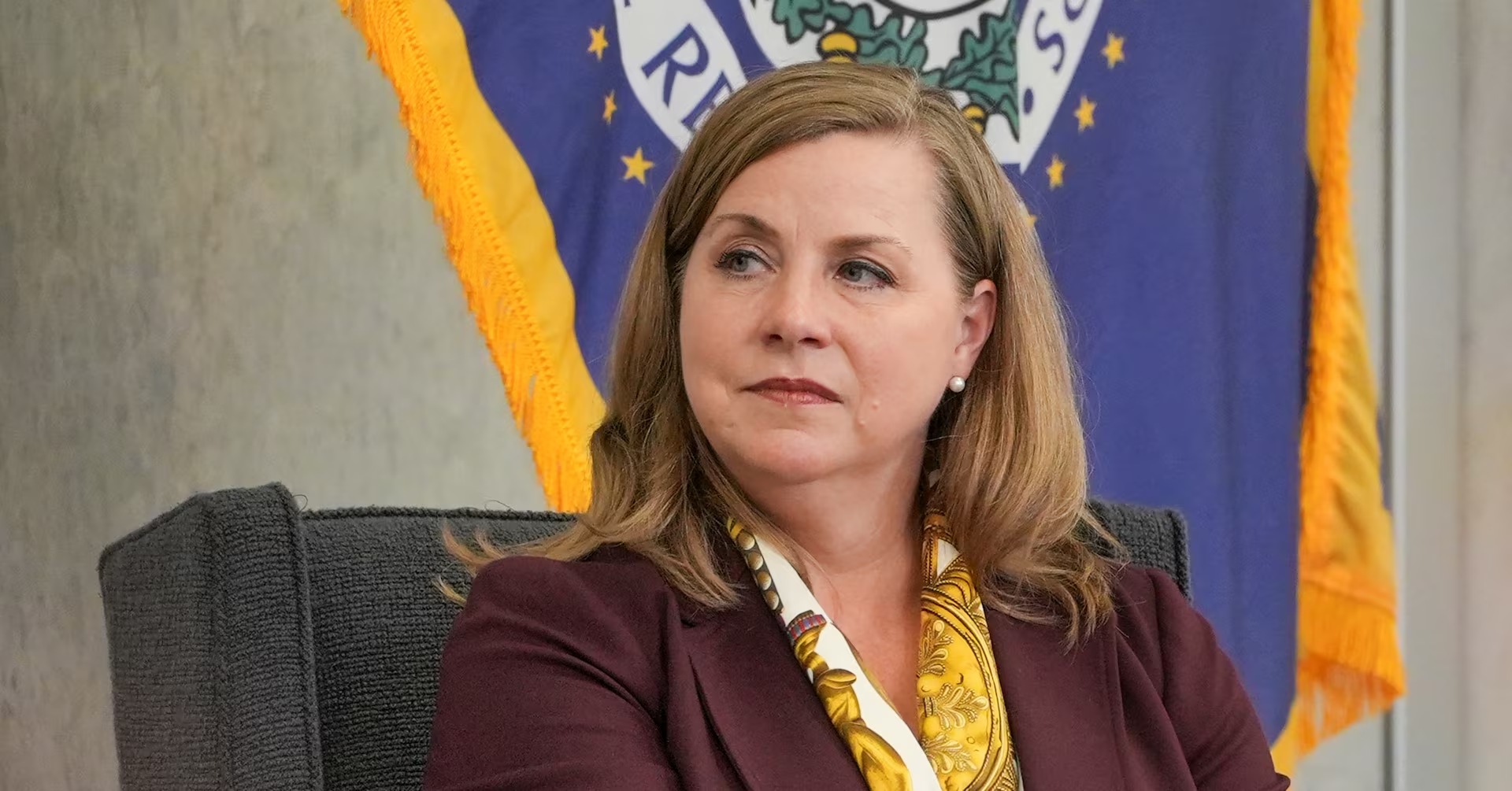
Federal Reserve Vice Chair Michelle Bowman supports three interest rate cuts in 2025, citing recent weak job data and diminished inflation risks, and emphasizes proactive easing to prevent labor market deterioration, amidst ongoing debates within the Fed and political pressures.
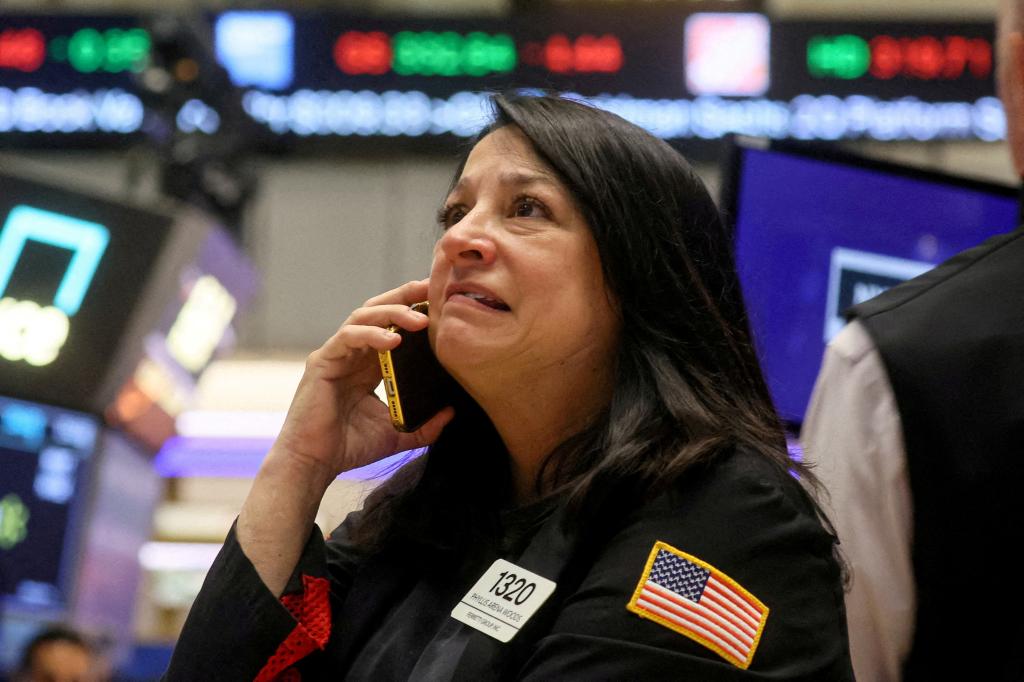
Dow futures and major indices declined as recent jobs data and economic indicators raised fears of an impending recession, overshadowing previous resilience attributed to tariffs and other factors. Investors are now more cautious about trade policies and upcoming earnings reports, amid signs of economic slowdown and market volatility.
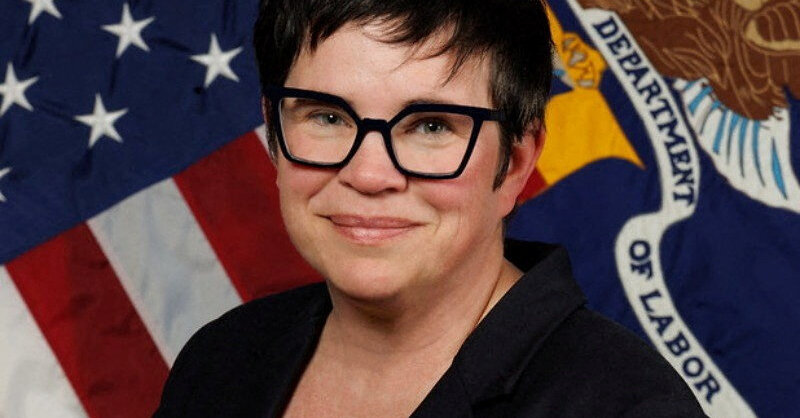
Erika McEntarfer, a respected economist and Biden appointee, was abruptly fired by President Trump after releasing a jobs report showing weak hiring, with Trump claiming the data was 'rigged.' Her dismissal has sparked criticism from former commissioners and concerns over political interference in economic data.
President Trump fired BLS Commissioner Erika McEntarfer after the release of weak jobs data, claiming the data was 'rigged,' a move criticized for undermining trust in government statistics. The firing followed the bureau's report showing sluggish job growth and significant revisions to previous months, raising concerns about political interference in economic data. Experts warned that such actions could erode confidence in vital government data used for policymaking and economic analysis.
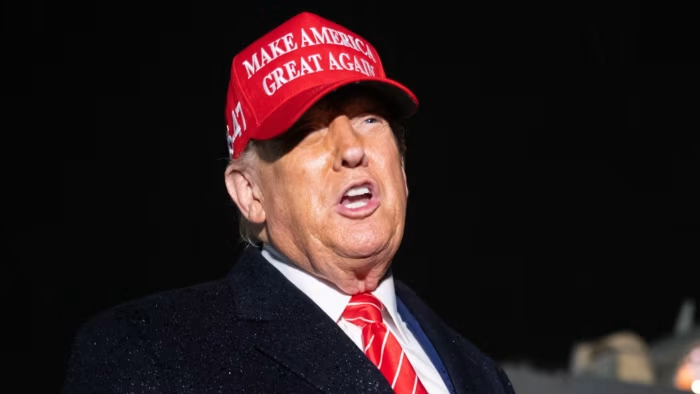
Donald Trump has urged the Federal Reserve to cut interest rates amid weak US job growth and a contraction in the services sector, raising concerns about an economic slowdown. Trump criticized Fed Chair Jay Powell on social media, comparing the US to Europe, which has been lowering rates. Recent data showed minimal job gains and a slight decline in services activity, intensifying fears of a slowdown. Despite Trump's public criticism, he has not yet called for Powell's removal, and the upcoming jobs report is expected to influence market sentiment.
Global bonds stabilized as traders analyzed US data and increased bets that the Federal Reserve will not raise interest rates further. The S&P 500 is expected to continue its selloff, while large-cap tech stocks powered gains in the Nasdaq 100 index. US companies added the fewest jobs since the start of 2021 in September, indicating a slowdown in labor demand. The Institute for Supply Management's services index also fell to its lowest level this year. The recent bond selloff was fueled by better-than-expected US job data and hawkish comments from Federal Reserve officials.
The Dow Jones Industrial Average fell over 400 points as strong job data raised concerns about higher interest rates. Both the S&P 500 and Dow hit their lowest levels in over four months, with the Dow turning negative for the year. The unexpected increase in job openings fueled worries about a tight labor market. Investors are closely watching benchmark Treasury yields, which reached 16-year highs. Higher borrowing costs are seen as negative for businesses and consumers. Some investors believe megacap stocks could lose momentum as yields continue to rise. Atlanta Fed President Raphael Bostic stated that there was no urgency for the Fed to raise rates again, but it will likely be a long time before rates are cut.