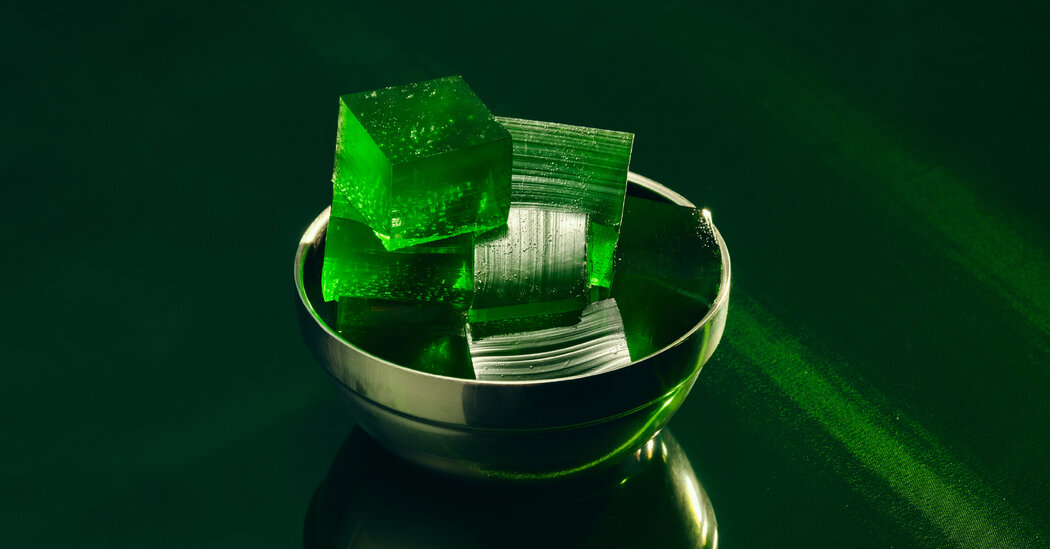
Kraft Heinz plans to remove artificial dyes from all its foods by 2027, including Jell-O, which faces challenges in replicating vibrant colors like green using natural ingredients such as spirulina and turmeric, often resulting in higher costs and altered flavors.
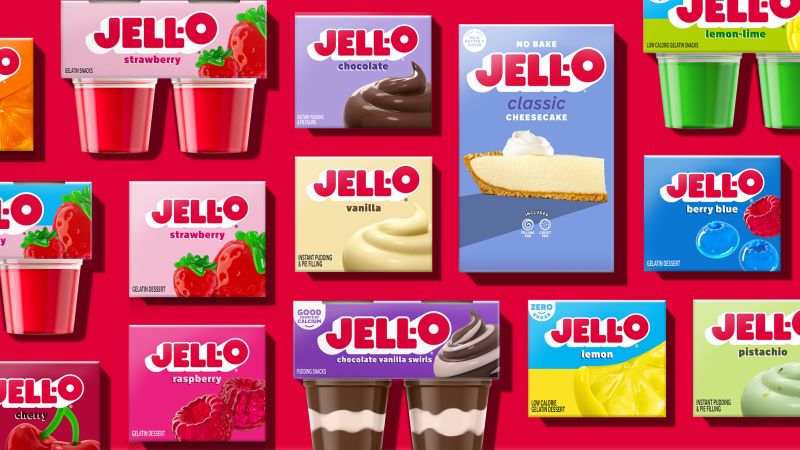
Jell-O is undergoing a makeover with a new logo and packaging, its first in a decade, as owner Kraft Heinz aims to revitalize the brand. The redesigned packaging features a bigger logo, more colorful design, and a stronger emphasis on its "zero sugar" appeal. The new look aims to appeal to younger consumers and create a more contemporary image. Jell-O's sales have been declining, and the brand hopes that the refresh will attract new customers, although it remains to be seen if it will translate into increased sales.
Gelatin dessert, commonly known as Jell-O, is made by mixing powdered gelatin with hot water, sweeteners, flavorings, and sometimes fruit or other ingredients. Gelatin, the primary ingredient in Jell-O, is derived from collagen, a protein found in the connective tissues, bones, and skin of animals. It is not considered a nutritious food on its own since it doesn't provide significant amounts of vitamins or minerals, but it is low in calories and fat and doesn't contain cholesterol. Hospitals serve Jell-O because it's easy to swallow and digest, provides hydration, and can be used to create coatings for pills or capsules.