Tag

James Webb Space Telescope Jwst

All articles tagged with #james webb space telescope jwst

Planetary Ideas Defied by Rogue Worlds

Originally Published 2 years ago — by Quanta Magazine

Featured image for Planetary Ideas Defied by Rogue Worlds
Source: Quanta Magazine

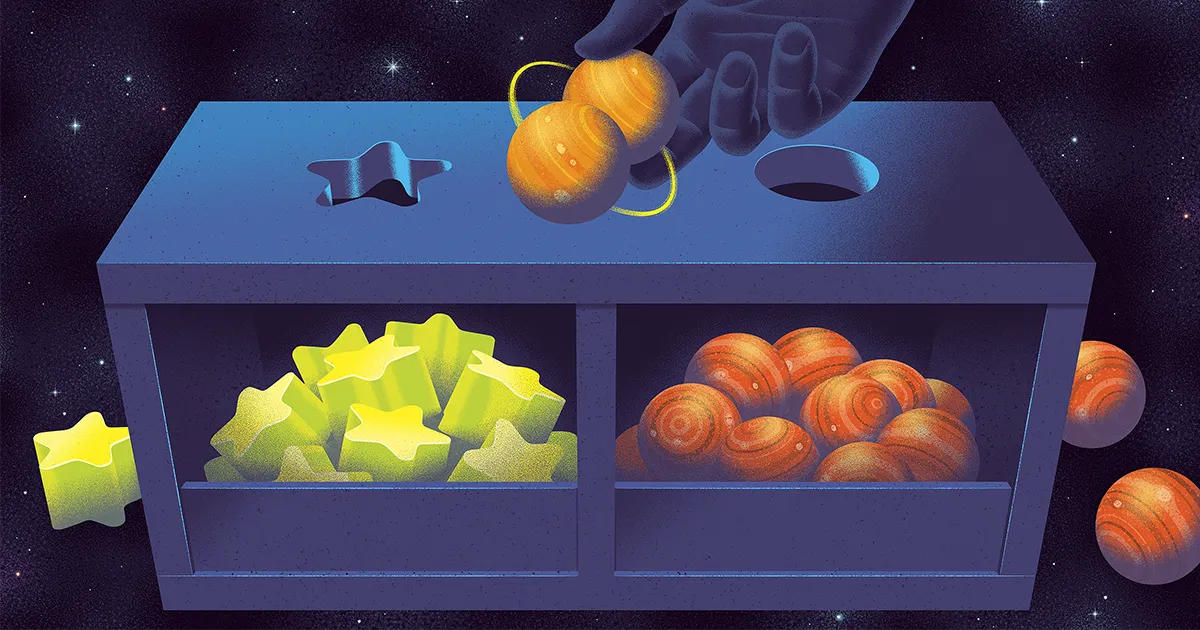
Astronomers using the James Webb Space Telescope (JWST) have discovered an unexpected abundance of Jupiter-mass binary objects (JUMBOs) in the Orion nebula. These pairs of Jupiter-like objects were previously thought to be highly unlikely, as they couldn't be planets kicked out of a stellar system or stars themselves. The discovery has caught experts off guard, as existing theories did not predict the existence of such wide, free-floating planetary objects. However, caution is advised as some of the JUMBOs may be mirages caused by the dusty environment of the nebula. Further observations will be conducted to confirm the reality of these JUMBOs. Theoretical astrophysicists are already working on explanations for these perplexing worlds, with simulations suggesting that the ejection of pairs of Jupiters is possible under certain conditions.
Unveiling the Origins of Galaxies: New Research Illuminates Early Formation

Originally Published 2 years ago — by Phys.org

Featured image for Unveiling the Origins of Galaxies: New Research Illuminates Early Formation
Source: Phys.org

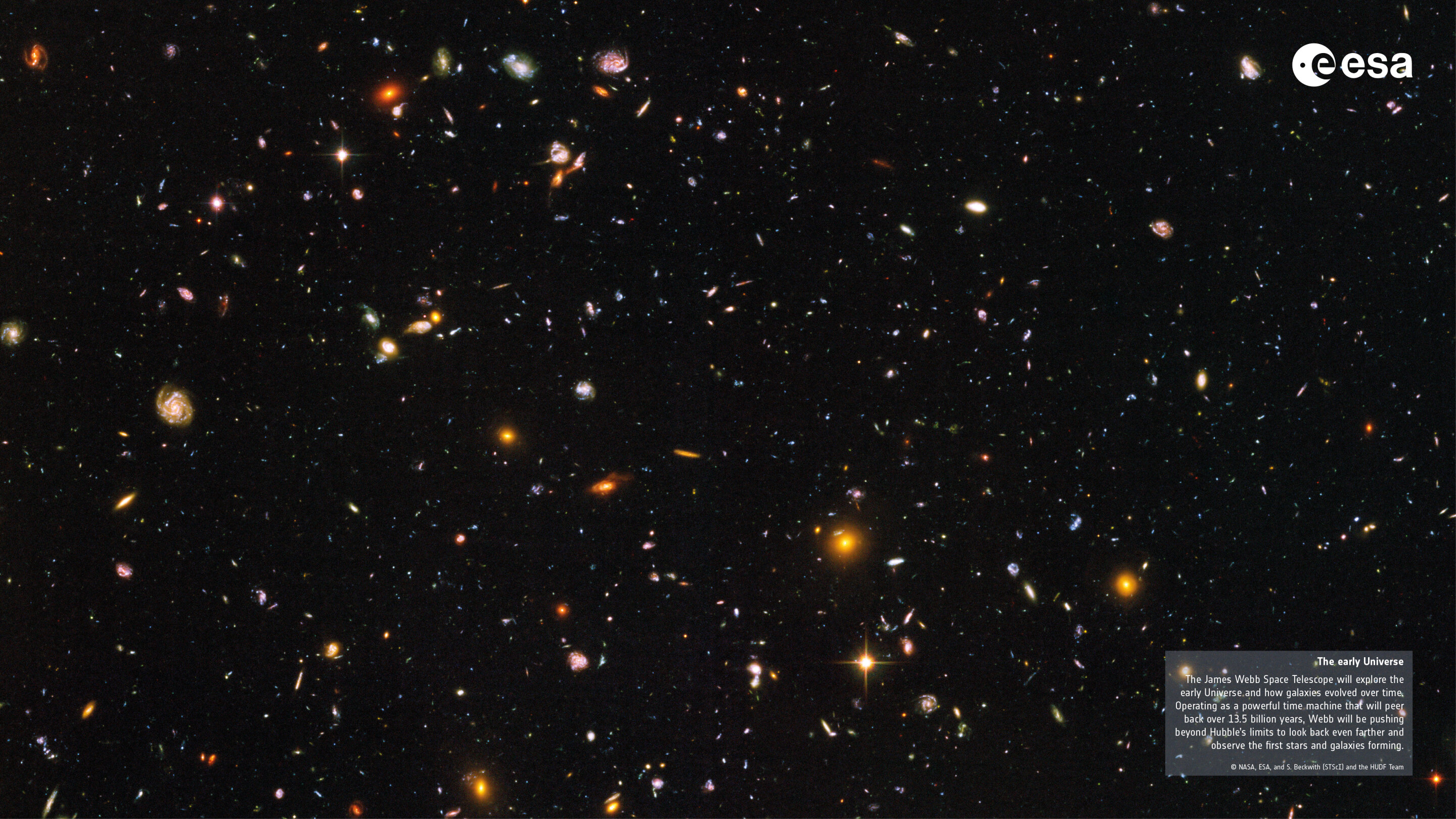
Researchers have developed a computer simulation of the early universe that aligns with observations made by the James Webb Space Telescope (JWST). The simulation, called "Renaissance simulations," accurately models galaxy formation, including the formation of the first stars and dark matter halos. The findings suggest that the observations made by JWST are consistent with theoretical expectations, shedding light on early galaxy formation and potentially guiding future research on the growth of massive black holes in the early universe.

JWST's Potential Answers to the Mysterious Disappearance of a Massive Star

Originally Published 2 years ago — by Phys.org

Featured image for JWST's Potential Answers to the Mysterious Disappearance of a Massive Star
Source: Phys.org

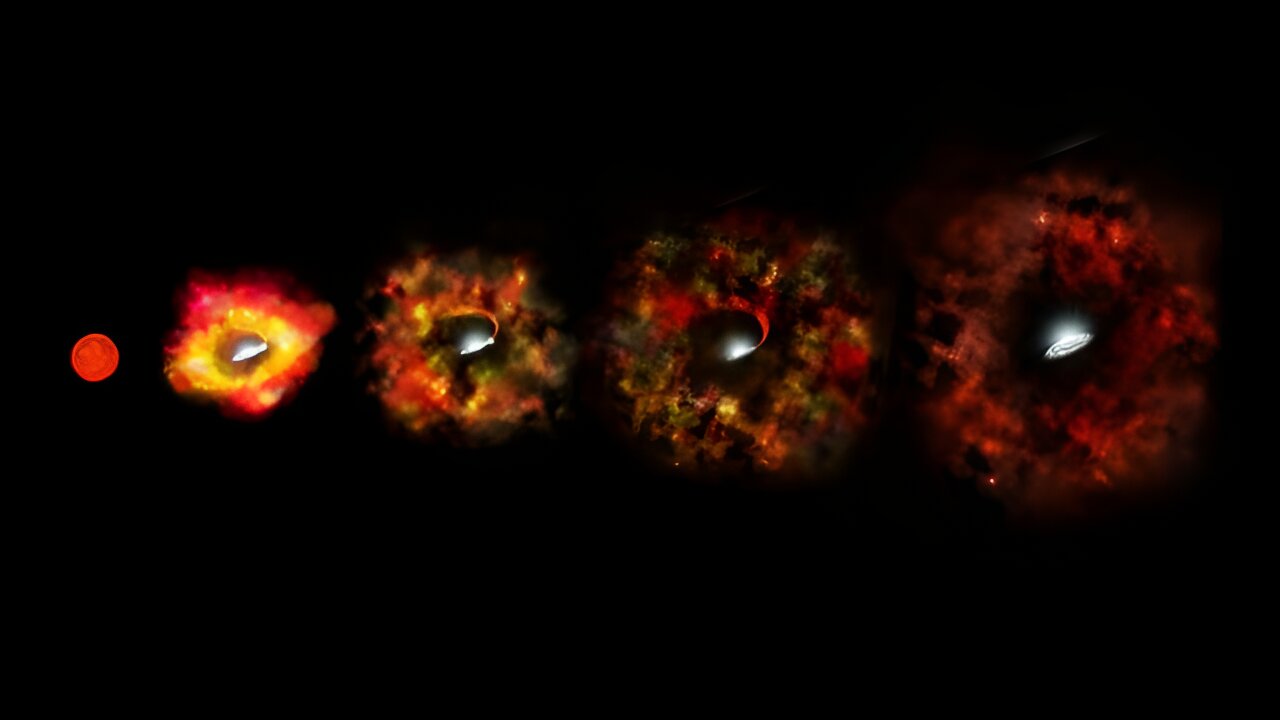
Astronomers have observed a massive star, N6946-BH1, that disappeared in 2009 and is now considered a failed supernova. Using data from the James Webb Space Telescope (JWST), they have discovered a bright infrared source that could be a remnant dust shell or material infalling into a black hole. Surprisingly, they found three sources instead of one, suggesting a stellar merger rather than a failed supernova. This challenges our understanding of supernovae and stellar mass black holes, and further observations will help distinguish between stellar mergers and true failed supernovae.

JWST's Groundbreaking Discoveries: Unveiling Supernova Secrets

Originally Published 2 years ago — by Phys.org

Featured image for JWST's Groundbreaking Discoveries: Unveiling Supernova Secrets
Source: Phys.org

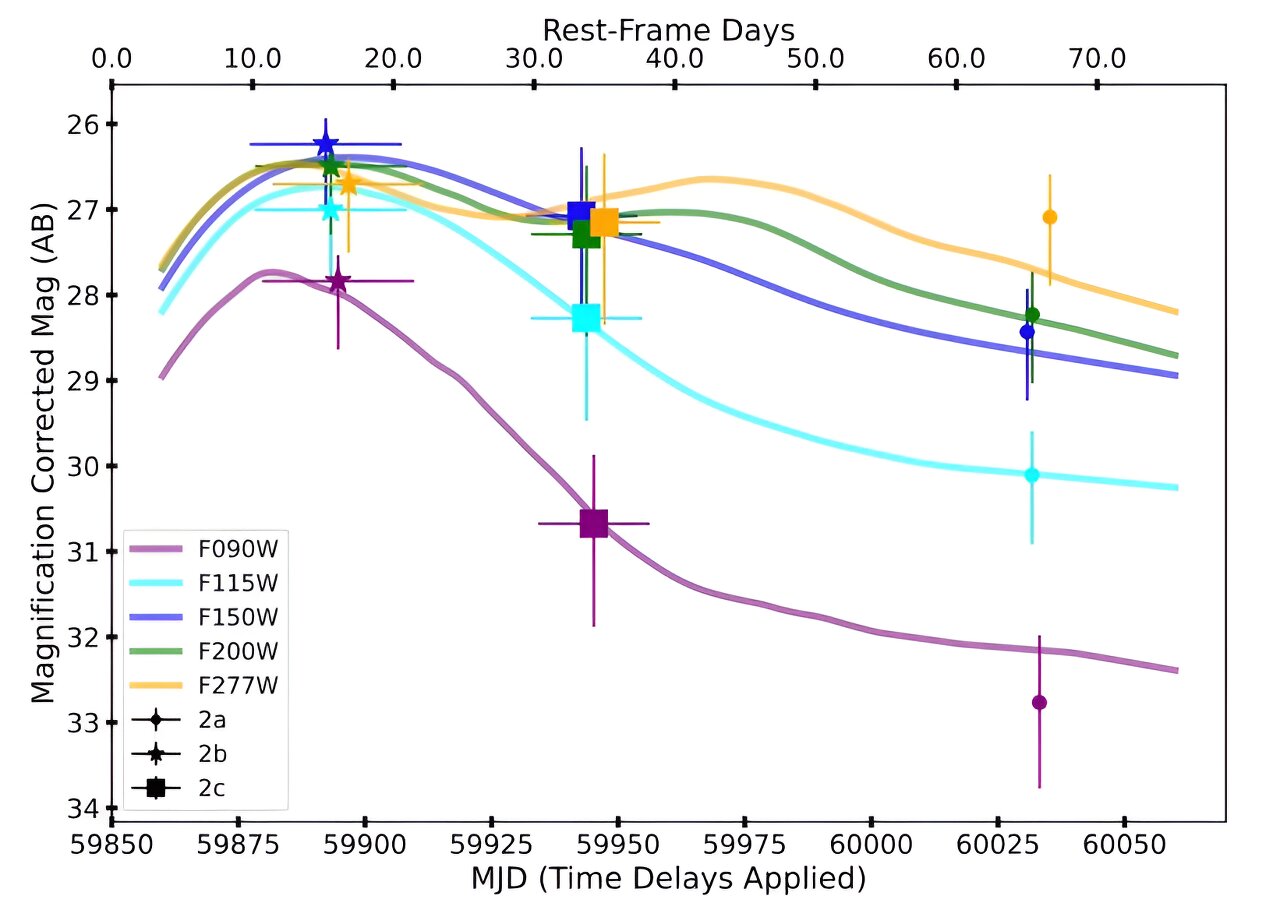
Using the James Webb Space Telescope (JWST), astronomers have discovered a new Type I supernova in the galaxy cluster PLCK G165.7+67.0. The supernova, named SN H0pe, was detected in a gravitationally amplified galaxy and offers a unique opportunity to determine Hubble's constant by measuring the time delays between its multiple images. Further investigation revealed the properties of the host galaxy and the cluster itself. More results will be published in an upcoming research paper.

JWST's Discovery: Intelligent Civilization Found on Earth

Originally Published 2 years ago — by Phys.org

Featured image for JWST's Discovery: Intelligent Civilization Found on Earth
Source: Phys.org

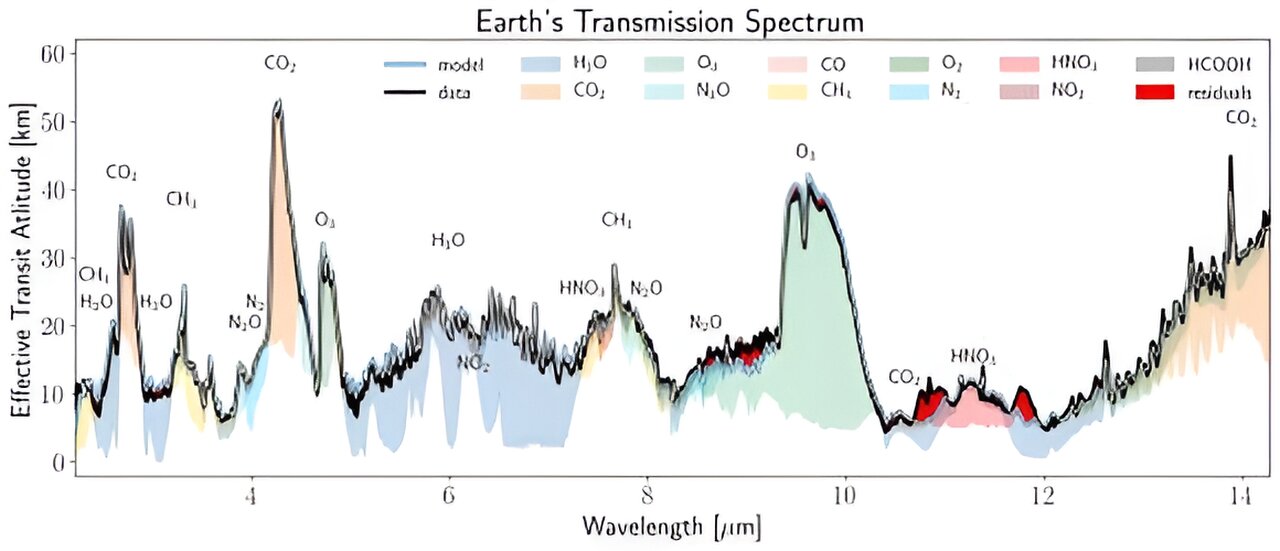
A recent study suggests that if Earth were an exoplanet, the James Webb Space Telescope (JWST) would be able to detect the presence of an intelligent civilization by analyzing the molecules in our atmosphere. By simulating the data obtained from Earth's atmosphere and introducing noise and lower resolutions, the study found that JWST could identify various molecules, including those indicative of an industrial civilization. The study also demonstrated that JWST could potentially identify biological and technological signatures on exoplanets within 50 light-years, such as those in the Trappist-1 system. This research could significantly advance our understanding of life in the universe.