Tag

Itch

All articles tagged with #itch

neuroscience1 year ago

"Uncovering the Role of Proteasomes in Sensory Signaling"

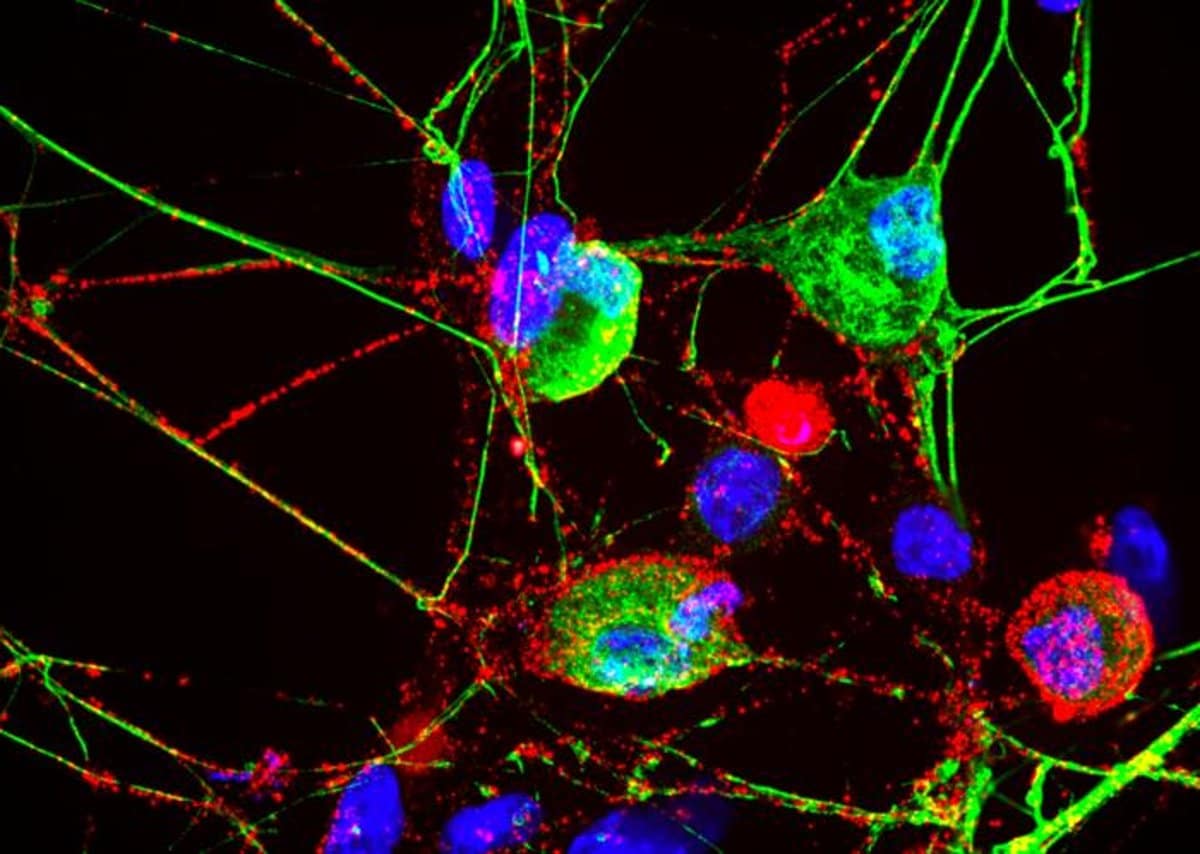
Researchers have discovered a new role for proteasomes in nerve cells, suggesting that these structures, traditionally known as the cell's waste processors, may act as signal messengers in sensory neurons, aiding in the differentiation between pain and itch sensations. By blocking proteasomes with specific inhibitors in mice, significant changes in sensory response were observed, highlighting the potential for proteasomes to be targeted for therapeutic interventions in sensory disorders. This study redefines our understanding of proteasome functions and opens new avenues for treating sensory disorders.

health2 years ago

Uncovering the Link Between Skin Microbiome and Itchiness

Scientists from Harvard Medical School have discovered that bacteria, specifically Staph aureus, can trigger itchiness in inflammatory skin conditions like eczema and dermatitis. The bacteria release an enzyme that causes the urge to scratch, leading to further skin damage and inflammation. The researchers found that blocking a protein called PAR1 with an approved anticlotting drug stopped itching in mice. This breakthrough could potentially lead to new treatments for itchiness in skin conditions. Further research will be conducted to explore if other microbes can also trigger itch and to understand the evolutionary implications of microbes causing itch.

health2 years ago

Unraveling the Origins of Itch: Harvard Study Reveals New Culprit

New research suggests that a common microbe, Staphylococcus aureus, may directly cause itchiness on the skin it colonizes by releasing an enzyme that activates nerve cells and generates an itch sensation. The study found that an FDA-approved anti-clotting medication can block this itch response, potentially offering a new treatment for itchy skin conditions like eczema. The findings open up a new understanding of the role of bacteria in causing itching and may lead to more targeted treatments that do not harm beneficial bacteria on the body.