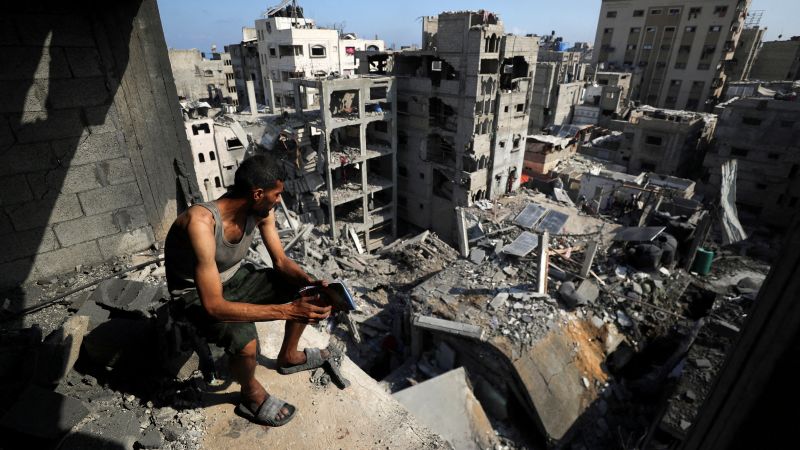
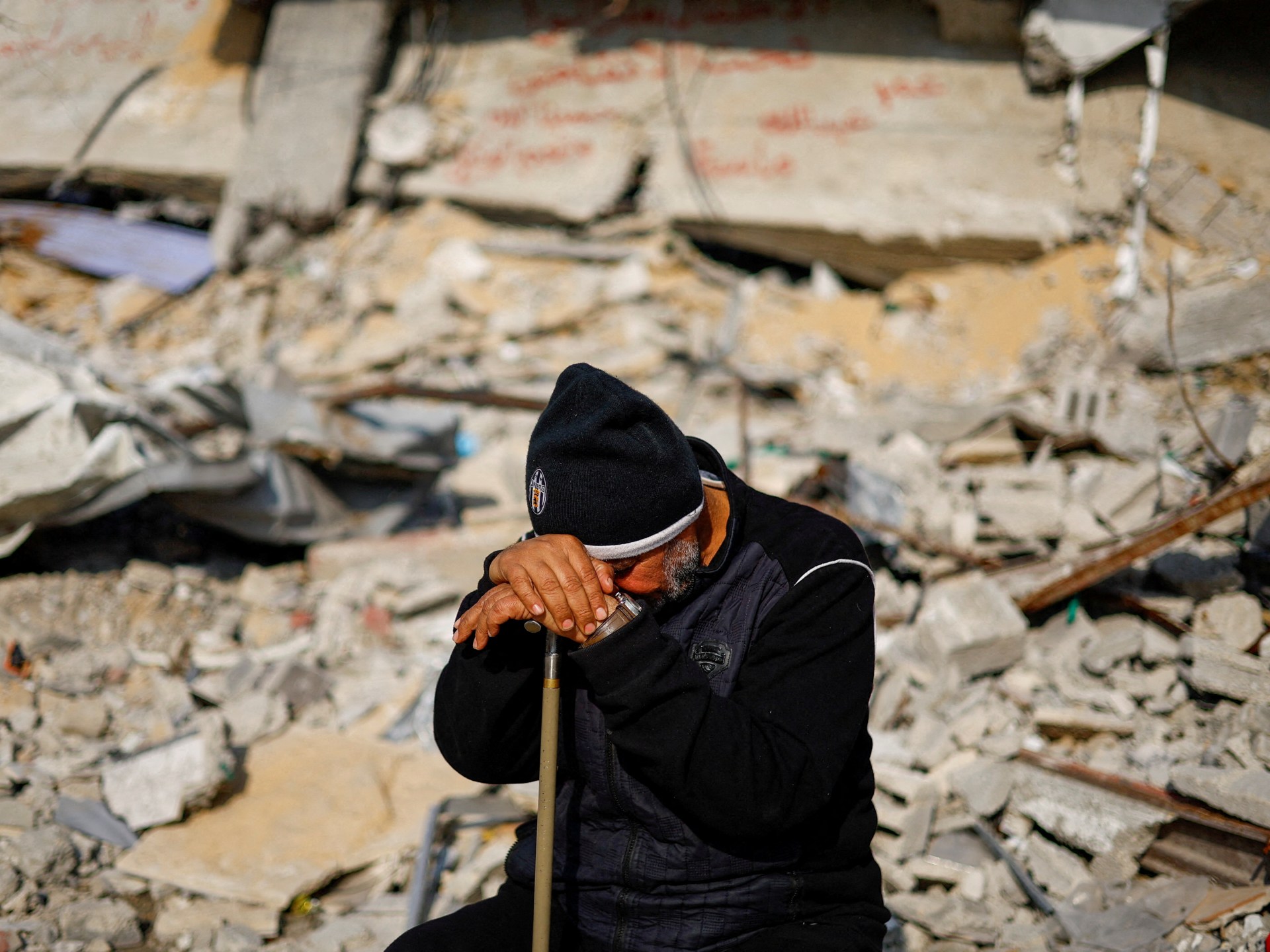
Gaza's largest city, Gaza City, is in chaos and destruction following months of Israeli strikes and a looming military assault aimed at Hamas, with residents suffering from severe shortages, destruction, and lawlessness amid ongoing conflict.
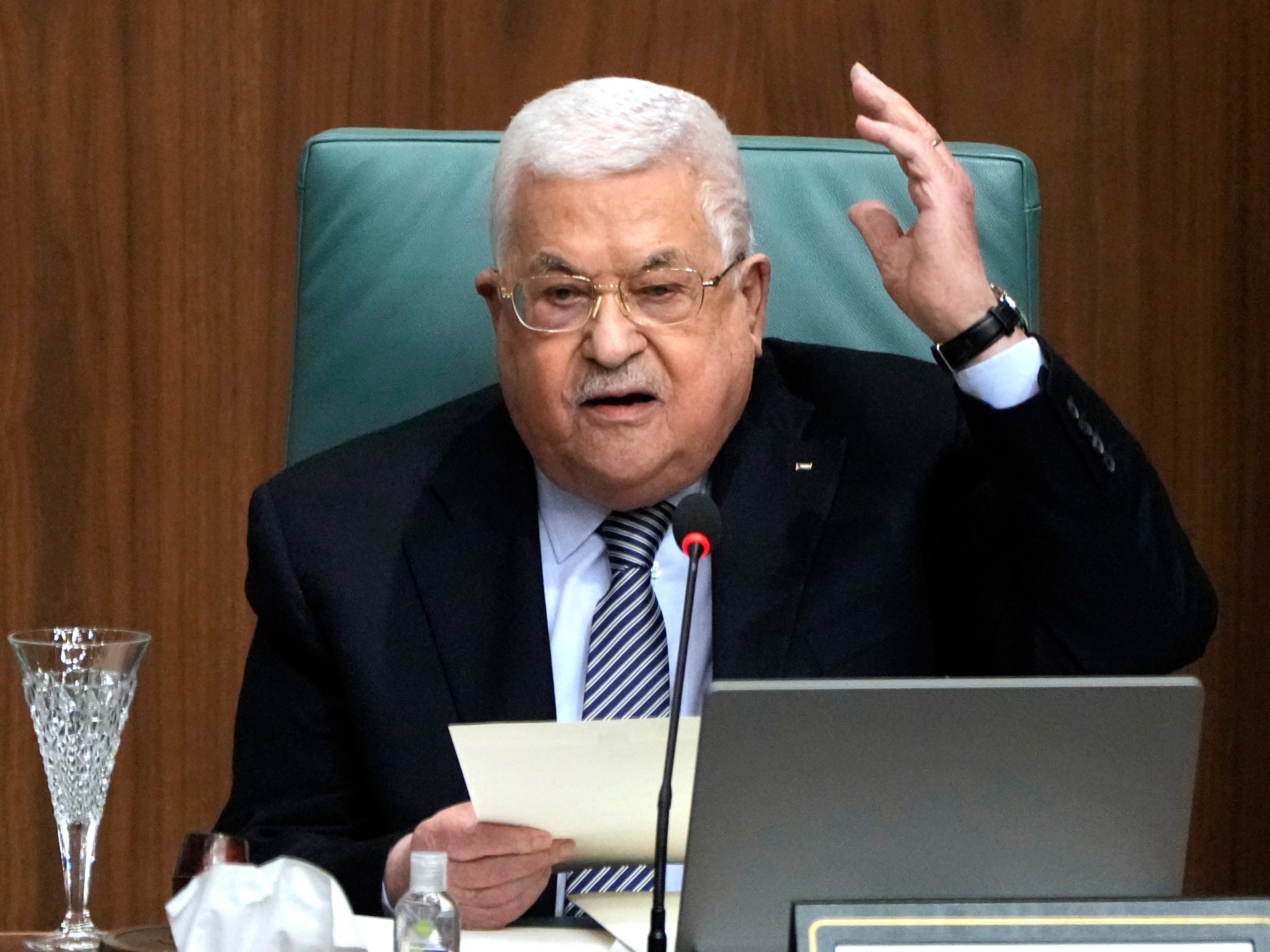
Palestinian Authority President Mahmoud Abbas has announced the formation of a new interim government amid international pressure for reform, appointing US-educated economist Mohammad Mustafa as prime minister. The new Cabinet aims to address the need for change amid Israel's assault on Gaza and escalating violence in the occupied West Bank. However, the PA faces challenges due to its strained relationship with Hamas, lack of popular support, and failure to hold elections in 18 years. The United States has called for a revitalized PA to administer Gaza after the Israeli war on the territory ends, but Hamas has rejected the new government as illegitimate, advocating for a power-sharing arrangement among all Palestinian factions.
Egypt is reportedly constructing a security buffer zone along Gaza's border to receive Palestinian refugees fleeing an anticipated Israeli assault on Rafah, according to an Egyptian rights group. The plan involves creating a walled area in the Sinai peninsula and has raised concerns about potential forced displacement and complicity in human rights violations. The construction is seen as a response to Israeli threats of a ground assault on Rafah, and there are allegations of profiteering from the situation by a company with ties to the Egyptian government.
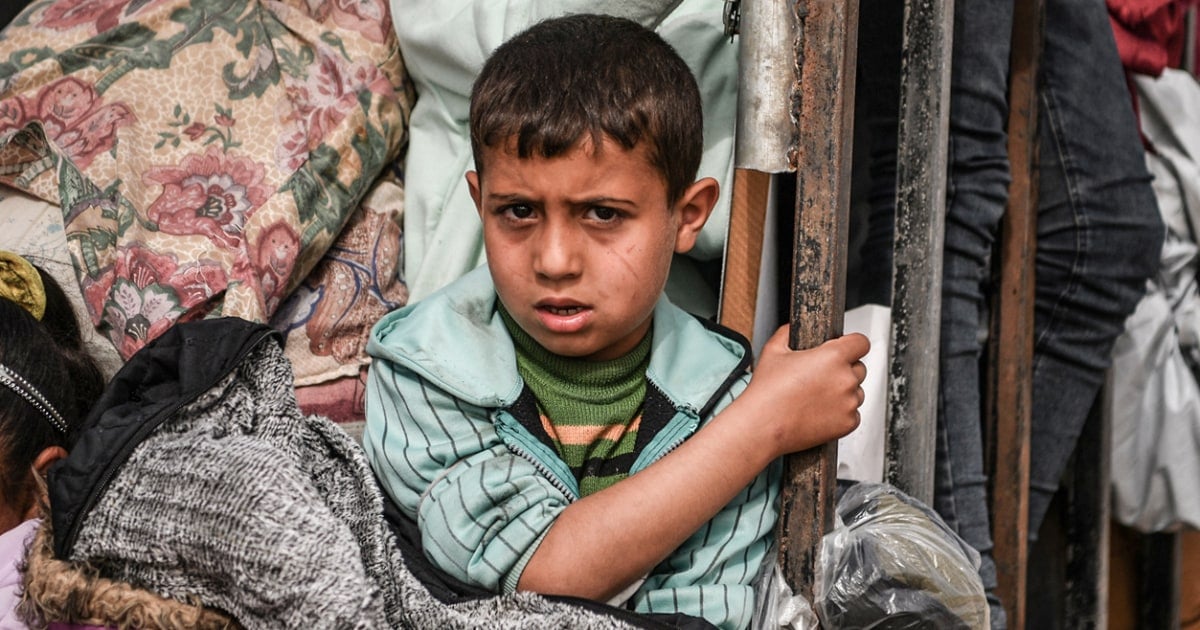
The southern Gaza city of Rafah is overwhelmed with displaced and desperate Palestinians as Israel threatens a new assault, with the city's population swelling to an estimated 1.4 million. Israeli Prime Minister Benjamin Netanyahu is signaling a potential military offensive in Rafah, leaving residents asking, "Where do we go?" The humanitarian crisis has led to shortages of water, food, and basic supplies, with displaced families preparing to flee again amid the looming threat. The situation has drawn international concern, with warnings of a potential "bloodbath" and calls for mercy towards the suffering children.
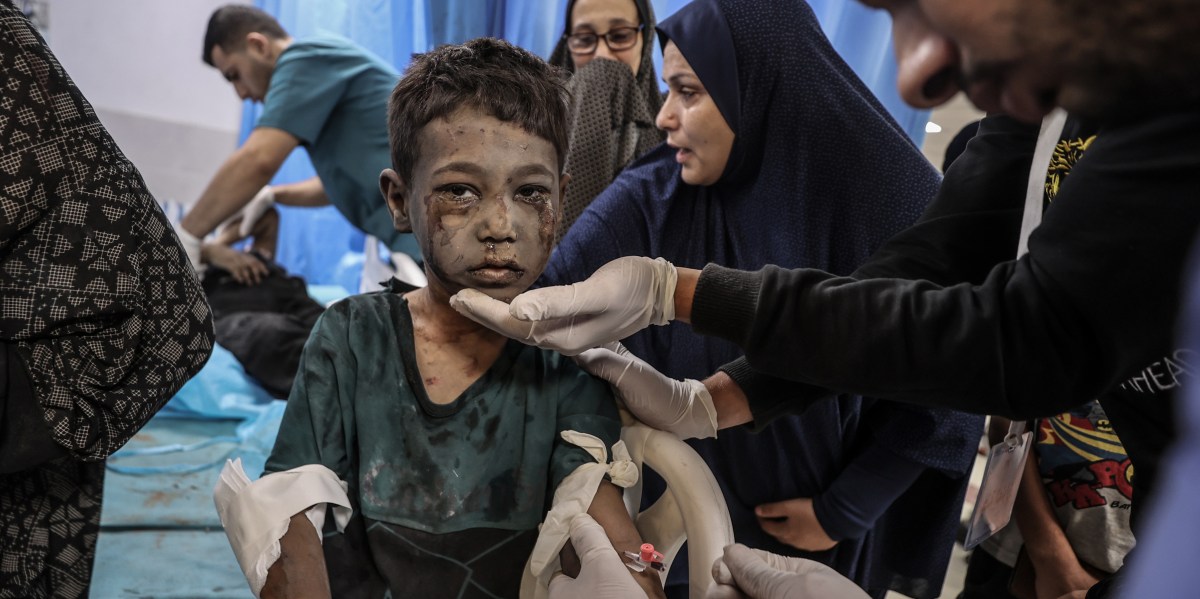
In Gaza City, the ongoing Israeli assault has left hundreds of thousands displaced, struggling for shelter, food, and medical care. Families are living in destroyed buildings, using animal feed as flour, and facing exorbitant prices for basic necessities. Medical services are nearly non-existent, with medical personnel arrested or killed and facilities bombed. The dire situation has led to widespread starvation and unrecorded deaths from preventable causes. The author appeals for urgent international action to address the humanitarian crisis and prevent further suffering and loss of life in Gaza.
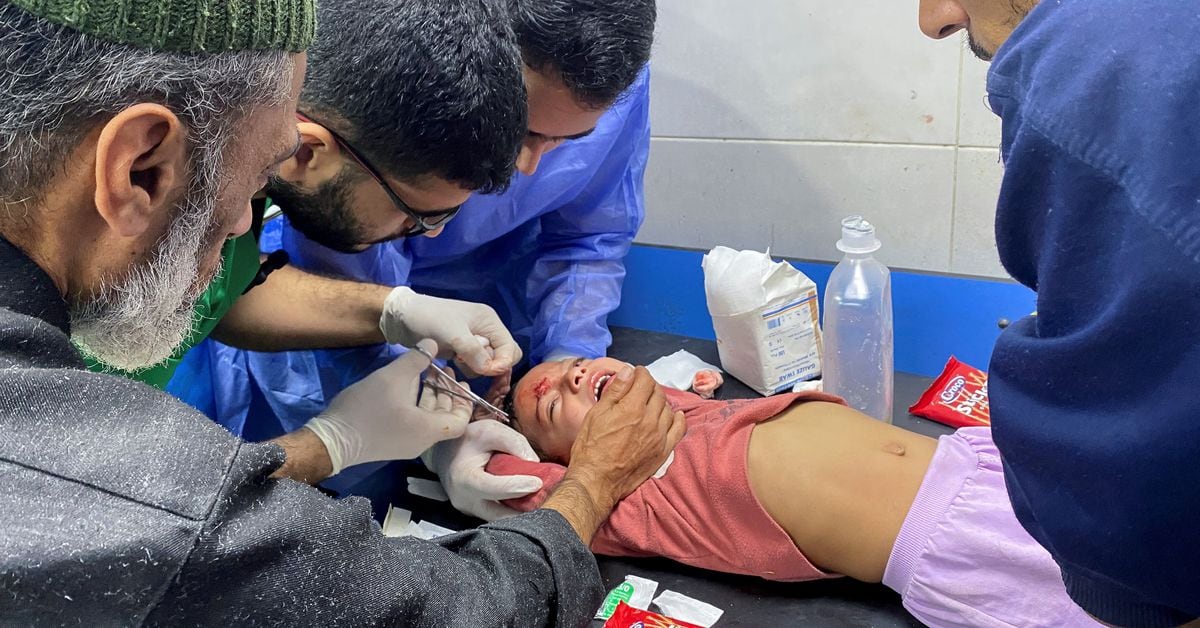
The largest hospital in Gaza, al-Shifa, is no longer functioning amid the ongoing Israeli assault, with fatalities among patients increasing. Hospitals in the north of Gaza are blockaded by Israeli forces, leaving them unable to adequately care for patients, including three newborns who have already died due to power outages. The World Health Organization (WHO) has called the situation "dire and perilous," with constant gunfire and bombing exacerbating the critical conditions. The WHO and other United Nations officials are urging an immediate ceasefire, while the president of Indonesia has also called for a ceasefire and increased humanitarian aid. Israel claims it is targeting Hamas militants and that the hospitals should be evacuated, while the European Union condemns Hamas for using hospitals and civilians as human shields. The conflict has raised fears of a broader conflagration, with Hezbollah and other Iran-backed groups launching attacks on Israel and the United States responding with airstrikes.
The Israeli assault on Gaza has caused the health sector to collapse, with over half of the hospitals closed and the remaining ones on the brink of closure due to power cuts, fuel shortages, and lack of medical supplies. Pregnant women and infants are particularly vulnerable, as power interruptions put neonatal care at risk. Cancer patients are also suffering, with hospitals running out of essential medicines. The blockade and limited aid have further exacerbated the dire situation, leaving hospitals without basic supplies. The ongoing war and siege have left thousands of people in Gaza in desperate need of medical care.
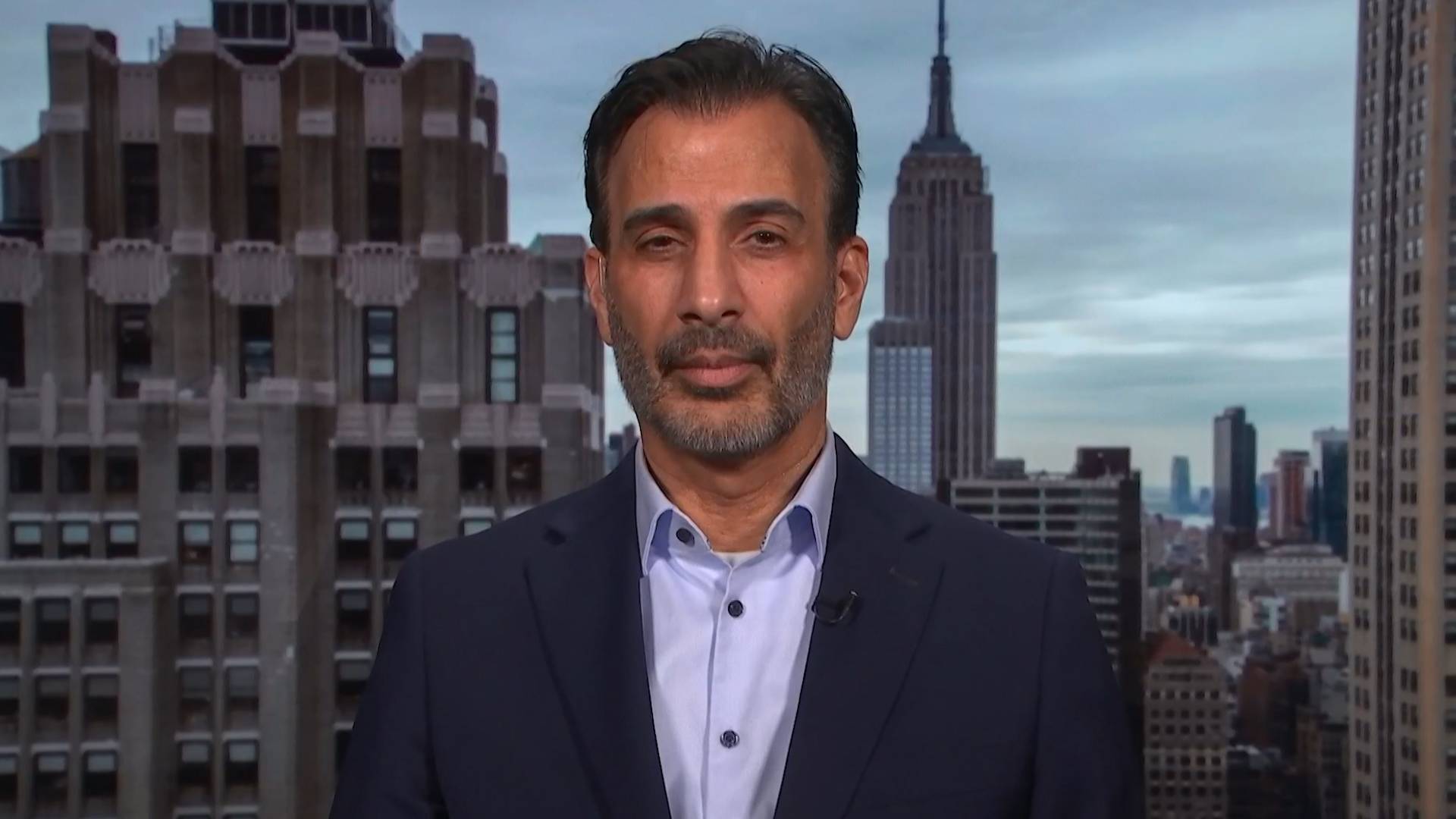
Craig Mokhiber, a top United Nations official, has resigned and accused the UN of failing to address what he calls a "text-book case of genocide" unfolding in Gaza. In a letter addressed to the UN High Commissioner for Human Rights, Mokhiber criticized the UN's response to the Israeli assault on Gaza, stating that civilian homes, schools, and medical institutions are being attacked, and that apartheid rules across the land. He also criticized the complicity of the US, UK, and Europe in arming and supporting Israel's atrocities. Mokhiber called for all member states to fulfill their obligations under international law and ensure an end to the attacks on civilians in Gaza, as well as accountability for the perpetrators and protection for the vulnerable.
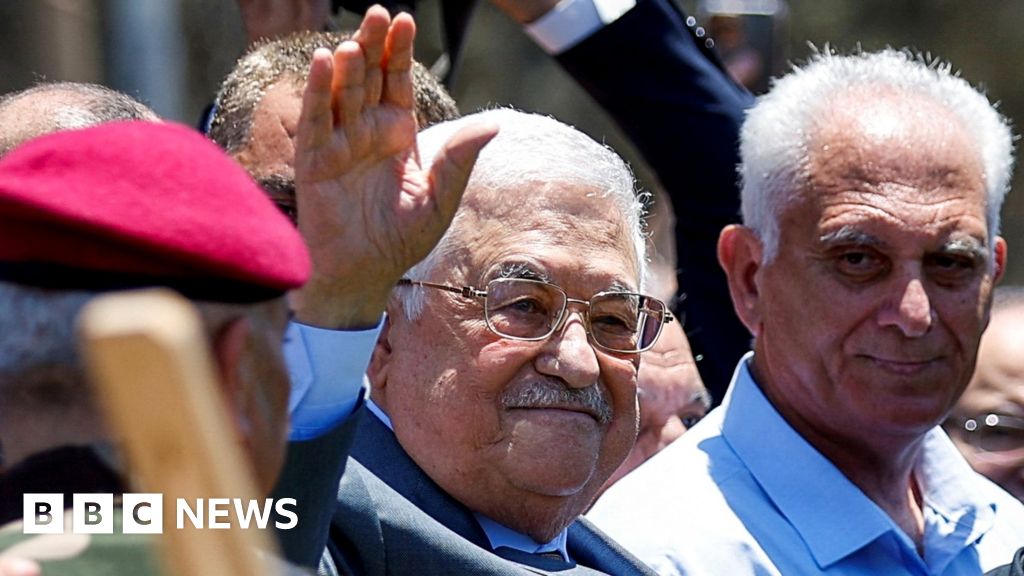
Palestinian President Mahmoud Abbas has made his first visit to Jenin in over a decade, following a massive Israeli military assault on the city's refugee camp. The visit was an attempt by Abbas to reassert control amid the worst security and political crisis in the territory in two decades. He pledged to rebuild the camp and called it an "icon of struggle." However, the visit highlighted the collapse in public support for the Palestinian Authority (PA), with only a few hundred people in attendance. Many Palestinians view the PA as a security sub-contractor for Israel's military occupation and polls suggest most Palestinians now support armed resistance.