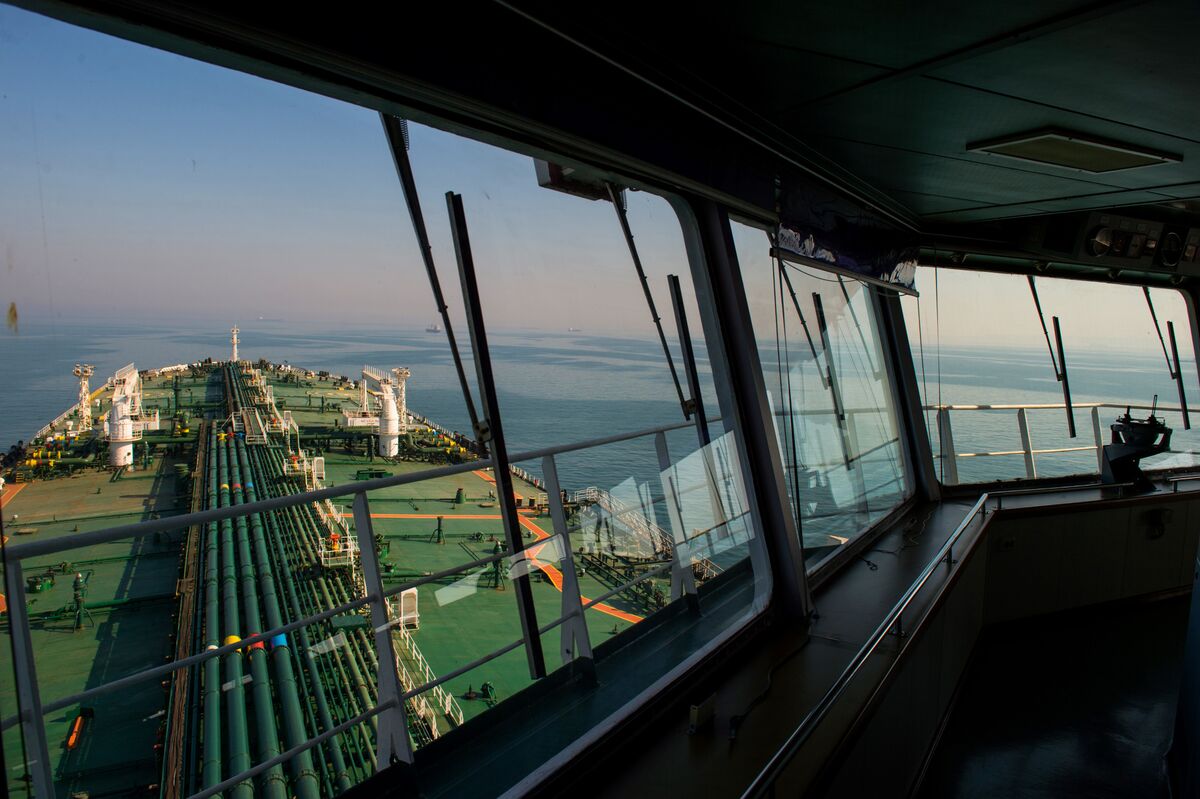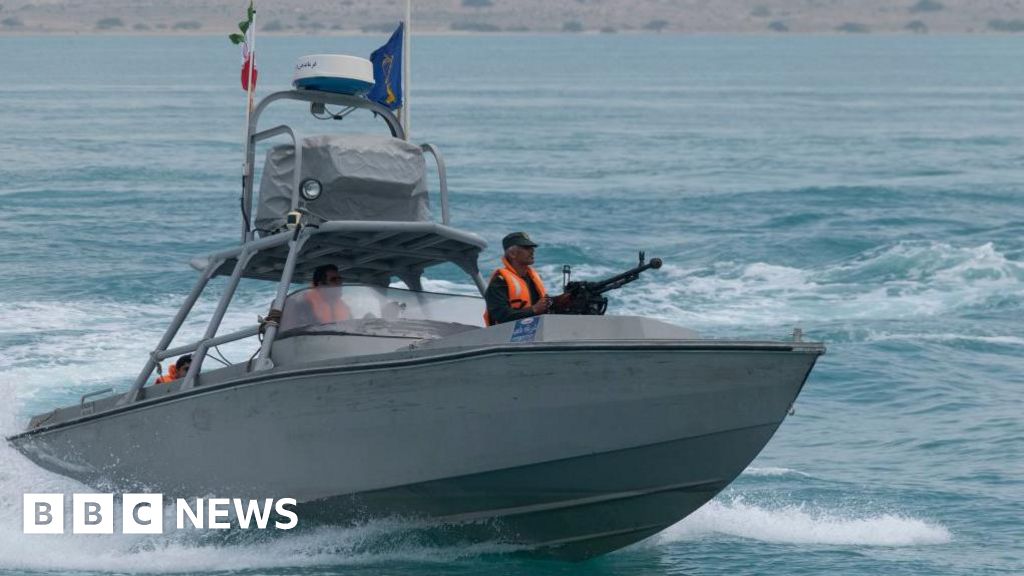
The Strait of Hormuz is a crucial shipping lane that handles about 20% of global oil, and Iran's potential to block it poses significant risks to the global economy, especially affecting major importers like China, India, and Japan. While Iran has threatened to close the strait, it has not done so historically, and military options exist for both Iran and its adversaries to manage such a scenario. Countries have developed alternative routes, but disruptions could still cause substantial economic and geopolitical instability.
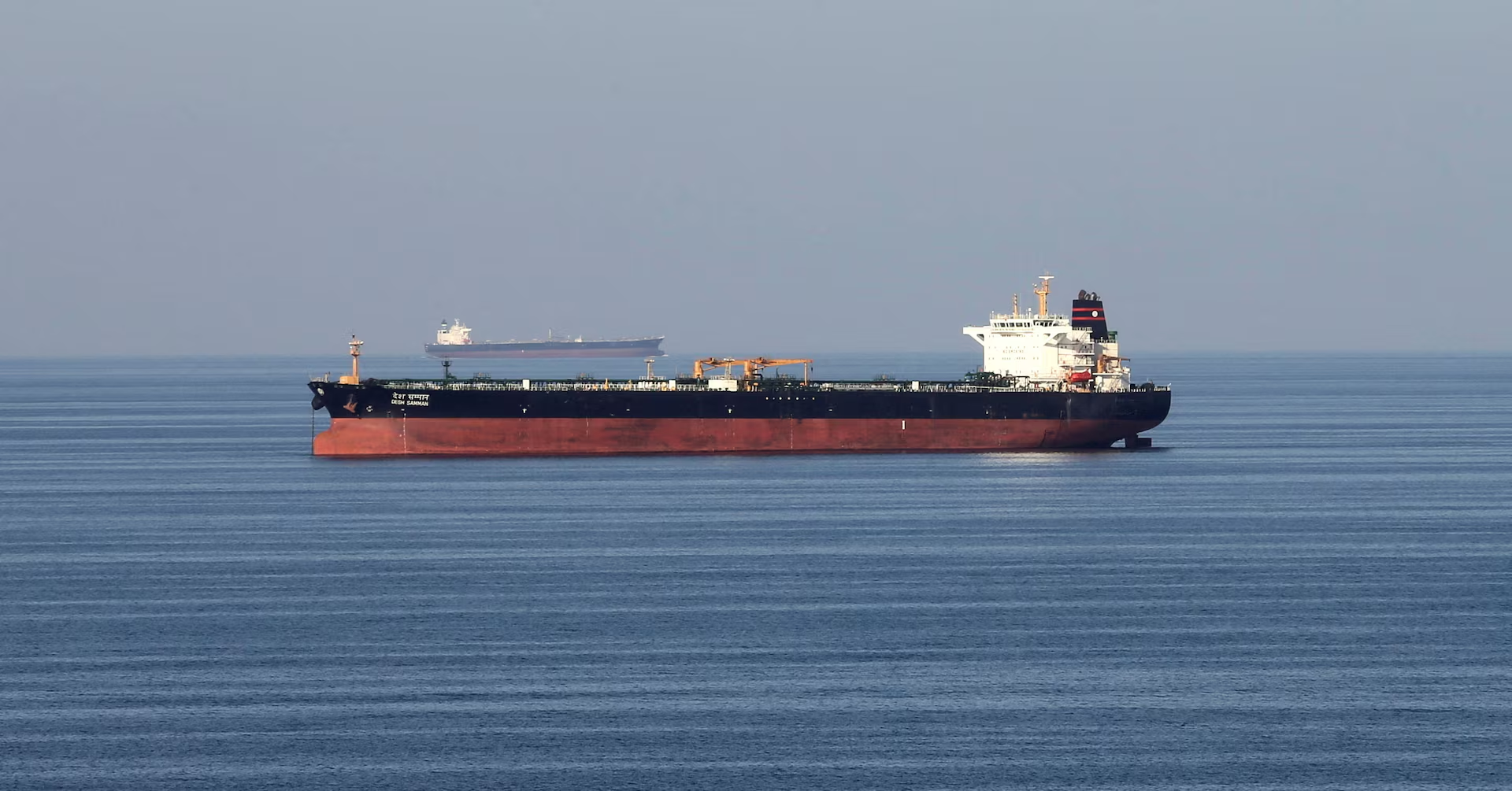
Iran's Supreme National Security Council is set to decide whether to close the Strait of Hormuz, a critical waterway for global oil shipments, following recent U.S. bombing raids, with parliament having expressed support for the measure, though no final decision has been officially made.
Nearly 1,000 ships daily experience GPS jamming near Iran's coast, complicating navigation and potentially contributing to recent maritime accidents, amid heightened tensions and disruptions in the Strait of Hormuz, a critical global oil chokepoint.
Social media claims of three ships on fire in the Gulf of Oman near the Strait of Hormuz remain unverified by authorities, amid heightened tensions in the region related to Iran-Israel conflicts and concerns over disruptions to global oil supplies. The incident, if confirmed, could escalate regional tensions and impact global markets, especially given the strategic importance of the Strait of Hormuz.