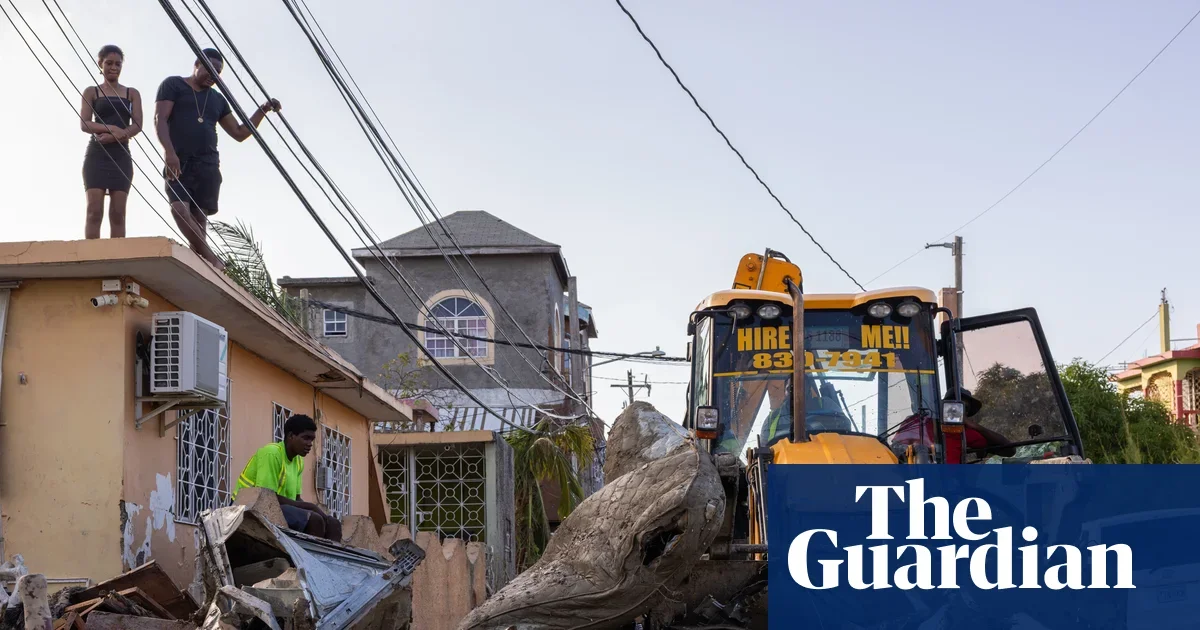
Communities in Jamaica devastated by Hurricane Melissa are still waiting for aid, with residents facing severe destruction, slow relief efforts, and calls for increased international support amid climate change concerns.
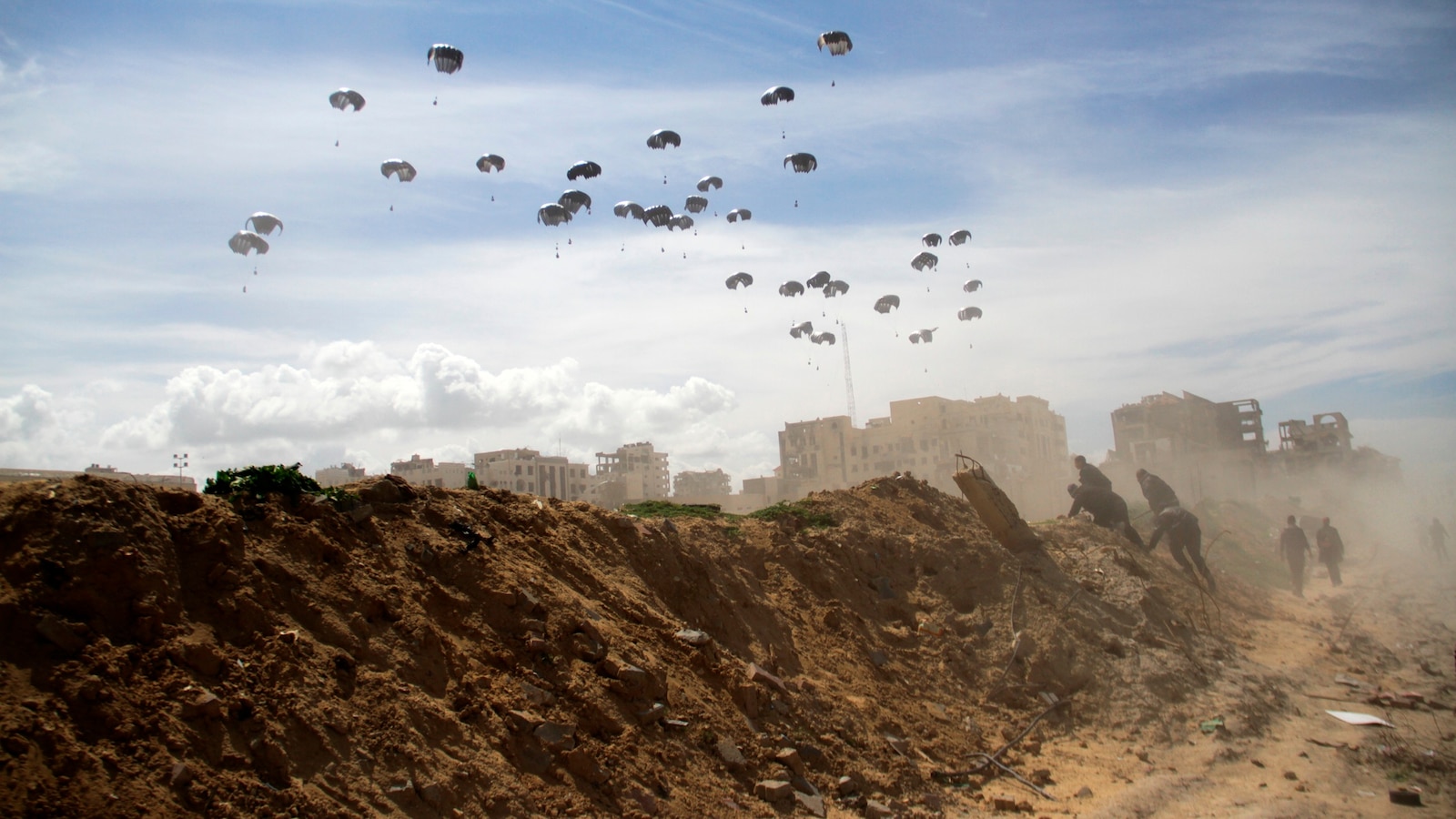
The U.S. Central Command conducted a humanitarian aid operation by airdropping 41,400 meal equivalents and 23,000 bottles of water into northern Gaza, where critical aid has been limited. The death toll in Gaza has risen to 30,960, with at least 72,524 people injured, and at least 23 people have died of malnutrition. The aid drop comes amid calls for a ceasefire and the release of Israeli hostages, with the U.S. planning follow-up aerial deliveries and an emergency mission to establish a temporary pier in Gaza to provide over 2 million meals per day. President Biden said the chances of securing a ceasefire deal before Ramadan are "tough."
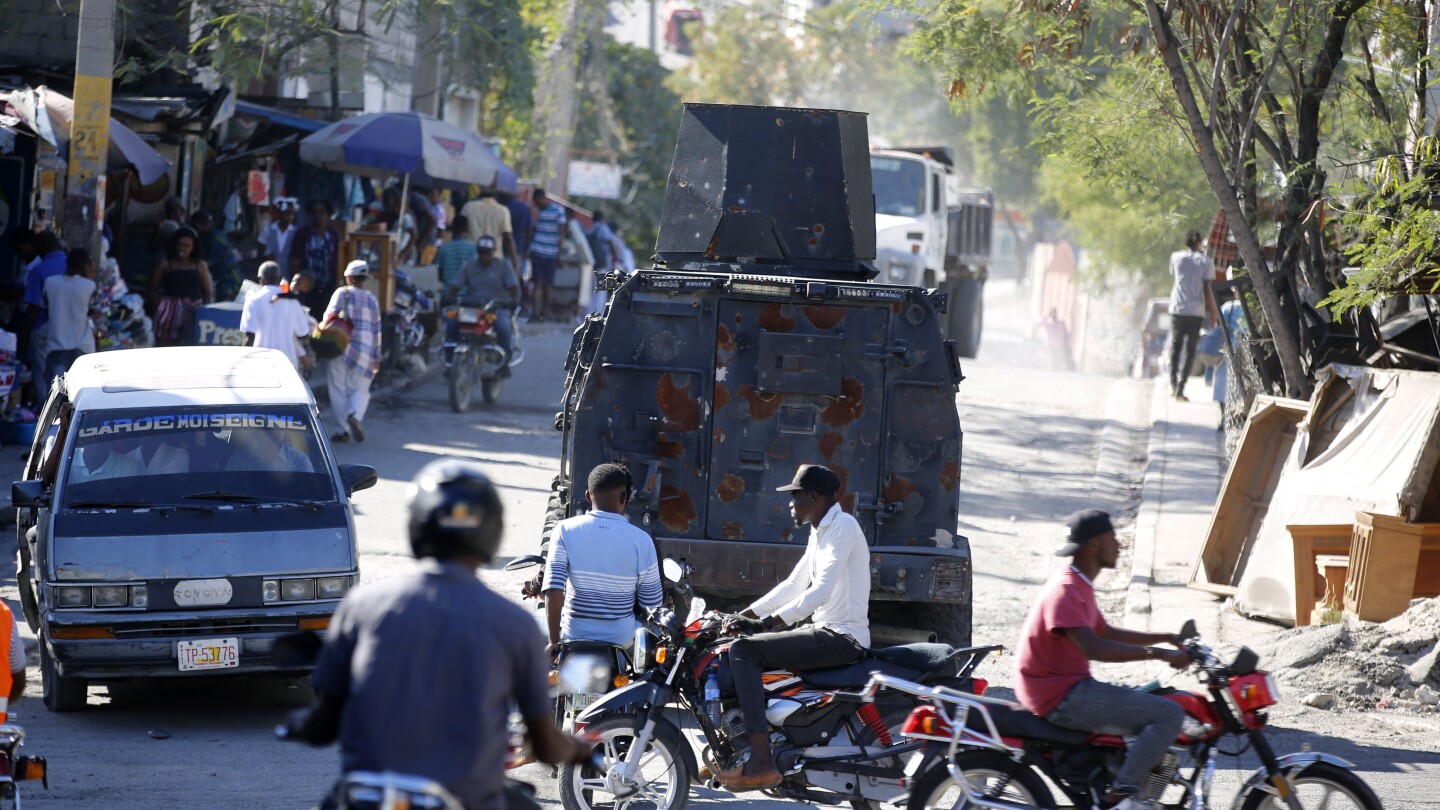
Haiti's Prime Minister Ariel Henry met with officials from various countries to discuss a program aimed at strengthening the country's overwhelmed police department, which is struggling to combat violent gangs. The international steering committee overseeing the program includes representatives from the US, Canada, Japan, Germany, the UN, and the EU. The program aims to provide operational and institutional reinforcement for Haiti's National Police, with a focus on generating additional funding. This comes as Haiti grapples with gangs controlling a significant portion of the capital and a recent court ruling in Kenya deeming the deployment of police officers to Haiti as part of a UN-backed mission unconstitutional.
The first video footage has emerged showing the 41 trapped laborers alive inside a collapsed Himalayan tunnel, as rescue efforts continue for the tenth day. The men have been receiving food, water, and oxygen through a pipe, but efforts to open a passage through the debris have been challenging due to unstable terrain. Rescuers have successfully inserted a pipe through the rubble to deliver supplies, increasing confidence in keeping the workers safe. However, a rescue is not imminent as authorities explore various strategies, including drilling from multiple directions and seeking international assistance.
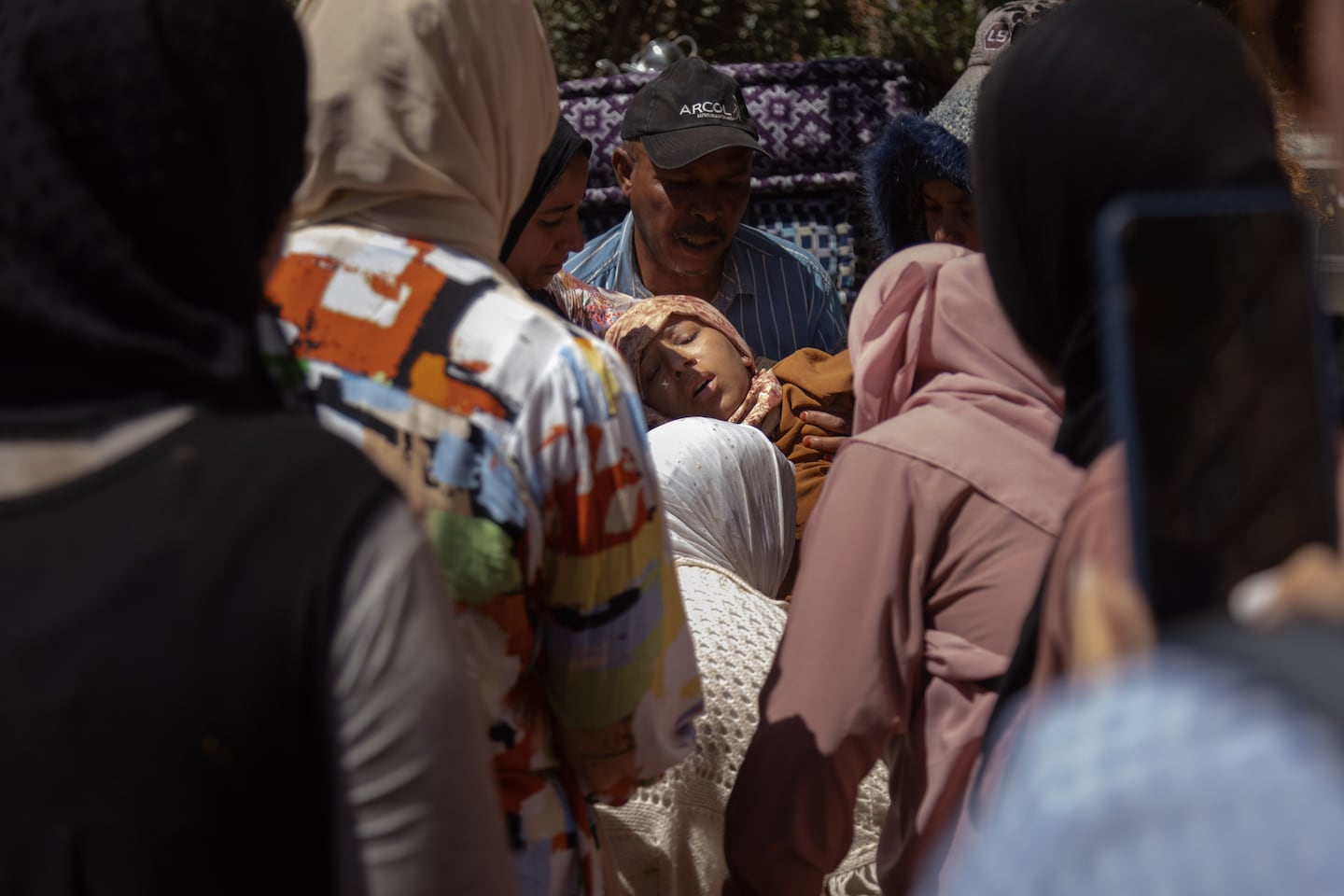
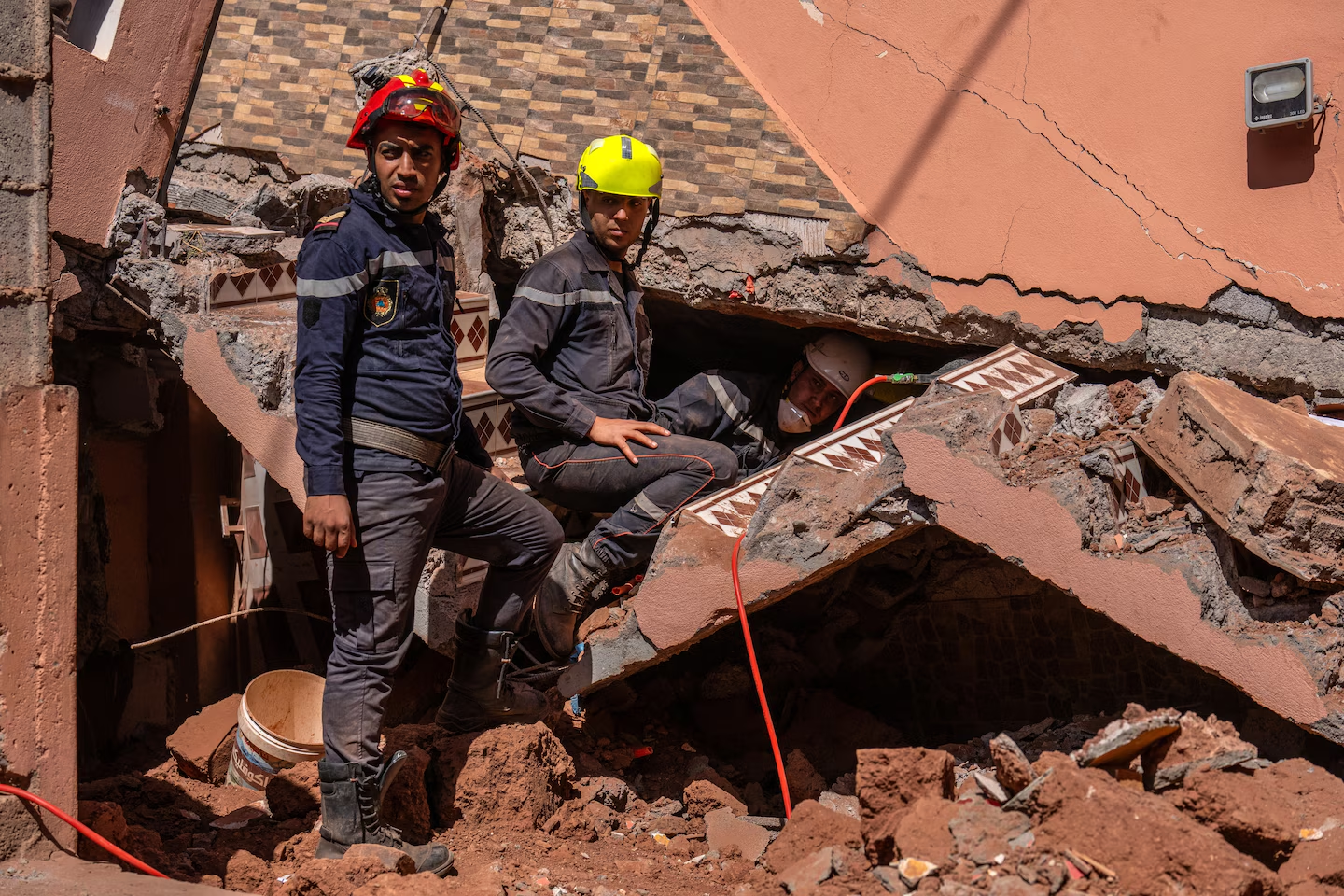
The death toll from Morocco's devastating earthquake has reached nearly 3,000 people, with over 2,500 injured. International rescuers have arrived to assist in the recovery efforts, but face significant challenges in reaching those trapped under rubble in remote mountain villages. The Moroccan government has accepted foreign assistance from countries including Spain, the United Arab Emirates, Qatar, and Britain, but offers from other countries, such as Germany, have been met with silence. Rescue efforts are being carried out by a combination of soldiers, government civil defense workers, volunteers, and locals, who are digging through rubble to recover bodies. The government is also working on a plan for reconstruction and compensating those who lost their homes.
The death toll from the 6.8-magnitude earthquake in Morocco has risen to over 2,100, with more than 2,400 injured. The Moroccan Interior Ministry has accepted search-and-rescue assistance from Spain, the United Arab Emirates, Qatar, and the United Kingdom. The earthquake, the strongest to hit the area in over a century, has devastated the High Atlas Mountains region, affecting over 300,000 people. The U.S. State Department has confirmed that Americans were injured but no U.S. citizen deaths have been reported. International aid and support from various countries and organizations have been offered to Morocco. The worst-hit areas, already among the poorest in the country, are facing significant challenges in terms of infrastructure and resources.
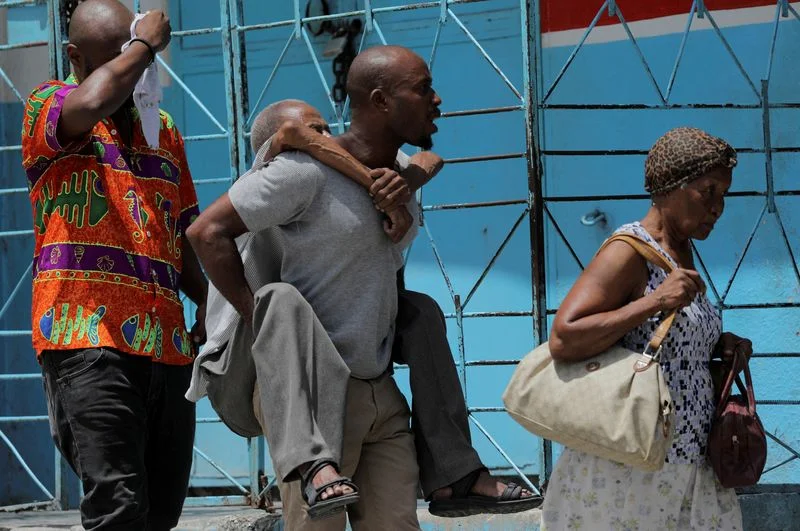
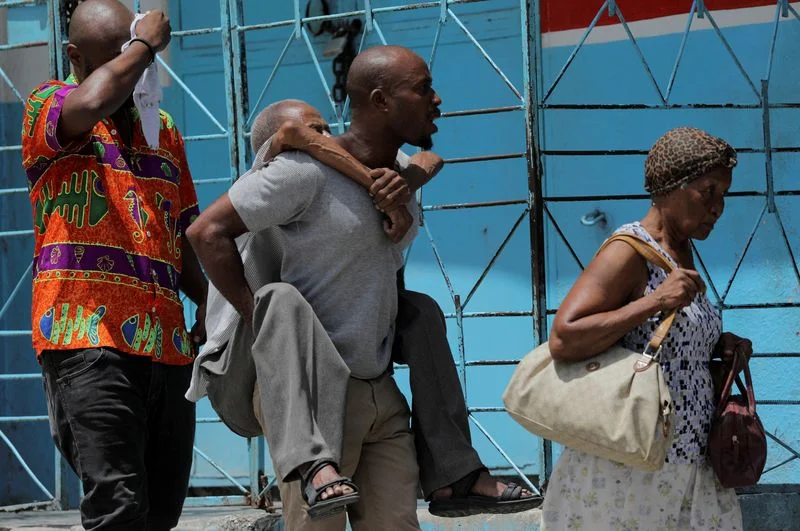
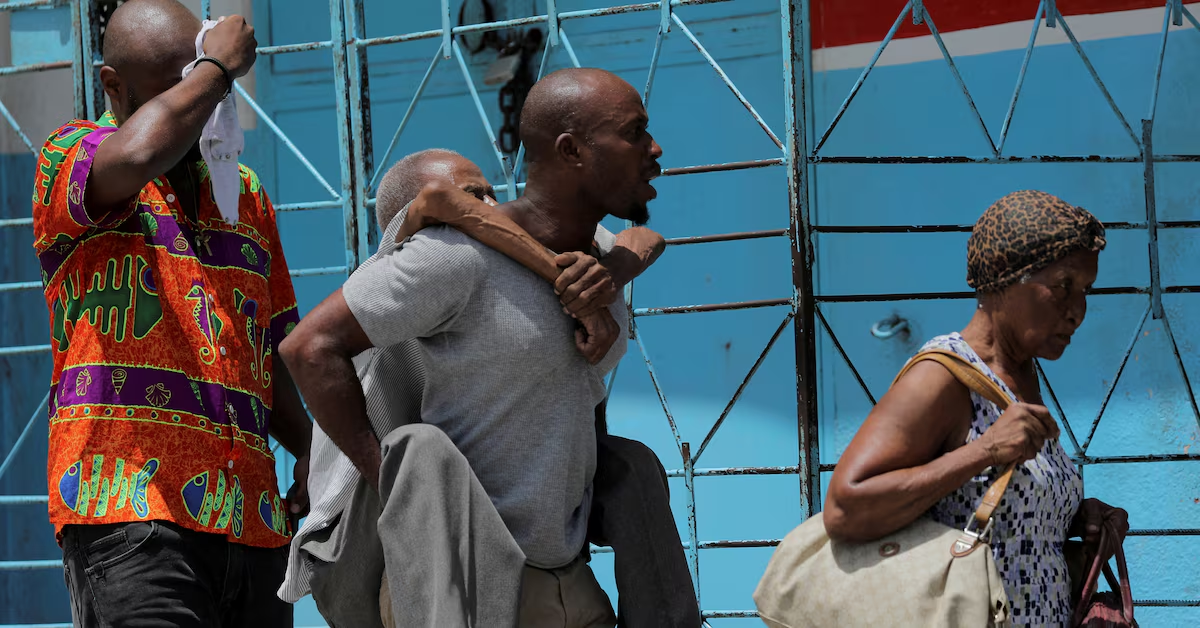
Nearly 9,000 people have been displaced in Haiti's capital, Port-au-Prince, due to a fresh outbreak of violence by armed gangs, with over half of them being displaced in the neighborhood of Carrefour-Feuilles. The under-resourced police have struggled to combat the armed groups, who now control large parts of the capital, exacerbating a devastating humanitarian crisis that has displaced around 200,000 people nationwide. Haiti's unelected prime minister has called for urgent international security assistance, and a motion for such assistance is expected to go to a U.N. Security Council vote. Many Haitians have joined civilian self-defense groups, but this has also led to retaliation against civilians and fears of escalating violence. The displaced residents, including vulnerable groups, have been left without aid for a week, and the police are severely under-equipped to handle the situation.
Nearly 9,000 people have been displaced in Haiti's capital, Port-au-Prince, due to a fresh outbreak of violence by armed gangs. The under-resourced police have struggled to combat these groups, which now control large parts of the city. The displacement has led to a devastating humanitarian crisis, with around 200,000 people displaced nationwide. Haiti's unelected prime minister has called for urgent international security assistance, and a motion for such assistance is expected to go to a U.N. Security Council vote. Many displaced residents are seeking refuge in overcrowded shelters, while others have joined civilian self-defense groups. The situation is dire, with limited aid reaching those in need, and the displaced population expressing exhaustion and a desire for a better life.
Nearly 9,000 people have been displaced in Haiti's capital, Port-au-Prince, due to a fresh outbreak of violence by armed gangs. The under-resourced police have struggled to combat the armed groups, who now control large parts of the city, leading to a devastating humanitarian crisis that has displaced around 200,000 people nationwide. Haitian Prime Minister Ariel Henry has called for urgent international security assistance, and a motion for such assistance is expected to go to a U.N. Security Council vote. Many displaced residents are seeking refuge in overcrowded shelters, while others have joined civilian self-defense groups. The situation is further exacerbated by a lack of aid and resources for those affected.
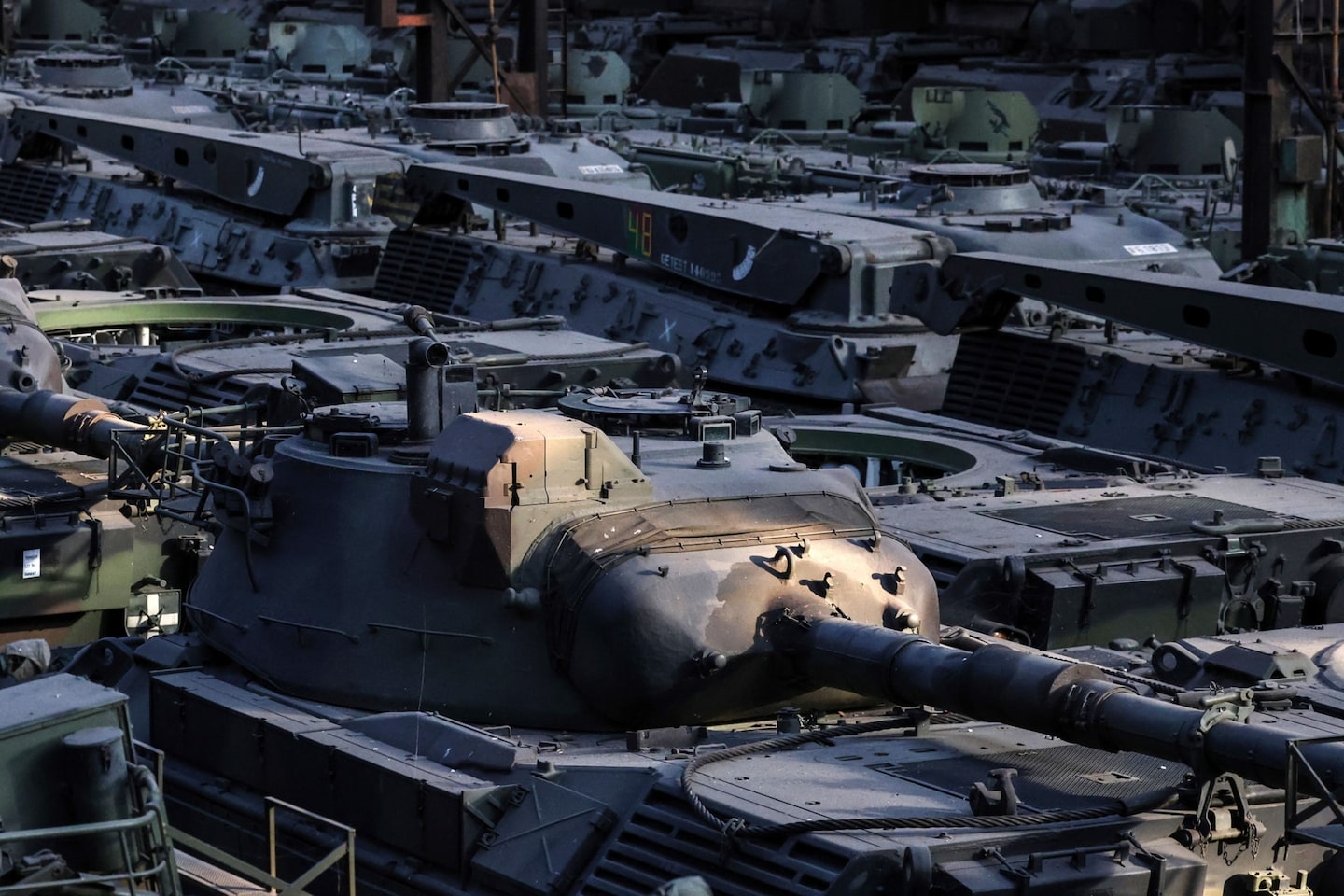
Russian officials claim to have shot down two drones over Moscow and intercepted 11 near Crimea, while an unidentified buyer has purchased German-made Leopard 1 tanks to be sent to Ukraine. Ukraine's Finance Minister estimates the country will require at least $42 billion in international assistance in 2024, with the European Union committing nearly $55 billion over four years. In the battleground, a Russian strike in Zaporizhzhia killed three people, and Russian forces are conducting offensive operations in Kupyansk. Germany will provide Ukraine with additional Patriot air defense launchers, and Canada, the United States, and the United Kingdom have announced sanctions on Belarus over its support for Russia's war in Ukraine. Ukrainian musicians are also using their music to revive the country's folk tradition and counter the influence of Russian-language music.
A 19-year-old Canadian firefighter, Devyn Gale, tragically died while battling a wildfire in British Columbia. This comes as the province faces what could be its worst wildfire season in a century, with over 4,000 fires burning and nearly 24 million acres consumed. The death of Devyn Gale highlights the dangers faced by firefighters, and the province has requested additional international assistance to combat the unprecedented scale of the blazes.
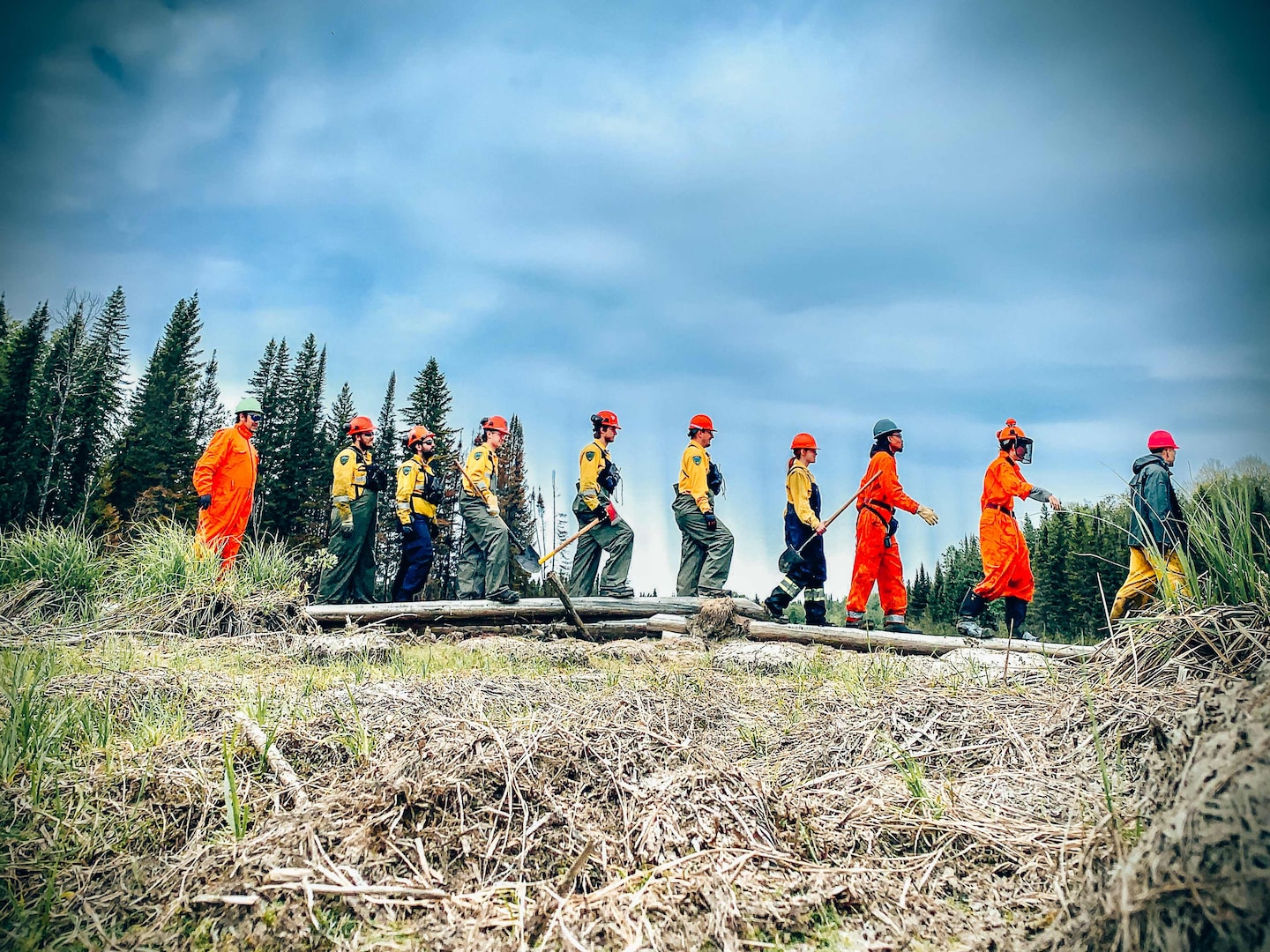
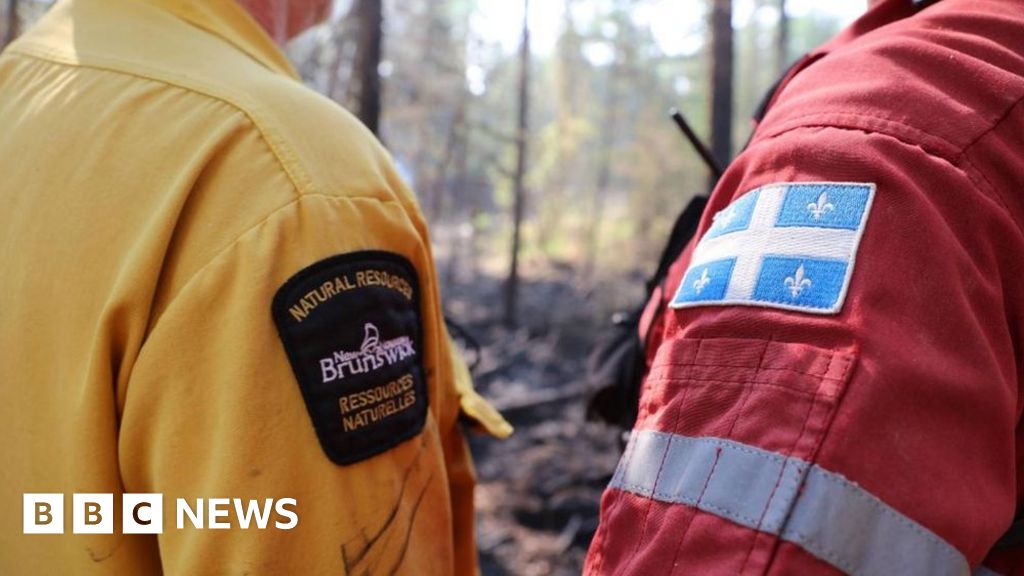
Global firefighters are arriving in Quebec to help put out over 130 forest fires currently burning in the region, draining local firefighting resources. Quebec's local firefighting capabilities would only be able to handle around 25 to 35 large forest fires at any given time without the extra hands. The province has trained 300 additional people in Quebec City over the last week so they can be deployed immediately. Federal officials in Canada have warned that this may be the country's worst wildfire season on record, with nearly four million hectares of land burned so far.
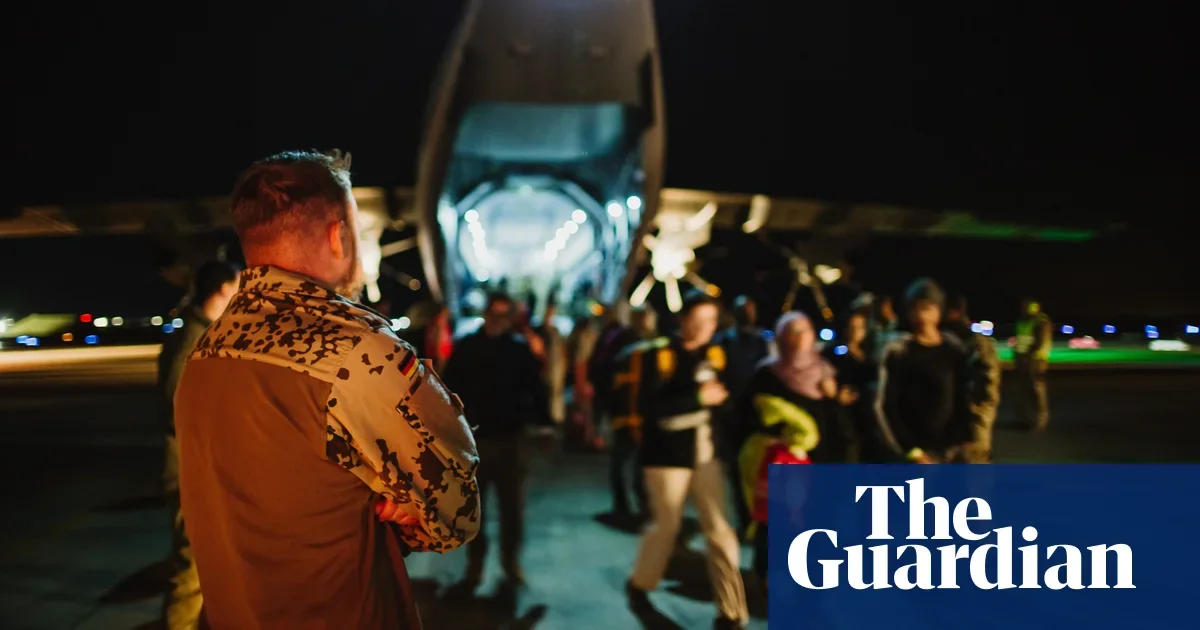
Eibhlin Priestley, a PhD candidate, was trapped in her apartment in Khartoum for four days during the conflict between Sudan's military and the Rapid Support Forces (RSF). She eventually escaped with the help of a family who risked their own safety to shelter her and her partner. The evacuation flight was organised by the German government, but Priestley received a pre-warning from the British government only after she had safely left Sudan. At least 420 people have died and thousands more have been injured since fighting broke out in mid-April.