LayerZero aims to connect fragmented blockchains with its omnichain technology, but its recent controversial airdrop and upcoming token unlocks pose challenges. While there's potential for ZRO to reach $20 if it secures major partnerships and market adoption, significant hurdles like token unlocks, competition, and regulation risks remain. The project's future success hinges on expanding its ecosystem and overcoming these obstacles.
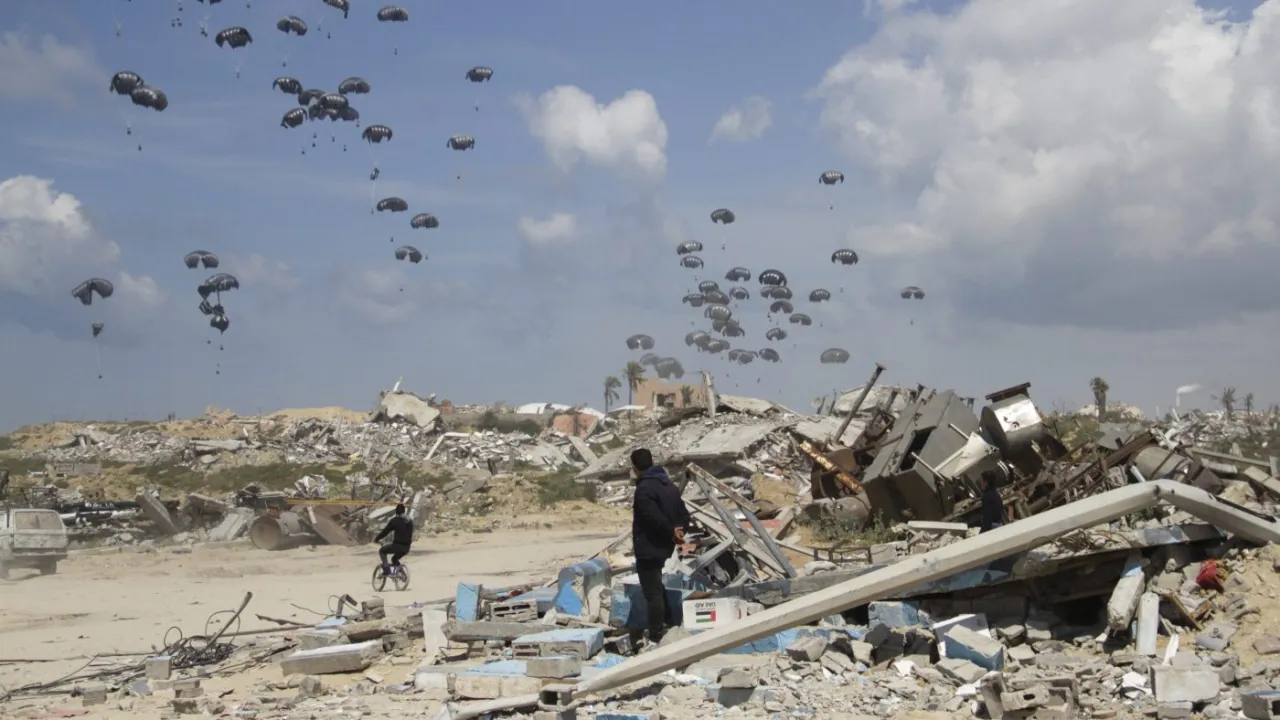
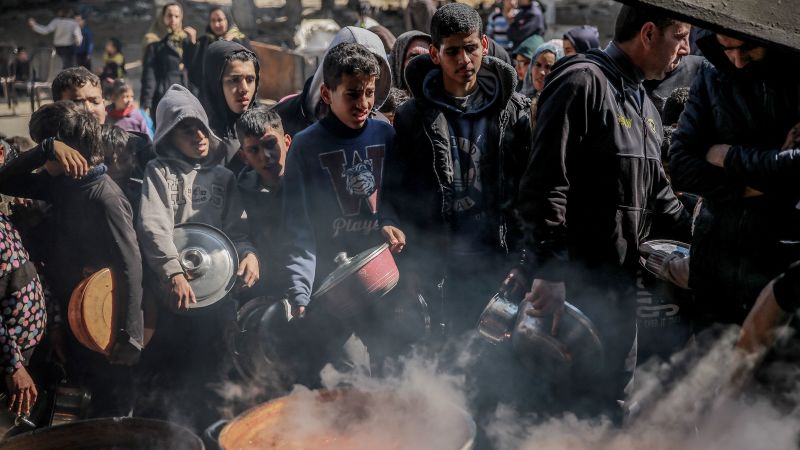
Airdrops of humanitarian aid in Gaza have led to fatal fights and chaos as desperate residents compete for much-needed assistance, with reports of deaths by stabbing and in stampedes. Critics argue that the airdrops are inefficient and primarily aimed at diverting public anger, as international powers fail to convince Israel to allow more aid to reach Gaza. Aid agencies stress that increased supplies coming in by land via Israel or Egypt are crucial, as only about a fifth of required supplies are currently entering Gaza.
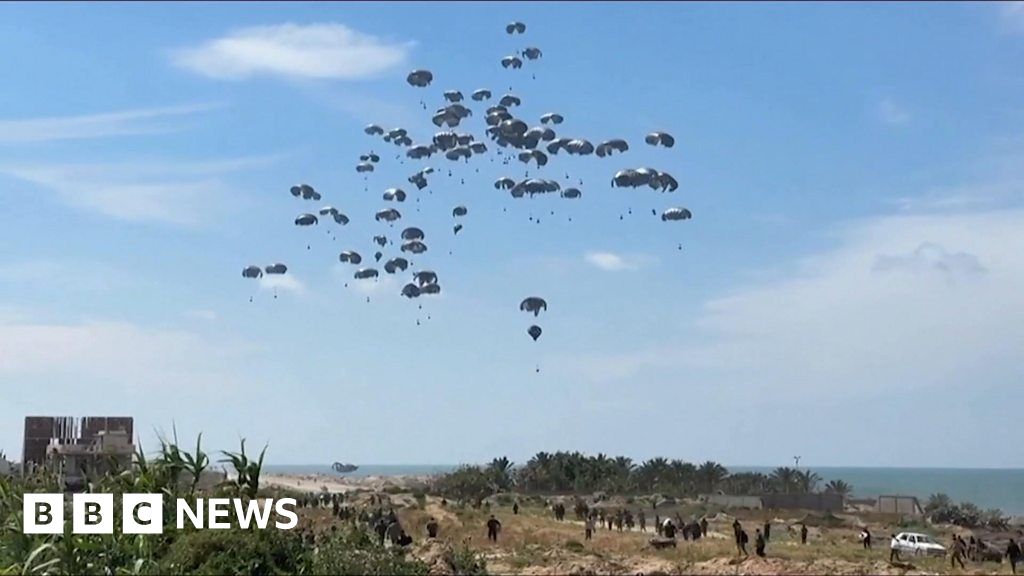
At least 12 Palestinians drowned off the coast of Gaza while attempting to retrieve humanitarian airdrops that had parachute malfunctions and fell into the water. The airdrops were conducted by multiple countries, including the United States, over Gaza on the same day. The Pentagon confirmed the parachute malfunctions but could not confirm the drownings. The incident highlights the growing humanitarian crisis in Gaza due to Israel's strict restrictions on aid, with more than 31,000 Palestinians killed and essential supplies depleted in the territory.
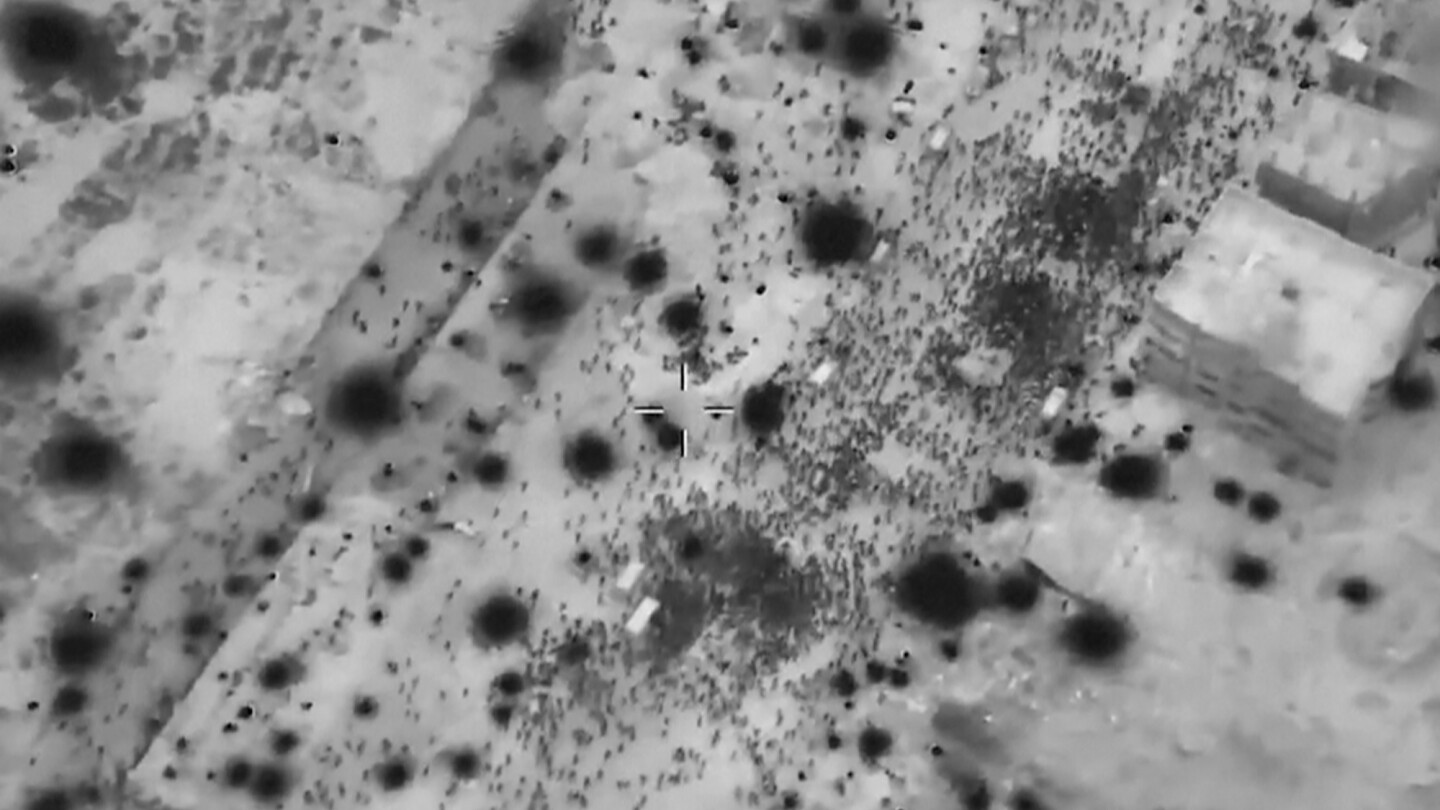
18 Palestinians in Gaza reportedly drowned or were trampled to death while attempting to collect airdropped aid, with 12 drowning in the sea and 6 being trampled in stampedes. The Hamas-run government has called for an immediate end to airdrops, deeming them offensive and useless, while video footage shows people rushing to the coast after aid was dropped near Beit Lahia. Israel, under pressure to allow more aid into Gaza via land, facilitated the airdrops, with the US and UK also participating in the aid efforts.
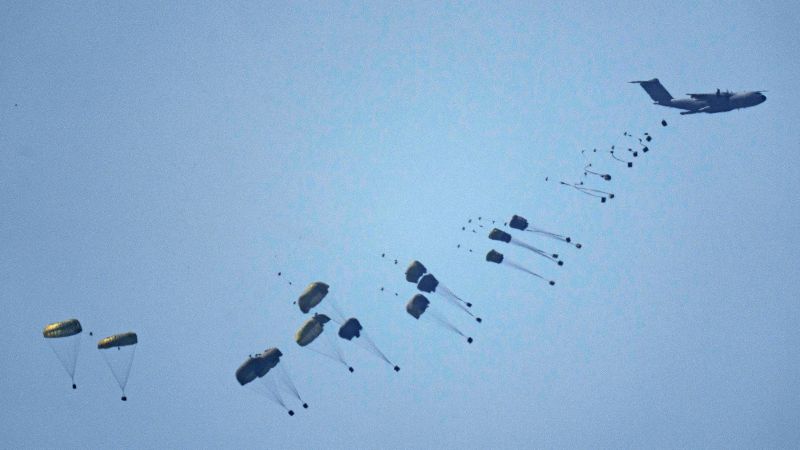
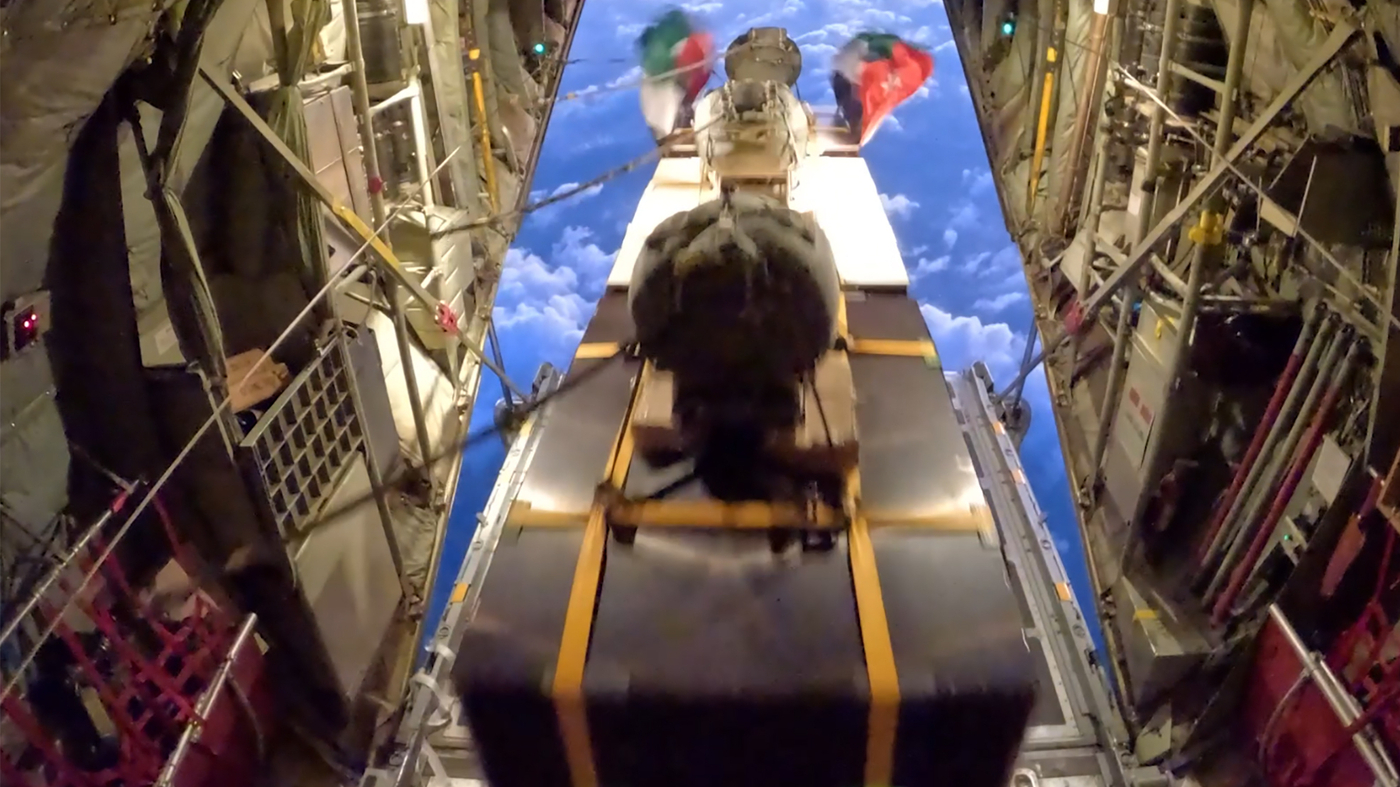
The U.S. Central Command conducted a humanitarian aid operation by airdropping 41,400 meal equivalents and 23,000 bottles of water into northern Gaza, where critical aid has been limited. The death toll in Gaza has risen to 30,960, with at least 72,524 people injured, and at least 23 people have died of malnutrition. The aid drop comes amid calls for a ceasefire and the release of Israeli hostages, with the U.S. planning follow-up aerial deliveries and an emergency mission to establish a temporary pier in Gaza to provide over 2 million meals per day. President Biden said the chances of securing a ceasefire deal before Ramadan are "tough."
The US has joined other countries in airdropping aid into Gaza to address the humanitarian crisis, but the effectiveness of this method has been questioned by the UN and aid agencies. Airdrops are costly, have limited capacity, and can lead to chaos on the ground. The challenges of delivering aid via road due to Israeli restrictions have prompted the use of airdrops, despite concerns from organizations like the UN. Experts and aid agencies are calling for a focus on pressuring Israel to allow more aid into Gaza via road, emphasizing that the issue is political rather than logistical.
The U.S. and Jordan conducted a second aid air drop into Gaza, following an initial drop over the weekend, as part of a sustained campaign to provide humanitarian assistance. Aid groups emphasize that air drops alone are insufficient given the scale of the crisis, with a quarter of Gaza's population on the brink of famine. Limited access to Gaza has prompted countries to resort to airdrops, as efforts to deliver aid by land face obstacles such as border crossings and Israeli military clearance.
The United States has initiated airdrops of emergency humanitarian assistance into Gaza, aiming to address the dire humanitarian situation in the Hamas-ruled territory amidst the Israel-Hamas conflict. The airdrops, coordinated with the Royal Jordanian Air Force, began on Saturday with 66 bundles containing about 38,000 meals dropped in southwest Gaza. President Biden's decision follows a deadly incident where Palestinians were killed while trying to access aid, prompting the U.S. to push for increased humanitarian assistance and explore additional ways to help. The U.S. acknowledges the complexity of ensuring aid reaches those in need and is also working on brokering a temporary cease-fire and establishing a maritime corridor for assistance.
The US has initiated airdrops of aid to Gaza following President Joe Biden's criticism of Israel's handling of the conflict with Hamas, marking a shift in the US approach to the situation.
The U.S. military has initiated airdrops of food over the Gaza Strip, aiming to provide humanitarian aid to the war-torn region. However, airdrops are a less-than-ideal means of aid delivery due to logistical challenges and potential risks associated with the process. The collapse in aid delivery to Gaza has led to devastating consequences, prompting the use of airdrops by several countries. While airdrops can deliver aid in smaller amounts and at a higher cost compared to ground delivery, concerns remain about the need for ground coordination, designated drop zones, and the type of aid being sent. The International Rescue Committee has emphasized that airdrops cannot substitute for humanitarian access, calling for the safe and unimpeded movement of aid to Gaza.
The United States conducted a first-ever airdrop of humanitarian aid into Gaza, with three C-130s dropping a total of 66 bundles of meals for the population. President Joe Biden had pledged to pull out all stops to increase aid flow into the besieged territory and insisted that Israel facilitate more trucks and routes for aid delivery. This move comes amid criticism from aid agencies about the effectiveness of airdrops in addressing the dire humanitarian situation in Gaza.
President Biden approves military airdrops of emergency humanitarian assistance into Gaza following a chaotic encounter that left over 100 Palestinians dead, with plans to coordinate with Jordan and explore additional aid delivery methods. The decision comes after Israeli troops opened fire on a crowd attempting to pull goods off an aid convoy, leading to widespread casualties. The U.S. aims to alleviate Palestinian suffering and increase aid delivery, while also addressing the need for a cease-fire between Israel and Hamas.
President Biden announced that the US will start air dropping food aid into Gaza to address the deepening humanitarian crisis, as Israel resists opening more land crossings. The airdrops are a temporary relief measure, with the US pushing for a ceasefire and increased aid flow. The Israeli government's refusal to open more crossings has led to a critical aid shortage, prompting calls for immediate action. Discussions are also underway for a potential maritime corridor for aid, but logistical challenges remain.
As Gaza faces a humanitarian crisis with widespread need for aid, Jordanian air force pilots have been conducting airdrops of medical supplies, food, and other necessities. The airdrops, along with declining truckloads of aid entering the strip, are struggling to meet the desperate demand. The international community, including Western and Arab countries, has joined Jordan in providing aid, with the United States considering airdrops and deploying a hospital or aid ship. However, the real solution lies in opening the crossings and dramatically increasing the flow of assistance into Gaza.