South Africa, Eswatini, and Zambia have begun using a groundbreaking HIV prevention injection, lenacapavir, which reduces transmission risk by over 99.9% and is administered twice a year, marking a significant advancement in HIV prevention efforts in Africa, though access and cost remain challenges.
Jamaica is considering a pilot program for the FDA-approved injectable HIV drug lenacapavir, which could significantly improve adherence and prevention efforts, especially among young people, with plans for free access in the public health system and potential scaling up based on pilot outcomes.
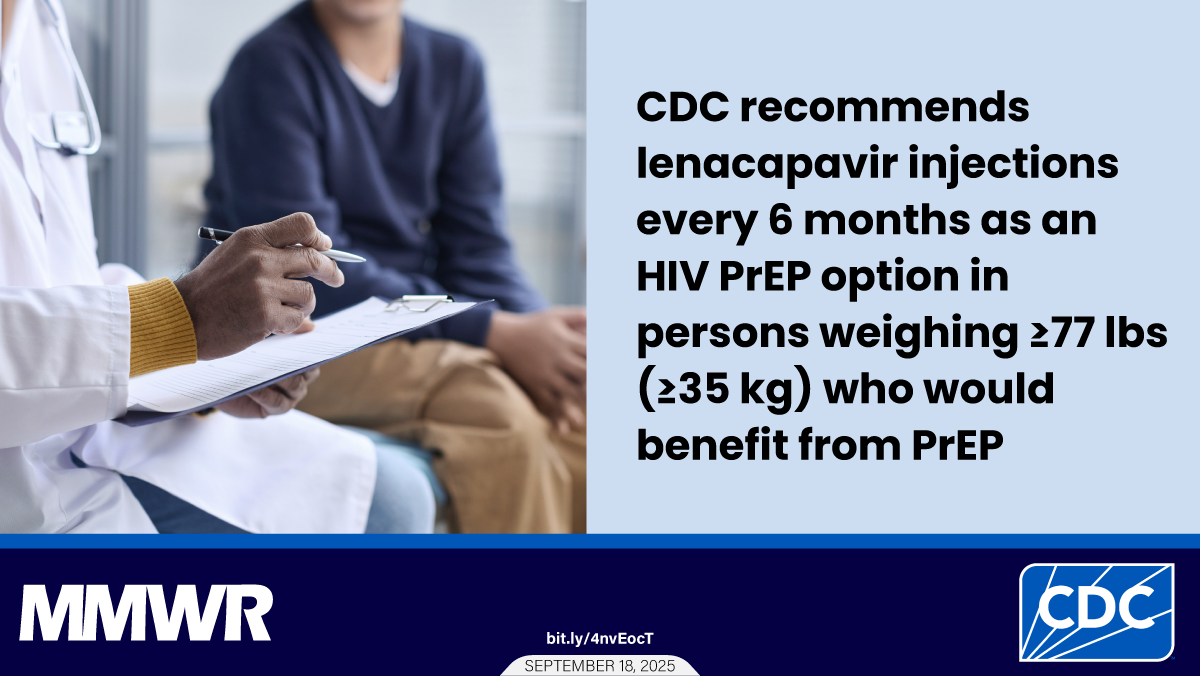
The CDC strongly recommends the use of injectable lenacapavir, administered every 6 months, as an effective and safe option for HIV preexposure prophylaxis in persons weighing at least 35 kg, based on high-certainty evidence from clinical trials showing near 100% efficacy in preventing HIV infection.
The FDA approved Gilead's twice-yearly HIV prevention injection, Yeztugo, which could significantly improve prevention efforts due to its convenience and high efficacy, but its impact may be hindered by potential federal funding cuts and access issues, especially among underserved populations.