Tag

Infrared Images

All articles tagged with #infrared images

astronomy2 years ago

"James Webb Telescope Uncovers Surprising Shapes of Early Galaxies"

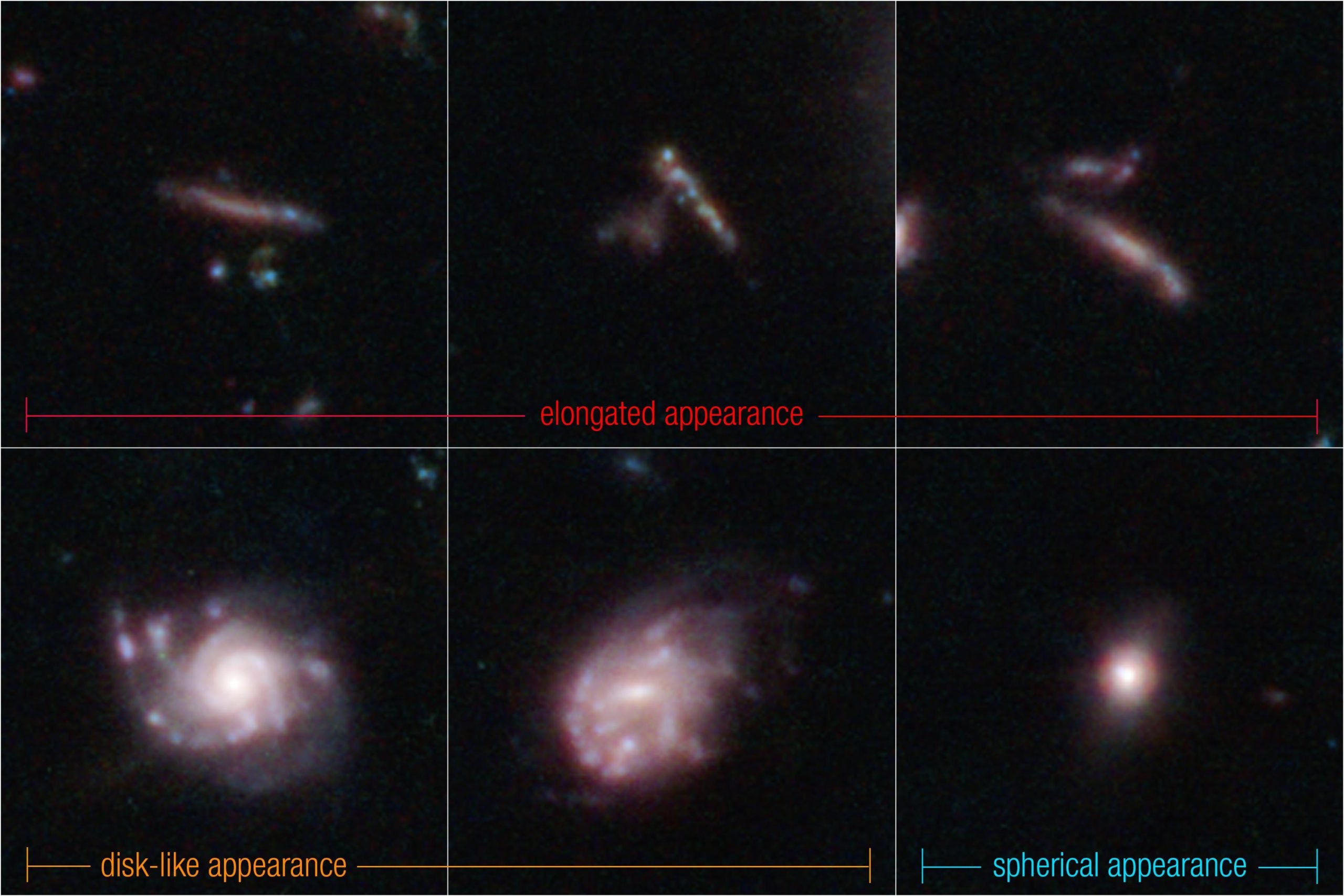
NASA's James Webb Space Telescope has discovered that galaxies in the early universe often had elongated shapes resembling surfboards and pool noodles, rather than round forms. This finding, based on near-infrared images from the CEERS Survey, challenges previous assumptions about the structure of early galaxies and provides new insights into their 3D geometries. The telescope's observations also revealed that these elongated galaxies were more common in the early universe, with implications for understanding the evolution of galaxy shapes over cosmic time.
astronomy2 years ago

"James Webb Telescope Reveals Early Galaxies Shaped Like Pool Noodles and Surfboards"

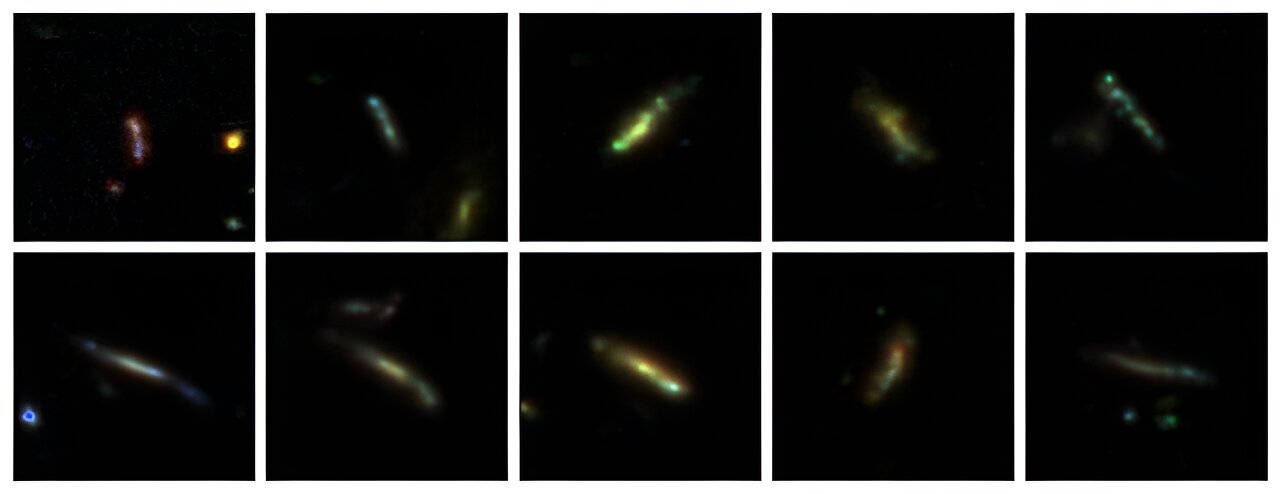
Analysis of images from NASA's James Webb Space Telescope suggests that galaxies in the early universe were often flat and elongated, resembling breadsticks, rather than round like balls of pizza dough. These findings challenge previous assumptions about the shapes of early galaxies and provide new insights into their formation and evolution. The research also indicates that the Milky Way may have appeared more like a breadstick billions of years ago. The study, based on near-infrared images from the Cosmic Evolution Early Release Science Survey, reveals that these distant galaxies are less massive and are precursors to more massive galaxies like our own. The elongated shape of these early galaxies may be linked to the presence of filaments of dark matter in the early universe.

astronomy2 years ago

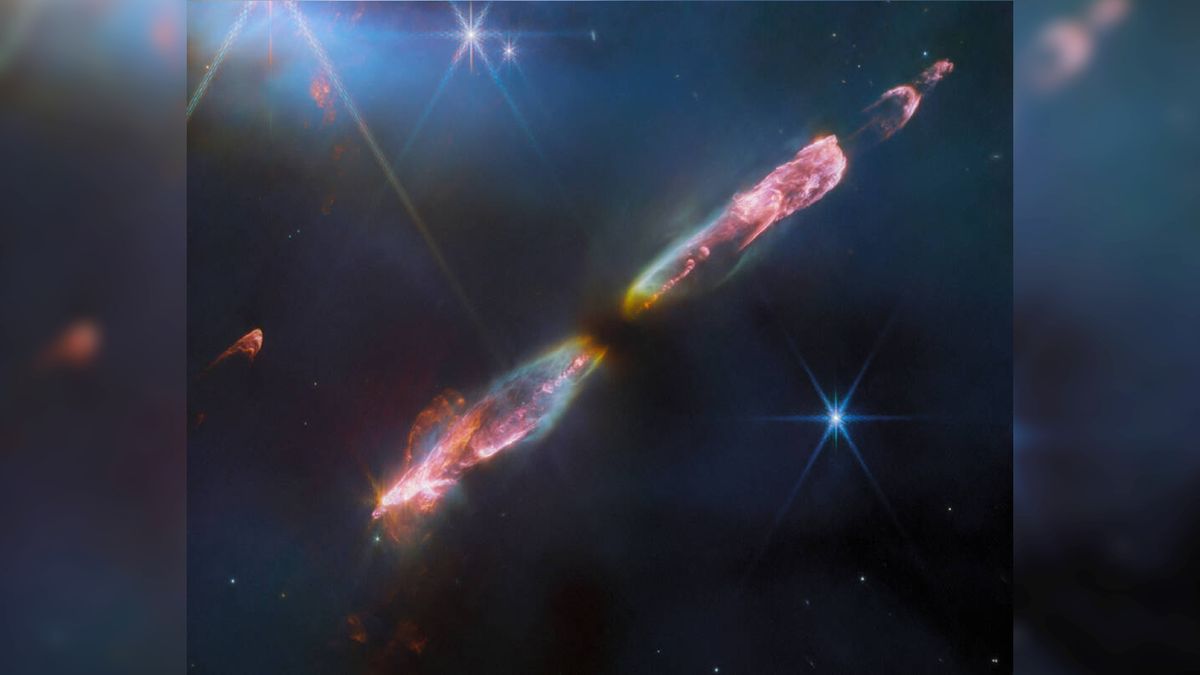
"JWST Captures Mesmerizing Image of Rainbow 'Lightsaber' Shockwaves from Newborn Sun-like Star"

The James Webb Space Telescope (JWST) has captured stunning images of a newborn sun-like star, HH 211, emitting supersonic streams of gas and dust that create vibrant shockwaves resembling lightsabers. The protostar, located in the Perseus constellation, is surrounded by bipolar jets and is believed to be only a few thousand years old. The infrared images reveal that the jets are primarily composed of molecules, such as carbon monoxide and silicon monoxide, rather than individual atoms or ions. The high-resolution photo also shows the presence of "wiggling" tendrils of gas and dust, suggesting the possibility of an unresolved binary star system. JWST's detailed observations provide valuable insights into the formation and composition of cosmic structures.

space-science2 years ago

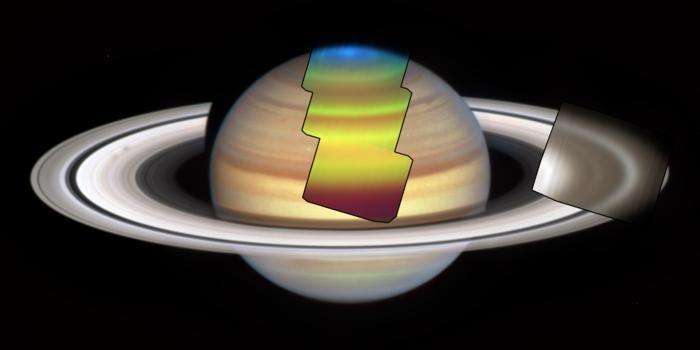
"James Webb Space Telescope Unveils Stunning Images of Saturn's Changing Seasons"

The James Webb Space Telescope has captured stunning new images of Saturn, providing insights into the planet's seasonal changes as summer transitions into fall in its northern hemisphere. The infrared images reveal a cooling trend and the reversal of air flows, indicating the approaching autumnal equinox. The data collected by Webb's MIRI instrument allows scientists to measure temperatures, gases, chemicals, and clouds at various levels of Saturn's atmosphere. These early results highlight the potential of the Webb Telescope in the field of planetary astronomy, offering a glimpse into previously inaccessible wavelengths of light and paving the way for future discoveries.

astronomy2 years ago

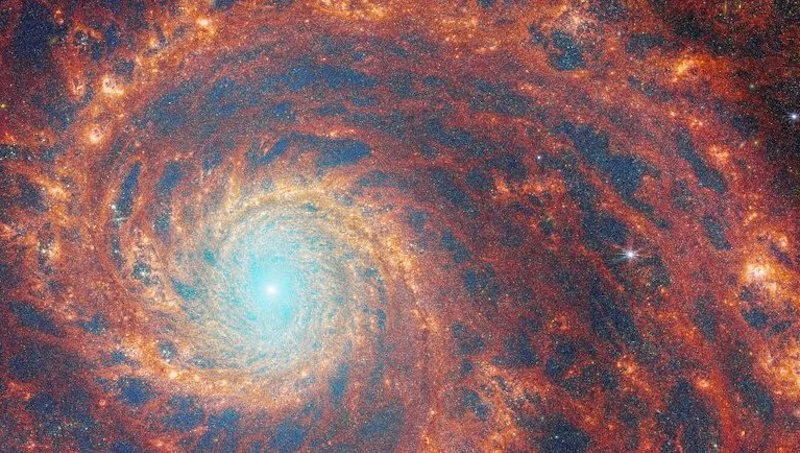
"Jaw-Dropping Webb Images Reveal Whirlpool Galaxy's Beauty"

The James Webb Space Telescope has captured stunning new infrared images of the Whirlpool galaxy, a grand-design spiral galaxy located 27 million light-years from Earth. The images reveal intricate details of the galaxy's spiral arms, warm dust regions, ionized gas, and bright knots of material. The composite image, a combination of near-infrared and mid-infrared images, showcases the beauty of the Whirlpool galaxy. These images are part of the Feedback in Emerging extrAgalactic Star clusTers (FEAST) project, which studies star formation and stellar feedback in galaxies outside of the Milky Way. The observations provide insights into the formation of new stars, the pollution of metallic elements, and the creation of new planets.