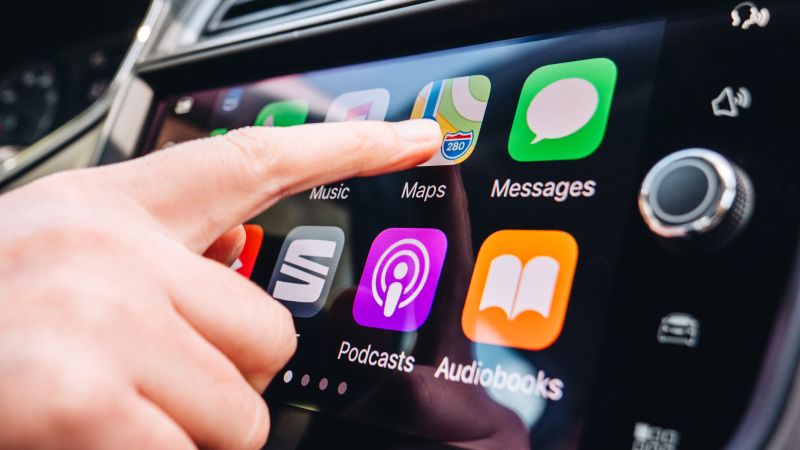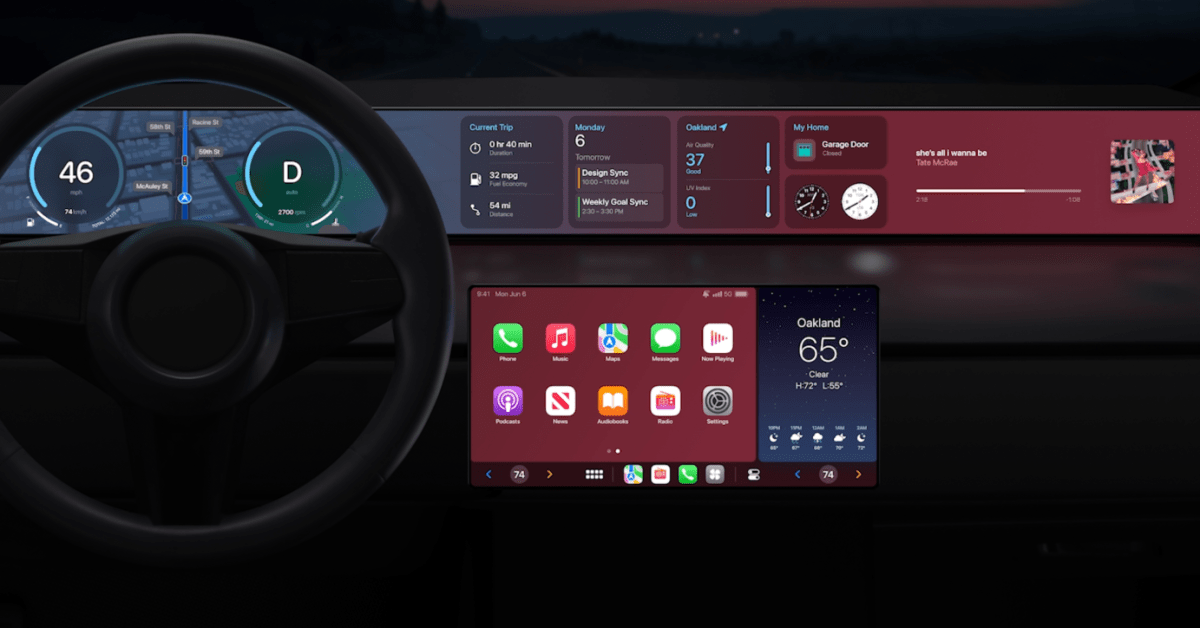
Porsche's first hybrid 911, the 2025 Carrera GTS, will not feature the next-gen CarPlay experience announced by Apple in 2022. Instead, it will have a similar setup to other recent Porsche models, with CarPlay integrated into the digital instrument cluster but not controlling core functions. The hybrid 911 will also have limited electric capabilities, using a small battery to power an electric turbocharger and AC system.
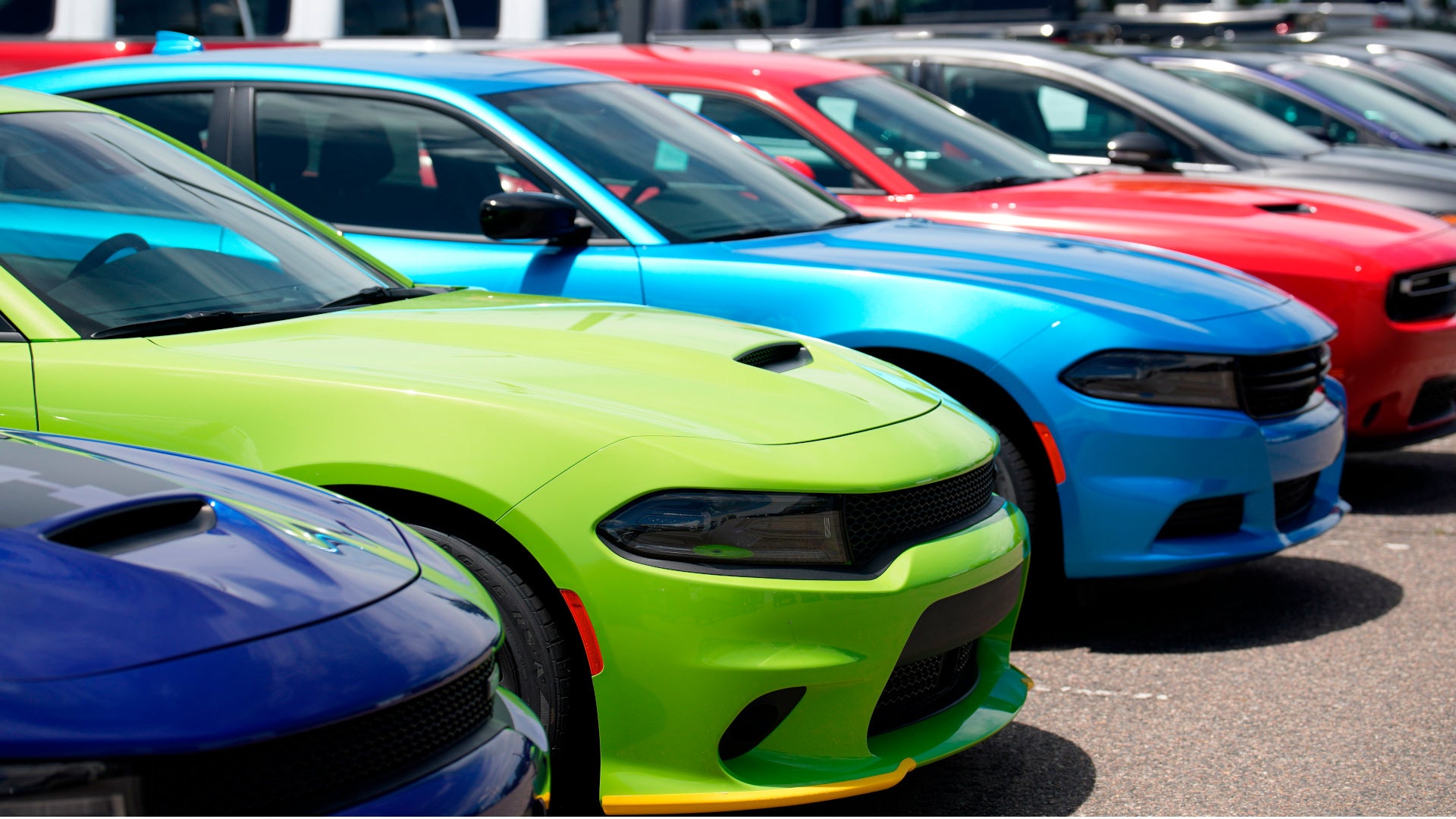
According to J.D. Power's latest survey, customer satisfaction with new vehicles is declining, marking the first consecutive year-on-year decline in 28 years. The study reveals that consumers are particularly dissatisfied with the looks of new cars and the functionality of infotainment systems. Hyundai Motor Group won the most class victories, with Kia models dominating. Cars equipped with the Android Automotive Operating System (AAOS) and Google Automotive Services (GAS) scored well in terms of infotainment satisfaction. Jaguar and Dodge were the top performers in the premium and mass market sectors, respectively. Overall, automakers should take note of consumer preferences and work towards meeting their expectations.
Nvidia and MediaTek have announced a partnership to develop technology for advanced vehicle infotainment systems that can stream video or games and interact with drivers through artificial intelligence. The partnership will integrate Nvidia software and a graphic processing unit chiplet into the system-on-chips provided by MediaTek to automakers for infotainment displays. The feature will be compatible with automated driving systems based on Nvidia technology. The first products are expected to be released in late 2025.
Nvidia and MediaTek have announced a partnership to develop technology for advanced vehicle infotainment systems that can stream video or games or interact with drivers using artificial intelligence. Under the agreement, MediaTek will integrate an Nvidia graphic processing unit chiplet and Nvidia software into the system-on-chips it supplies to automakers for infotainment displays. In-vehicle displays and entertainment systems are becoming more complex as automakers add features such as gaming, artificial intelligence for voice-activated features, driver monitoring systems and displays related to automated driving.
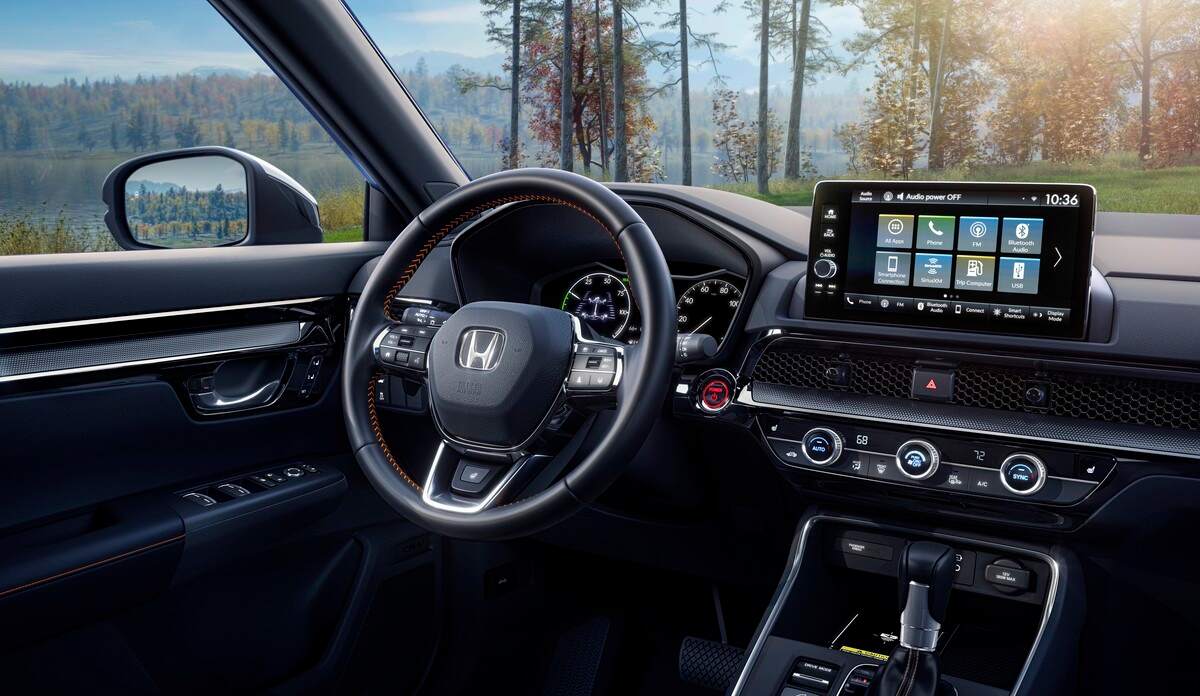
Some automakers are beginning to listen to consumer feedback and bring back physical buttons in their vehicles' infotainment systems, as many drivers find touchscreens distracting and dangerous. Porsche is leading the way with the 2024 Cayenne featuring buttons, and Volkswagen has acknowledged that consumer feedback played a role in this decision. However, many automakers are still focused on cutting costs and may not follow this trend unless it becomes financially beneficial.
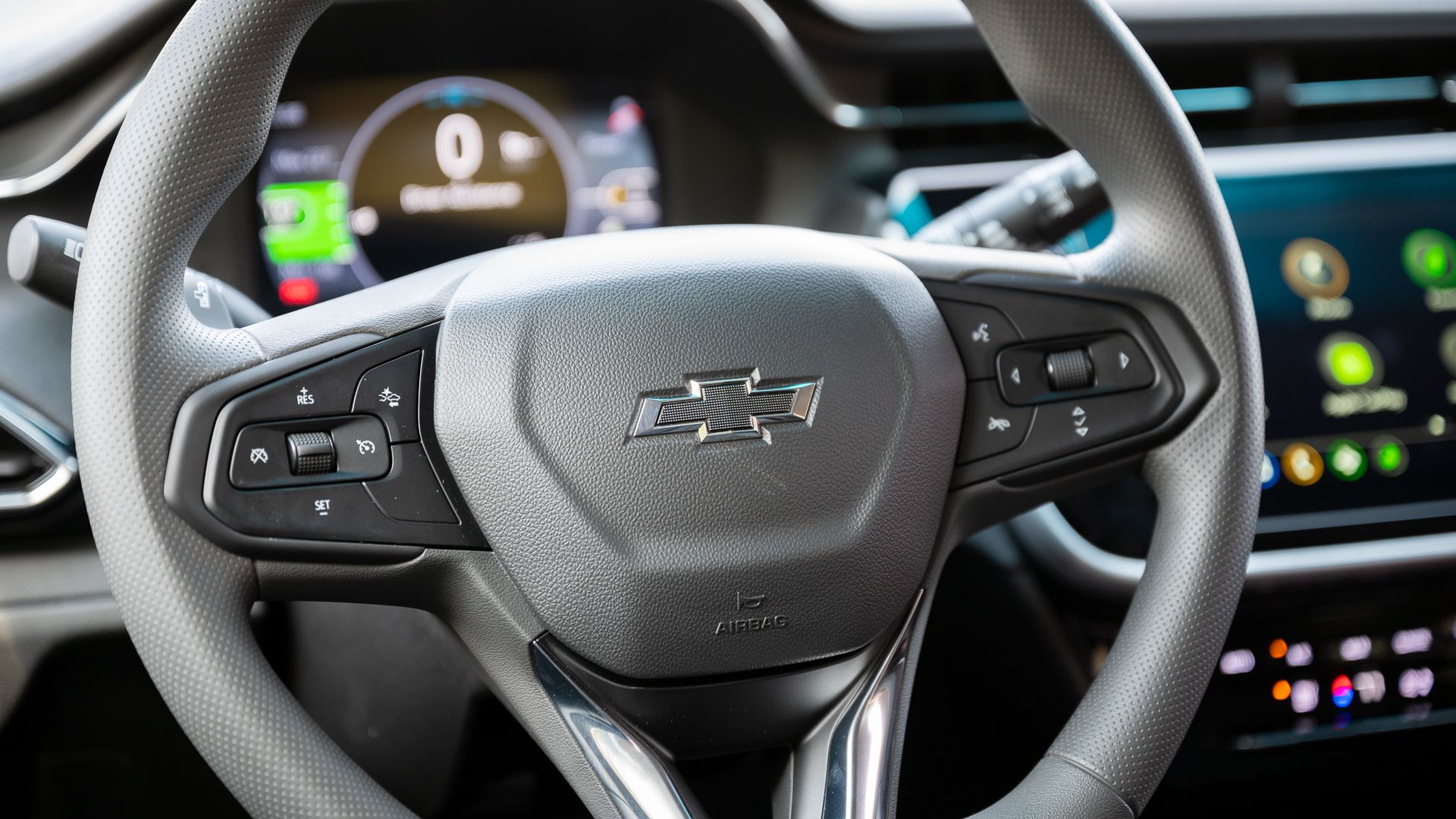
General Motors plans to phase out Apple CarPlay and Android Auto technologies in future electric vehicles, starting with the 2024 Chevrolet Blazer, shifting instead to built-in infotainment systems developed with Google. GM's decision could help the automaker capture more data on how consumers drive and charge EVs. GM is designing the on-board navigation and infotainment systems for future EVs in partnership with Alphabet's Google. Buyers of GM EVs with the new systems will get access to Google Maps and Google Assistant, a voice command system, at no extra cost for eight years.
General Motors plans to phase out Apple CarPlay and Android Auto technologies in its future electric cars, starting with the 2024 Chevrolet Blazer, and shift to built-in infotainment systems developed with Google. The move could help GM capture more data on how consumers drive and charge EVs while serving as a setback for Apple in its bid to capture more real estate on vehicle dashboards in North America. GM is designing the onboard navigation and infotainment systems for future EVs in partnership with Google, which dates back to 2019.
General Motors plans to ditch CarPlay and Android Auto on its upcoming electric vehicles, starting with the Chevy Blazer EV. Instead, GM will use Google's newer "Android Automotive OS" developed specifically for electric vehicles. This move is similar to what we're seeing from Tesla and Rivian. Reports suggest those who buy a new GM EV will get Google Maps, Google Assistant, voice assistant commands, and more, free for eight years.