The article previews the most anticipated cars of 2026, including electric and hybrid supercars, luxury SUVs, and innovative models from brands like Ferrari, Bentley, BMW, and Lamborghini, highlighting their design, performance, and technological advancements.
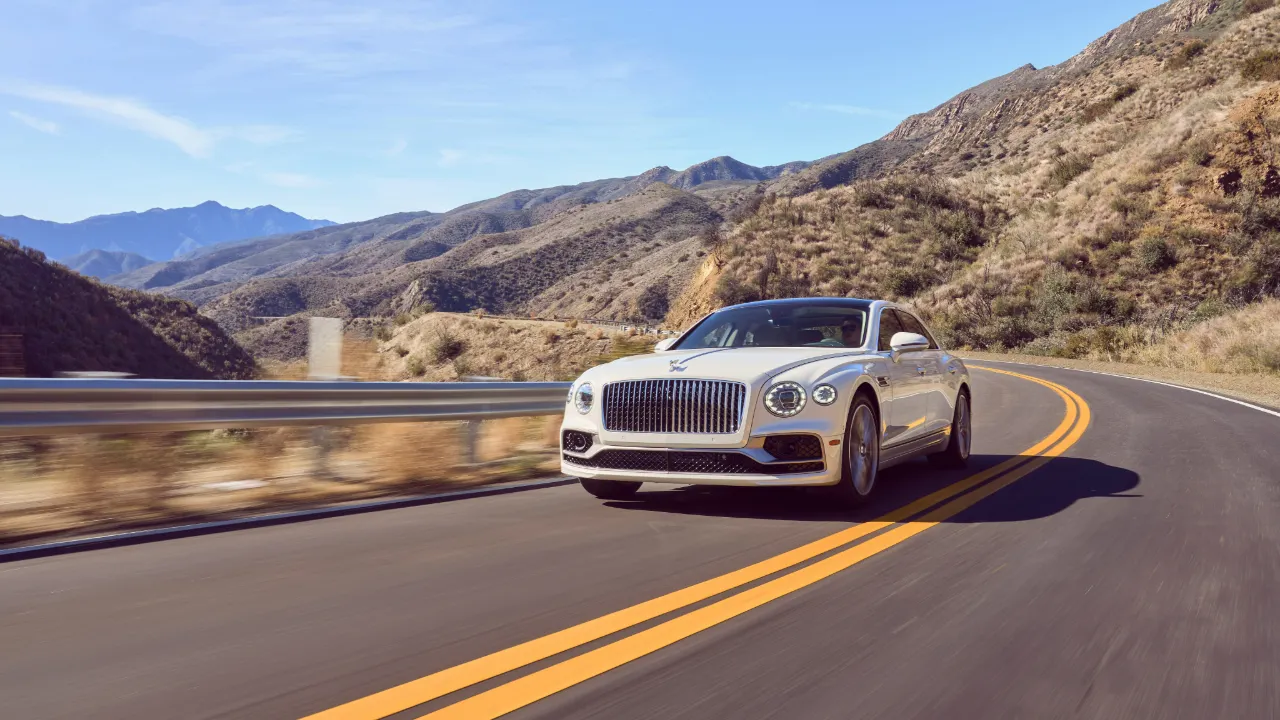
Bentley has announced a delay in its transition to an all-electric vehicle lineup, extending its timeline to 2035 under the "Beyond100+" strategy. Originally planning to switch to only battery electric vehicles by 2030, the luxury automaker will continue producing plug-in hybrid electric vehicles until 2035. Bentley aims to release a new PHEV or BEV model annually over the next decade, with its first fully-electric model, the "Luxury Urban SUV," set to debut in 2026. This decision reflects adjustments to current economic, market, and legislative conditions.
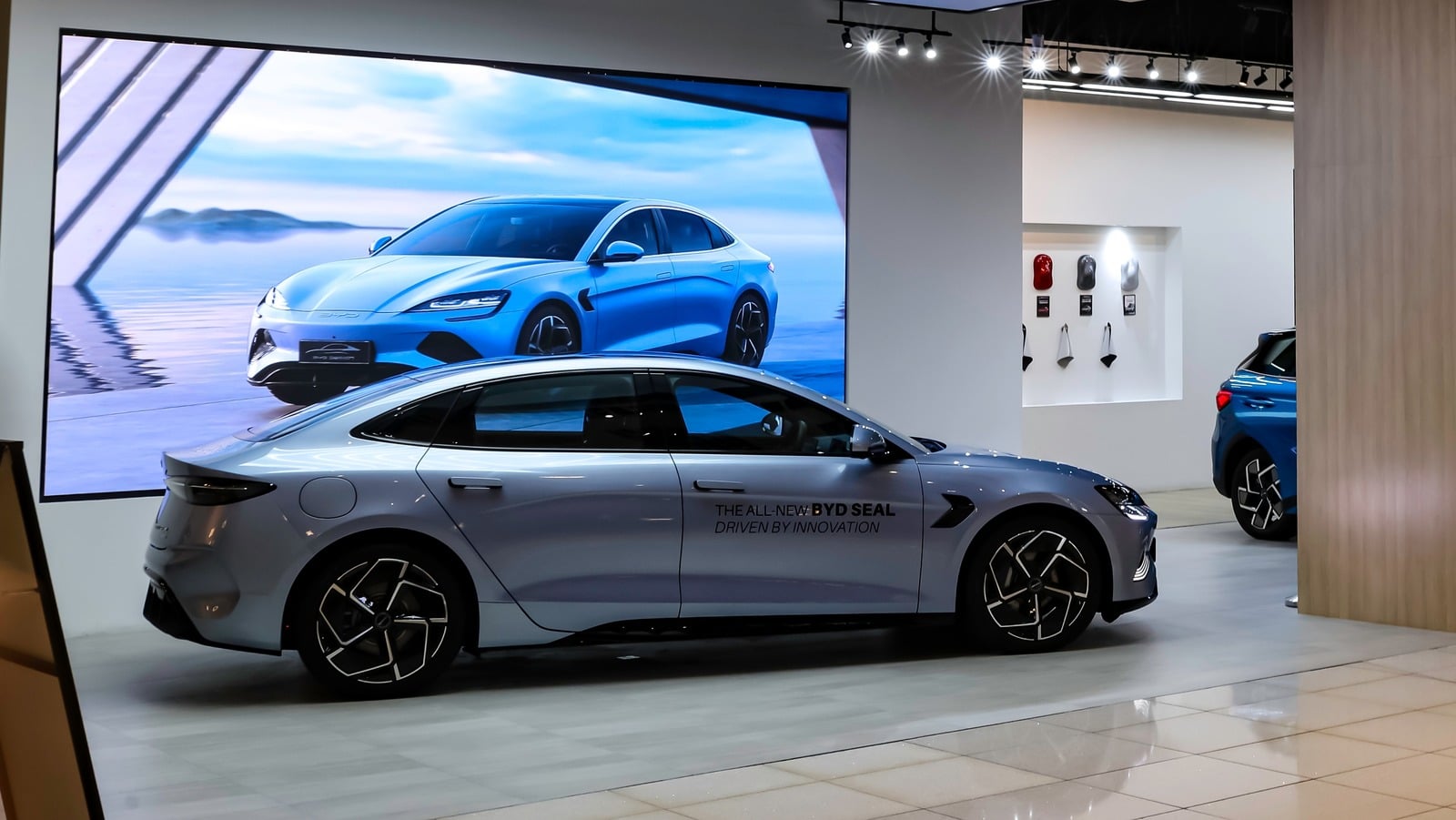
Chinese carmaker BYD, backed by Warren Buffett, has overtaken Tesla as the top seller of electric vehicles globally and is now challenging Toyota with a new hybrid powertrain. Despite Elon Musk's past mockery, BYD's affordable and innovative models are gaining significant market share, especially in China, the world's largest auto market. Tesla faces increasing competition overseas due to its higher prices and lack of recent innovations, while BYD's hybrids offer a practical alternative amid insufficient EV infrastructure in the US.
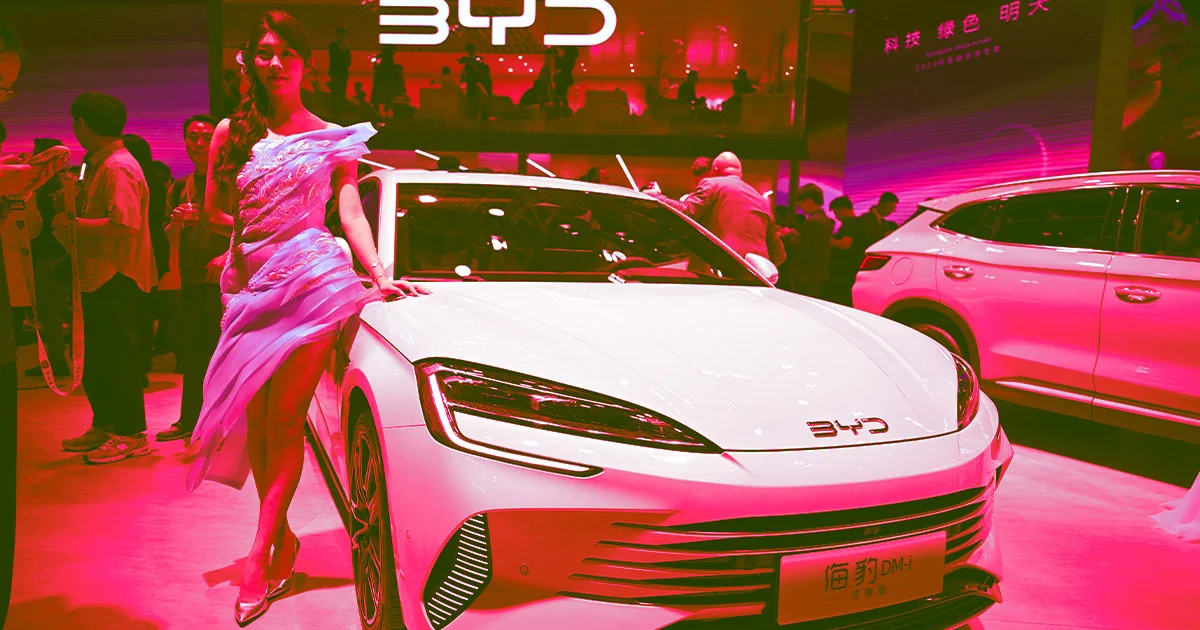
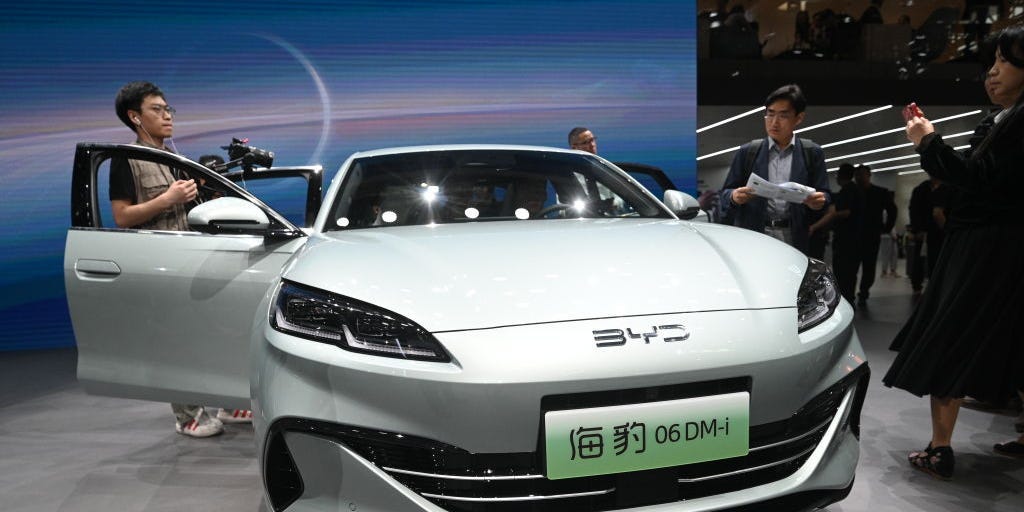
Chinese automaker BYD claims its new hybrid powertrain can achieve over 1,250 miles on a single charge and refuel, significantly outpacing competitors like the Toyota Camry Hybrid and Tesla Model 3 Long Range. These hybrids, debuting in the Qin L and Seal 06 models, are priced under $13,800 domestically. However, due to recent tariffs, Americans may face higher costs if they wish to purchase these vehicles. Despite the optimistic range figures based on China's CLTC driving cycle, BYD's hybrids still promise substantial range advantages, potentially easing range anxiety for consumers.
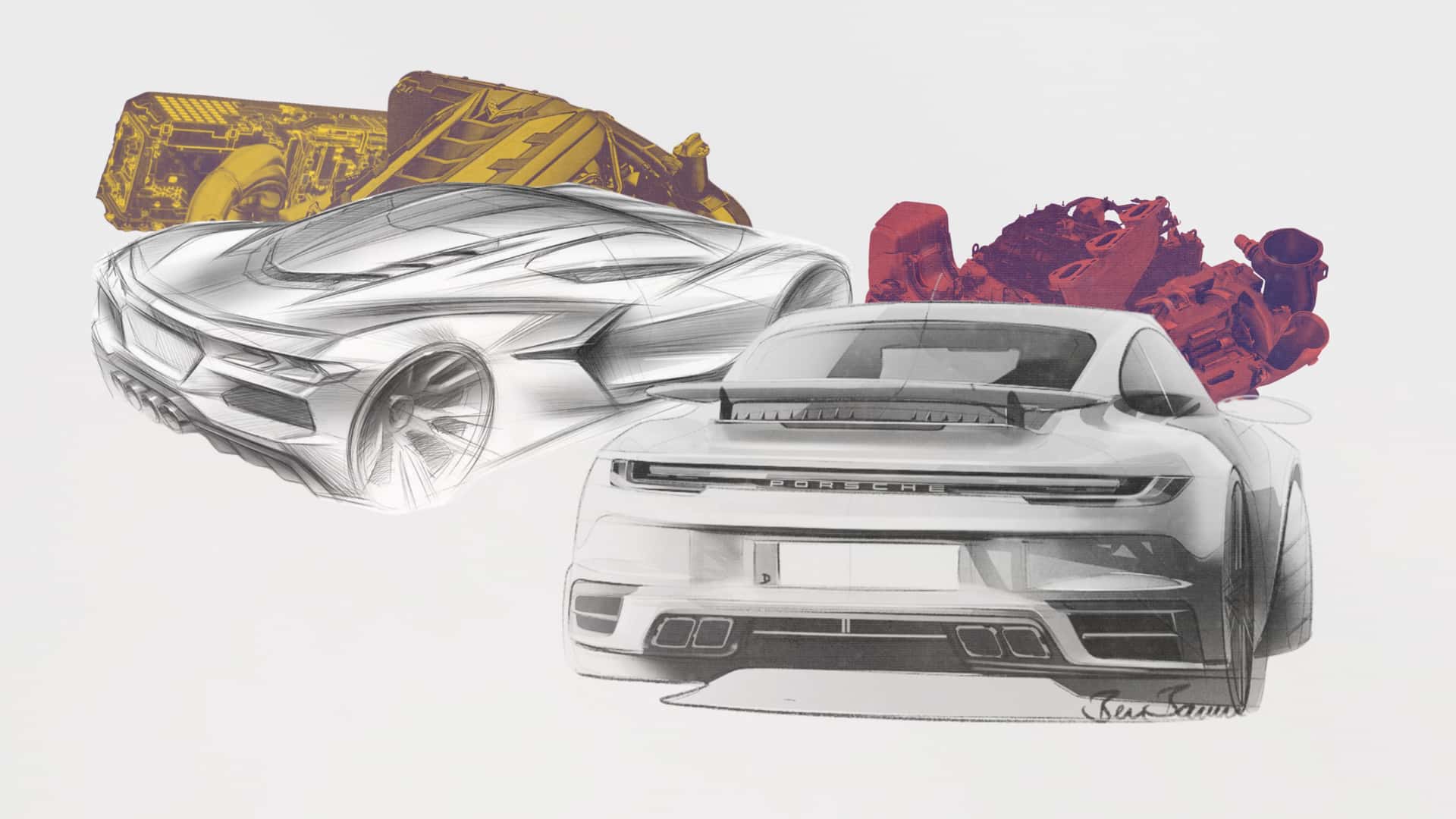
The Chevrolet Corvette E-Ray and Porsche 911 GTS showcase two distinct approaches to hybridization. Both cars feature similar battery capacities and single electric motors but differ in their execution. The Corvette uses a simpler, cost-effective system with high-current pouch cells, while the Porsche employs a more complex setup with cylindrical cells and an F1-style electric turbocharger. These differences highlight each automaker's unique engineering priorities and the evolving landscape of performance hybrids.
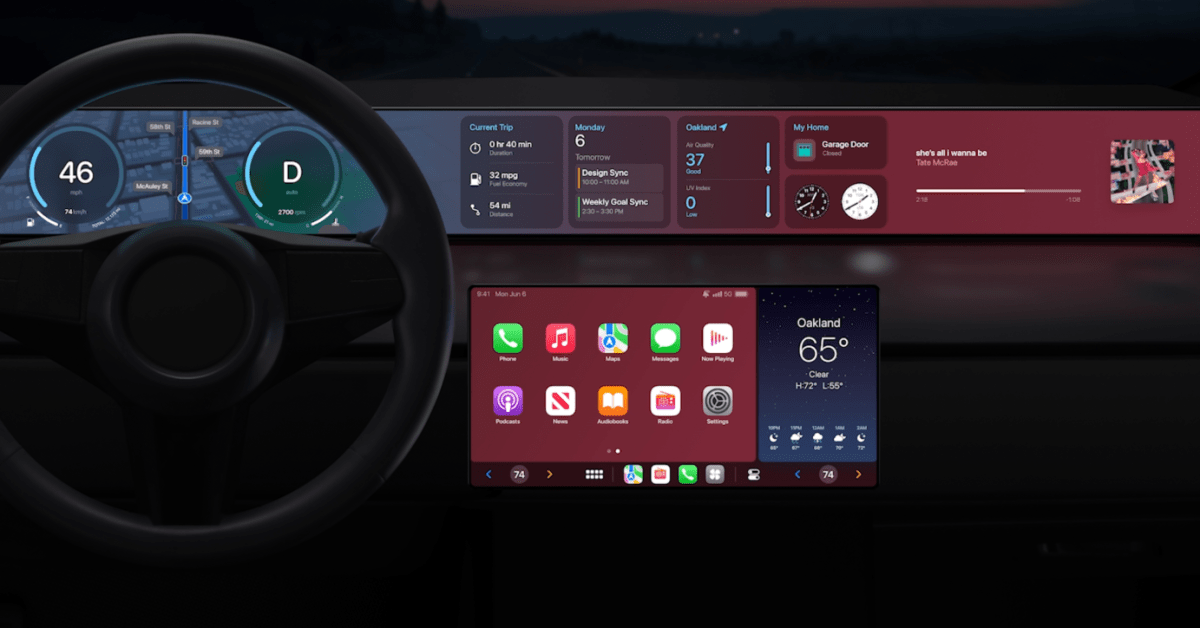
Porsche's first hybrid 911, the 2025 Carrera GTS, will not feature the next-gen CarPlay experience announced by Apple in 2022. Instead, it will have a similar setup to other recent Porsche models, with CarPlay integrated into the digital instrument cluster but not controlling core functions. The hybrid 911 will also have limited electric capabilities, using a small battery to power an electric turbocharger and AC system.
Chinese automaker BYD has unveiled a new hybrid platform boasting a range of over 1,200 miles, significantly surpassing current competitors, including Tesla. The fifth-generation DM hybrid powertrain was tested under challenging conditions and achieved impressive fuel efficiency. BYD, which has already surpassed Tesla in EV shipments, continues to expand its diverse portfolio, including luxury and budget models.
Chinese automaker BYD claims its new hybrid powertrain system allows cars to travel 1,250 miles without refueling or charging, significantly surpassing the range of current hybrids. This advancement could further boost the popularity of hybrids, which are already favored for their fuel efficiency and lower costs compared to fully electric vehicles. However, BYD cars are not expected to be available in the US market soon.
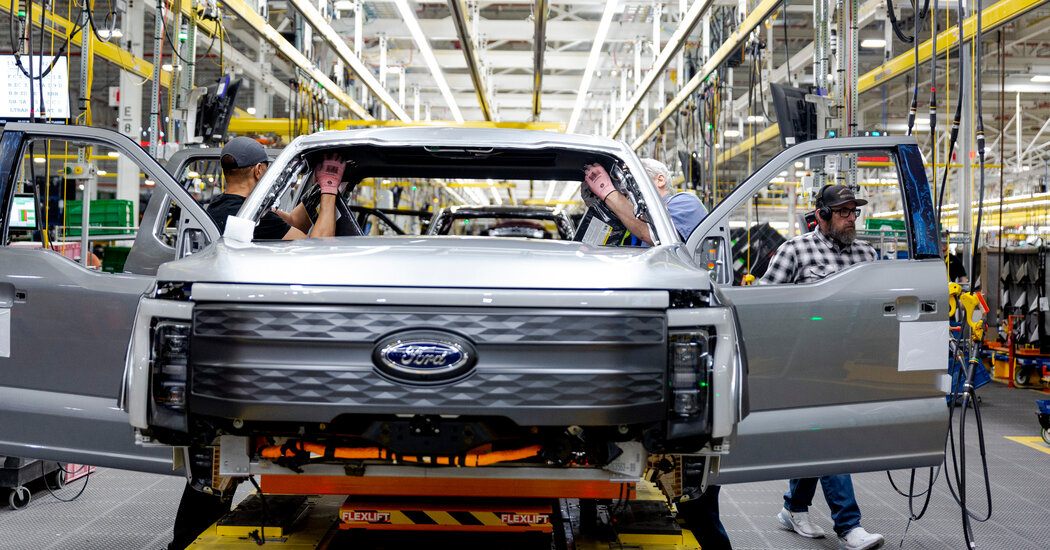
Ford Motor delays production of new electric cars and shifts focus to making more hybrid vehicles, following the trend of other automakers like General Motors and Mercedes-Benz. The decision reflects the challenges in making and selling electric cars profitably, as sales have slowed due to high costs, limited charging infrastructure, and consumer preference for hybrid cars, which offer better fuel economy and easier adaptation for consumers. Ford aims to offer a hybrid version of every model it sells by the end of the decade.
Toyota's hybrid car sales in the U.S. have surged by 57 percent, outpacing its electric vehicle growth, with models like the Prius Prime, Camry Hybrid, Crown, and Rav4 Hybrid driving the increase. Meanwhile, General Motors experienced a 1.5 percent dip in overall sales despite strong truck sales and a significant increase in Cadillac Lyriq EV sales. Chinese electronics giant Xiaomi has begun deliveries of its first electric car, the SU7, with over 100,000 orders received, while workers at Mercedes-Benz's Alabama plant are filing for a unionization vote.
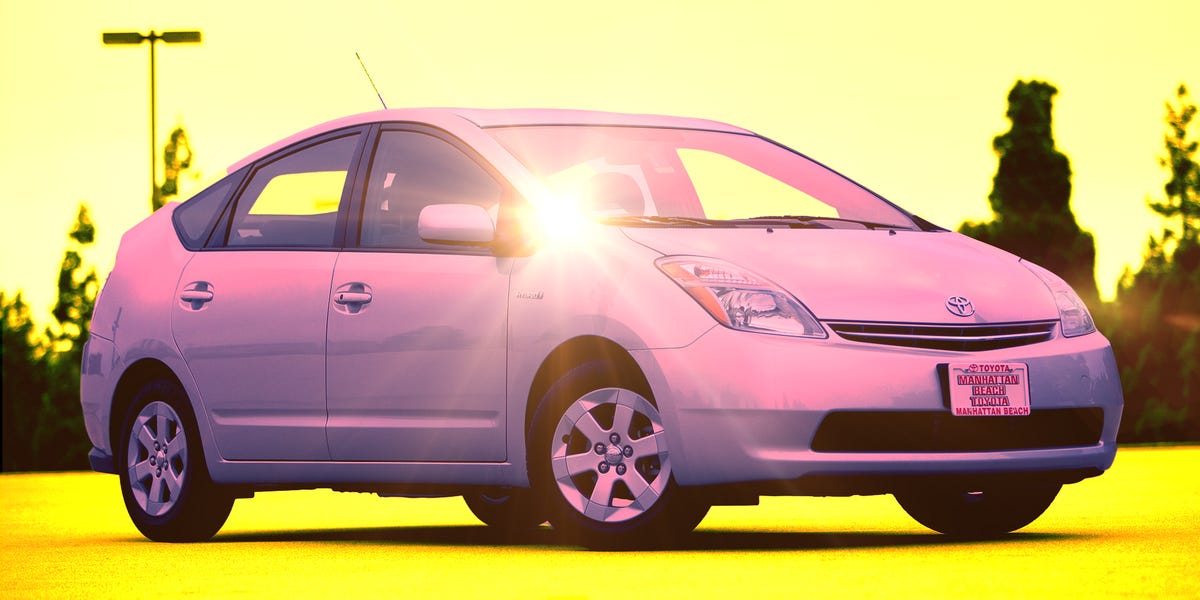
Toyota, the pioneer of hybrid cars, is experiencing a resurgence in demand for its hybrid vehicles as the popularity of battery-electric vehicles wanes. Despite criticism for its limited electric car offerings, Toyota's focus on hybrids has positioned it as a top choice for EV shoppers, surpassing Ford and Tesla in consideration. With hybrid sales outpacing EV sales and a growing preference for hybrids among consumers, Toyota's strategy appears to be paying off, prompting competitors like GM to reintroduce hybrid options. This shift in consumer preference suggests that Toyota's long-term commitment to a "multipathway approach" to electric cars may have been the right strategy all along.
Toyota's early investment in hybrid cars appears to have been a prescient move as the automotive industry increasingly shifts towards sustainability and technology. With the growing focus on reducing emissions and improving fuel efficiency, Toyota's long-standing commitment to hybrid technology positions the company favorably in the evolving market landscape.
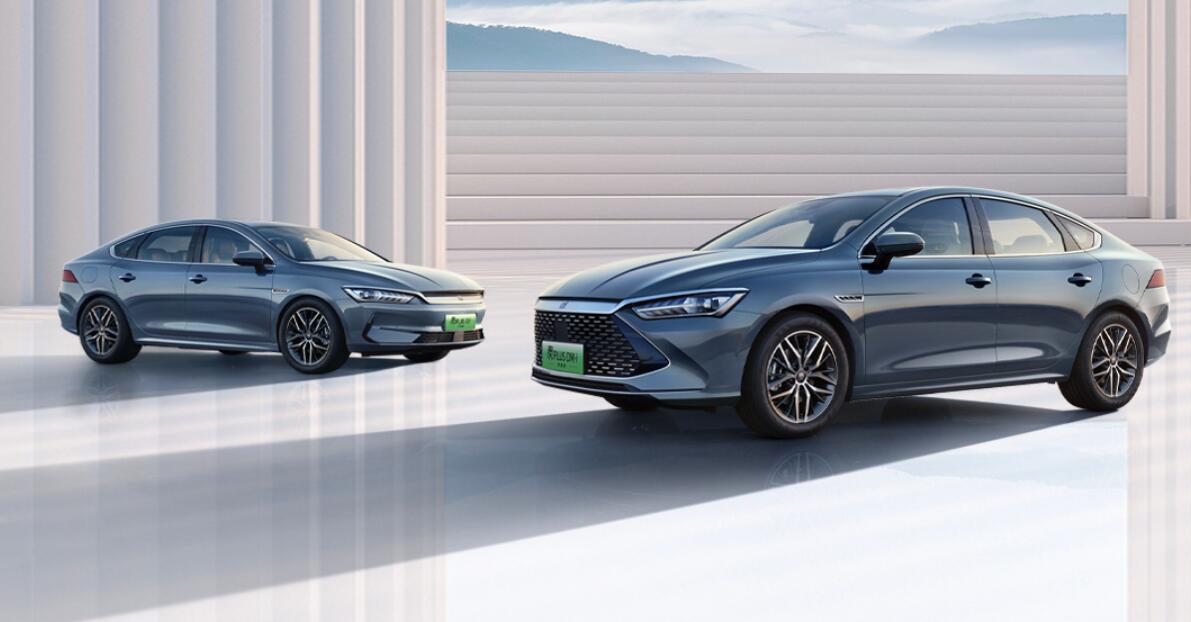
BYD has launched lower-priced variants of its entry-level sedans, the Qin Plus Glory Edition and the Chaser 05 Glory Edition, with starting prices of RMB 79,800, undercutting traditional fuel models. This move marks the company's second strong offensive against fuel cars, aiming to disrupt the market. The NEV maker's EVs are priced lower than fuel cars, signaling a potential price war in the A-class market.
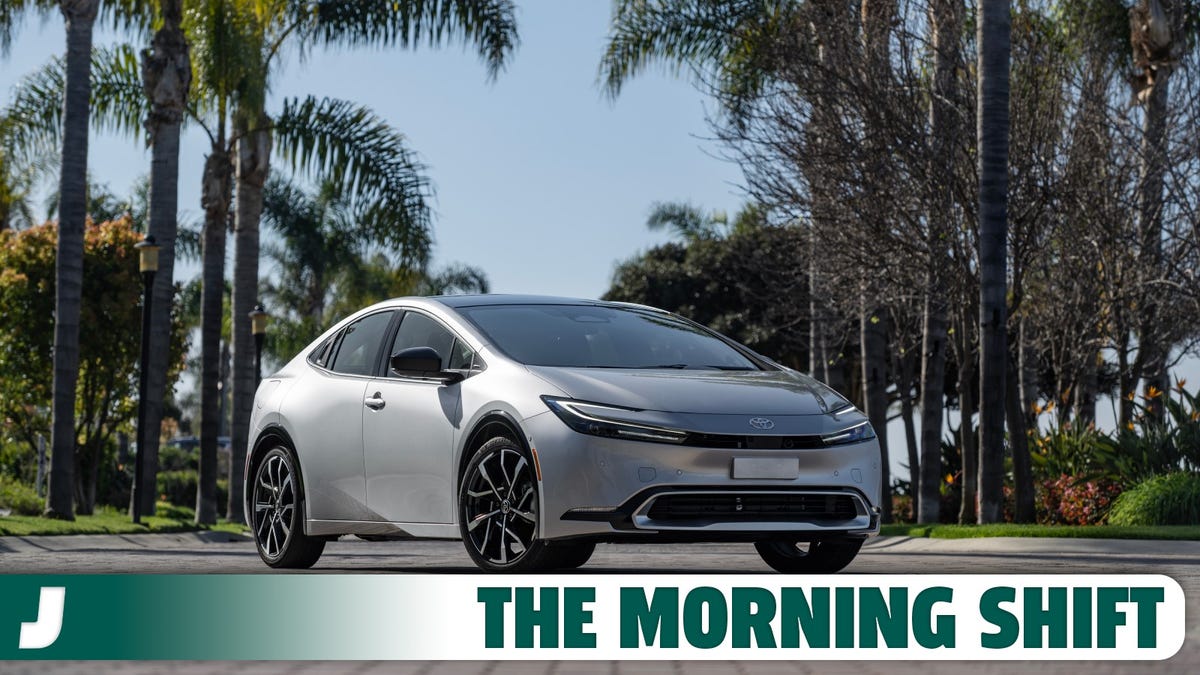
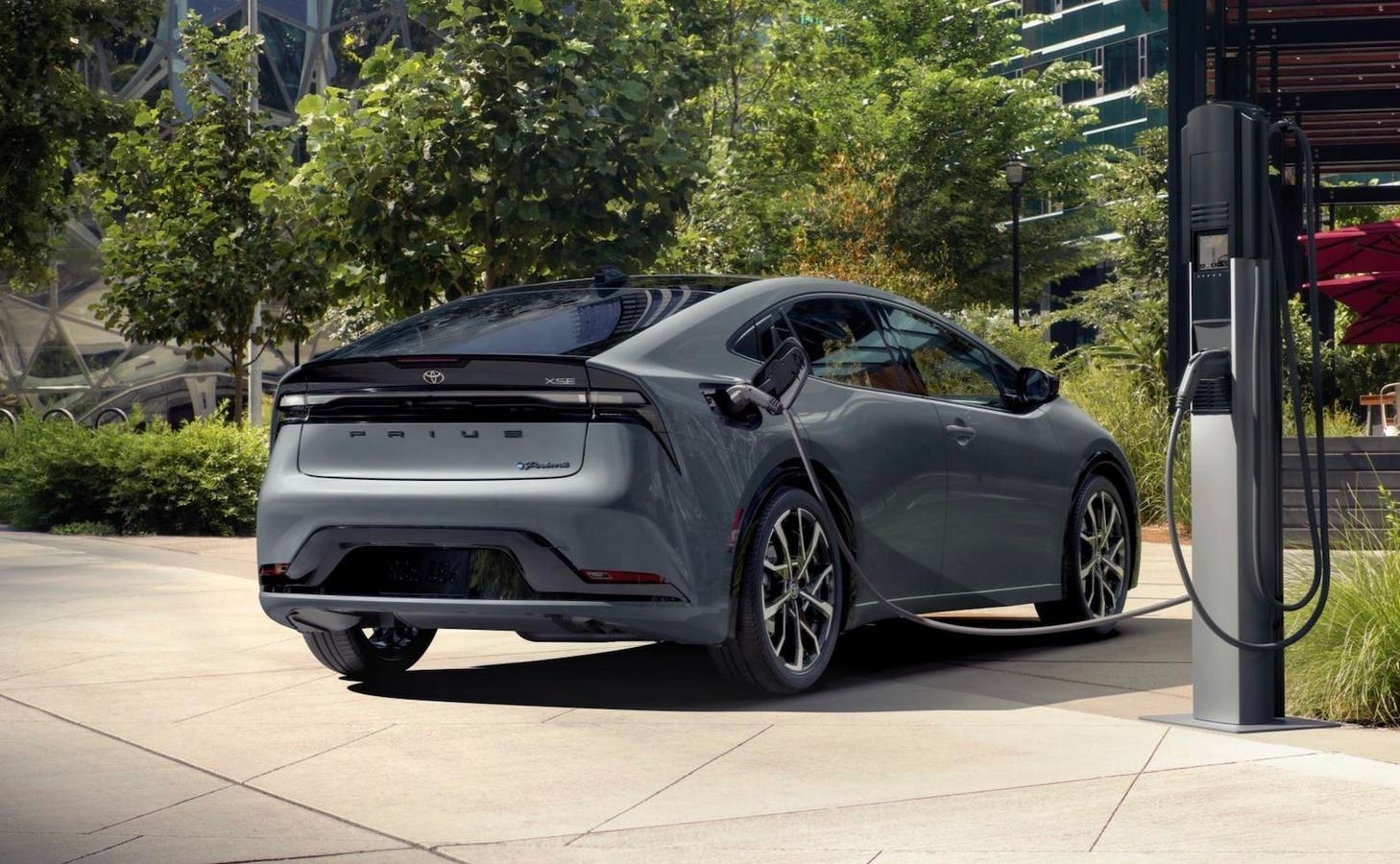
The 2024 Toyota Prius and Prius Prime are receiving high praise and redefining the practical electric-propulsion car. Toyota aims to capitalize on the slowdown of pure electric vehicle production by promoting plug-in hybrid electric vehicles (PHEVs) as a more practical and cost-effective option. With a focus on offering pure electric driving locally and a gas-powered engine for long-distance driving, the Prius Prime addresses consumer doubts about pure electric vehicles. Despite criticism from some groups, Toyota's strategy aligns with its global market priorities and the evolving consumer demand for electric vehicles.
Car companies are facing challenges in the transition to electric vehicles as demand for pure EVs softens and a new wave of shoppers seeks more affordable and practical electric options, leading companies to rethink their strategies. General Motors and Volvo are shifting focus to hybrid sales, recognizing the need for hybrids in the near term, while Tesla's price war has forced legacy car companies to reconsider their paths to profitability for battery-powered vehicles. The industry is seeing a surge in demand for hybrids, signaling a shift in the automotive landscape.