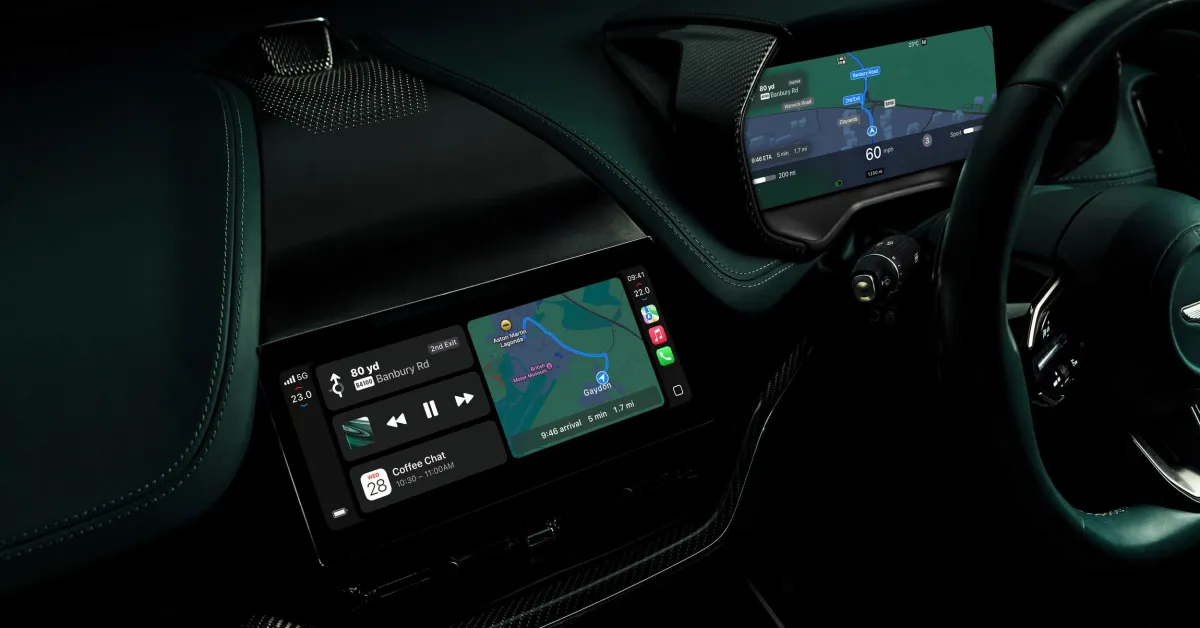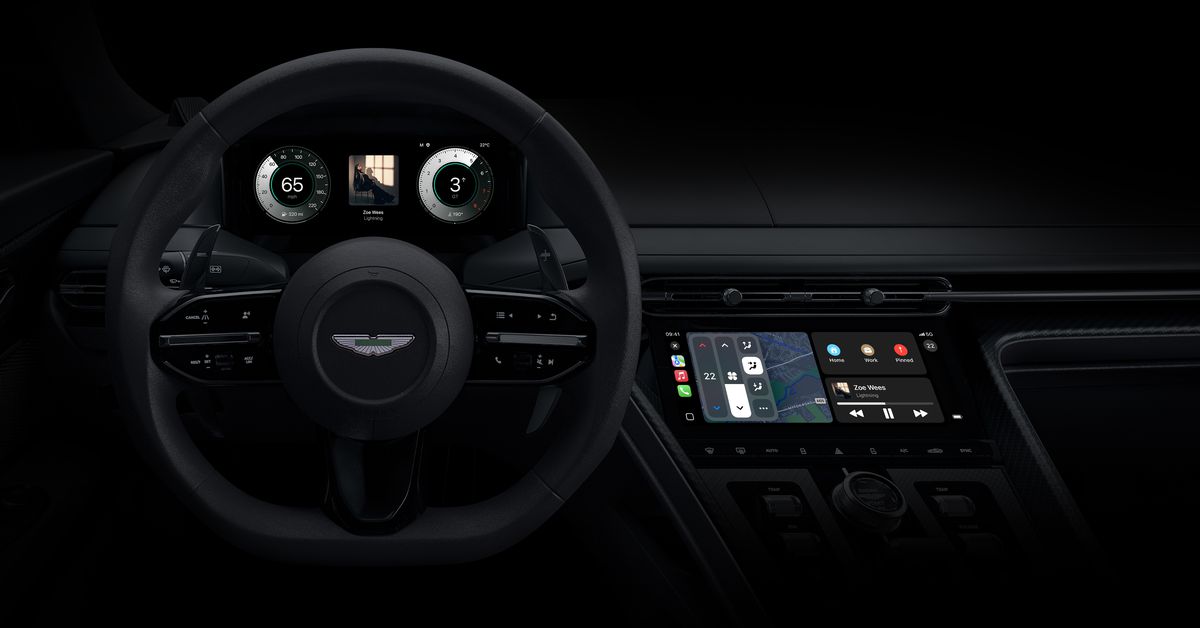
Apple's CarPlay Ultra, initially exclusive to luxury cars like Aston Martin, may soon be available in the more affordable Hyundai Ioniq 3, an electric vehicle expected to cost around $35,000 with a 365-mile range, potentially making advanced Apple integration accessible to a broader audience.
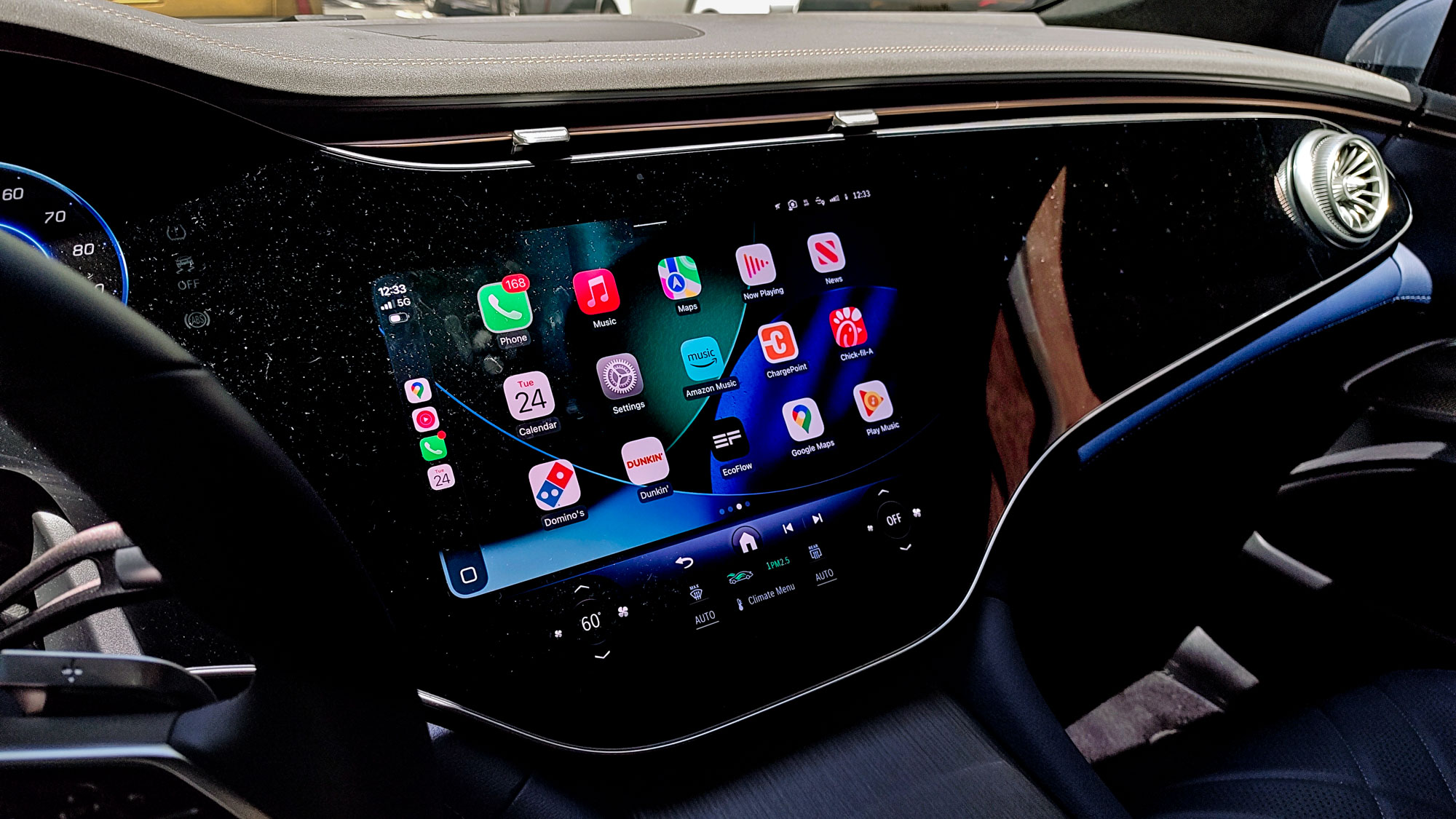
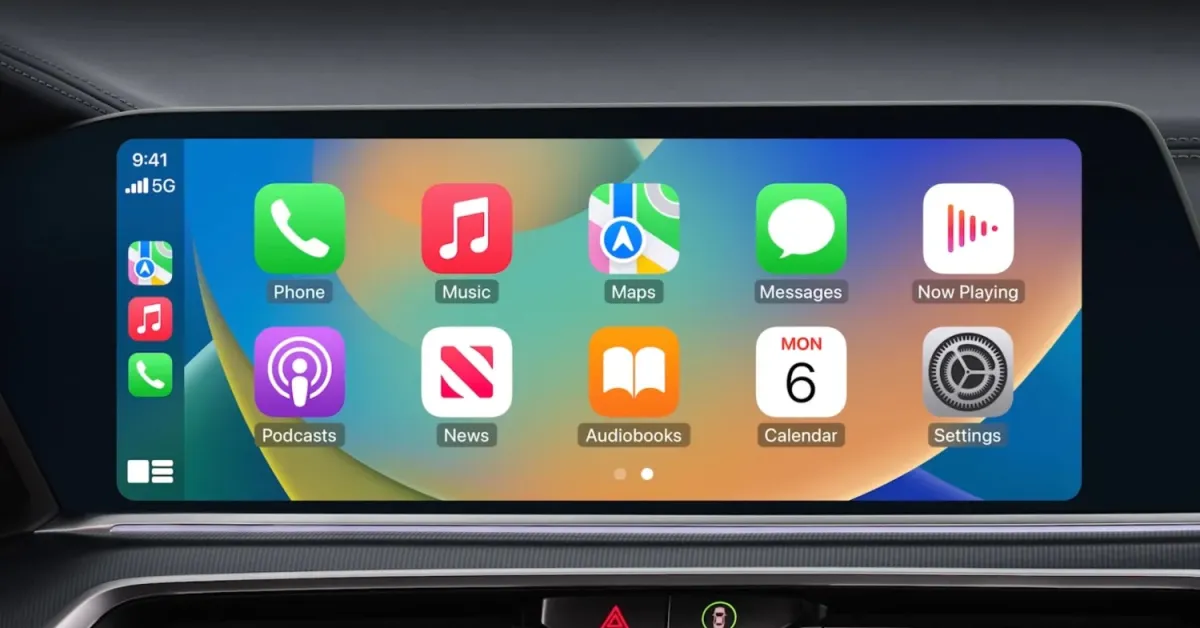
Apple's iOS 26 beta introduces significant updates to CarPlay, including customizable widgets for easier access to time, controls, and notifications, a new Liquid Glass interface for better visual layering, tapbacks for quick messaging responses, and Live Activities for real-time updates, addressing many user frustrations with current car interfaces.
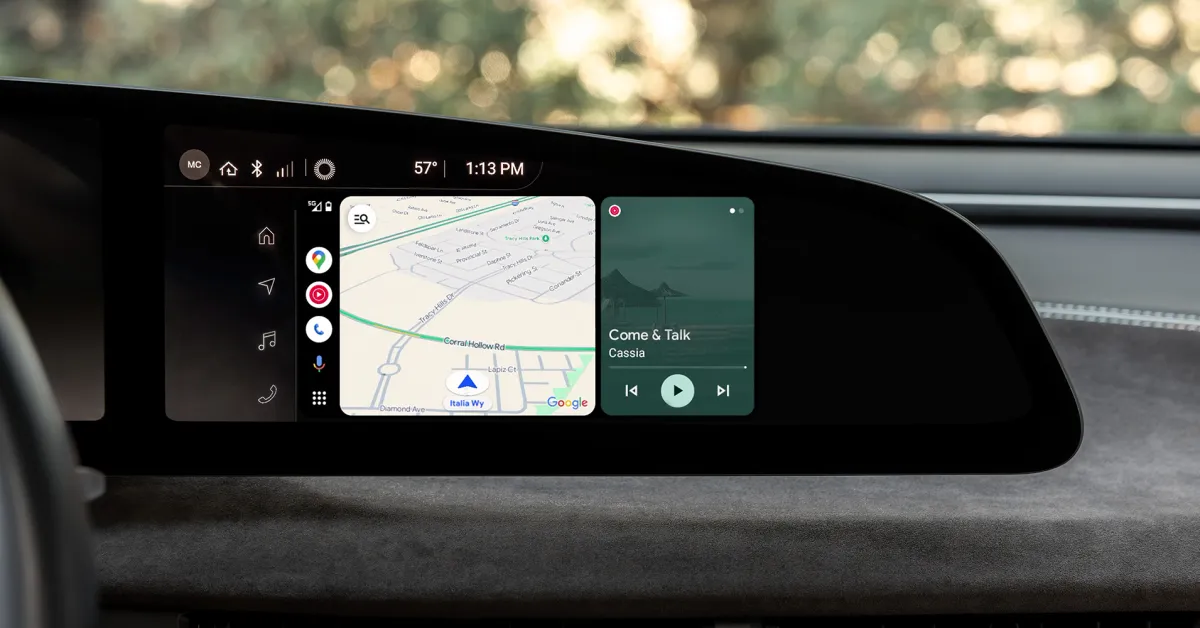
Lucid Air vehicles now support Android Auto through an over-the-air update to Lucid OS 2.7.0, allowing seamless use of Android smartphones for maps, media, and messaging via wired or wireless connection, enhancing the vehicle's infotainment system.
Polestar confirms it will offer Apple's CarPlay Ultra in future electric vehicles, although no specific timeline has been provided. CarPlay Ultra, which offers deep integration with vehicle systems, is currently available in Aston Martin models and is expected to be adopted by other automakers like Hyundai, Kia, and Genesis over the next year or more.
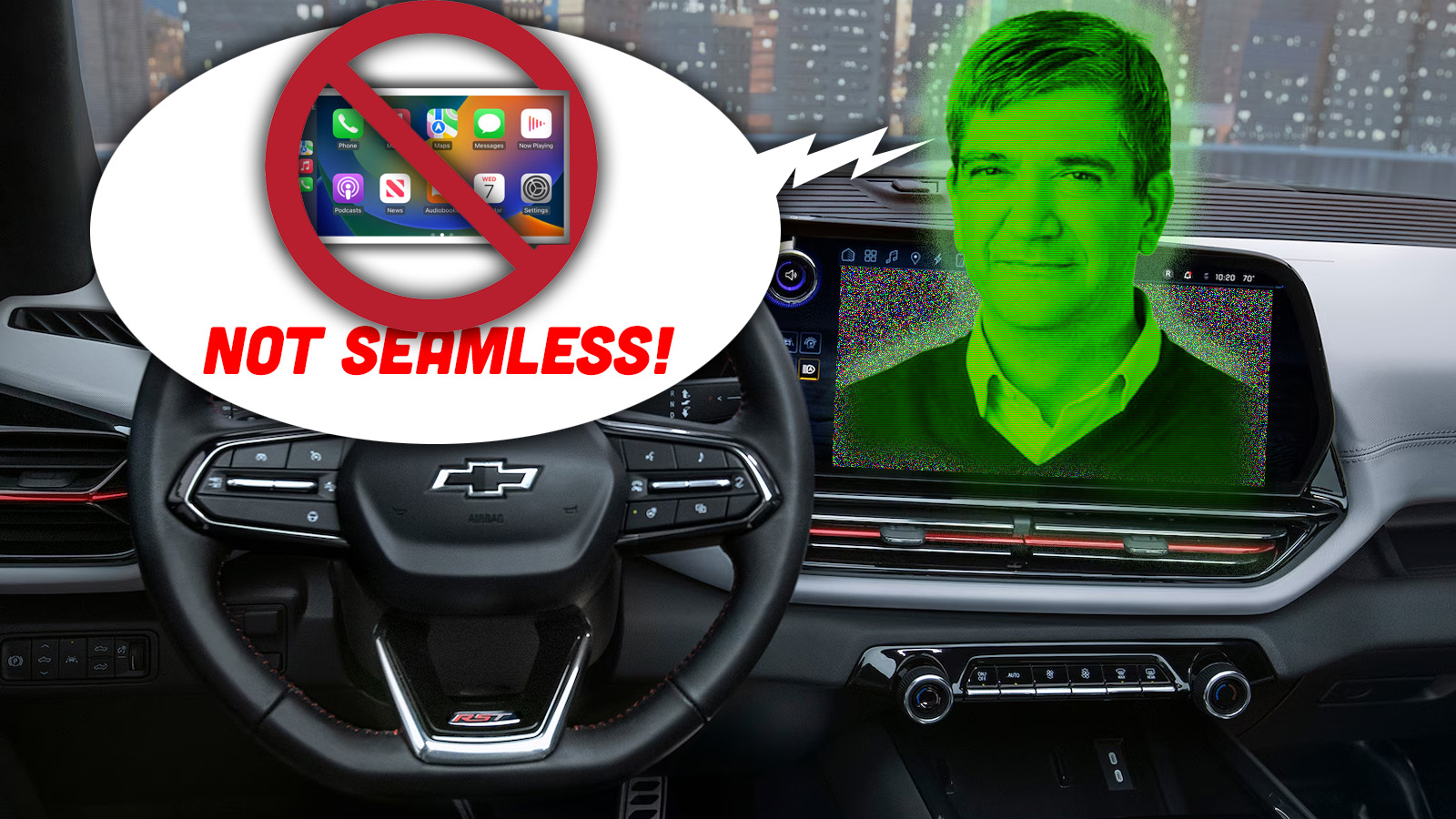
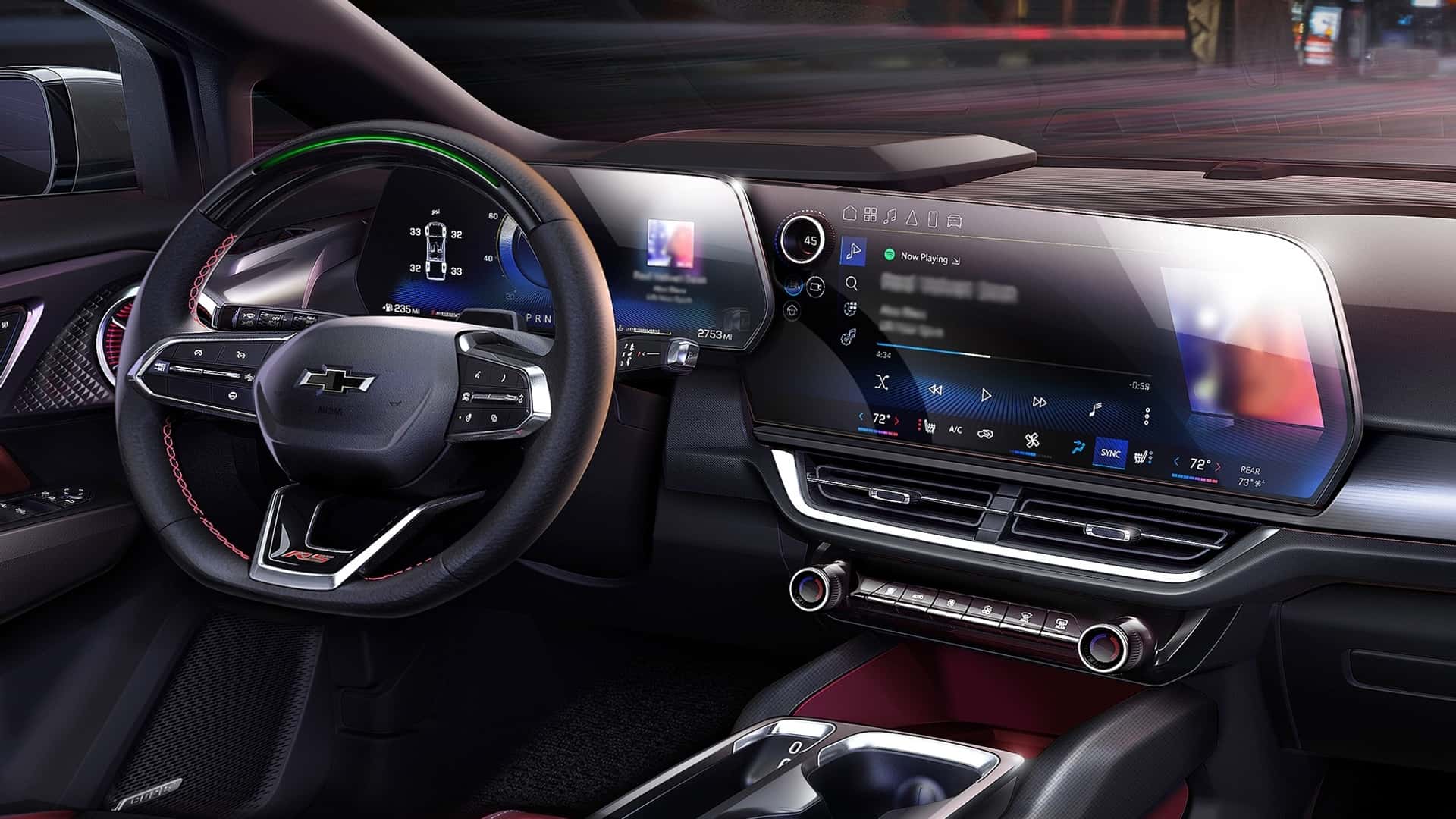
GM's decision to reject Apple CarPlay and Android Auto in favor of its own integrated infotainment system is criticized for prioritizing car-specific user interfaces over the seamless experience users have with their phones. Critics argue that people prefer the continuity of their phone's interface in cars, as they spend more time using their phones than driving. The article suggests that GM's approach reflects a misunderstanding of user priorities, as most drivers want their phone's functionality to integrate smoothly with their vehicle's system.
GM's decision to eliminate CarPlay from its electric vehicles has faced criticism and a rocky start, particularly with the 2024 Chevy Blazer EV. In a recent interview, GM's software VP Baris Cetinok, who joined after the decision was made, defended the move, emphasizing the company's goal to create a deeply integrated and seamless infotainment experience. Despite initial challenges, GM believes this strategy will ultimately enhance customer satisfaction by offering a fully integrated vehicle and software ecosystem.
General Motors remains committed to its decision to remove Apple CarPlay and Android Auto from future vehicles, despite customer demand for these features. GM's senior vice president of software and services, Baris Cetinok, emphasized the company's "strong conviction" in developing its own native software to enhance the overall customer experience. GM believes that its technologies, such as Super Cruise, will attract buyers, even as Apple continues to enhance CarPlay's functionality.
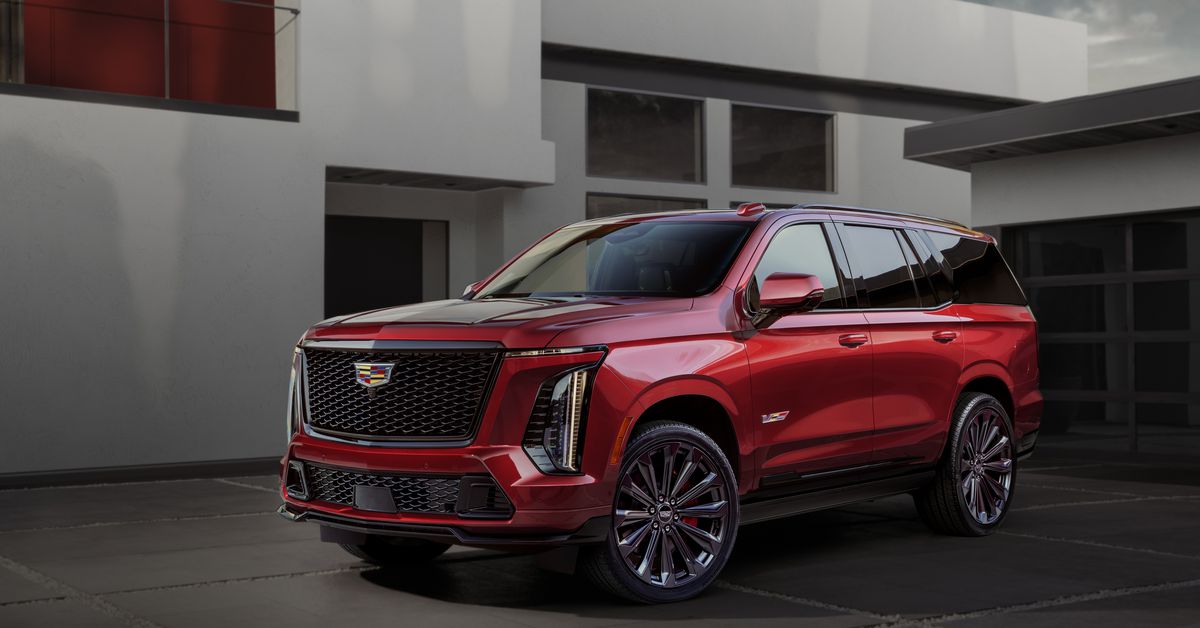
Cadillac is updating its gas-powered Escalade with features inspired by its upcoming electric vehicles, including new vertically positioned headlights, an illuminated grille, and a redesigned interior with a 55-inch pillar-to-pillar display. The 2025 Escalade will also feature power doors and advanced infotainment options, aiming to blend luxury with cutting-edge technology. Pricing details are yet to be announced.
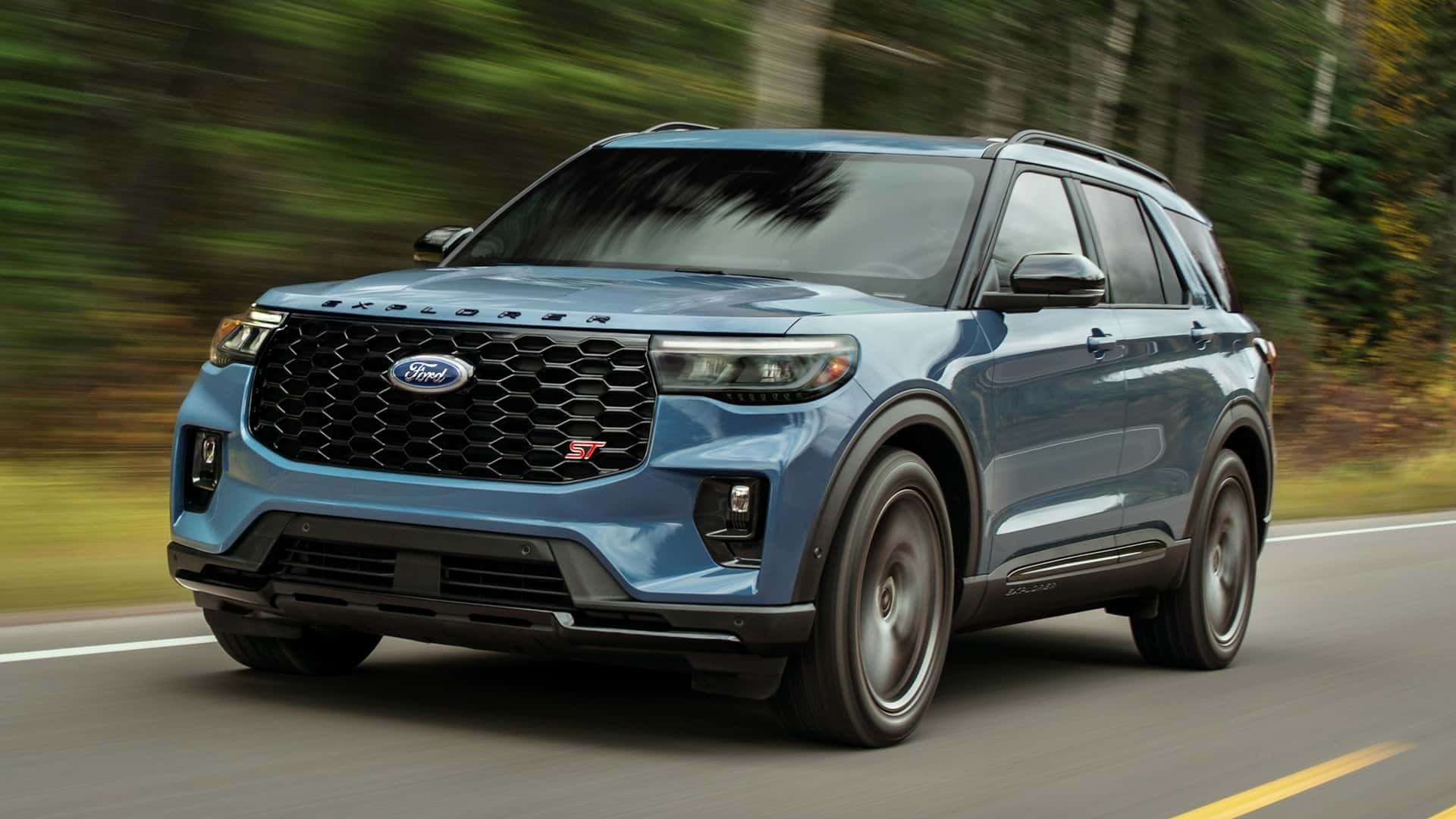
The 2025 Ford Explorer receives a significant update with refreshed exterior styling, a revamped interior featuring a new infotainment system with Google Assistant and Alexa Built-In, reduced trim lineup, and a starting price of $41,220. The SUV's interior boasts a 13.2-inch infotainment screen, wireless charging pad, and increased cabin space, while the exterior showcases updated front design and redesigned taillights. The lineup has been reduced to four trims, and the powertrain options remain unchanged. The order book is now open, with the SUV expected to arrive at dealers in the second quarter of 2024.
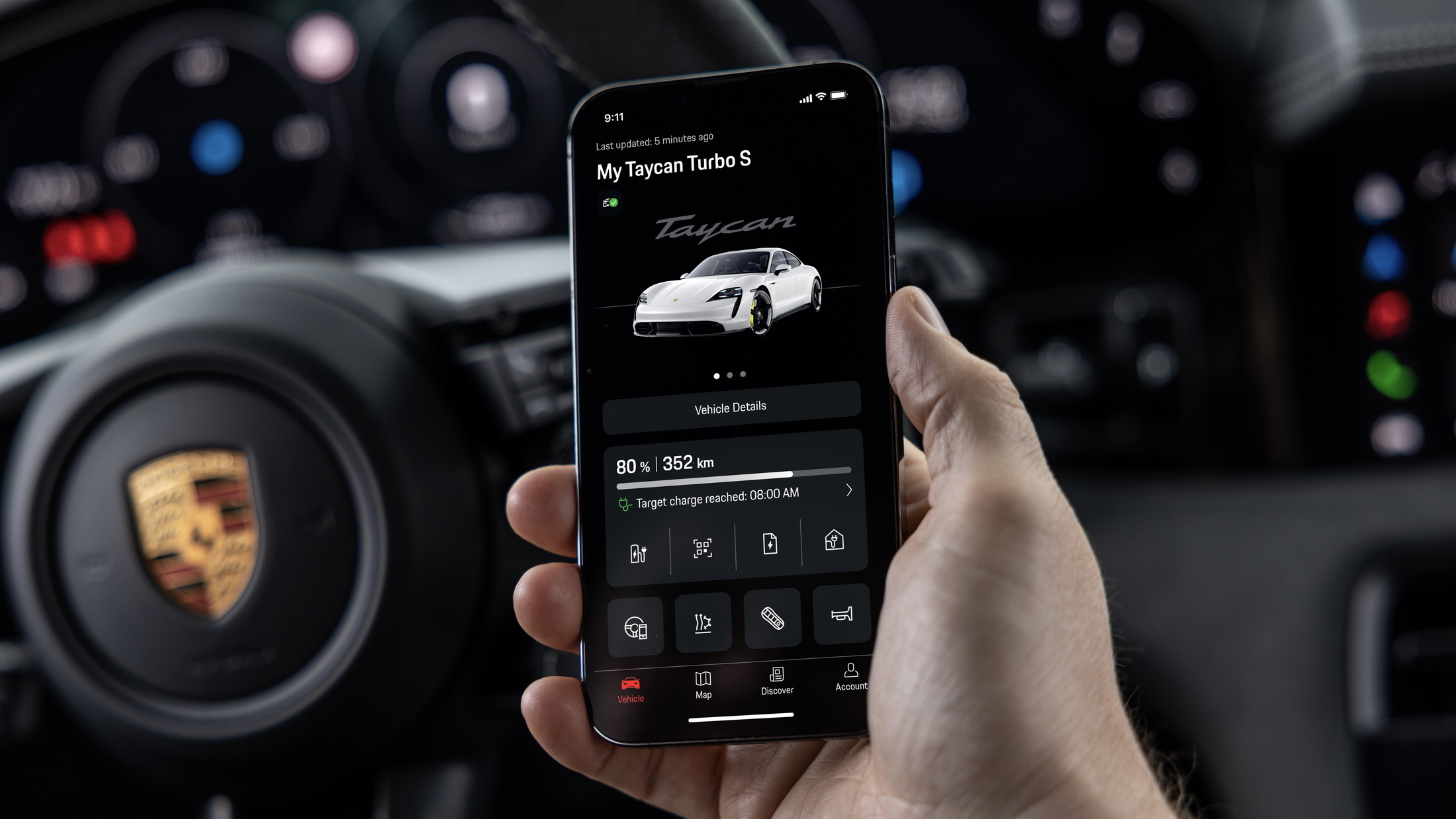
Porsche is enhancing its infotainment system by allowing deeper integration with Apple CarPlay, enabling iPhone users to control various car functions such as changing the radio station, adjusting temperature, and checking performance data directly from their phones. The My Porsche App updates also include Apple Watch compatibility, Siri integration for 400,000 vehicles, and a cleaner user interface, while the deeper CarPlay integration allows electric vehicle drivers to plan routes and charging stops based on the vehicle's state of charge.
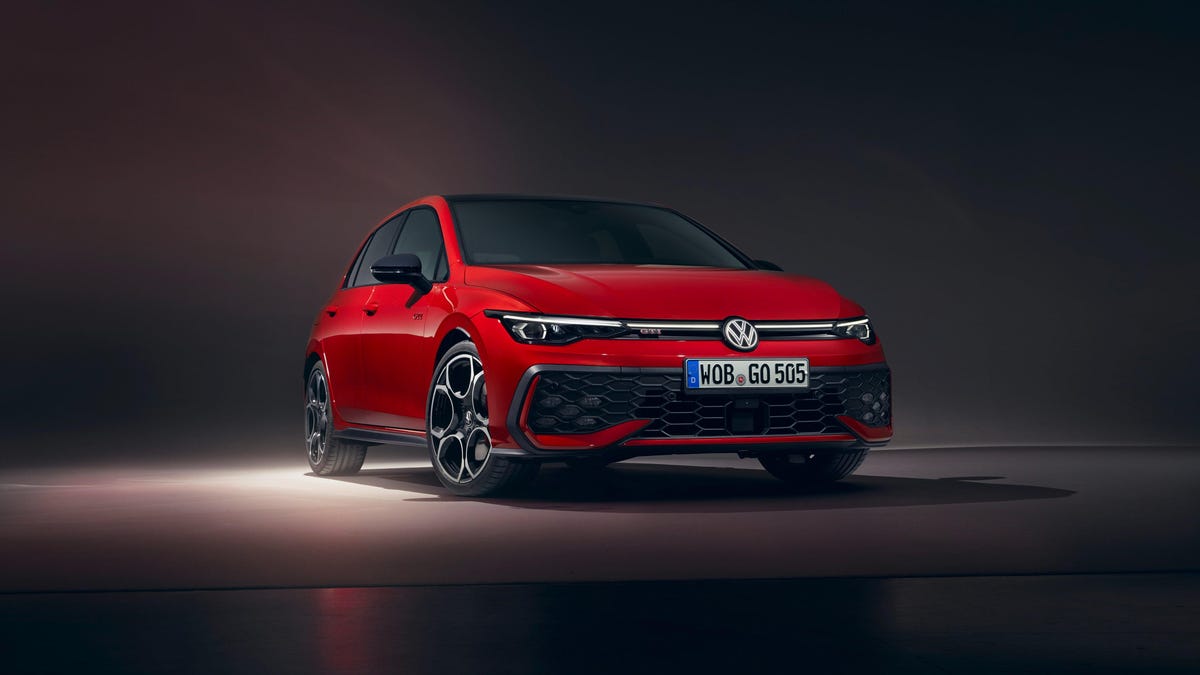
Volkswagen celebrates 50 years of its Golf with a powerful and convenient refresh, addressing concerns over the MK8's controversial touch-sensitive controls by introducing illuminated touch sliders for temperature and volume controls, reverting to physical buttons on the steering wheel, and boosting the GTI's power while axing the manual transmission. The new infotainment system features ChatGPT functionality, and the exterior changes include a sharpened front fascia and reworked light clusters, making the 2025 GTI an easier sell and reaffirming its status as one of the best all-rounders in the market.
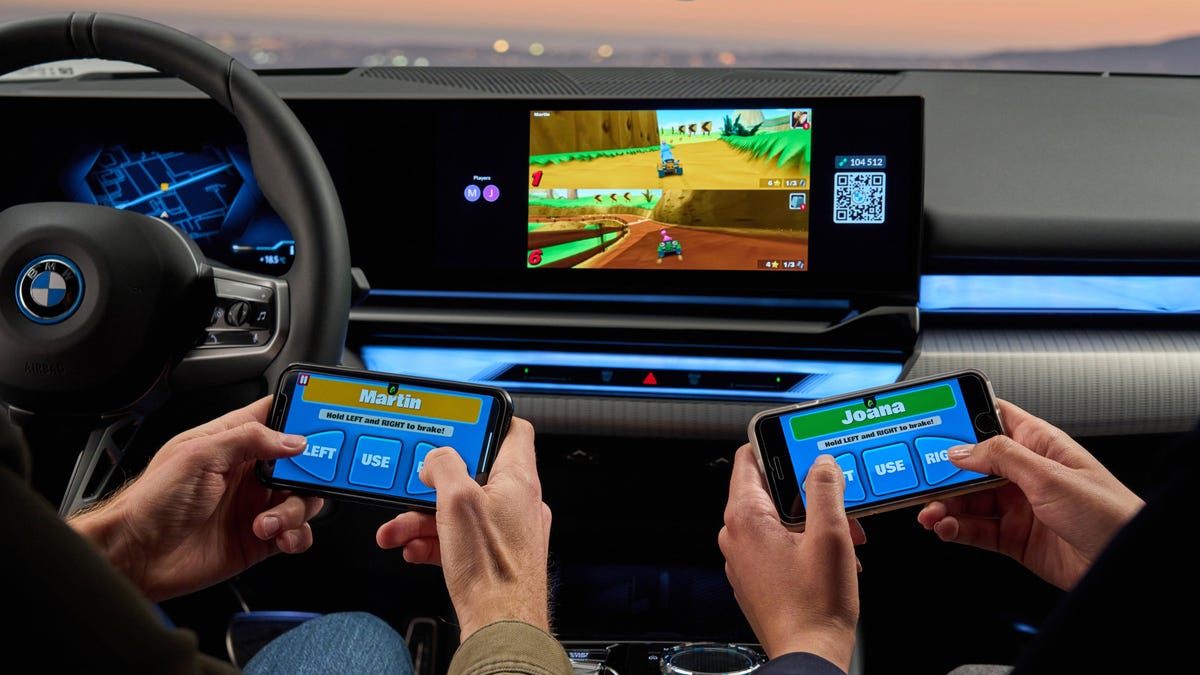
BMW is expanding its in-car gaming offerings with the AirConsole gaming platform and adding more third-party games accessible through the ConnectedDrive Store, but it's only available through a subscription. The Digital Premium subscription also includes access to BMW’s native nav system and entertainment apps. Other tech updates from BMW include streaming video on the front infotainment screen, augmented reality glasses, an AI voice assistant, and remote-controlled and autonomous valet parking. However, the practicality and appeal of these features, especially in-car gaming and AI voice assistant, are questioned, with concerns about their actual usefulness and desirability.
Microsoft Teams is set to launch on Android Auto in February, almost a year after its initial announcement at Google I/O 2023. The integration will allow users to join meetings and make calls via their car's infotainment system. Details on the full functionality are still sparse, and there's no explanation for the delay in release. This move comes as Android Auto's presence grows, now being integrated with 200 million cars, and as the industry shifts towards adopting Android Automotive OS more broadly.
Apple has unveiled mock-ups of its immersive next-generation CarPlay interface designed for Porsche and Aston Martin vehicles. The new CarPlay aims to overhaul all displays in the vehicle, providing a distinct theme for each automaker and granting access to the vehicle's features. In the Porsche setup, there is a three-dial layout with a speedometer and a wallpaper matching the seat pattern. The Aston Martin layout features a media display surrounded by the speedometer and tachometer, outlined in the brand's signature green. The feature was announced at Apple's WWDC developer conference in 2022 and is set to provide an enhanced iPhone experience in-car. Aston Martin plans to support the new system in its upcoming infotainment system, while Porsche's integration will be revealed next year with the launch of its all-electric Macan.
TomTom has collaborated with Microsoft to develop an AI-powered, in-car conversational assistant that allows drivers to interact with their vehicles using voice commands. The assistant integrates Microsoft Azure OpenAI Service and can navigate to specific locations, find stops along the route, and control onboard systems. This launch comes at a time when voice technology is increasingly being used by consumers for directions on the road, and businesses are developing solutions to meet the growing demand for easy-to-use voice interactions in vehicles.