Denmark summoned a U.S. diplomat over concerns that influence campaigns aimed at Greenland may be intended to sow discord between Denmark and Greenland, highlighting tensions over Greenland's strategic importance.
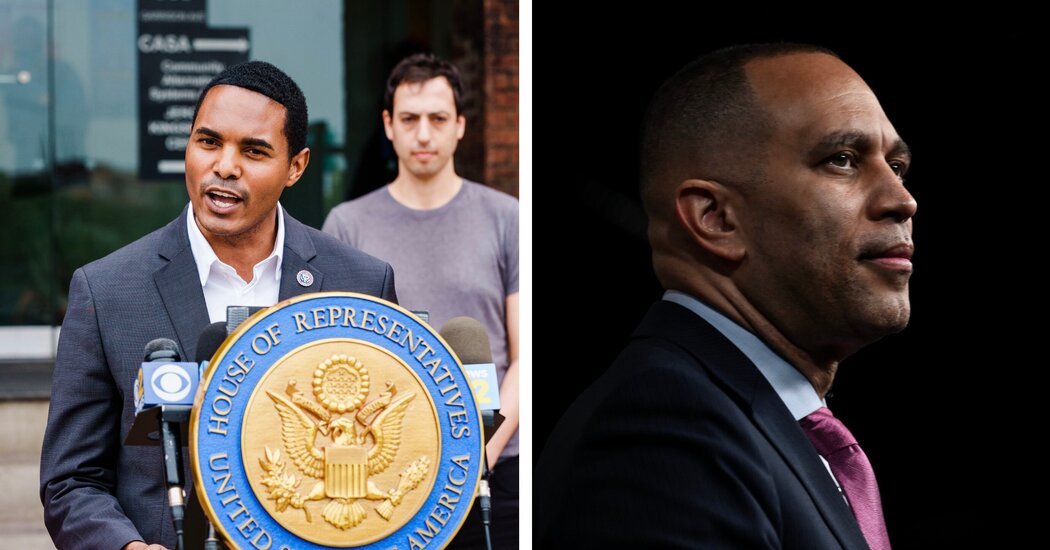
Israel's Ministry of Diaspora Affairs secretly funded a $2 million influence campaign using fake social media accounts to sway U.S. lawmakers and public opinion in favor of Israel's actions in the Gaza war. The operation, which targeted over a dozen members of Congress, was carried out by the political marketing firm Stoic and involved generating pro-Israel posts using AI tools like ChatGPT. The campaign has been disrupted by Meta and OpenAI.
A Microsoft report reveals that Russia, banned from the 2024 Paris Olympics due to the war in Ukraine, is conducting a secret influence campaign to discredit the Games and incite fears of terrorism. The campaign includes fake documentaries, deepfake videos, and fabricated news reports, aiming to undermine the International Olympic Committee and deter spectators from attending. This effort is part of a long history of Russian attempts to degrade international competitions when they cannot participate.
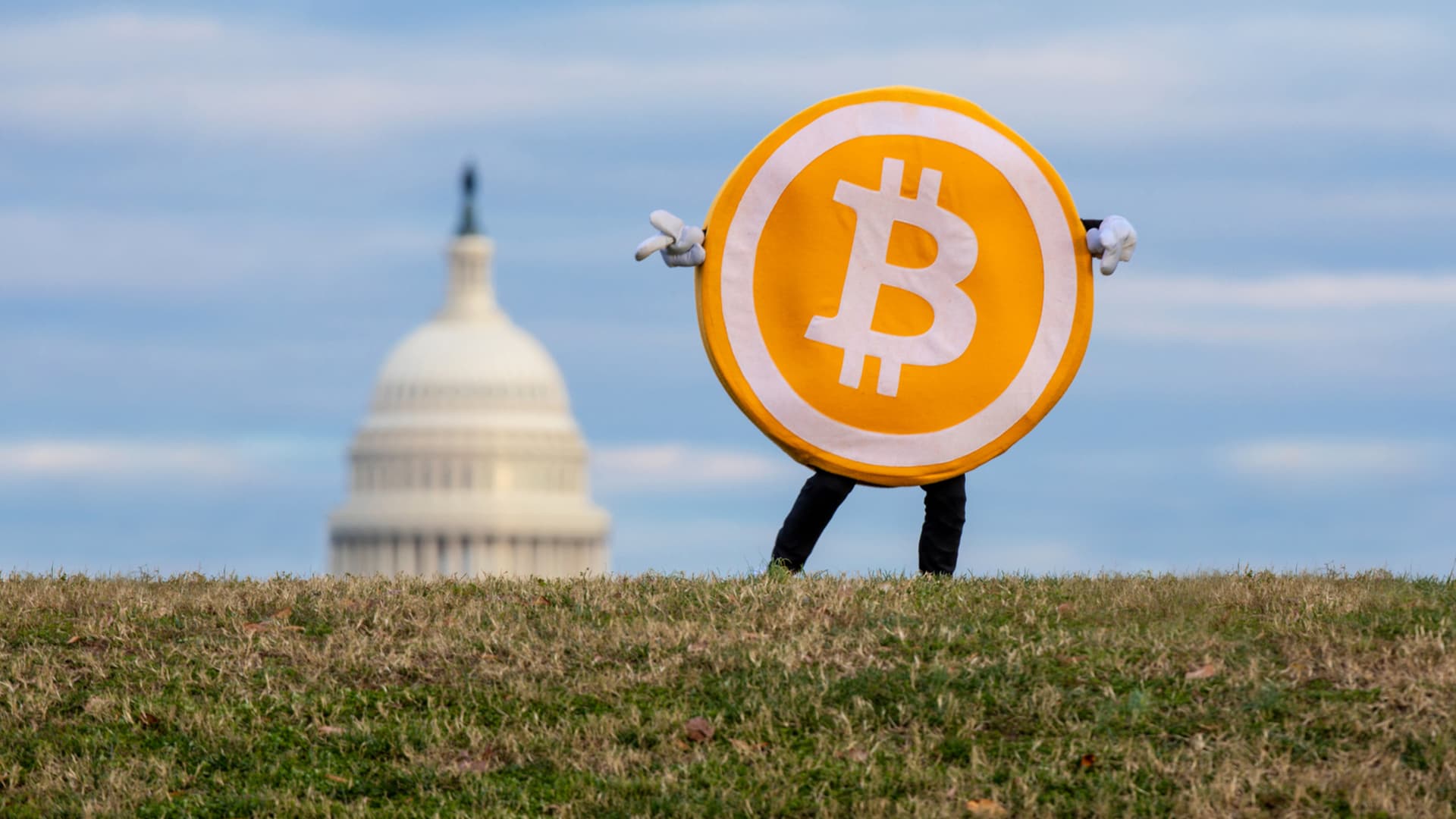
A new mysterious nonprofit group called the Cedar Innovation Foundation, backed by the crypto industry, has set up a mailing address near Washington, D.C., and is ramping up lobbying efforts ahead of the 2024 elections. The group, heavily funded by crypto industry players, has launched advertisements against lawmakers critical of crypto and quietly hired strategists to fight on its behalf. With the crypto industry aiming to influence Congress and spending millions on lobbying, the foundation's efforts have drawn criticism from opponents who view it as a "dark money" campaign.
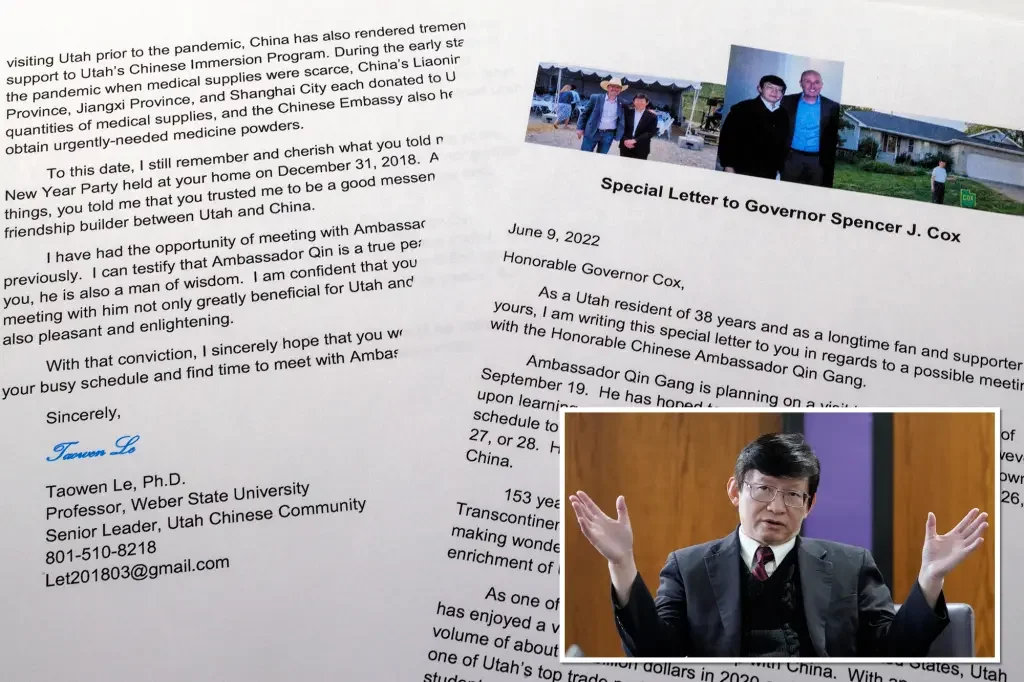
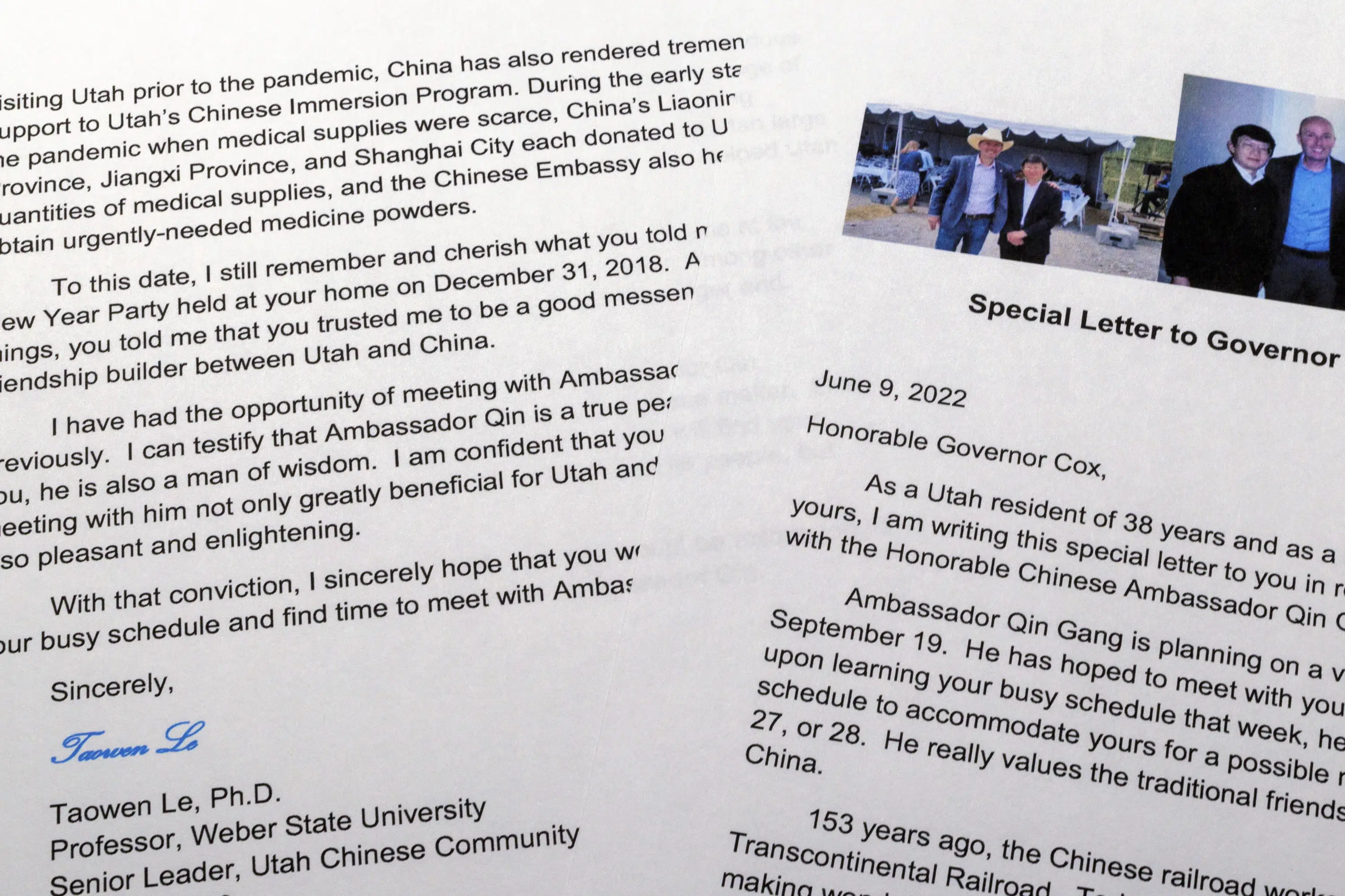
China's covert efforts to influence policy and raise its stature worldwide have been successful in Utah, where it has cultivated relationships with state and local officials and lawmakers, allowing Beijing to delay legislation it didn't like and ditch resolutions that expressed dissatisfaction with its actions. The Chinese Communist Party's hyperlocal influence campaign puts local leaders at risk of manipulation and poses a threat to national security. The US intelligence community has noted that China is "redoubling" local influence campaigns amid tense relations with the federal government.
China's influence campaign in Utah has been successful in building relationships with officials and winning legislative and public relations victories. Utah lawmakers have delayed legislation Beijing didn't like, nixed resolutions conveying displeasure with China's actions, and expressed support in ways that enhanced the Chinese government's image. China's success in Utah shows "how pervasive and persistent China has been in trying to influence America," said a retired FBI counterintelligence agent. Experts say Beijing's campaign is widespread and tailored to local communities, and part of a broader trend of targeting "sub-national" governments.