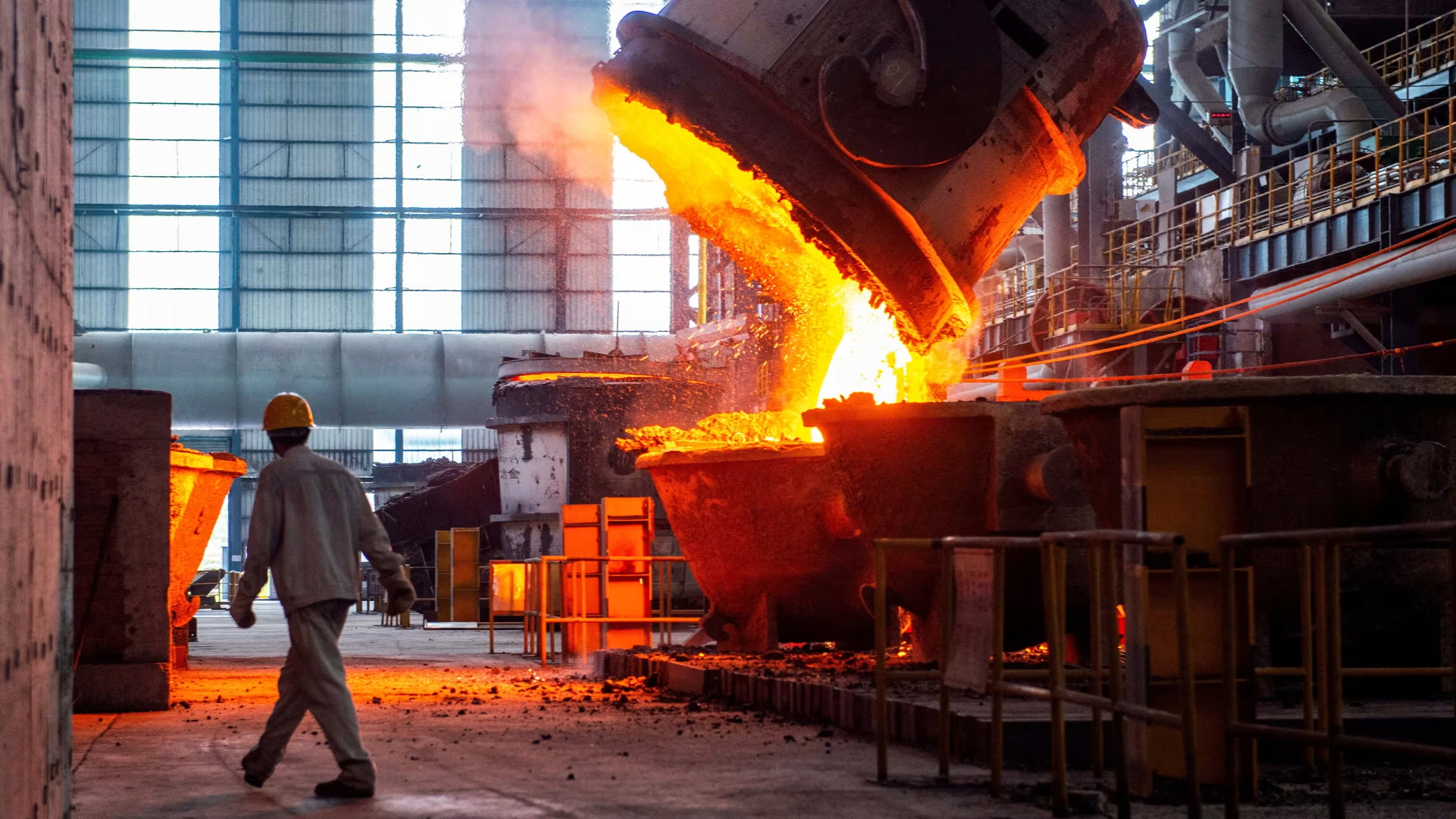
China's Industrial Profits Drop Amid Weak Demand, but High-Tech Gains Accelerate
China's industrial profits have sharply declined due to weak demand and deflationary pressures, highlighting ongoing economic challenges in the country.

All articles tagged with #industrial profits
China's industrial profits have sharply declined due to weak demand and deflationary pressures, highlighting ongoing economic challenges in the country.
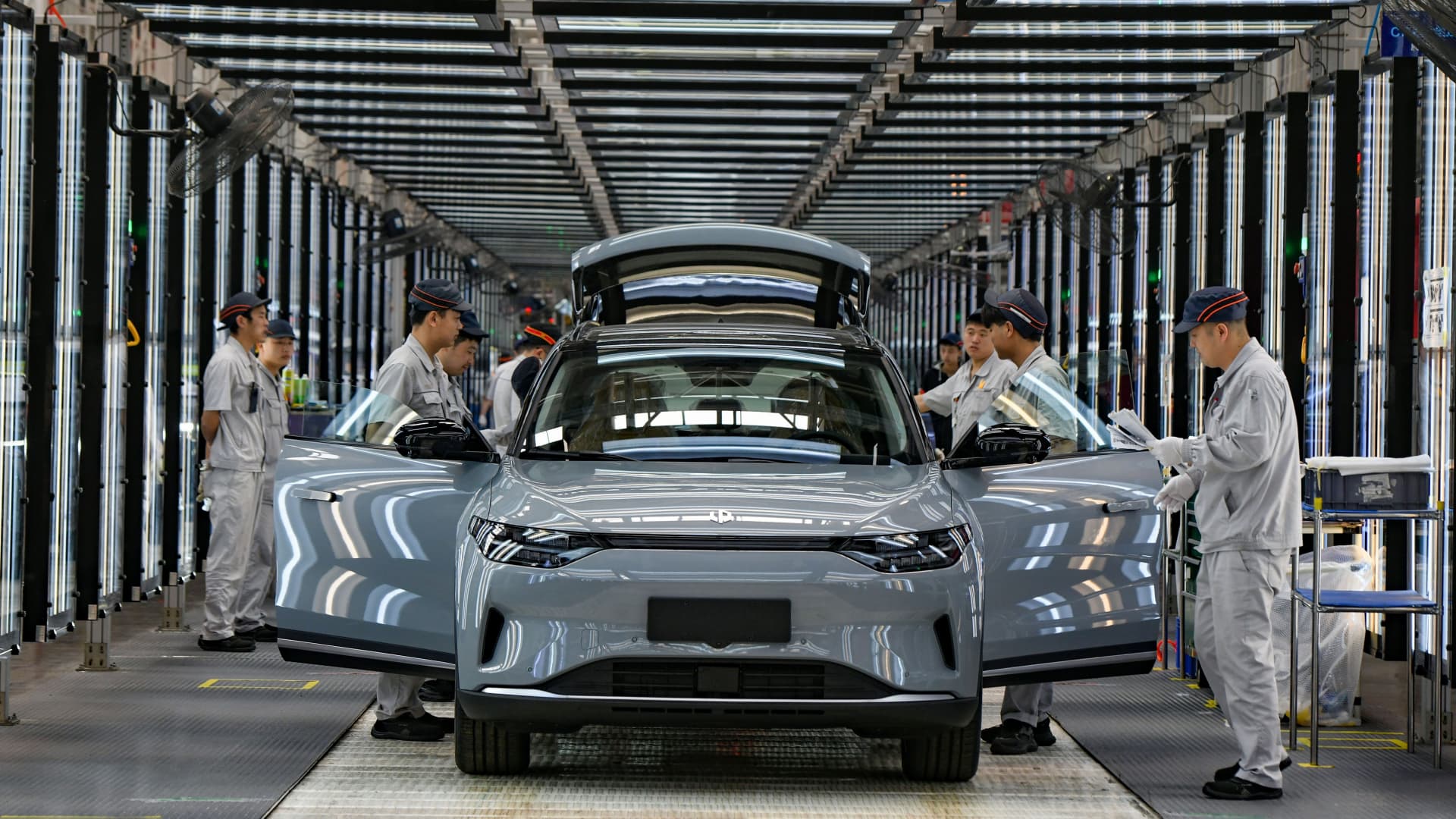
China's industrial profits surged by 21.6% in September, the largest increase in nearly two years, driven by government policies to curb price wars and support manufacturing, despite ongoing trade tensions and economic challenges such as weak consumer confidence and a housing downturn.
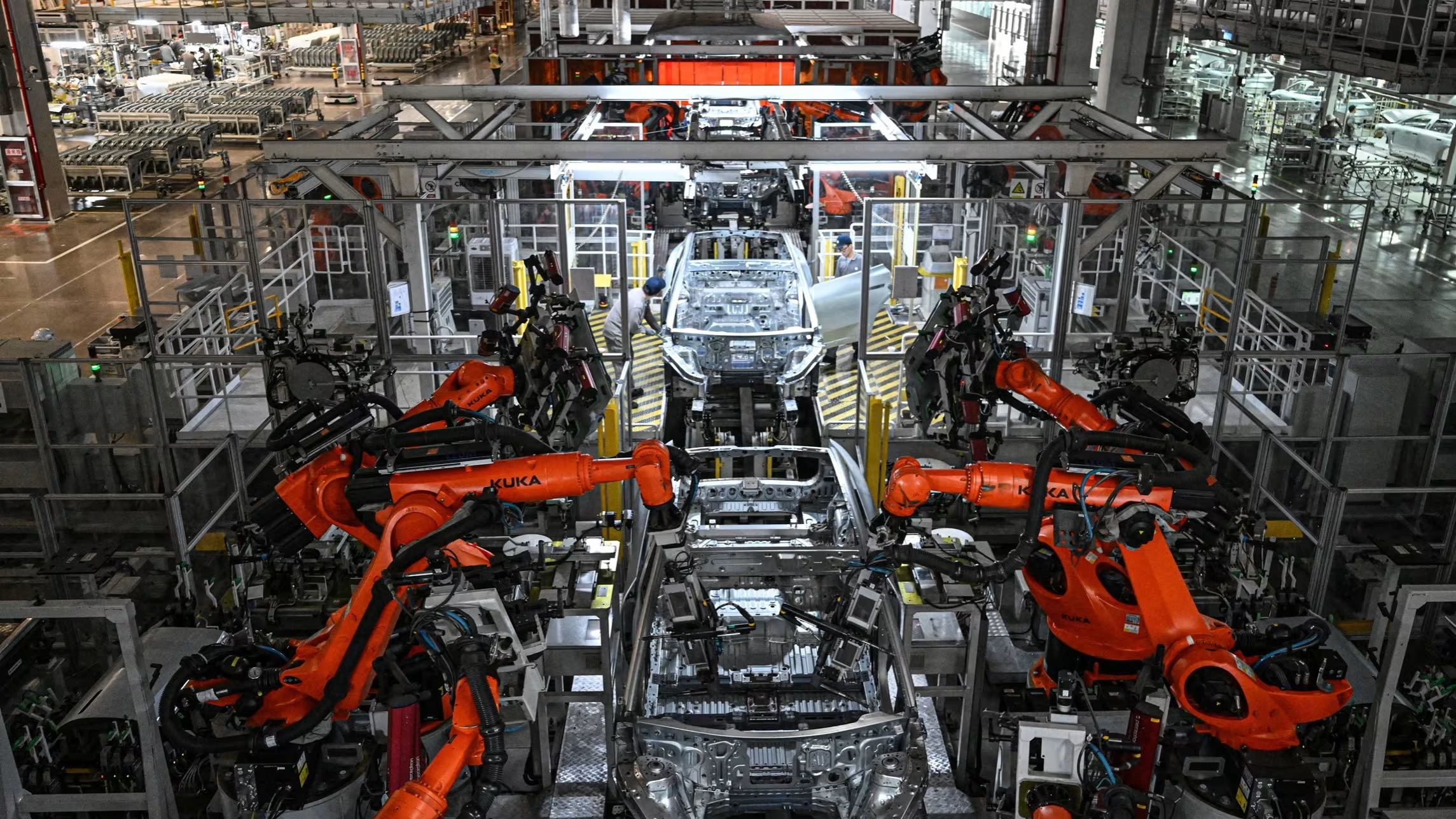
China's industrial profits have returned to growth, signaling a positive shift in the country's manufacturing sector and overall economic recovery.
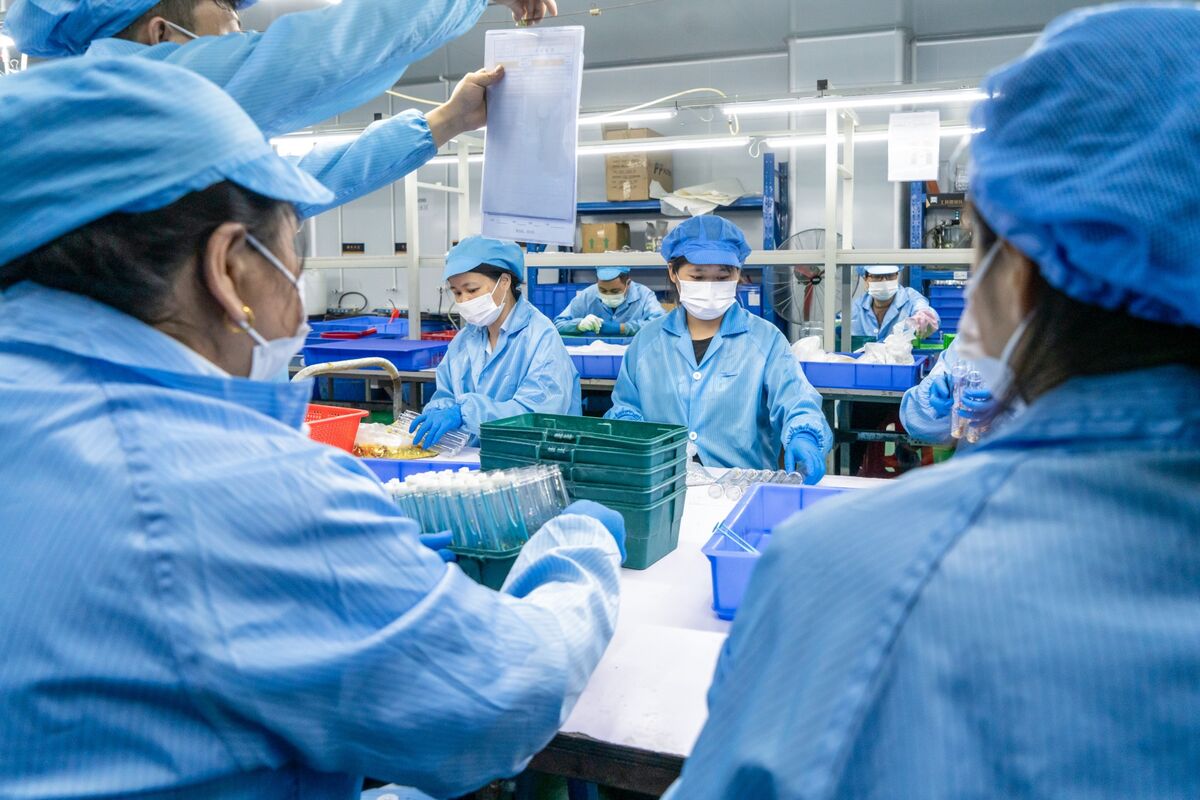
China's industrial profits declined for the second consecutive month, dropping 4.3% in June due to intense price competition and the impact of US tariffs, highlighting economic challenges and efforts to curb destructive competition to support domestic demand.
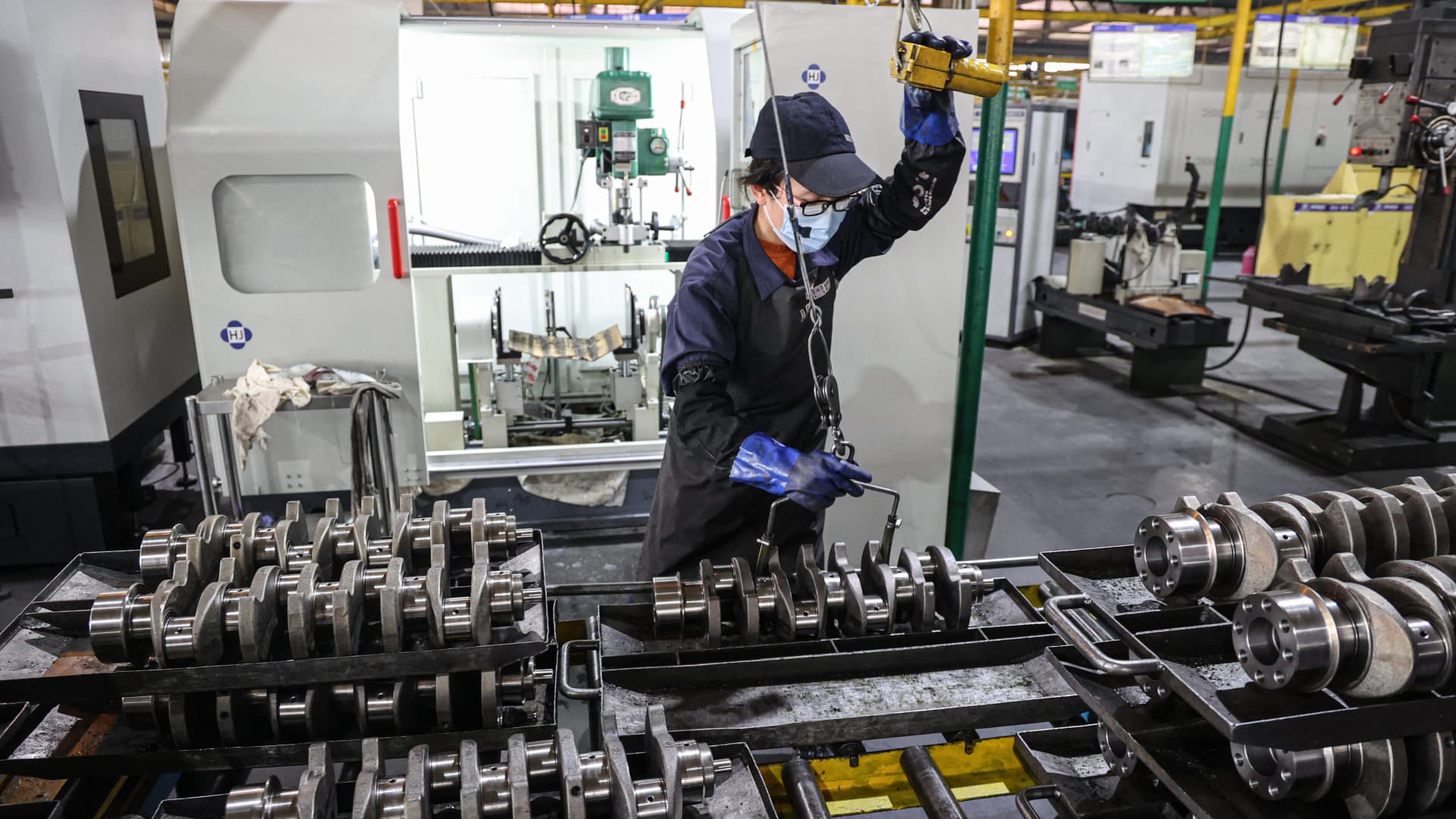
China's industrial profits increased by 3% in April despite ongoing U.S. tariffs and economic challenges, with manufacturing activity contracting and exports to the U.S. declining, but overall exports rising due to shipments to Southeast Asia.
Chinese industrial profits have returned to growth, signaling a positive shift in the country's economic performance.
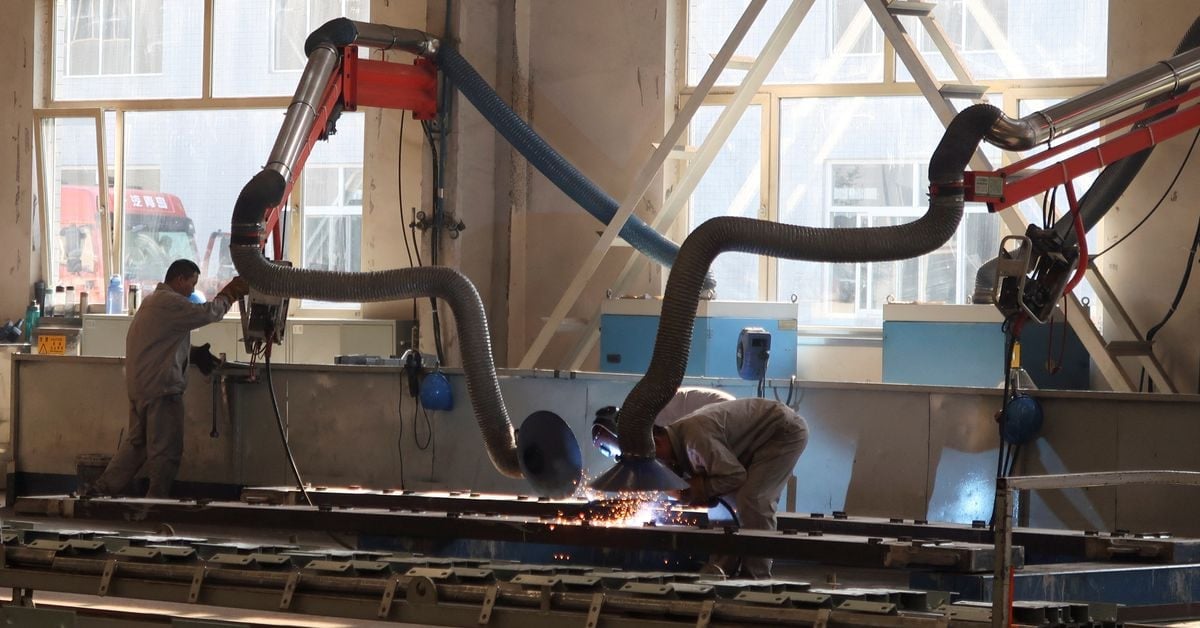
China's industrial profits grew for a third consecutive month in October, but at a slower pace, indicating the need for further policy support to boost the country's economy. The 2.7% year-on-year increase in profits narrowed from previous months, putting pressure on authorities to provide more assistance to manufacturers amid soft global demand. Profits for the first 10 months of 2023 declined 7.8% compared to the previous year. China's economy has faced challenges including housing market distress, local government debt risks, slow global growth, and geopolitical tensions. The government has implemented various support measures, but the impact has been limited, prompting calls for additional stimulus.
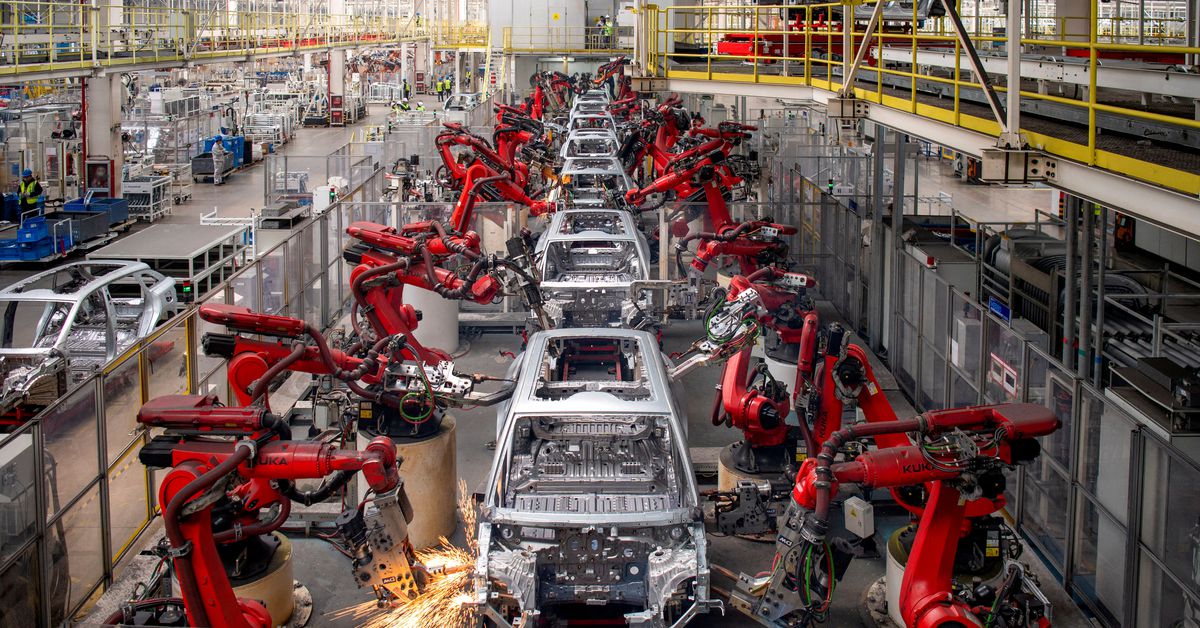
China's industrial profits continued to rise for a second consecutive month in September, with a year-on-year increase of 11.9%, following a surprise gain of 17.2% in August. The recovery in profits is attributed to supportive policy measures and stronger industrial and consumption activity. Although profits for the first nine months of the year were down 9% compared to the previous year, the decline narrowed from the first eight months. The improvement in industrial profits is expected to continue in the coming months, driven by domestic macro pump-priming. However, the property sector's weakness remains a drag on the economy and corporate earnings. State-owned firms saw the biggest decline in earnings, while private-sector companies recorded a smaller slide.
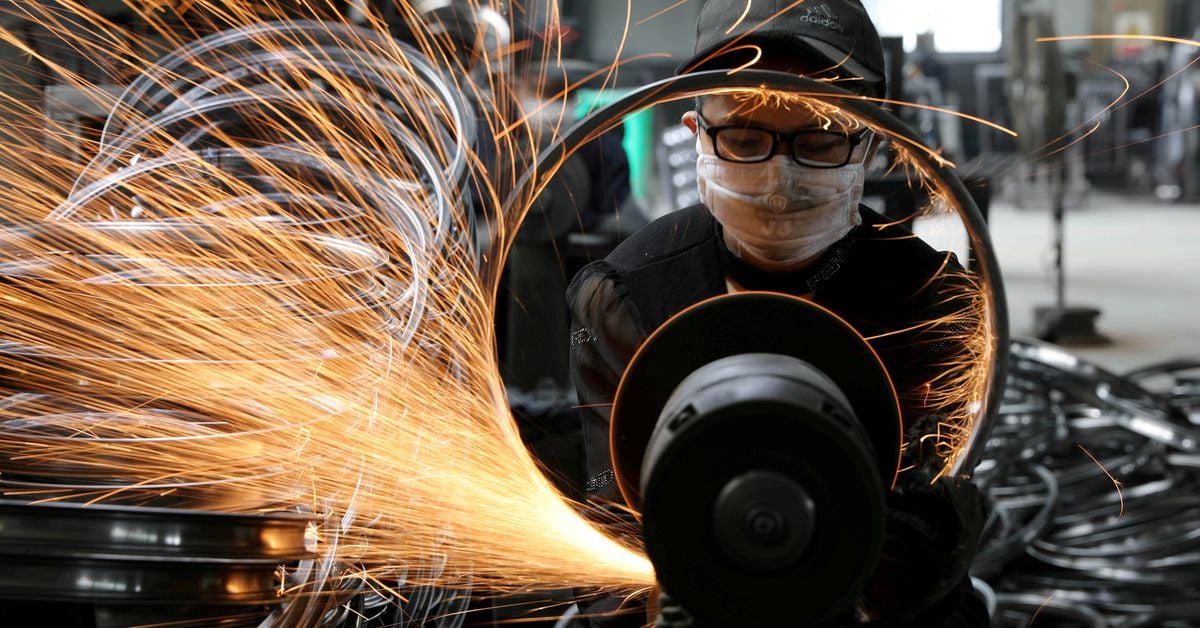
China's industrial profits have fallen for the seventh consecutive month, with a 6.7% decline in July compared to the previous year. Weak demand and a faltering post-pandemic recovery have squeezed companies in the world's second-largest economy. Profits for the first seven months of the year have shrunk by 15.5% year-on-year, following a 16.8% decline in the first half. Major banks have downgraded their growth forecasts as a worsening property slump, weak consumer spending, and tumbling credit growth continue to hamper the economy. State-owned enterprises, foreign firms, and private-sector companies have all recorded significant profit declines.

Asia-Pacific markets mostly rose after the U.S. Federal Reserve raised interest rates to their highest level in over 22 years, while leaving room for further tightening. Japan's Nikkei 225 and South Korea's Kospi both closed higher, while Australia's S&P/ASX 200 also ended in positive territory. Hong Kong's Hang Seng index traded higher, but mainland China's Shanghai Composite edged lower. China's industrial profits continued to decline, recording a year-to-date fall of 16.8%. Shares of Chinese EV maker Xpeng surged after Volkswagen announced a partnership to develop two new electric vehicles for China. HSBC predicts that global oil demand will peak later this decade and then decline due to the shift towards electric vehicles. Samsung Electronics reported a 95% plunge in quarterly profit but expects global demand to recover in the second half of the year. Goldman Sachs highlights the challenge of finding reasonably valued growth stocks. Hong Kong's central bank raised interest rates in line with the Fed, and the Dow Jones Industrial Average closed higher, achieving its best winning streak since 1987.

China's industrial profits fell by 22.9% YoY in the first two months of 2023, due to weak demand and high costs, despite an uptick in industrial output. The decline was led by a fall in auto sector profits, thanks to a moderation in overall demand, production costs, fading auto subsidies, and price wars. Foreign firms posted a 35.7% decline in profits, while private-sector firms saw their profits down 19.9%. The data follows a flurry of economic indicators that show an uneven recovery from the COVID-19 pandemic.