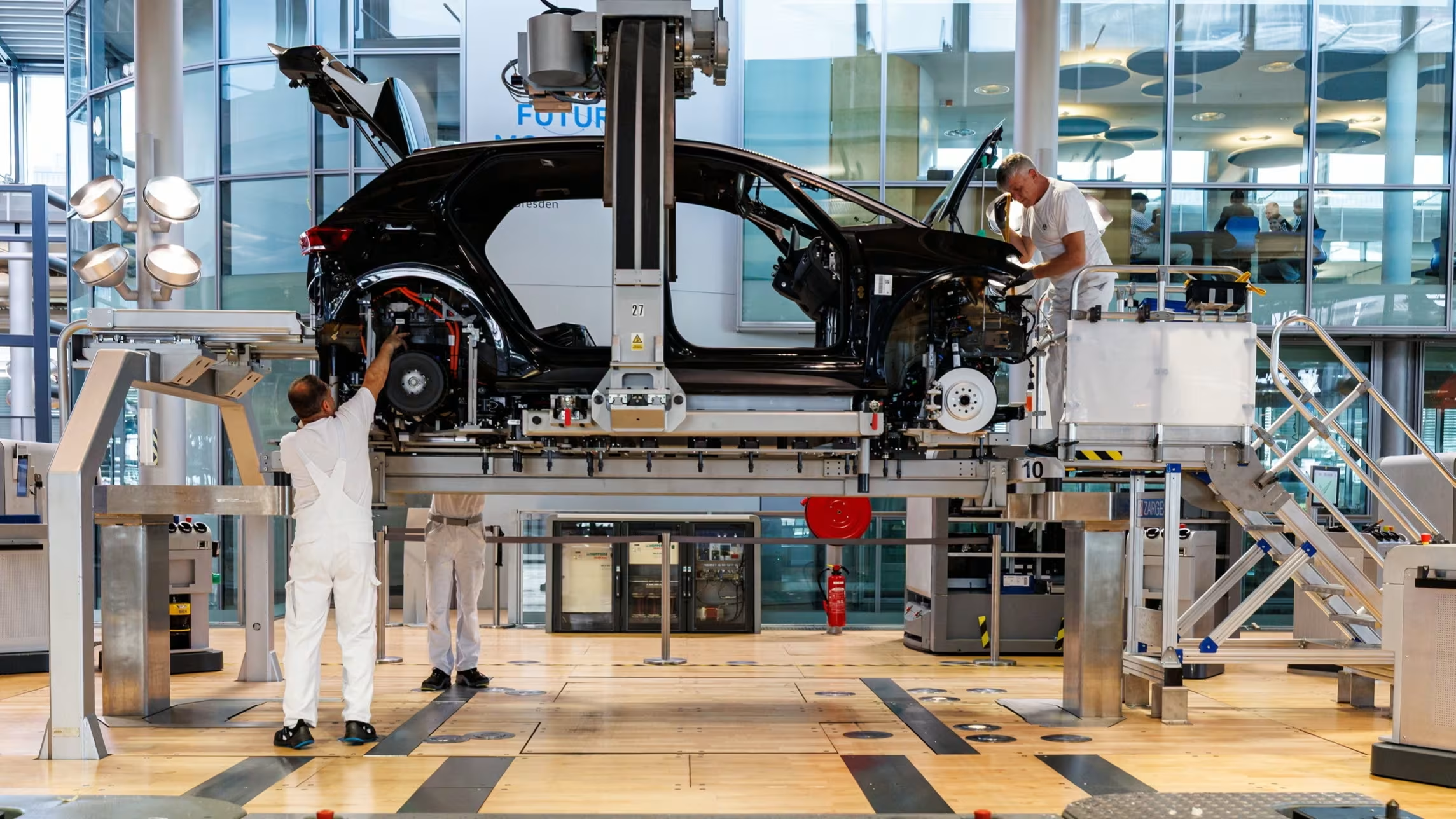
German Industrial Output Plummets to 2005 Levels Amid Auto Sector Collapse
German industrial output has declined to levels not seen since 2005, primarily due to a significant downturn in the auto sector, indicating a substantial economic slowdown.

All articles tagged with #industrial output
German industrial output has declined to levels not seen since 2005, primarily due to a significant downturn in the auto sector, indicating a substantial economic slowdown.

China's economy continued to weaken in August, with retail sales and industrial output growth falling short of expectations, and a rise in unemployment, reflecting persistent domestic demand issues and the impact of government measures against industrial overcapacity.
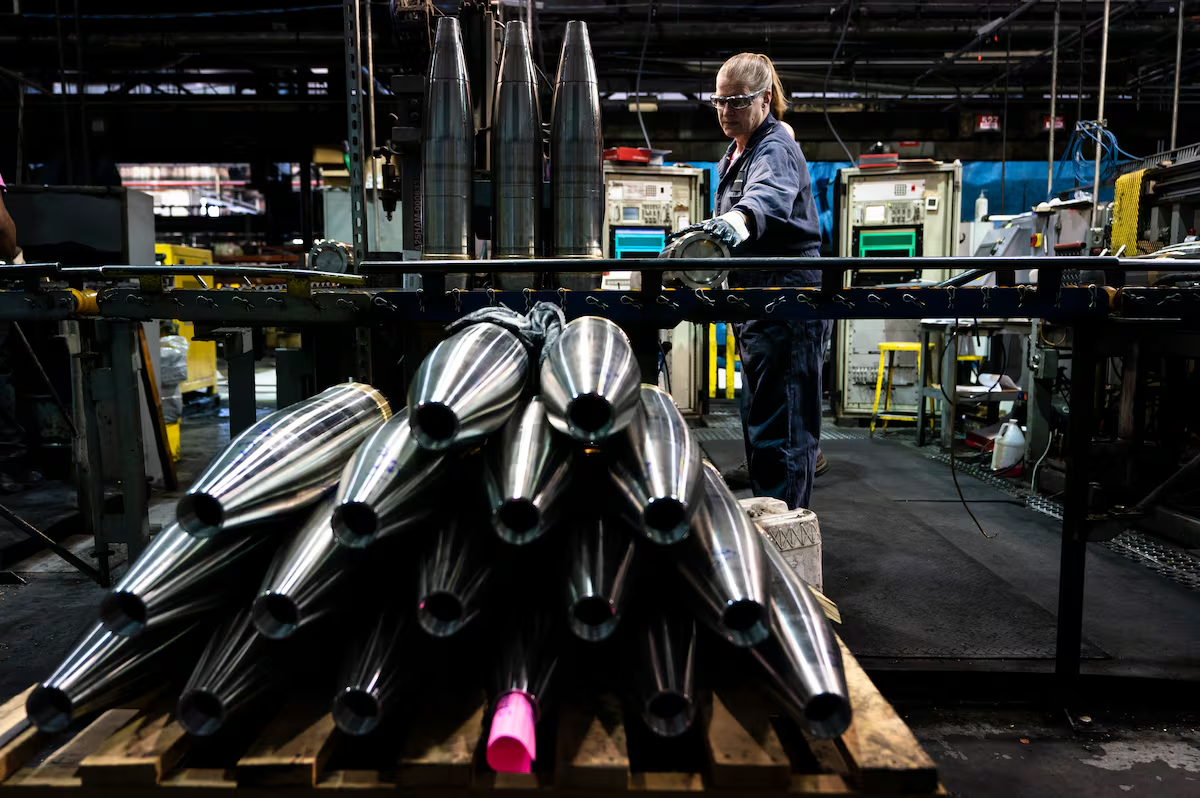
European military-industrial output supporting Ukraine has surpassed US contributions for the first time since Russia's invasion, with Europe allocating over €35.1 billion in military aid from 2022 to mid-2025, outpacing the US in both aid and industrial support, driven by sustained European support and increased procurement from military industries.

China's economy shows signs of stabilization as retail sales in October grew by 4.8%, the strongest in eight months, surpassing expectations and indicating the positive impact of recent stimulus measures. However, industrial output rose by 5.3%, which was below forecasts.
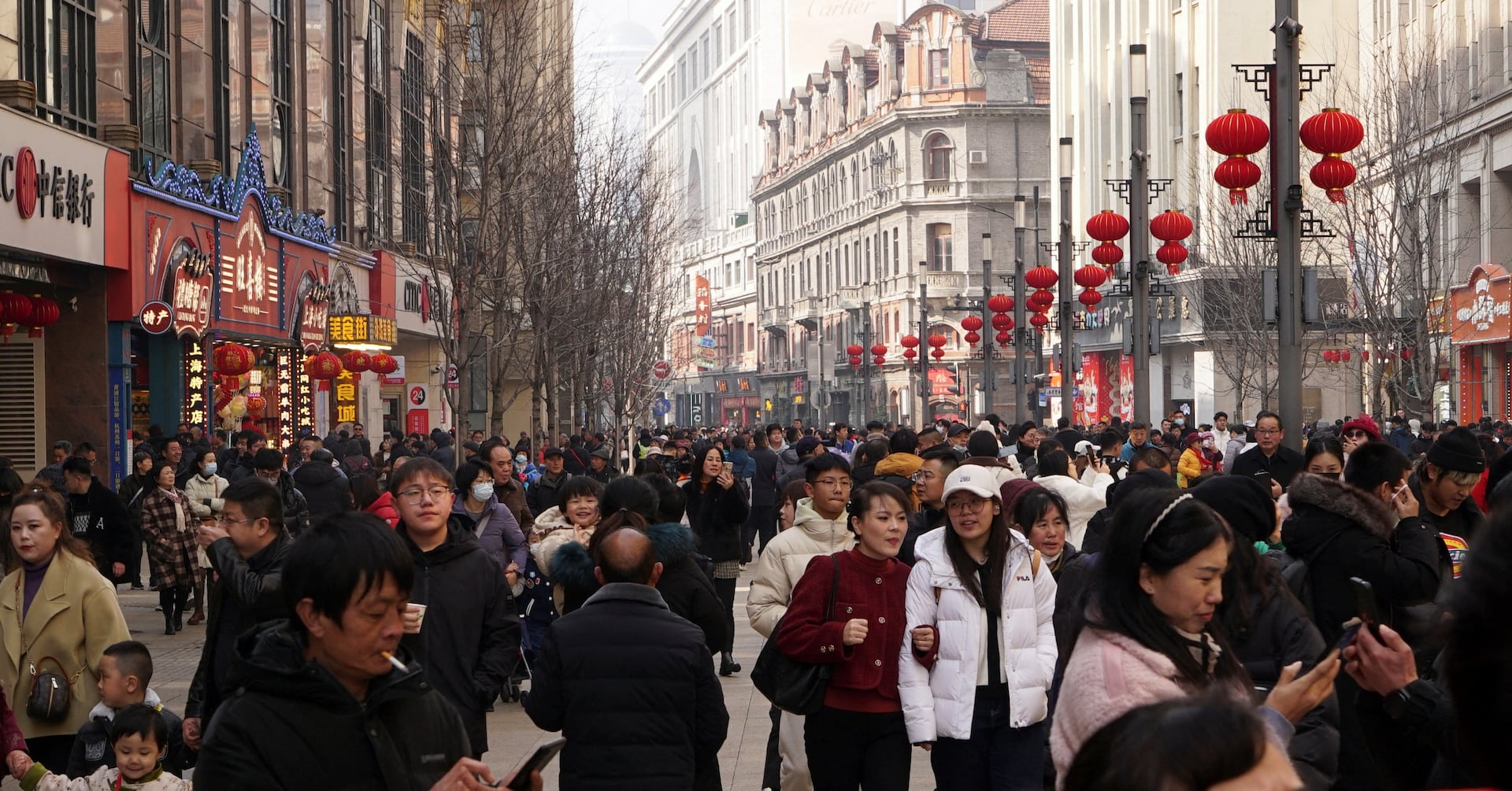
China's industrial output and retail sales exceeded expectations in the first two months of 2024, providing hope for policymakers aiming for a 5.0% GDP growth target, despite ongoing weakness in the property sector. While the Lunar New Year holiday boosted consumer spending, analysts believe sustained robust consumer spending may be challenging without further stimulus. The protracted crisis in the property sector remains a major concern, with declines in property investment and poor demand. To achieve its growth target, more policy easing, particularly in fiscal, housing, and consumption, is deemed necessary. Additionally, China faces structural challenges in its economy, and there are concerns about potential stagnation if steps are not taken to reorient the economy towards household consumption and market-allocation of resources.
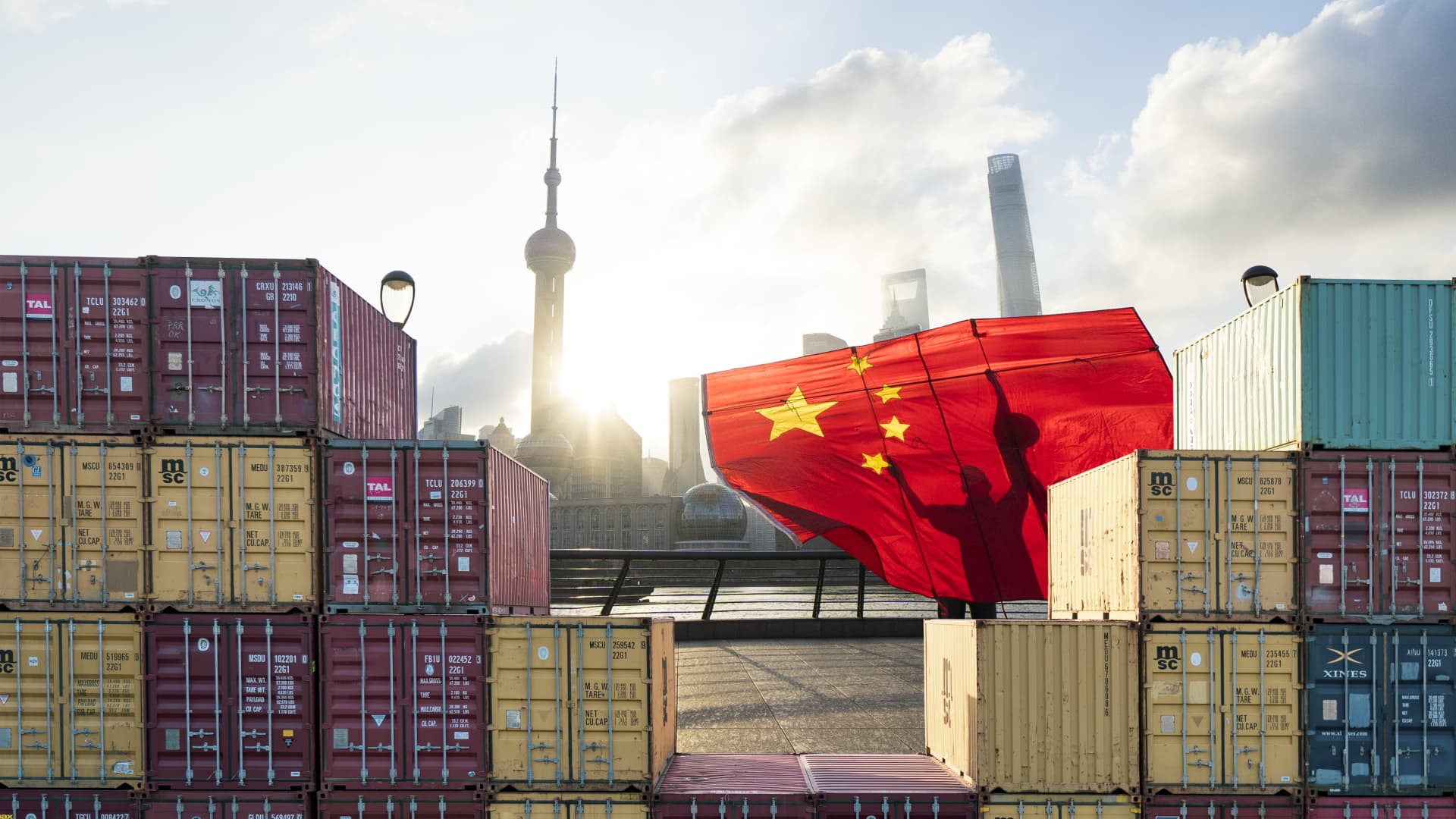
China's industrial output grew by 6.6% in November, surpassing expectations and marking the largest expansion since February 2022. However, retail sales growth fell short of expectations, indicating a patchy recovery in the country's economy. Retail sales rose by 10.1% in November, but analysts had anticipated a 12.5% increase. China's urban unemployment rate remained at 5% in November. The post-Covid recovery in China has been hindered by a real estate crisis, debt risks, and high youth unemployment, prompting calls for increased stimulus measures.

China's industrial production and retail sales grew at a faster pace in August, indicating signs of stabilization in parts of the economy. However, tumbling investment in the property sector poses a threat to the overall economic outlook. The property industry remains a major drag on growth, despite recent support measures. Analysts expect more policy support to sustain growth momentum, as the recovery is still uncertain due to low confidence in the property sector and other challenges such as high youth unemployment and rising Sino-U.S. tensions.
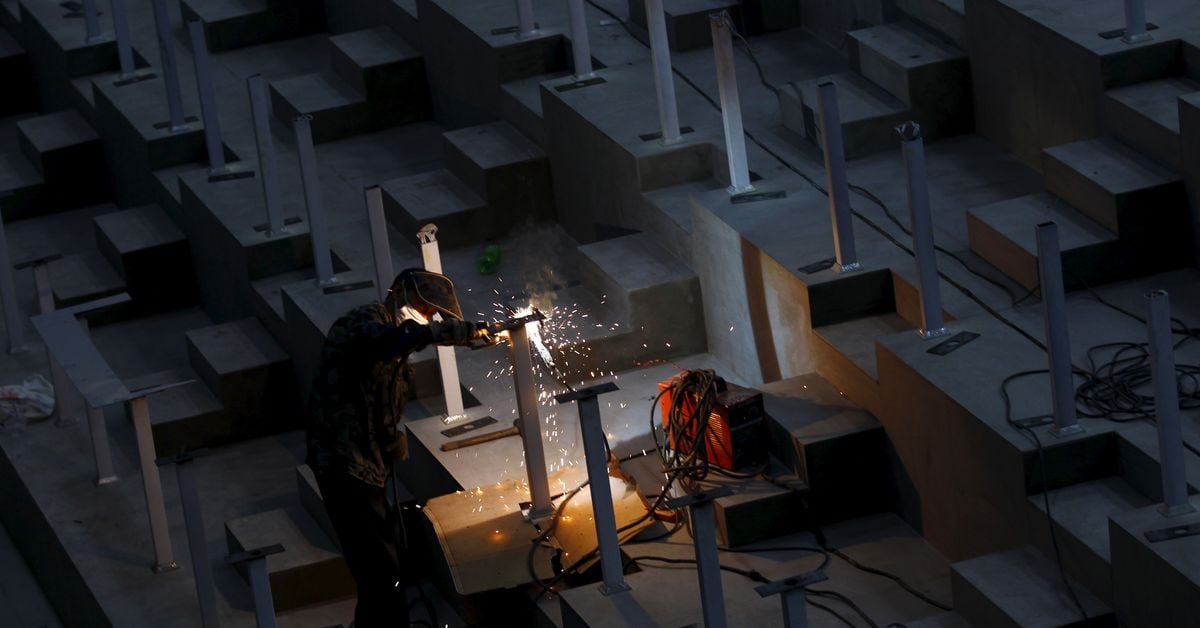
China's economy slowed further in July, with industrial output growing at a slower pace of 3.7% and retail sales rising by 2.5%, the slowest growth since December 2022. The weak data prompted the central bank to unexpectedly cut key policy rates for the second time in three months. The property sector continued to decline, with investment falling for the 17th consecutive month. The youth jobless rate also rose to a record high in June. The data highlights the need for policymakers to provide more support measures to bolster the economy.
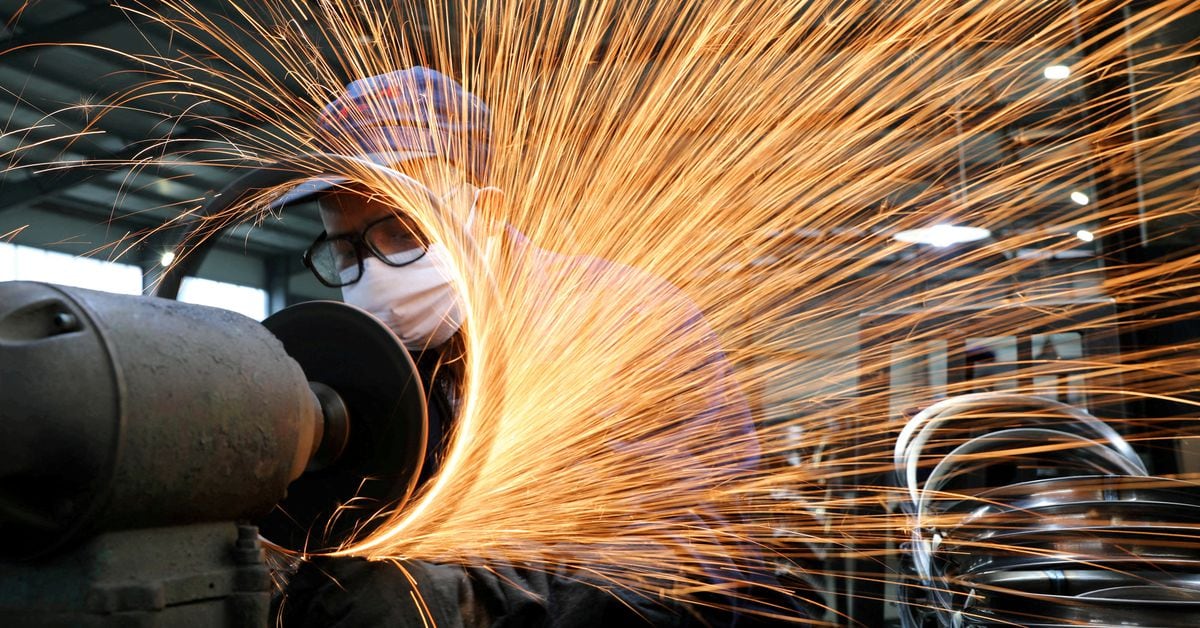
China's economy slowed down in May with industrial output and retail sales growth missing forecasts, adding to expectations that Beijing will need to do more to shore up a shaky post-pandemic recovery. The soft run of data has defied analyst expectations for a sharper pickup, given comparisons with last year's very weak performance, when many cities were under strict COVID lockdowns. The figures also reinforce the case for more stimulus as China faces deflationary risks, mounting local government debts, record youth unemployment, and weakening global demand.
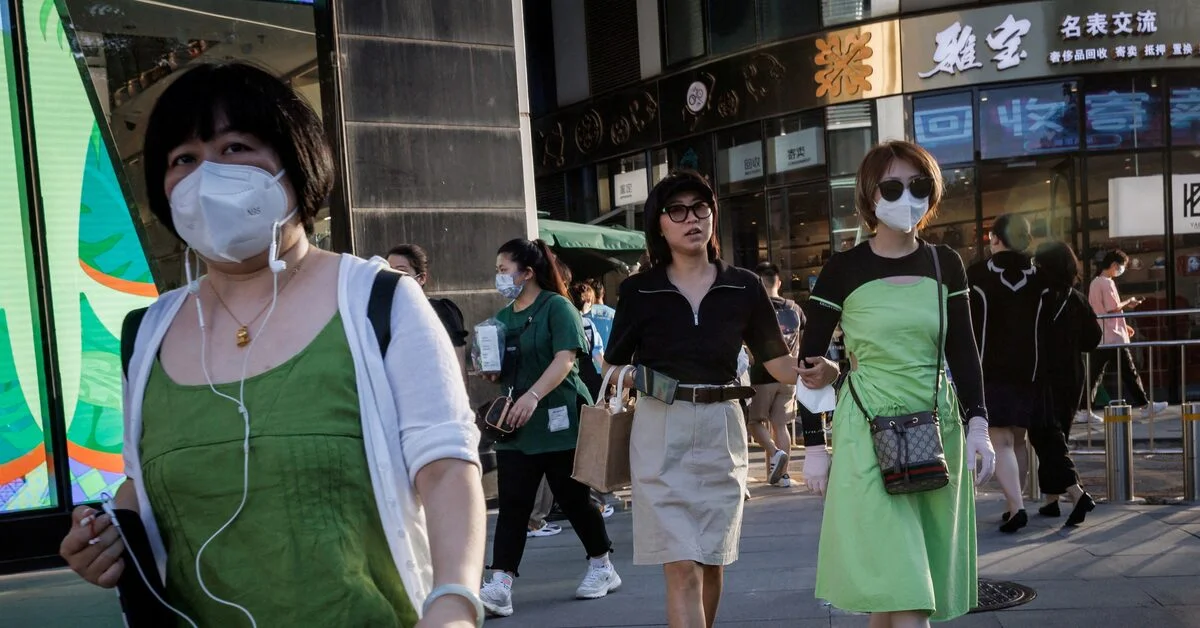
China's economic recovery is losing steam as April data shows industrial output, consumption, and property investment growth undershot forecasts, intensifying pressure on policymakers to shore up the wobbly post-COVID recovery. Both domestic and trade engines of growth remain underpowered, and high youth unemployment is a worrying sign. The struggle prompts calls for more policy easing, including a 20bps policy rate cut in the remainder of the year.