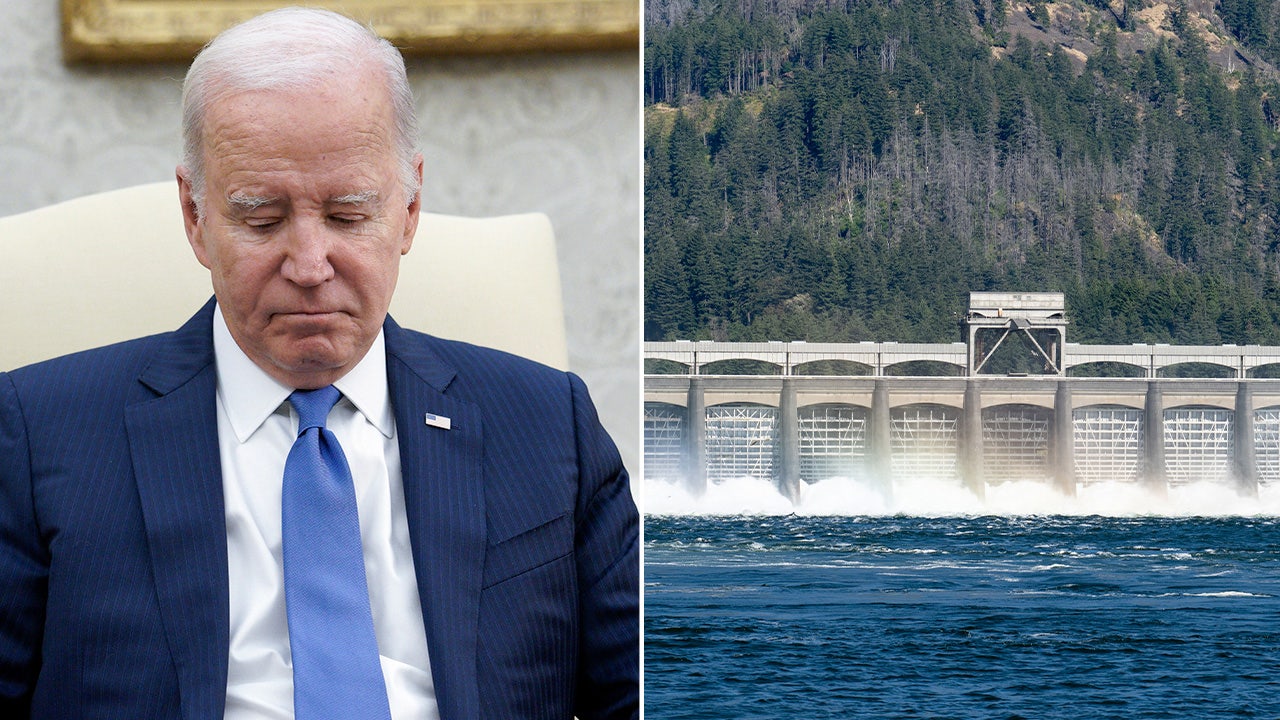
Donald Trump withdrew the US from a historic salmon recovery agreement in the Pacific Northwest, citing concerns over 'radical environmentalism,' which has been criticized by tribes and conservationists as a setback for salmon and ecological health, despite plans to invest over $1 billion in recovery efforts and clean energy projects.
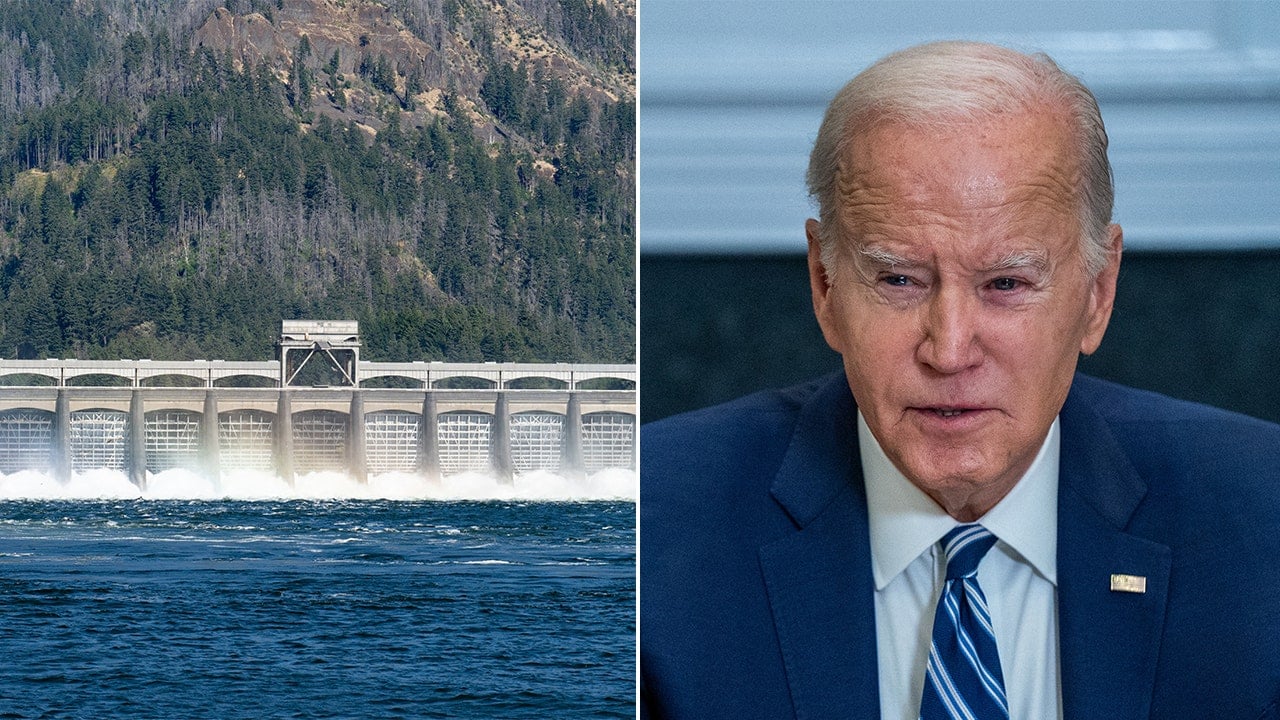
The Biden administration, in collaboration with Native American tribes and environmental organizations, has announced a plan to potentially breach four hydroelectric dams in Washington state to protect salmon populations. The federal government has entered into a legal agreement with the tribes and eco groups, staying litigation through 2028. The agreement includes $1 billion for wild fish restoration and the development of new clean energy power operated by tribes. While breaching the dams would require congressional approval, the agreement aims to replace the services provided by the dams and restore salmon populations within approximately eight years. Critics argue that the dams provide clean energy and vital services for transportation and agriculture, and removing them could have negative impacts on energy production, climate goals, and agriculture exports.
Court filings have revealed a confidential agreement between the Biden administration and environmental groups seeking to remove four hydroelectric dams in Washington to protect salmon populations. The agreement, which was made public by House lawmakers, has raised concerns about the potential impacts on the region's economy, energy production, and climate goals. The dams currently provide about 8% of the state's electricity and their removal could increase carbon emissions. Industry groups argue that the dams are crucial for agriculture exports and transportation along the Columbia River system. The agreement is set to be implemented as early as December 15, pending a multiyear pause on litigation.
The Biden administration is reportedly developing a settlement with environmental groups advocating for the removal of four hydroelectric dams in Washington to protect salmon populations. The government has agreed to pause litigation with the plaintiffs and has developed a package of actions and commitments, the details of which remain confidential. While proponents argue that breaching the dams would restore healthy salmon runs, opponents, including House Republicans and industry groups, warn of negative impacts on energy production, climate goals, transportation, and agriculture exports. The administration aims to balance the needs of wildlife, agriculture, and clean energy in the Pacific Northwest but has faced criticism for lack of transparency in the negotiations.
Consumers Energy is considering the sale of 13 hydroelectric dams located across Michigan, as the company explores options to optimize its energy portfolio. The potential sale is part of a broader strategy to focus on renewable energy sources and reduce reliance on traditional power generation methods.
Consumers Energy, a subsidiary of CMS Energy Corp., plans to sell all 13 of its hydroelectric dams in Michigan. The company wants to exit the hydroelectric business due to the higher cost of producing hydroelectric energy compared to other sources. The dams, located in five rivers in the state, have licenses expiring in 2034. Consumers Energy has issued a request for proposals to identify potential buyers, considering community feedback that favors maintaining the dams for economic and recreational purposes. The utility is open to selling all 13 dams to one buyer or exploring alternative options.
Consumers Energy, a Michigan utility, is exploring the possible sale of its 13 hydroelectric dams as it evaluates their future and cost efficiency. The utility is considering all options to maintain the dam reservoirs, which provide economic and recreational opportunities for communities. The current financing model for hydroelectric power operations requires customers to pay more than nine times the cost of energy compared to other sources of generation. The licenses for the dams begin to expire in 11 years, and they currently produce less than 1% of the energy used by Consumers Energy's customers. The utility aims to rely on natural gas and renewable energy sources, including 8,000 megawatts of solar power, to reduce carbon emissions and generate clean energy.