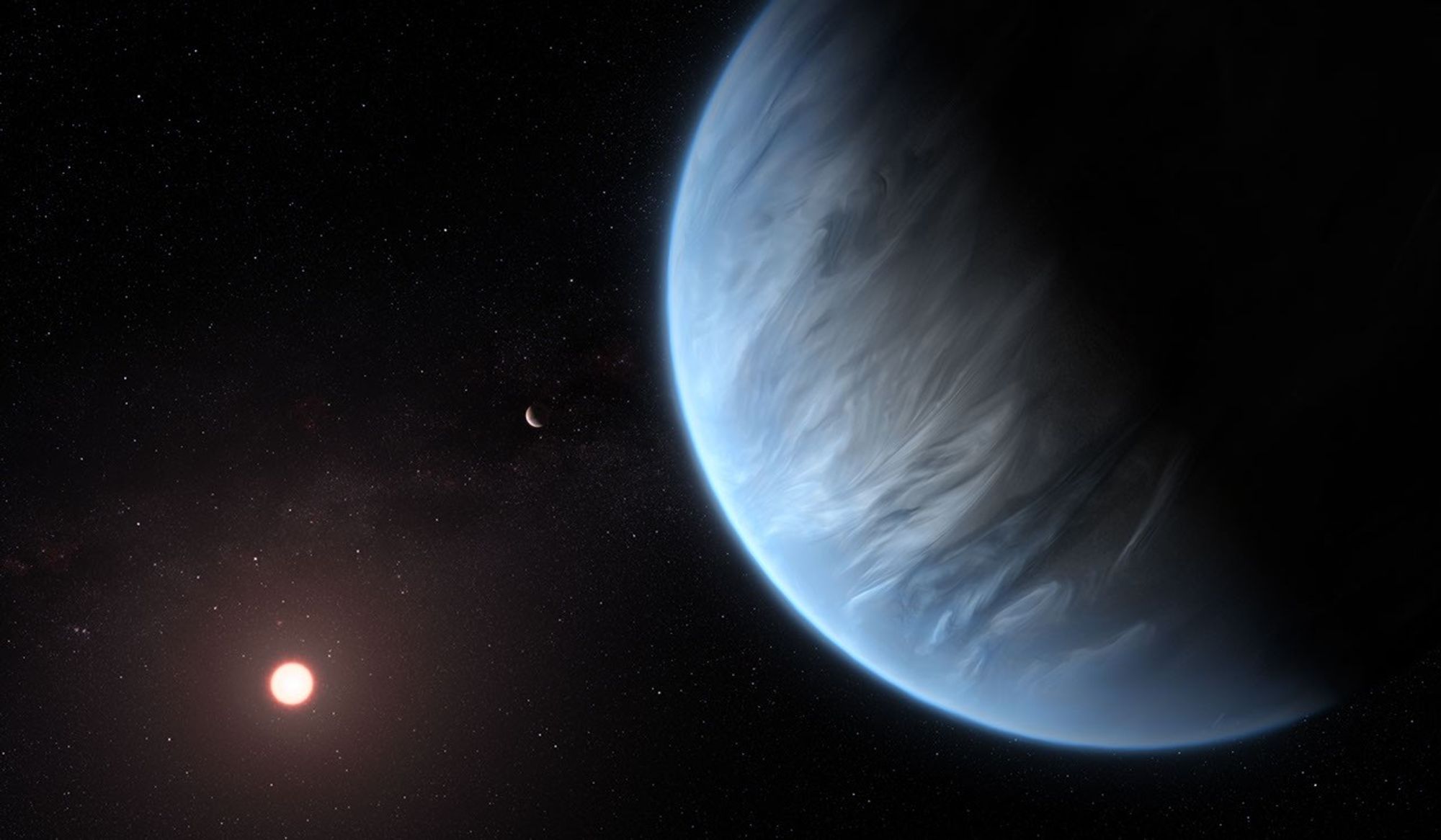
A new study suggests that sub-Neptune planets, previously thought to be potential 'water worlds' or 'Hycean planets,' are likely much drier than expected, with less than 1.5% water by mass, challenging previous assumptions and implications for the search for extraterrestrial life.
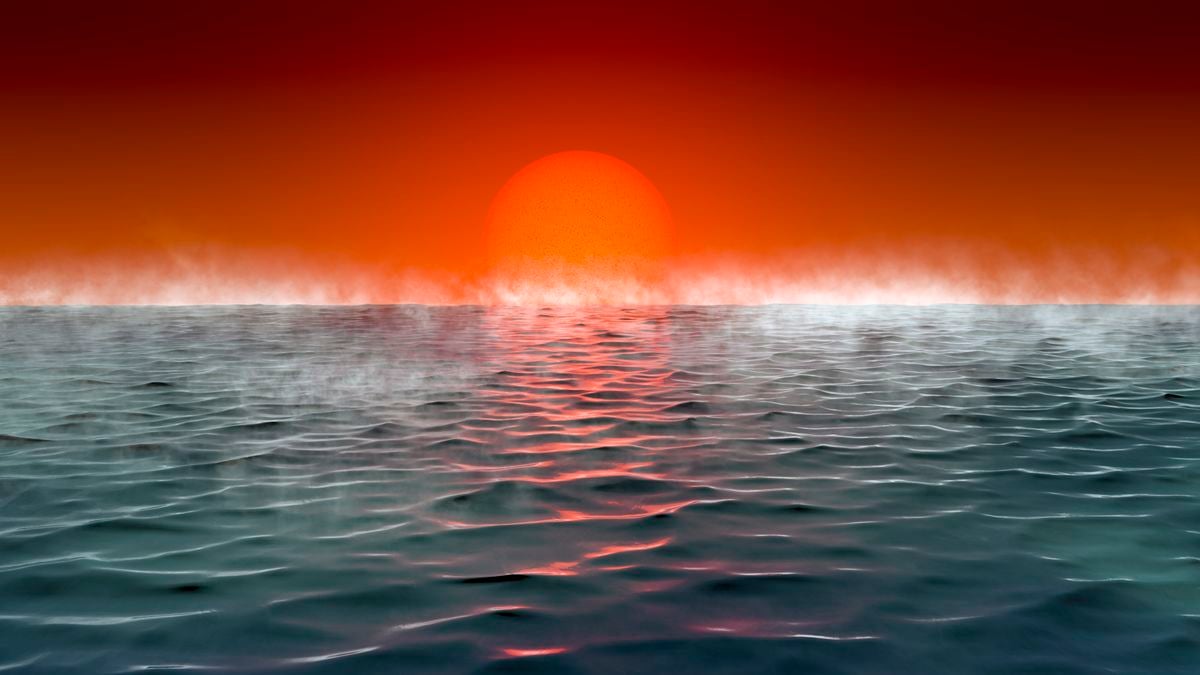
"Hycean" exoplanets, which were thought to be potential candidates for alien life due to their hydrogen-rich atmospheres and liquid-water oceans, may not be able to support life after all. New research suggests that these planets would suffer from a catastrophic runaway greenhouse effect, limiting their potential for habitability. The presence of a thick, hydrogen-dominated atmosphere radically changes how these planets behave, compared with Earth, and their habitable zone is much farther from their parent stars than previously thought. However, Hycean worlds can still exist and sustain liquid-water oceans far beyond the outer edge of the habitable zones for Earth-like planets.