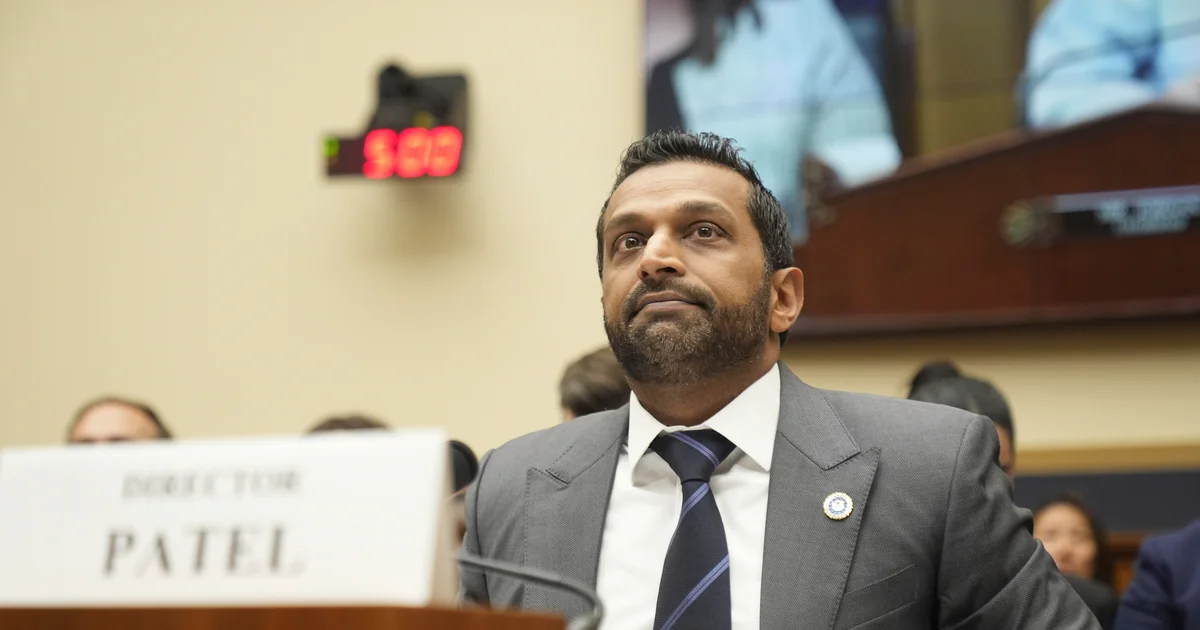
FBI Director Kash Patel testified before the House, facing questions on Epstein files, political violence, and FBI operations, amid partisan accusations and discussions on transparency and investigations related to Jeffrey Epstein and other high-profile cases.
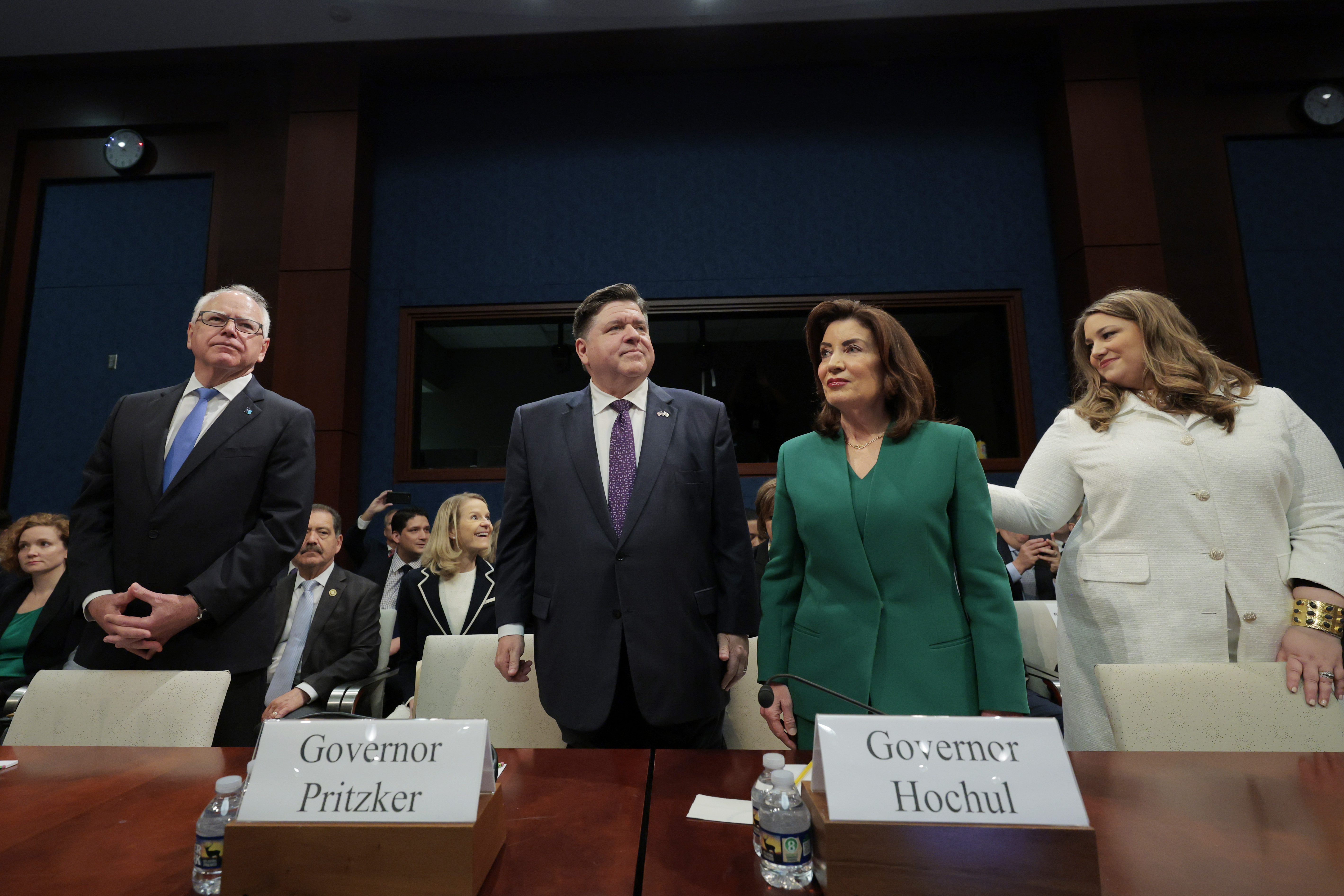
During a House Oversight Committee hearing, Republican lawmakers scrutinized Democratic governors Pritzker, Walz, and Hochul over their sanctuary immigration policies, while also addressing issues like crime, transgender rights, and federal enforcement, highlighting political tensions and upcoming electoral strategies.
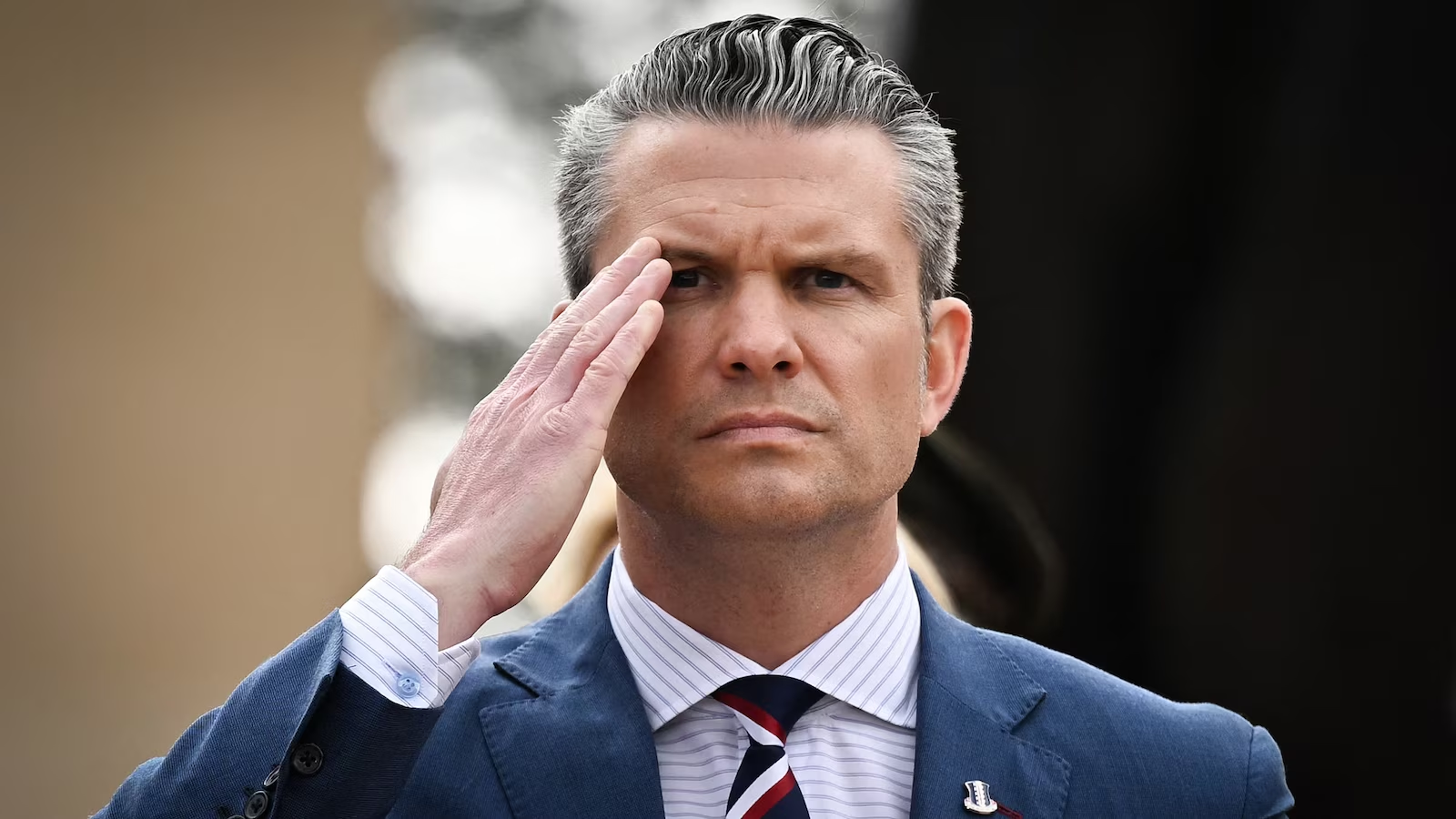
Defense Secretary Pete Hegseth testified before Congress amid controversy over the deployment of 4,800 troops, including Marines, to Los Angeles to address protests, with critics calling the move 'outrageous' and questioning its legality, while Hegseth defended the action as necessary for protecting federal property and personnel.
The House Financial Services Committee held a hearing on the Digital Asset Market Clarity Act (CLARITY), aiming to establish clear crypto regulations, but discussions were overshadowed by scrutiny of President Trump's involvement in crypto ventures, complicating bipartisan support and raising concerns about conflicts of interest.
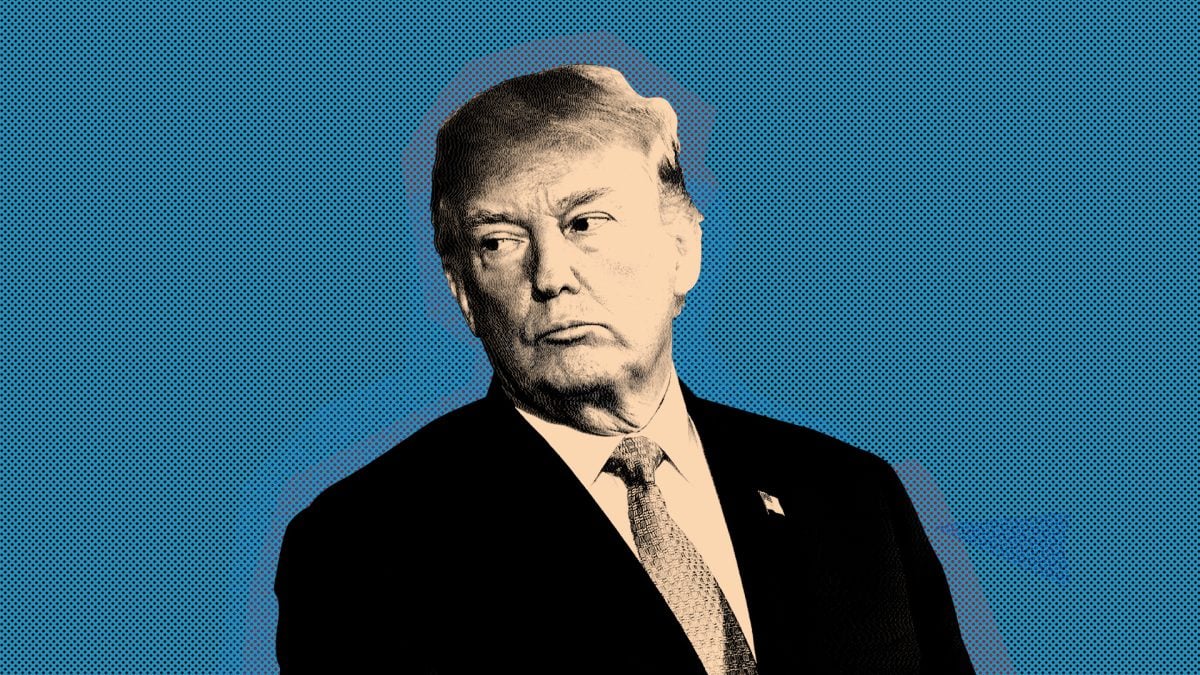
During a House Financial Services Committee hearing, Democrats criticized President Trump’s involvement in new crypto ventures, including a Trump-linked digital wallet and meme coin, arguing it complicates regulation efforts and benefits Trump financially, while also highlighting concerns about potential conflicts of interest and the impact on financial regulation.
Acting Secret Service Director Ronald Rowe Jr. testified before a House task force about the agency's failures during attempted assassinations of Donald Trump at rallies in Pennsylvania and Florida. Rowe outlined changes, including increased use of drones and staffing, to address security lapses. The hearing saw tense exchanges, particularly with Republican members, but Rowe's acknowledgment of the agency's shortcomings was praised. Congress is expected to propose further changes, including removing the Secret Service from the Department of Homeland Security.
Acting Secret Service Director Ronald Rowe Jr. testified before a House task force about the agency's failures during attempted assassinations of Donald Trump at rallies in Pennsylvania and Florida. Rowe outlined changes, including increased use of drones and staffing, to address security gaps. The hearing included tense exchanges, particularly with Republican members, but also bipartisan praise for Rowe's acknowledgment of the agency's shortcomings. Congress is expected to propose further changes, including removing the Secret Service from the Department of Homeland Security.
Acting Secret Service Director Ronald Rowe Jr. testified before a House task force about the agency's failures during attempted assassinations of Donald Trump at rallies in Pennsylvania and Florida. Rowe outlined changes, including increased drone use and staffing, to address security lapses. The hearing saw tense exchanges, particularly with Republican members, but focused on improvements since the incidents. Congress is considering removing the Secret Service and FEMA from the Department of Homeland Security to improve efficiency.
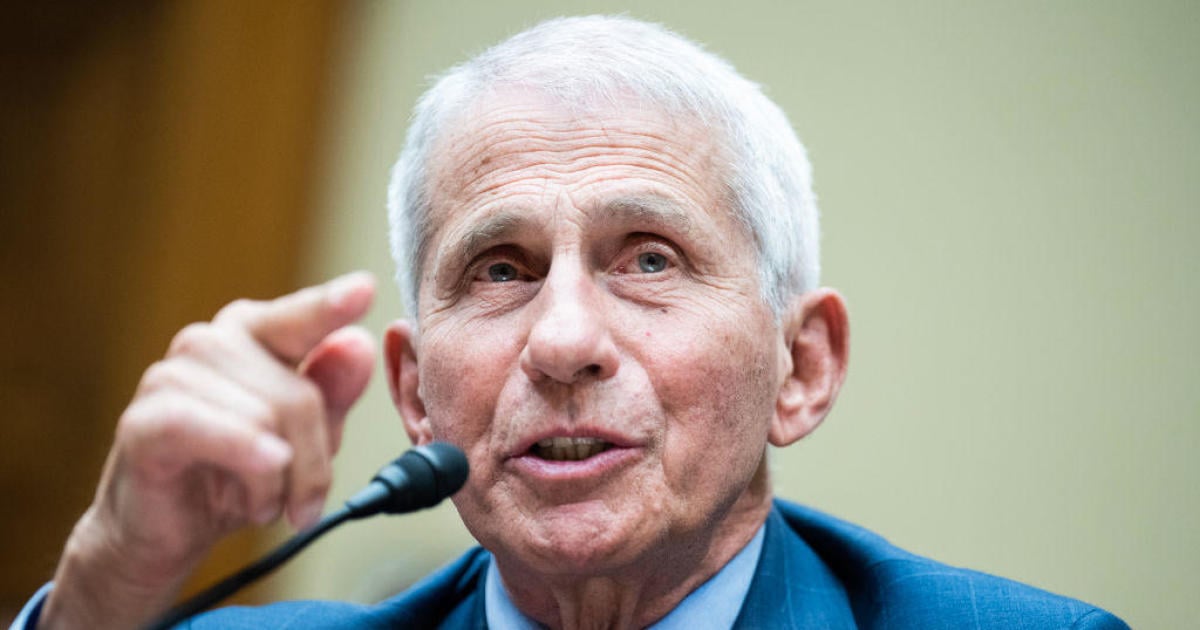
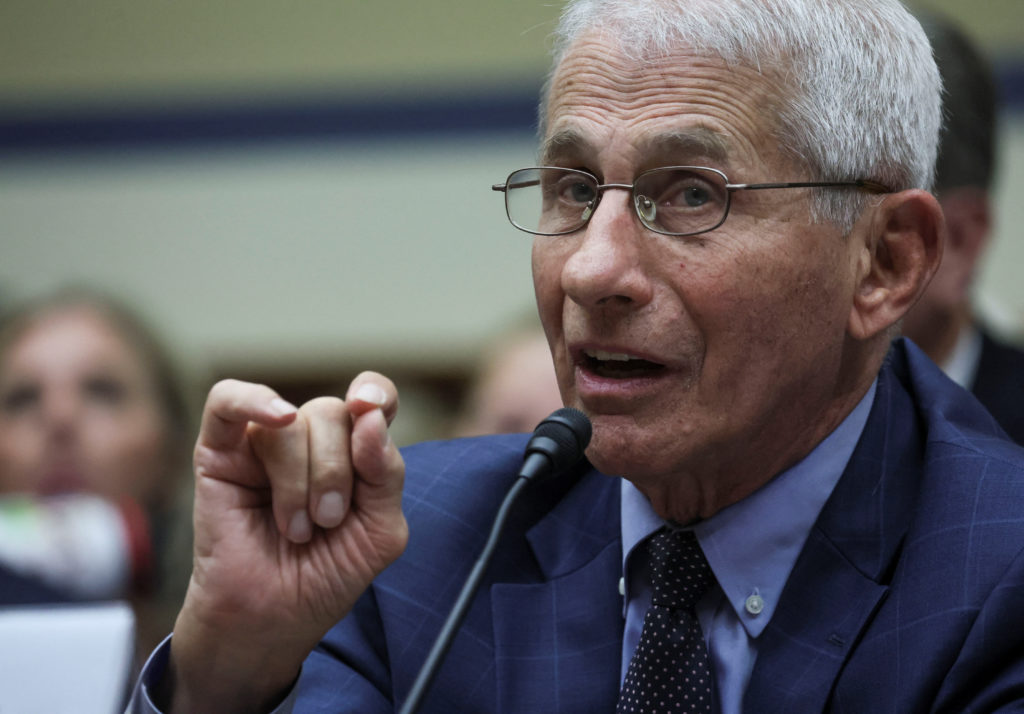
Dr. Anthony Fauci testified before a Republican-led House panel investigating the origins of COVID-19 and the government's pandemic response. The hearing, marked by intense partisan debate, saw Republicans grilling Fauci on various issues, including the lab leak theory and pandemic policies, while Democrats defended him. Fauci denied allegations of misconduct and reiterated his stance on the virus's origins and NIH funding. The testimony and a prior closed-door interview will contribute to the subcommittee's final report expected later this year.
Dr. Anthony Fauci testified before a GOP-led House subcommittee on the origins of COVID-19 and the U.S. pandemic response, facing intense questioning about NIH-funded research in China and the credibility of his former agency. Fauci reiterated his openness to both natural and lab-leak theories of the virus's origin and denied any wrongdoing or attempts to evade public records laws. The hearing also addressed controversial pandemic advice and NIH's funding practices.
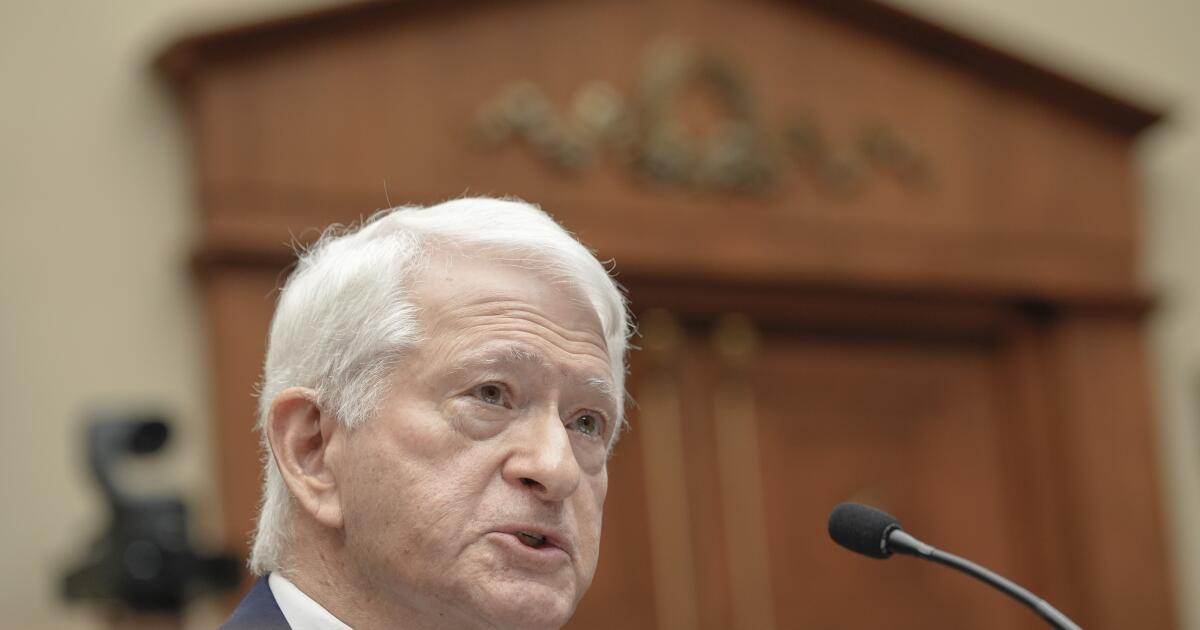
UCLA Chancellor Gene Block faced a House committee hearing over his handling of pro-Palestinian protests and rising antisemitism on campus. Lawmakers questioned Block and other university leaders about their responses to violent incidents and disciplinary actions. The hearing, marked by partisan tensions, highlighted the challenges of balancing free speech with protecting students from discrimination. Block, who is stepping down in July, defended UCLA's actions but faced criticism from both Republicans and Democrats.
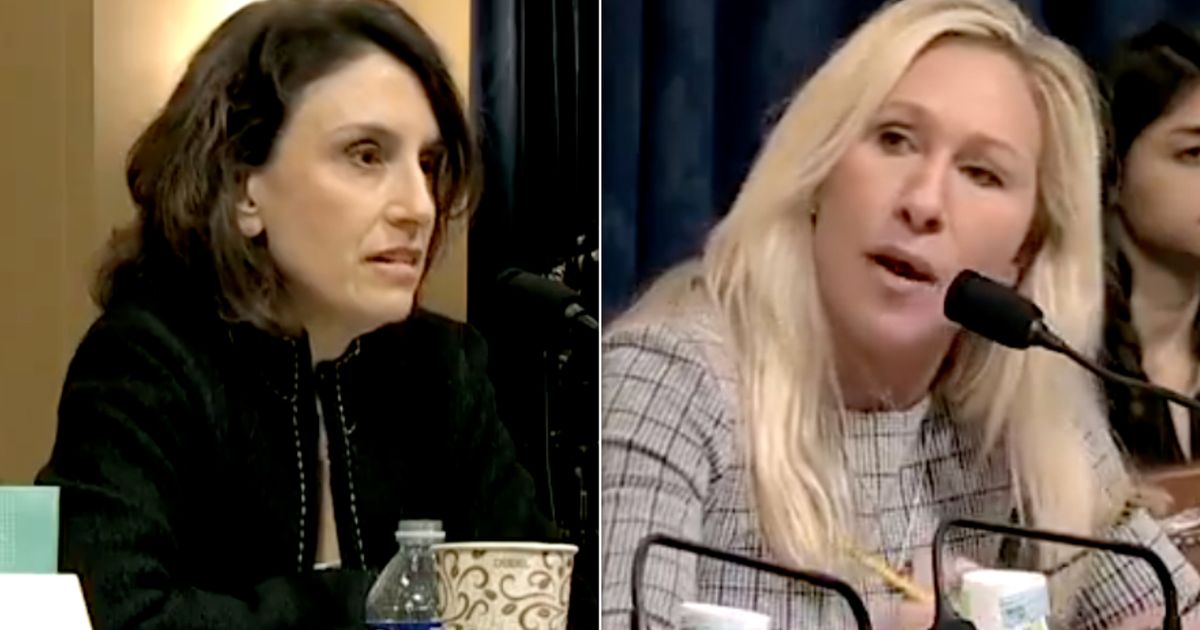
During a House hearing, Rep. Marjorie Taylor Greene aggressively questioned witness Deborah Pearlstein, attempting to coerce her into blaming either President Joe Biden or Homeland Security Secretary Alejandro Mayorkas for the immigration crisis. Greene's interrogation was marked by interruptions and pressure on Pearlstein to narrow down the cause of the border crisis. House Republicans are pursuing impeachment of Mayorkas without evidence of "high crimes or misdemeanors," and Pearlstein emphasized that policy disagreement is not constitutional grounds for impeachment.
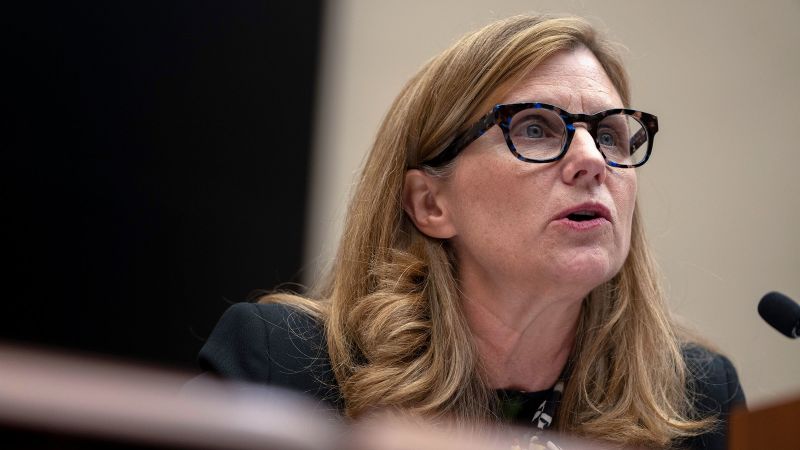
The University of Pennsylvania's board of trustees held an emergency meeting following President Liz Magill's controversial testimony at a House hearing. Magill faced criticism for her response to questions about whether calling for the genocide of Jews violates the school's code of conduct. The meeting's purpose is unclear, but Magill's future at the university is likely to be discussed. The House Education and Workforce Committee has launched an investigation into Harvard, MIT, and Penn. The testimony drew strong criticism from various stakeholders, including business leaders, politicians, and the Anti-Defamation League. Calls for the college presidents to resign have also emerged.
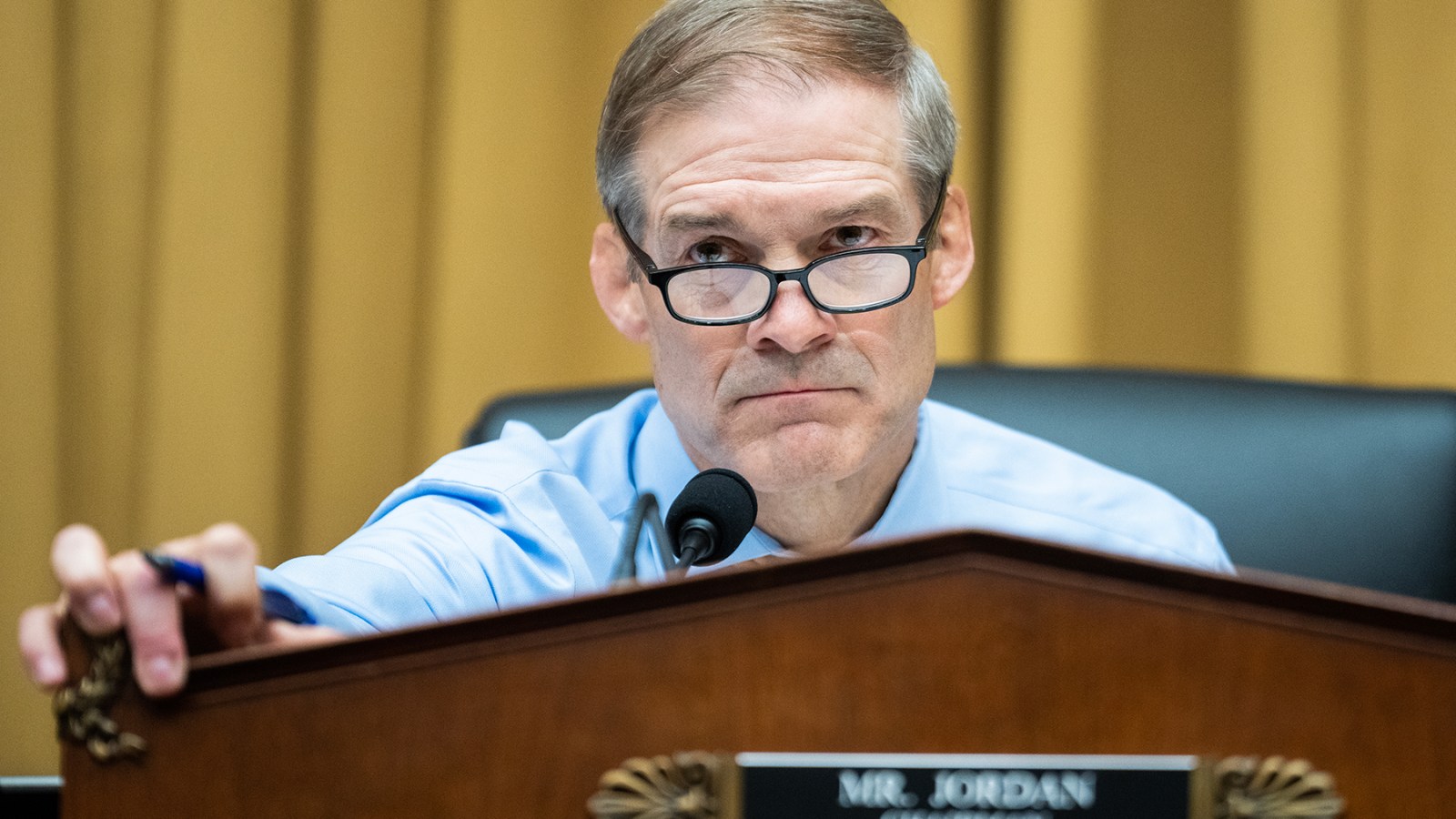
A House hearing on the weaponization of the federal government descended into chaos as Rep. Jim Jordan (R-Ohio) shouted down members who questioned violations of committee rules. Jordan claimed to have testimony from "dozens" of whistleblowers who provided him with proof that the FBI is unfairly persecuting conservatives, but the first three witnesses were not whistleblowers, but disaffected former FBI employees receiving financial backing from former President Trump's ally and advisor Kash Patel. Democrats were largely flying blind when it comes to their questioning of witnesses, as Jordan refused to grant them access to testimony in what Democrats contend is a violation of House rules.
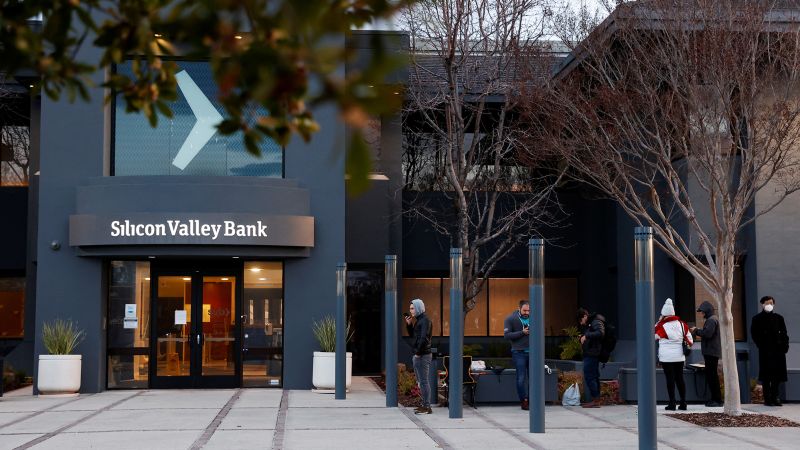
The collapse of Silicon Valley Bank (SVB) has brought attention to the risks of the "age of easy money" and the need for tighter regulation. The House Financial Services Committee will hold a hearing on the matter, with experts calling for increased scrutiny of banks and the potential for more failures. Former Fed official, Kevin Warsh, argues that the Fed should continue to raise interest rates to prevent future financial crises.