Tag

Hot Neptune

All articles tagged with #hot neptune

science1 year ago

Astronomers Discover Rare 'Hot Neptune' Exoplanet

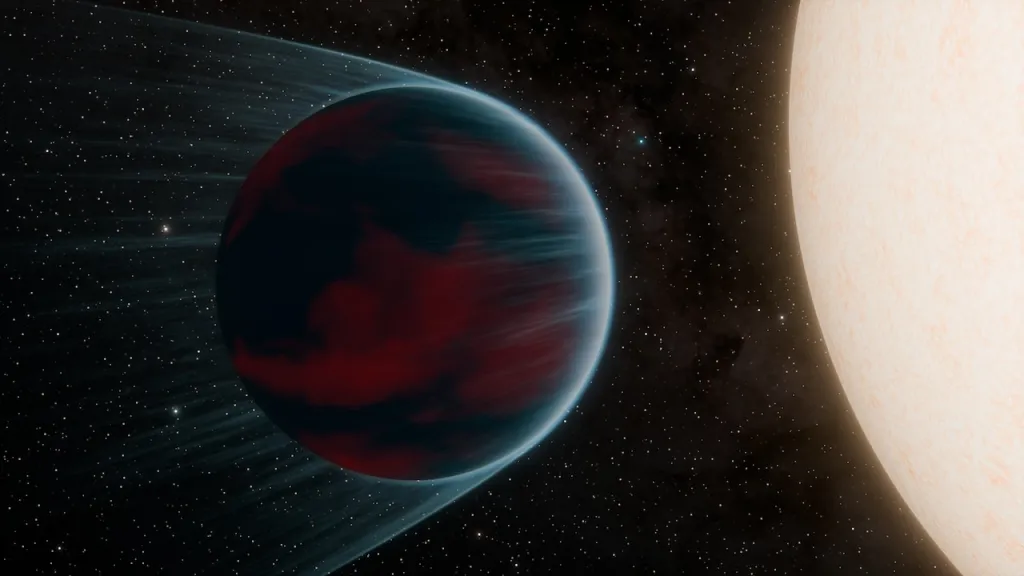
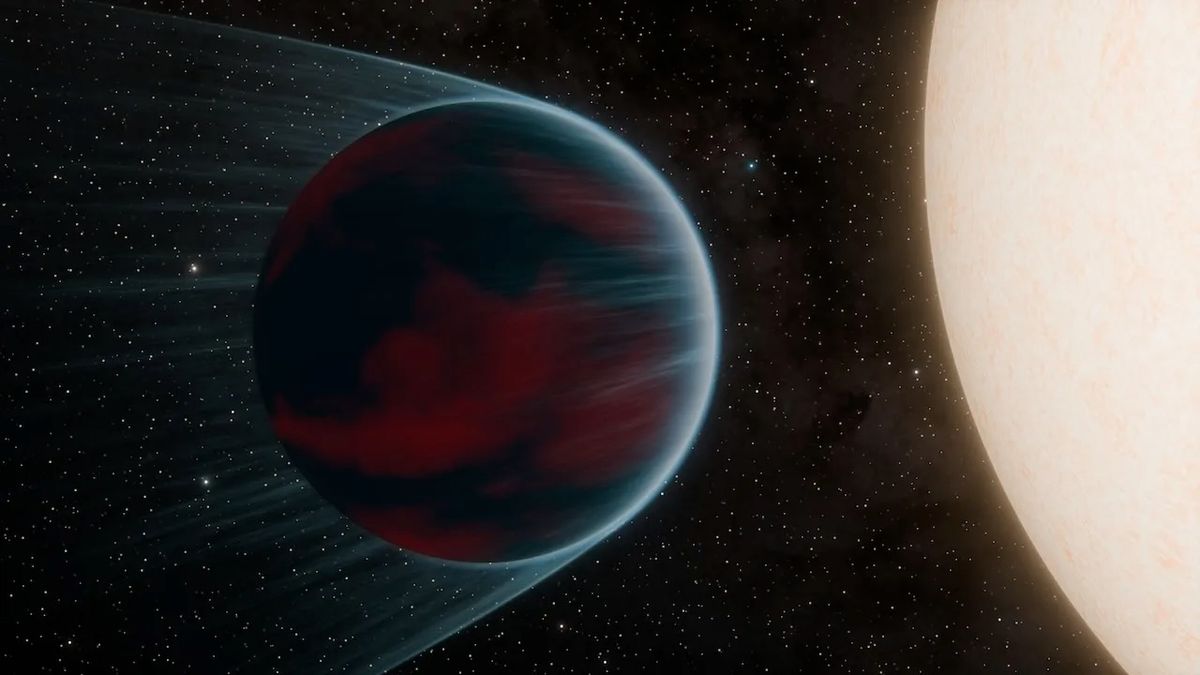
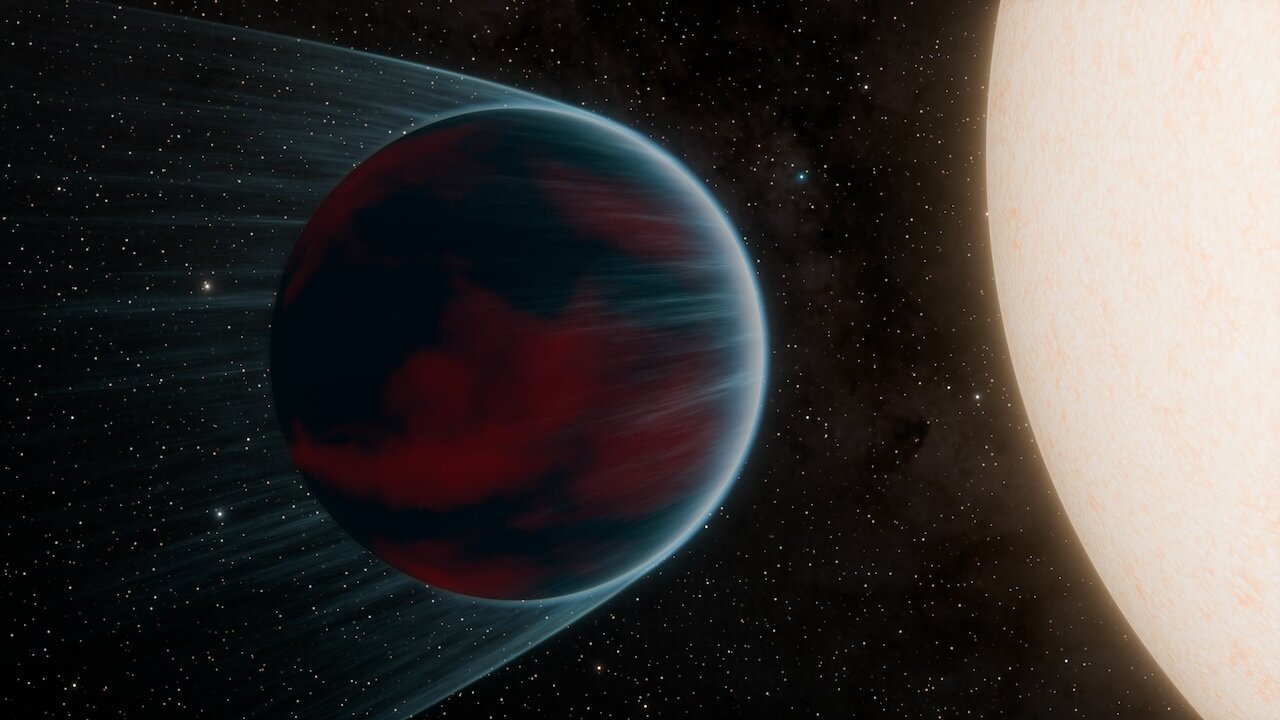
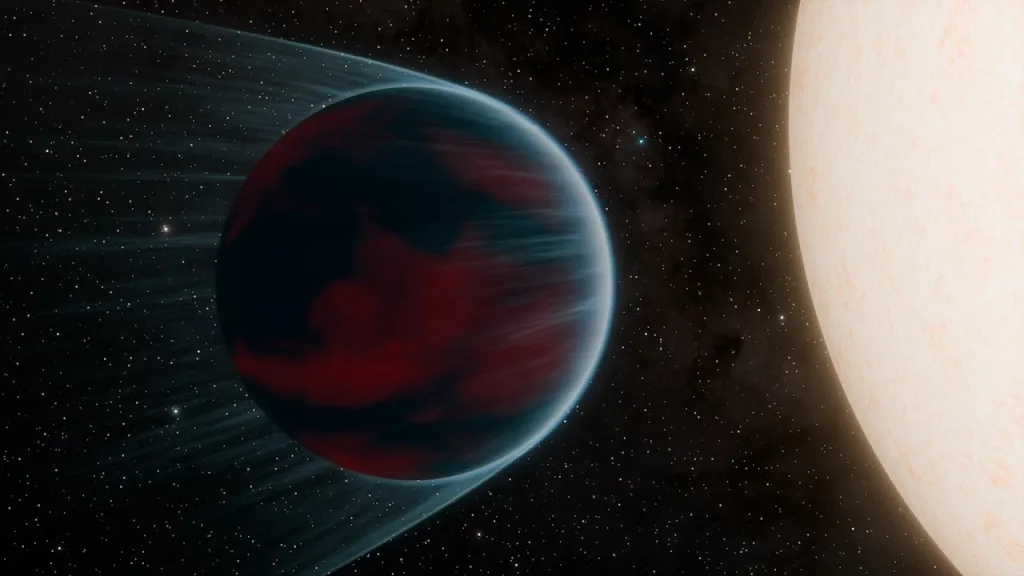
A new exoplanet, TOI-3261 b, has been discovered, marking it as only the fourth 'hot Neptune' ever found. Detected by NASA's TESS and confirmed with ground-based telescopes, this planet orbits its star in just 21 hours. Hot Neptunes are rare due to their proximity to stars, which often strips away their atmospheres. TOI-3261 b's density suggests atmospheric loss, and its formation remains a mystery. Future studies, including those with the James Webb Space Telescope, aim to uncover more about these elusive planets.
science1 year ago

Astronomers Unveil 'Hot Neptune' in Close Stellar Orbit

Astronomers have discovered a rare 'hot Neptune' exoplanet, TOI-3261 b, using NASA's TESS and ground-based telescopes. This planet, which orbits its star in just 21 hours, is only the fourth of its kind found in the 'hot Neptune desert,' a region with few such planets due to their difficulty in retaining atmospheres close to stars. The discovery offers insights into planetary formation and evolution, suggesting TOI-3261 b may have started as a larger gas giant before losing mass through photoevaporation and tidal stripping. Further atmospheric analysis, potentially with the James Webb Space Telescope, could reveal more about its composition and history.

science1 year ago

Newly Discovered 'Hot Neptune' Found in Close Stellar Orbit

NASA's TESS telescope has discovered a rare 'hot Neptune' exoplanet, TOI-3261 b, which orbits its star in just 21 hours. This planet, located in the 'hot Neptune desert,' offers a unique opportunity to study planet formation and atmospheric loss due to its proximity to its star. The planet's dense atmosphere suggests it has lost lighter gases over time, likely through photoevaporation and tidal stripping. Future observations, possibly with the James Webb Space Telescope, could provide further insights into its atmospheric composition and the formation of similar exoplanets.

science1 year ago

Newly Discovered 'Hot Neptune' Found in Close Stellar Orbit

NASA's TESS has discovered a rare 'hot Neptune' exoplanet, TOI-3261 b, which orbits its star in just 21 hours. This planet, located in the 'hot Neptune desert,' offers a unique opportunity to study planet formation and atmospheric loss due to its proximity to its star. The planet's dense atmosphere suggests it has lost lighter gases over time, likely through photoevaporation and tidal stripping. Further analysis, potentially with the James Webb Space Telescope, could reveal more about its atmospheric composition and the processes affecting similar exoplanets.

astronomy2 years ago

"Unveiling the Enigma: The Mirror-Like Exoplanet with Metallic Clouds"

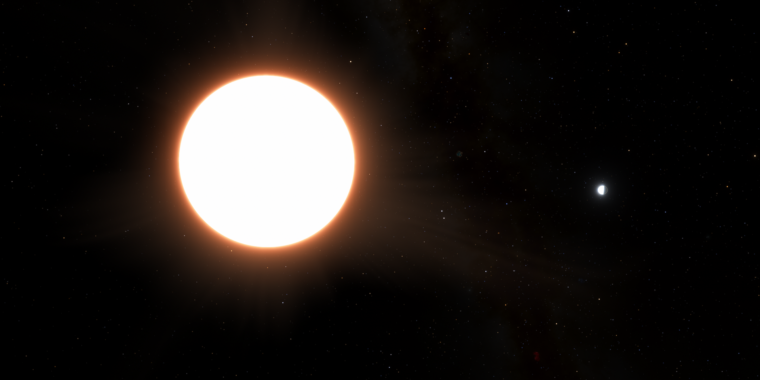
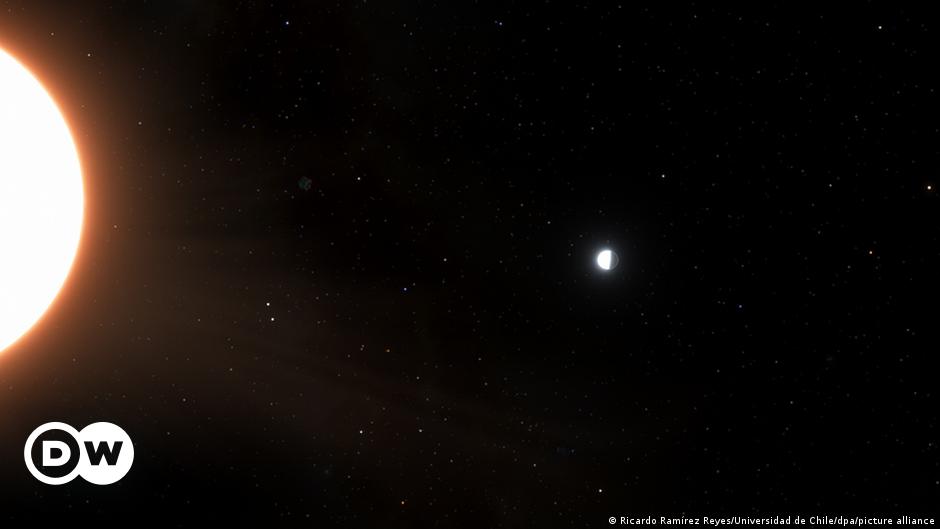
Astronomers have discovered a "hot Neptune" exoplanet called LTT9779 b, which reflects 80% of the light shone on it, making it the shiniest exoplanet ever observed. The planet's high albedo is a mystery, as it is located extremely close to its star and should not have any clouds. However, observations from the Cheops satellite suggest that the planet's atmosphere is super-saturated with silicate and metal vapors, allowing metallic clouds to form. This indicates that the planet started out as a gas giant but has been losing mass over time. Further observations from telescopes like Hubble and James Webb could provide more insights into this intriguing world.

astronomy2 years ago

"Mirror-Like Exoplanet: Scientists Uncover the Shiniest and Most Reflective Planet in the Universe"

Scientists have discovered a scorching exoplanet, LTT9779b, with temperatures reaching up to 2,000 degrees Celsius. The planet, about the size of Neptune, has metal and glass-like clouds that reflect light "like a mirror." This discovery challenges previous assumptions about the existence of planets with atmospheres so close to their star. The high reflectivity of LTT9779b's clouds prevents it from getting too hot and evaporating, while its metallic composition makes it heavier and harder to blow away. Further observations from telescopes like Hubble and James Webb are expected to provide more insights into this intriguing exoplanet.