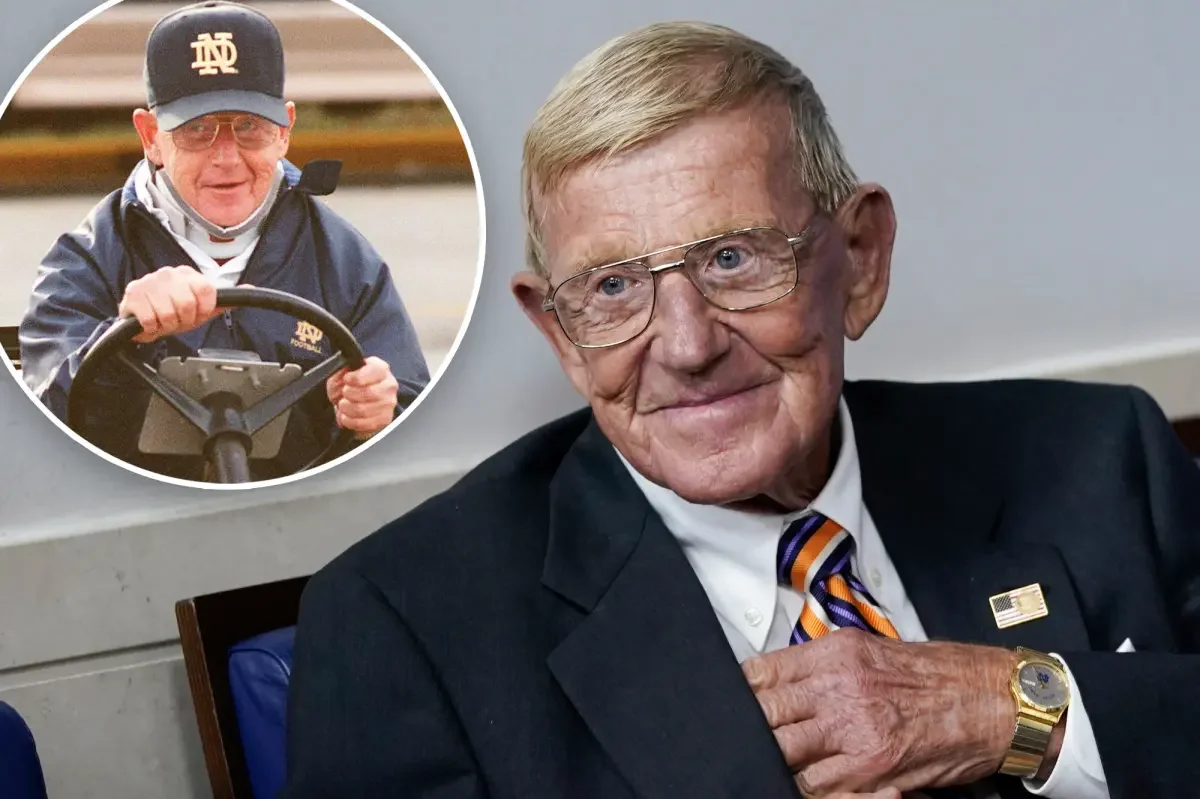
Veteran Hollywood actress Sally Kirkland, known for her roles in films like 'Anna' and TV shows such as 'Murder, She Wrote,' has been placed in hospice care due to her battle with dementia. At 84, she has faced multiple health issues, including fractures and infections, and has received financial support through a GoFundMe campaign after losing much of her career earnings in the 2008 financial crisis.
Veteran actress Sally Kirkland, known for her extensive career in film and TV, has been placed in hospice care due to dementia and health complications, with a GoFundMe campaign raising nearly $60,000 to support her medical expenses.
The author reflects on her experiences caring for her aging parents with terminal illnesses and dementia, leading her to consider the importance of planning her own death on her terms, inspired by Swiss assisted dying options and the desire for personal control over end-of-life decisions.
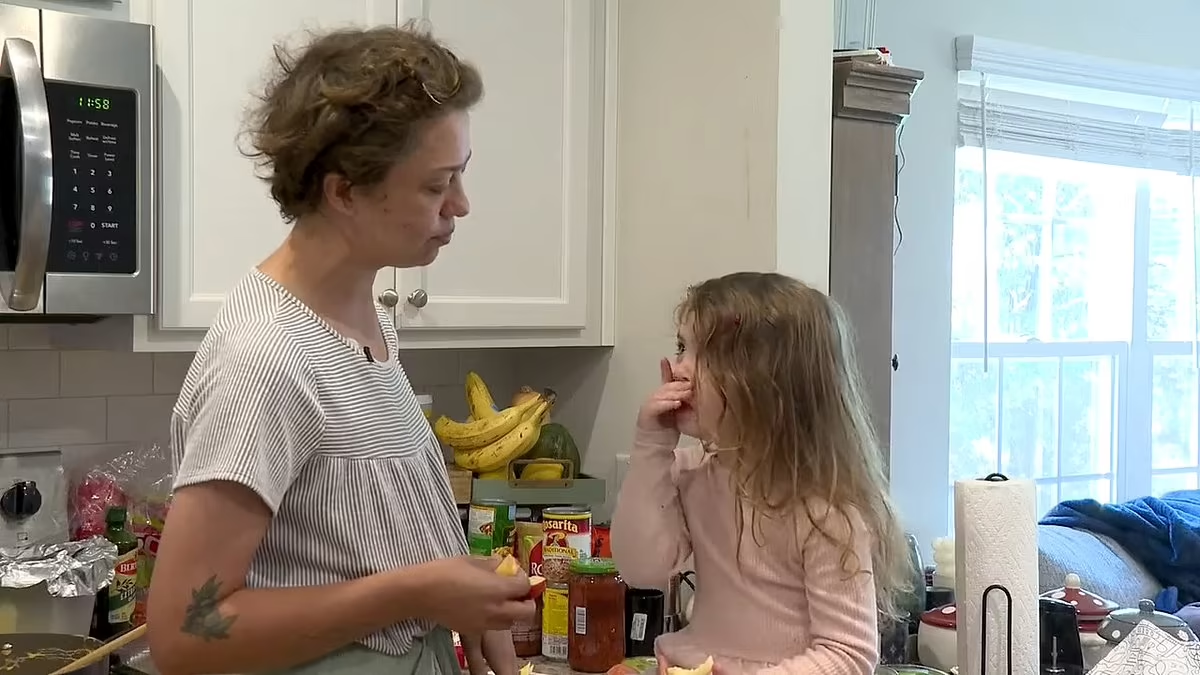
Sara Long, a 26-year-old mother from Savannah, is preparing her four-year-old daughter Riley for her impending death due to a rare kidney disease. Despite battling the condition since age 13 and undergoing a failed kidney transplant, Long remains positive, cherishing the time spent with her daughter. As she enters hospice care, Long has written numerous letters for Riley to open at future milestones. Her husband, Justin, supports her through this difficult time, and the family is fundraising for funeral costs.
Bonnie Ann Tatro, 55, of Worcester, passed away on November 15 after an 8-year battle with breast cancer. She is survived by her sister, nieces, nephews, and was predeceased by her parents and siblings. Bonnie worked at National Grid for 27 years and enjoyed traveling, hot yoga, and visiting casinos. Her family thanks the Rose Monahan Hospice for their care. In lieu of services, donations can be made to the Second Chance Animal Shelter.
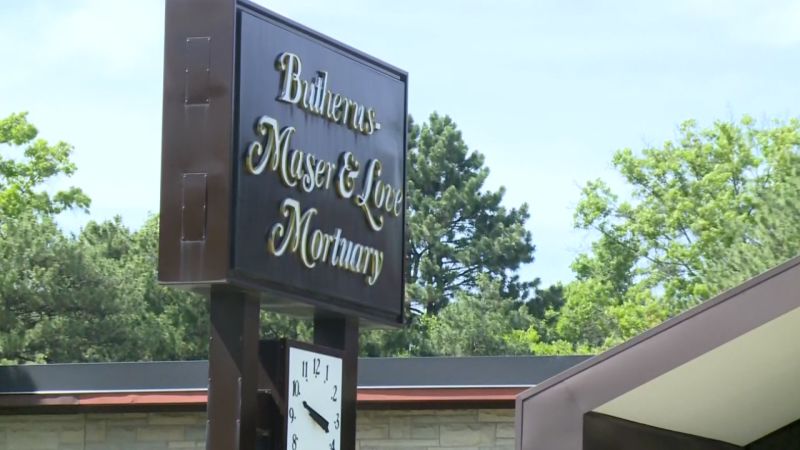
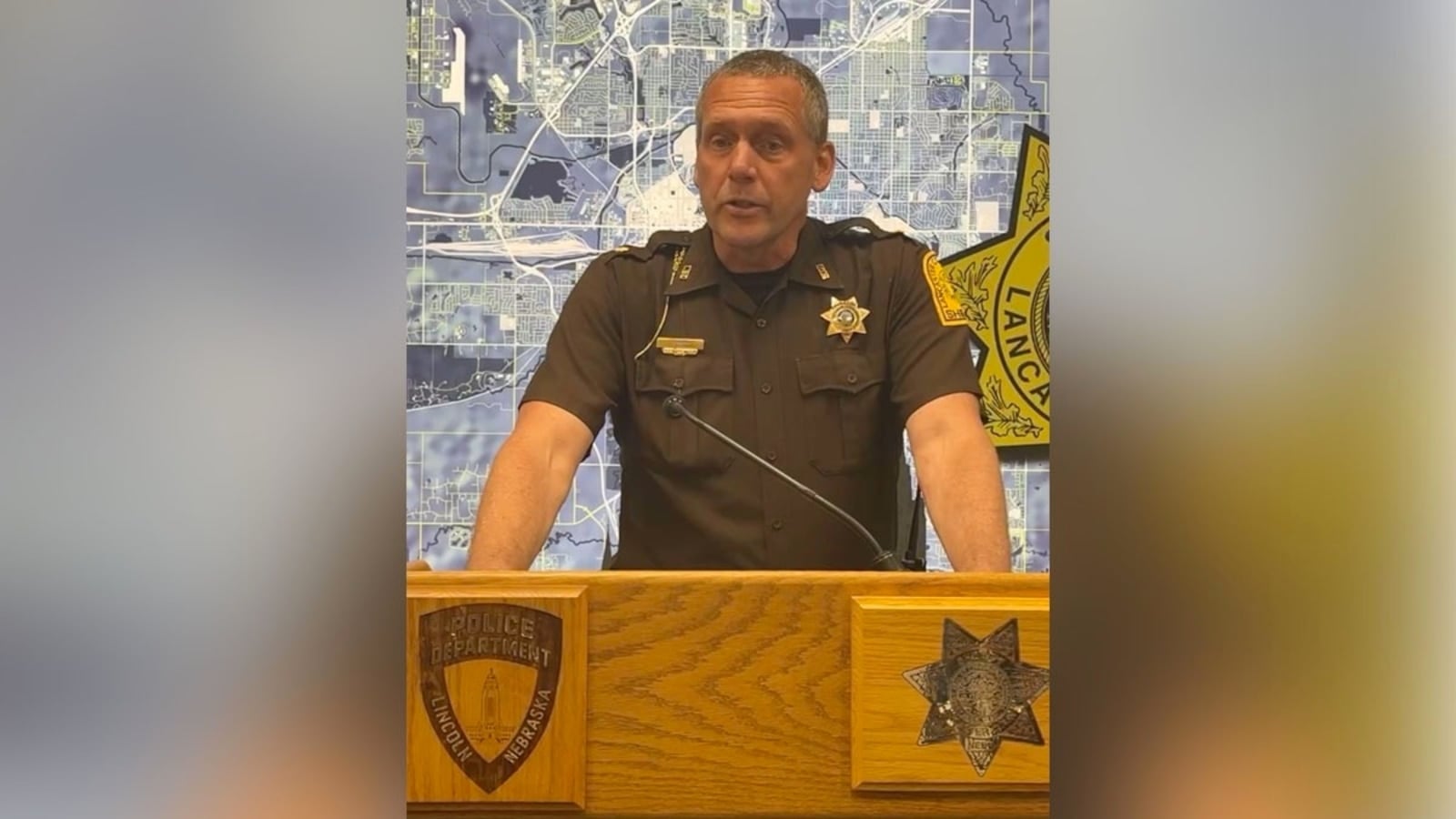
A 74-year-old hospice patient in Nebraska was declared dead by her nursing home but was found breathing by funeral home workers two hours later. Despite being rushed to a hospital, she died later that afternoon. The incident is under investigation, though no laws appear to have been broken. Similar cases have occurred in New York and Iowa recently.
A 74-year-old Nebraska woman, Constance Glantz, was declared dead by nursing home staff but was found breathing two hours later by a funeral home worker. She was taken to a hospital and is still alive. The incident is under investigation, but no criminal intent has been found so far.
A 74-year-old woman in Nebraska, declared dead in hospice care, was found breathing at a funeral home. The funeral home staff performed CPR, and she was taken to a hospital where she remains alive. Authorities are investigating, but no criminal charges are pending.
A 74-year-old woman in Nebraska, declared dead at a nursing home, was found breathing at a funeral home. The woman, Constance Glantz, was transported to a hospital and remains alive. Authorities are investigating the incident, with no criminal charges currently pending.
Death doulas, who provide support to terminally ill patients and their families, are increasingly in demand in the U.S. due to gaps in hospice care and the rise of medical aid in dying (MAiD) policies. These doulas offer a range of services, from personal care to emotional support, and can charge up to $3,000. Their role is seen as vital in providing dignity and companionship to those in their final days, especially for those who are alone. The movement is growing, with calls for insurance companies to recognize and reimburse their services.
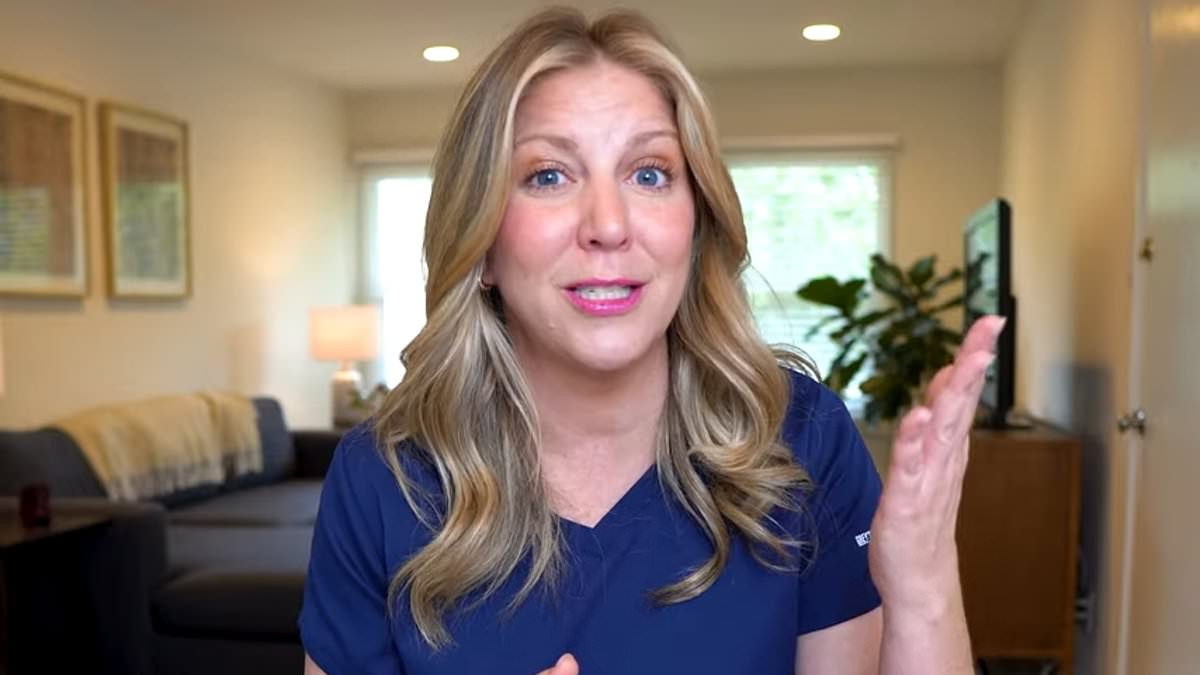
Hospice nurse Julie McFadden explains the 'death stare' as a common end-of-life phenomenon, where dying individuals become fixated on a certain point in the room and may exhibit 'end-of-life visioning.' Sharing a hair-raising story, she recounts an elderly man's experience with the 'death stare' and how he claimed to see Jesus before his passing. Julie emphasizes that these occurrences can provide insight into a person's timeline before death and aims to destigmatize the process of 'death and dying' through her social media presence and upcoming book.
The introduction of the drug Trikafta has given cystic fibrosis patients a chance at a longer life, prompting them to navigate a future they never expected. Jenny, a patient, found herself redefining her purpose and pursuing a career in social work after realizing the uncertainty of no longer being actively dying. She now advocates for mental health and is pursuing a master's degree, finding fulfillment in helping hospice patients navigate the end of life with dignity and small acts of kindness.
Cat Janice, a D.C. alt-pop artist whose music gained viral fame while she was in hospice, has passed away at the age of 31 after battling a rare sarcoma. Her final song, "Dance You Outta My Head," gained widespread attention and reached No. 11 on Billboard’s Digital Sales chart. Janice leaves behind a musical legacy that will continue to support her 7-year-old son, Loren.
Former President Jimmy Carter's family celebrates his resilience as he marks one year in hospice care, emphasizing that his spirit remains strong despite his physical condition. At 99, Carter is the oldest living US president and has faced numerous health challenges, including surviving brain and liver cancer. The Carter family expressed gratitude for the support they've received and highlighted the importance of discussions around hospice care. Widely revered for his human rights advocacy and diplomatic achievements, Carter continues to be at home with his family, following the passing of his wife, former first lady Rosalynn Carter, in November.
Former President Jimmy Carter's one-year endurance in hospice care at home following his decision to forgo future hospital stays has drawn attention to the realities of aging, dementia, and end-of-life care. The Carter family's public demonstration of their experiences has shed light on the often-misunderstood service of hospice, prompting advocates to hope for increased awareness and discussions about the importance of seeking out services to help patients and families in the latter stages of life. The article also provides insights into hospice care, dispelling misconceptions and highlighting the need for potential changes and expansion in the healthcare system.