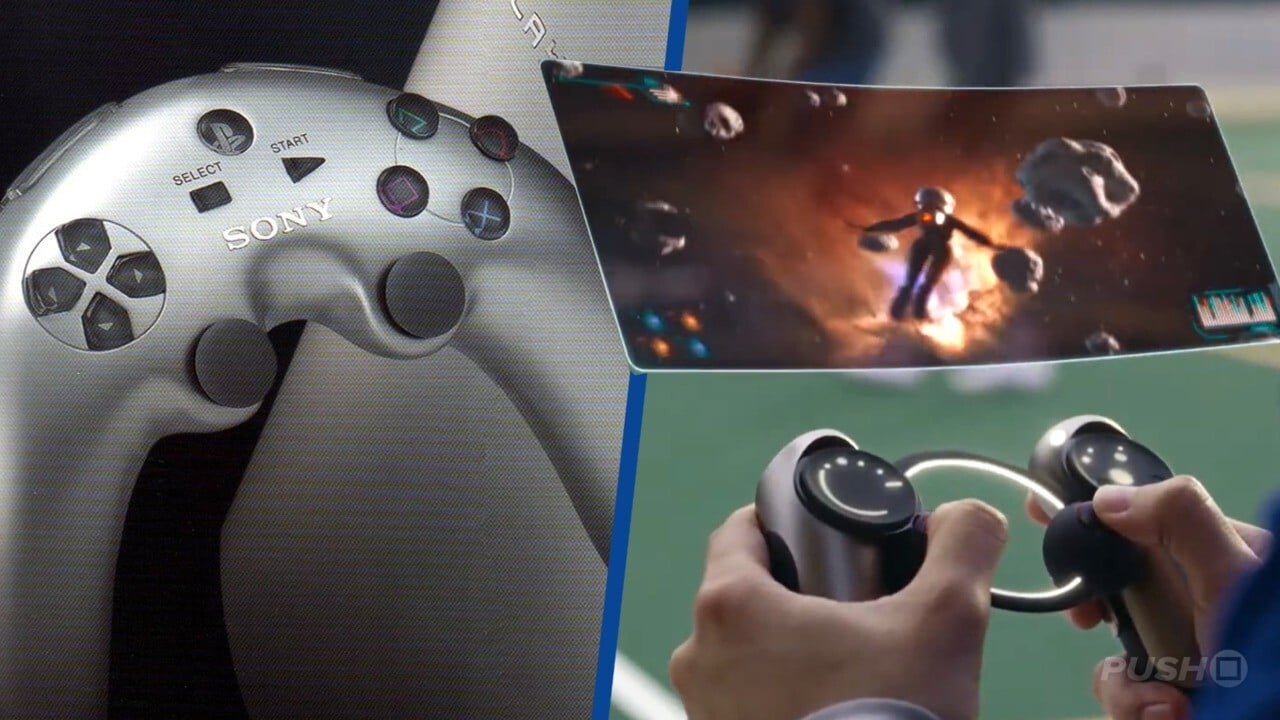
Sony's recent concept trailer, unveiled during its Corporate Strategy Meeting, showcases a futuristic vision of gaming that includes holographic technology and a PS3 boomerang-style controller with a screen. While these are not real products, the trailer aims to evoke the company's direction towards unifying technology and creativity to deliver emotionally stimulating experiences.
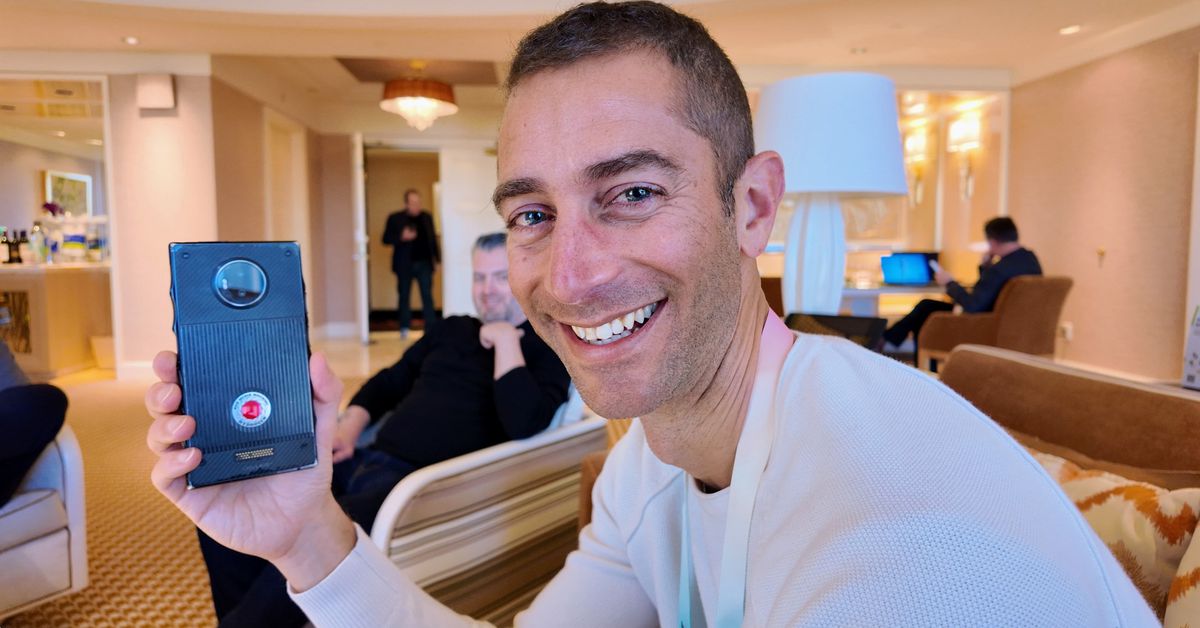
Leia, the company behind the failed Red Hydrogen 3D phone, has made a comeback with its glasses-free 3D screen technology, now featured in products from Acer, Asus, Dell, Lenovo, and MSI. The company acquired Philips spinoff Dimenco and a trove of stereo 3D patents, positioning itself as the leader in switchable 2D to 3D screens. Leia's CEO, David Fattal, demonstrated the company's advanced 3D prototypes, including an 8K monitor and a new 3D OLED phone, showcasing improved technology and potential for a resurgence of 3D content consumption without the need for goggles.
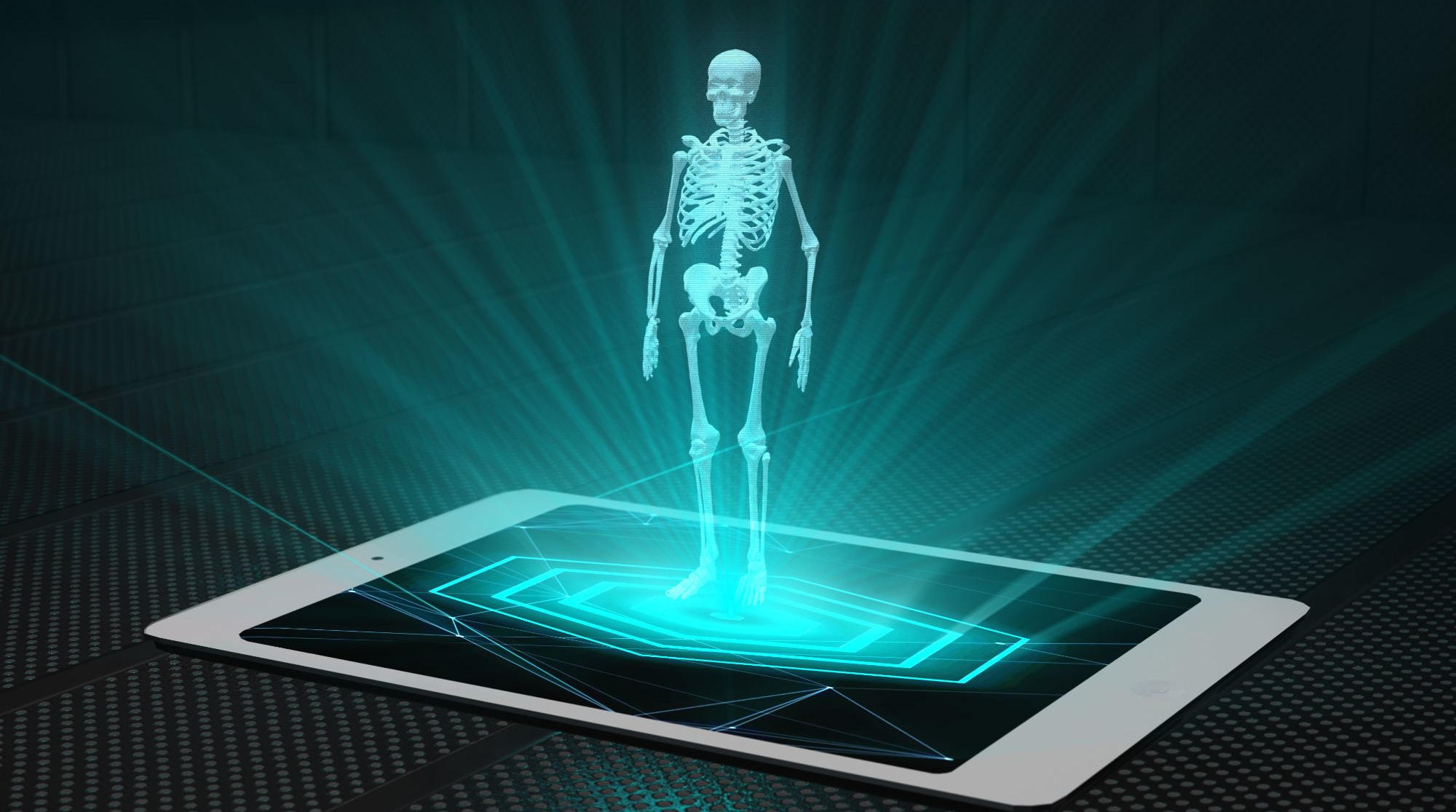
Researchers have developed a deep-learning method that simplifies the creation of holograms, allowing 3D images to be generated directly from 2D photos captured with standard cameras. This technique outperforms current high-end graphics processing units in speed and doesn't require expensive equipment like RGB-D cameras, making it cost-effective. The approach involves three deep neural networks that transform a 2D color image into data that can be used to display a 3D scene or object as a hologram. This breakthrough has potential applications in high-fidelity 3D displays and in-vehicle holographic systems, revolutionizing holographic technology.