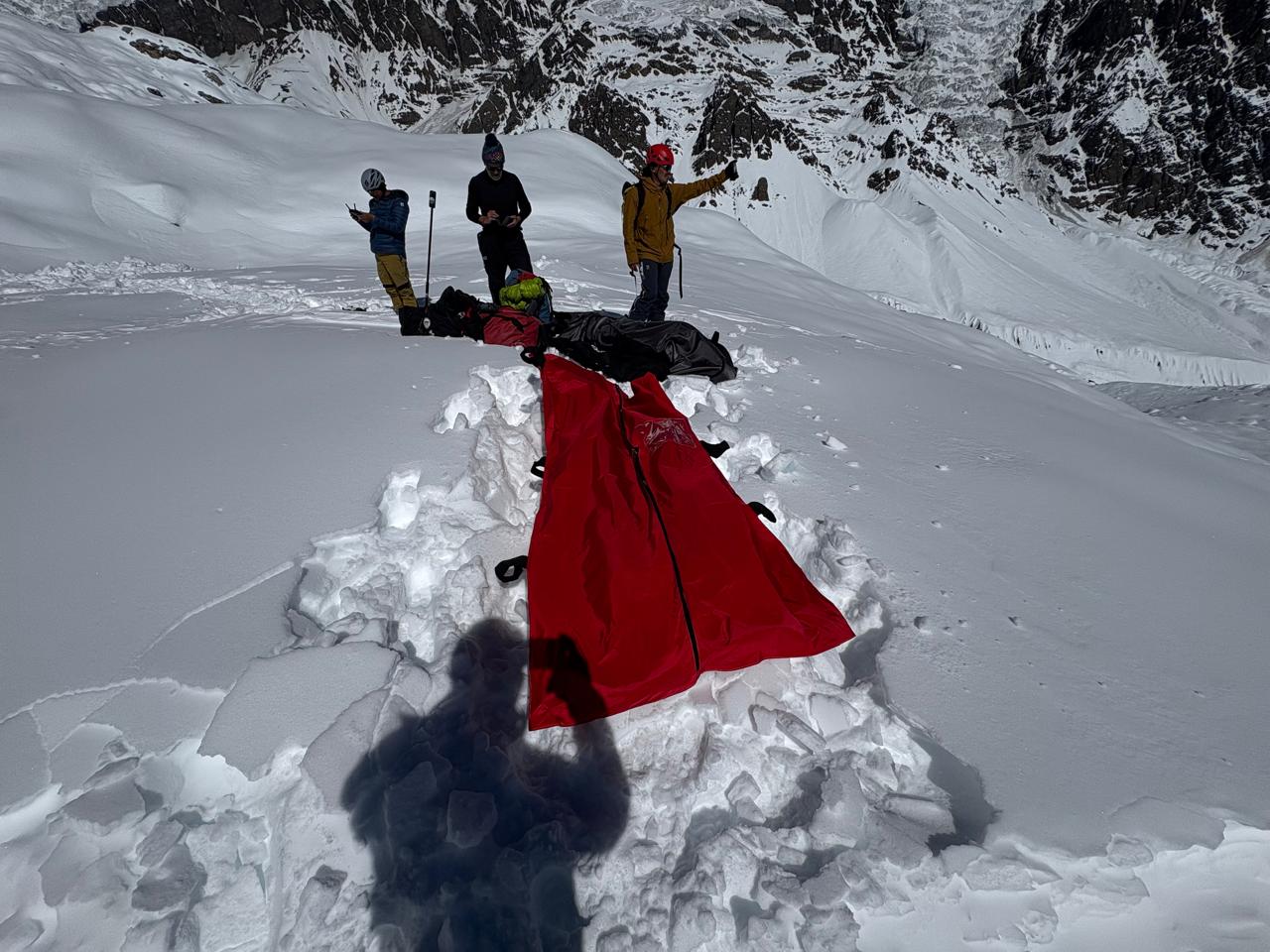
Two avalanches in the Himalayas resulted in nine deaths, including members of expeditions on Dolma Khang and Yalung Ri, highlighting the need for improved safety measures amid challenging weather conditions caused by Cyclone Montha.
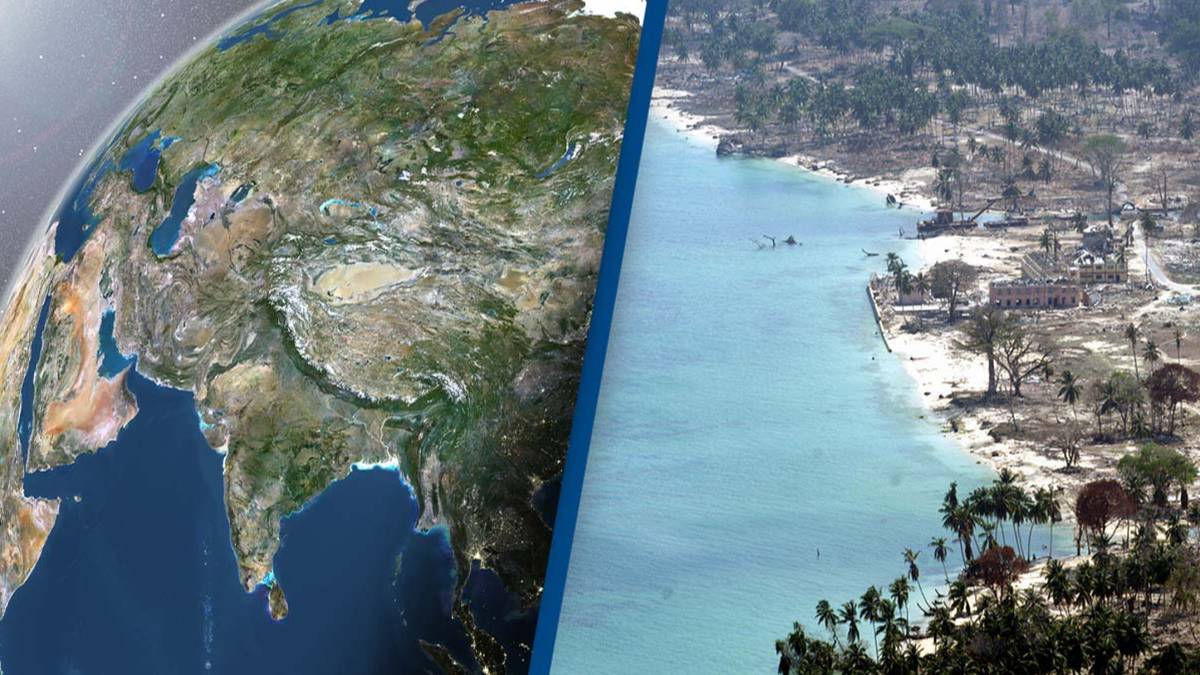
Geophysicists presented a new study at the American Geophysical Union conference suggesting that the Indian tectonic plate is splitting in two underneath the Tibetan plateau, potentially causing the Himalaya to rise higher while the lower half sinks into the mantle. The study used 3D S-wave receiver-functions to analyze the Indian Plate and found evidence of the top and lower slabs of the Indian Plate appearing to detach, leading to the conclusion that the Indian Plate would peel into two rather than breaking into two. This discovery challenges previous understanding of continental behavior and provides fundamental insights into solid earth science.
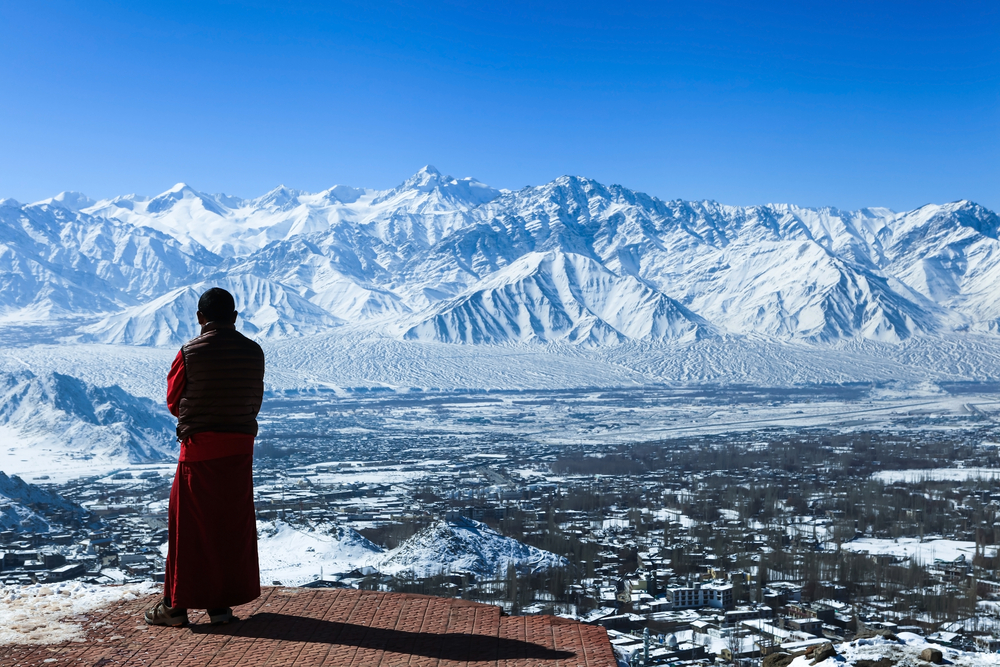
Glaciers in the Hindu Kush and Himalaya are melting 65% faster in the 2010s than in the previous decade, and experts predict that the world’s current emissions could cause glaciers to shrink 80% by 2100. Nearly two billion people depend on the Himalayan ecosystem, and the rapid melting will cause downstream flooding and prolonged droughts. The report calls for urgent international and regional cooperation to prepare for “inevitable near-term loss and damage.”