Tag

Hess Observatory

All articles tagged with #hess observatory

science1 year ago

Record-Breaking Cosmic-Ray Electrons Detected Near Earth

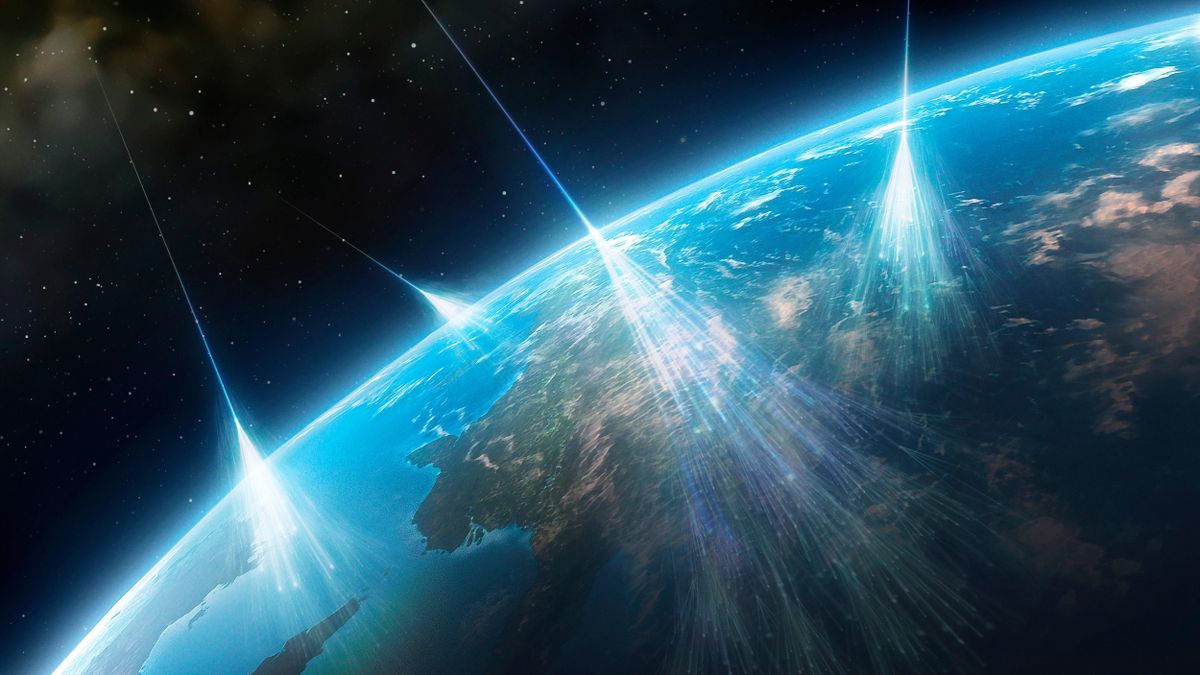
The H.E.S.S. Observatory in Namibia has detected the most powerful cosmic-ray electrons and positrons ever observed, with energies up to 40 teraelectronvolts. These particles, known as cosmic ray electrons (CRe), likely originate from a few sources within a few thousand light-years of our Solar System. The detection of these high-energy particles, which create Cherenkov radiation when they hit Earth's atmosphere, provides new insights into their origins, possibly linked to supernova remnants or pulsars. The findings, published in Physical Review Letters, advance our understanding of cosmic rays and their sources.
science1 year ago

Record-Breaking Cosmic Ray Electrons Detected Near Earth

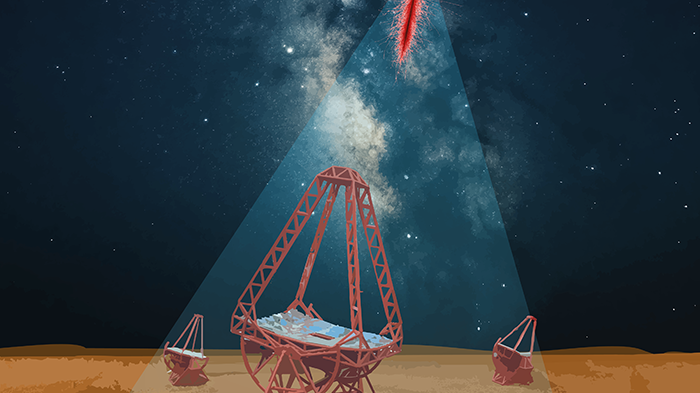
Scientists at the H.E.S.S. observatory in Namibia have detected the highest energy cosmic electrons ever observed, providing new insights into cosmic rays and extreme cosmic processes. These electrons, with energies up to 40 TeV, suggest nearby sources such as supernova remnants or pulsars. The discovery was made possible by the observatory's large telescopes and advanced algorithms, which differentiate these electrons from other cosmic rays. This finding enhances our understanding of cosmic accelerators and the universe's most violent phenomena.

science1 year ago

Record-Breaking Cosmic Rays Detected Near Earth

Scientists have detected the most powerful cosmic rays ever, with energies up to 40 teraelectronvolts, using the HESS observatory in Namibia. These rays, consisting of electrons and positrons, likely originate from sources within a few thousand light-years of Earth, as they lose energy while traveling through space. The exact sources remain unknown, but the findings, published in Physical Review Letters, provide crucial data on cosmic rays in an unexplored energy range, impacting our understanding of the local cosmic neighborhood.

astronomy1 year ago

"Unraveling the Mysteries of Astrophysical Jet Acceleration and Cosmic Rays"

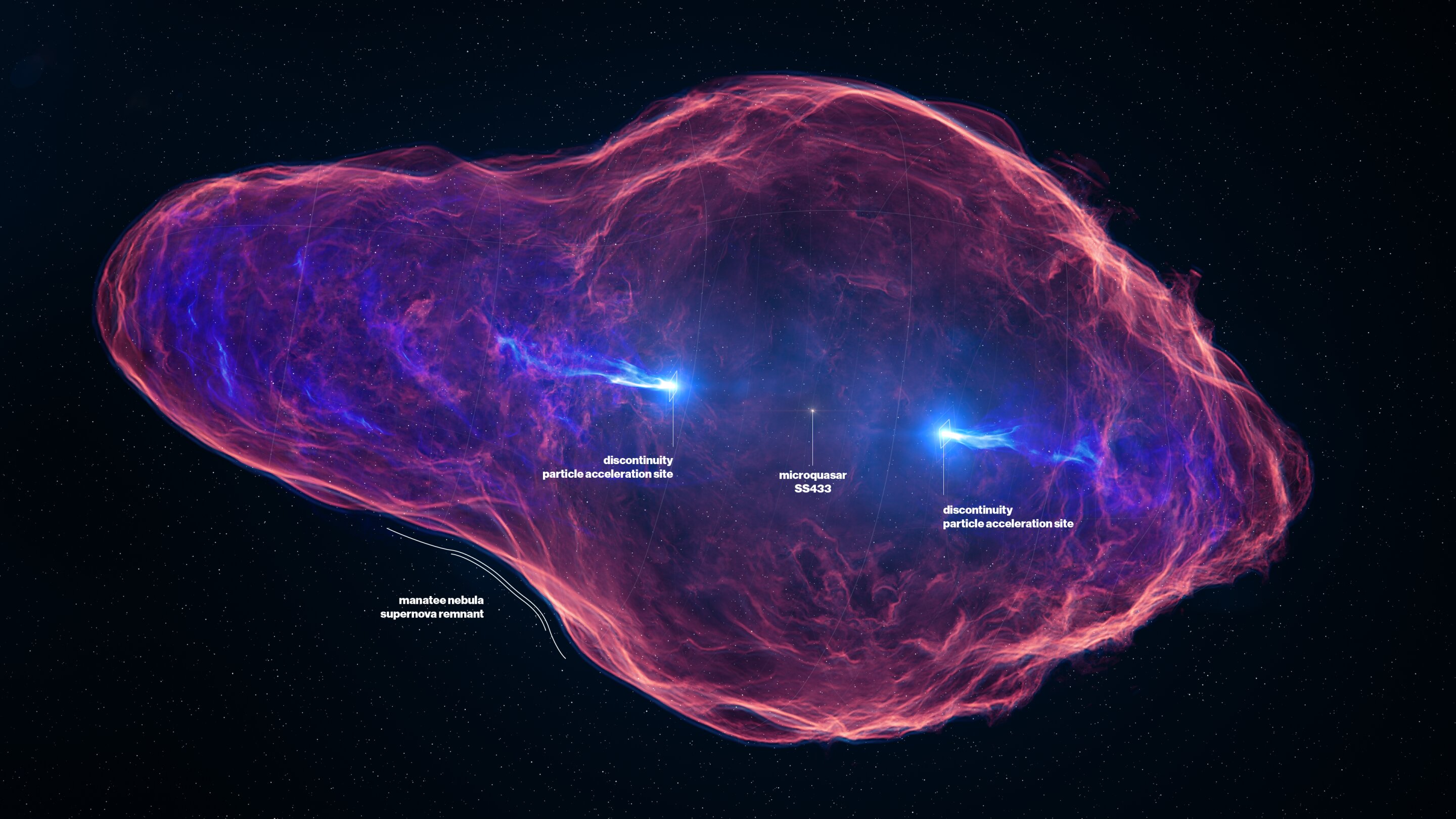
The SS 433 binary star system, known for its collimated jets of charged particles, has been observed to abruptly reappear as bright X-ray sources around 75 light years from their launch site, with gamma-ray emission detected for the first time by the H.E.S.S. Observatory. The gamma-ray emission shows an energy-dependent morphology, with the highest energy photons detected at the point where the jets reappear, while lower energy photons appear further along each jet, providing new insights into the acceleration and transport of relativistic electrons in astrophysical jets.

astronomy2 years ago

Unprecedented Radiation Blasts: Pulsar Shocks Astronomers

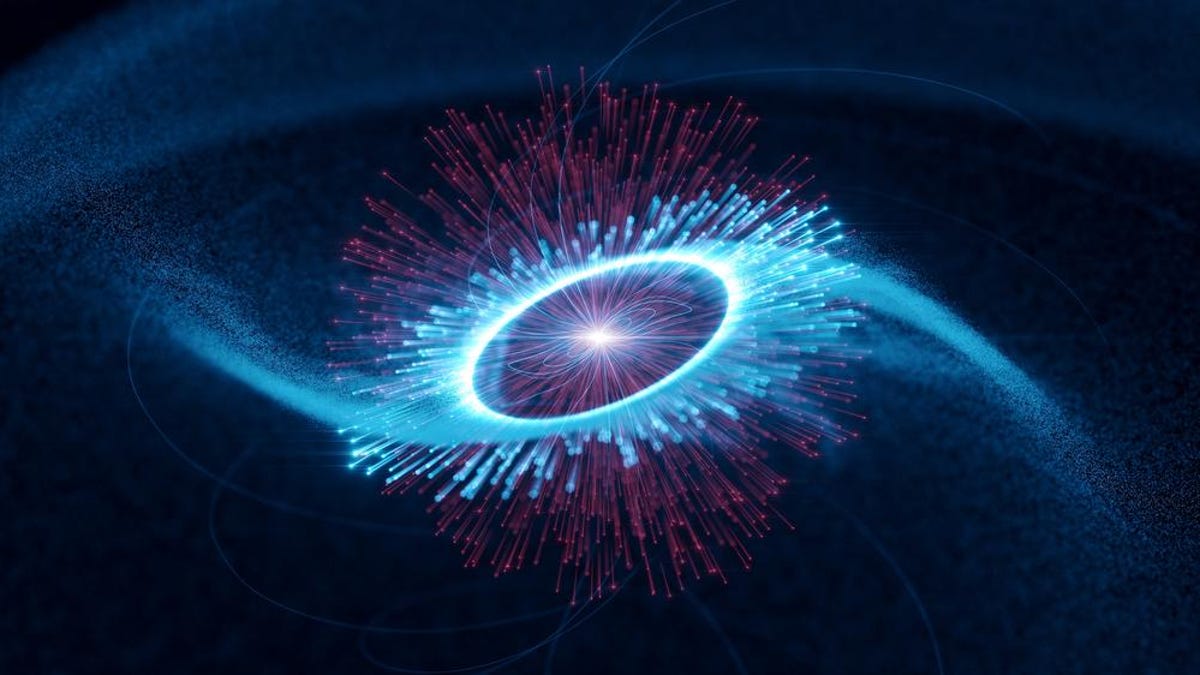
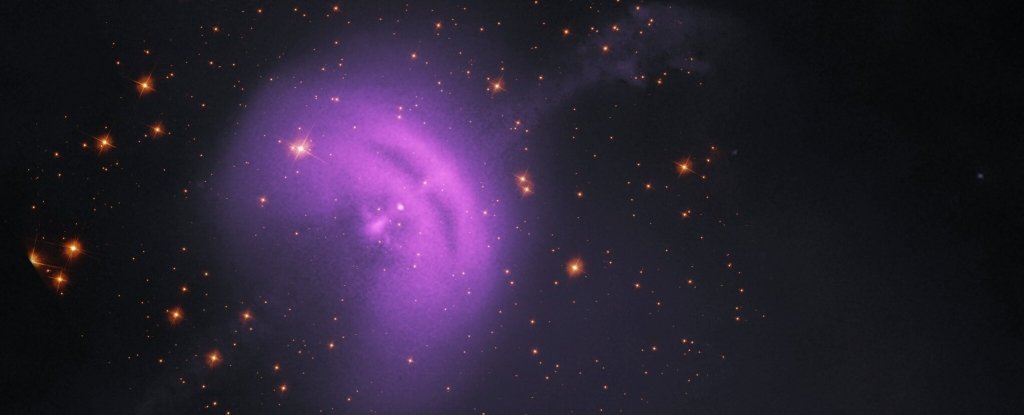
Astrophysicists using the H.E.S.S. Observatory in Namibia have detected the largest burst of radiation ever recorded from a pulsar. The bursts, emitted by the pulsar Vela located 1,000 light-years away, reached energies as high as 20 tera-electronvolts, which is 10 trillion times more energetic than visible light. This discovery challenges previous knowledge of pulsars and requires a rethinking of how these natural accelerators work. Pulsars are incredibly dense neutron stars with highly active magnetospheres that emit periodic bursts of radiation from their magnetic poles.