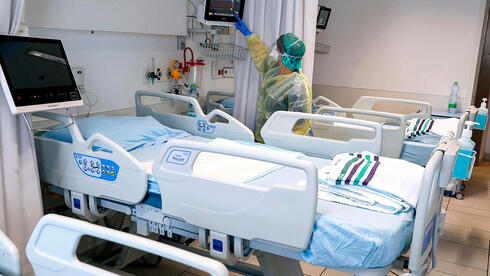
Israel is experiencing a new wave of COVID-19 cases, leading to a critical shortage of the antiviral drug Remdesivir, which is essential for treating severe cases. Hospitals report an increase in hospitalizations and criticize the Health Ministry's procurement policies. The ministry has announced that new supplies of the drug are expected to arrive soon.
Trinidad and Tobago has reported its first dengue-related death in five years, prompting the Health Ministry to intensify mosquito eradication and public education efforts. The deceased was from South Trinidad, and the ministry has been conducting spraying and source reduction campaigns to prevent further cases. Dengue, a viral infection spread by mosquitoes, can cause severe symptoms and be fatal in some cases.
Cuba's health ministry has reported cases of the Oropouche virus in Santiago province, with patients showing improvement within days. The Pan American Health Organization has noted rising cases in the Americas, urging enhanced surveillance. The virus, spread by biting midges and mosquitoes, presents symptoms similar to dengue.
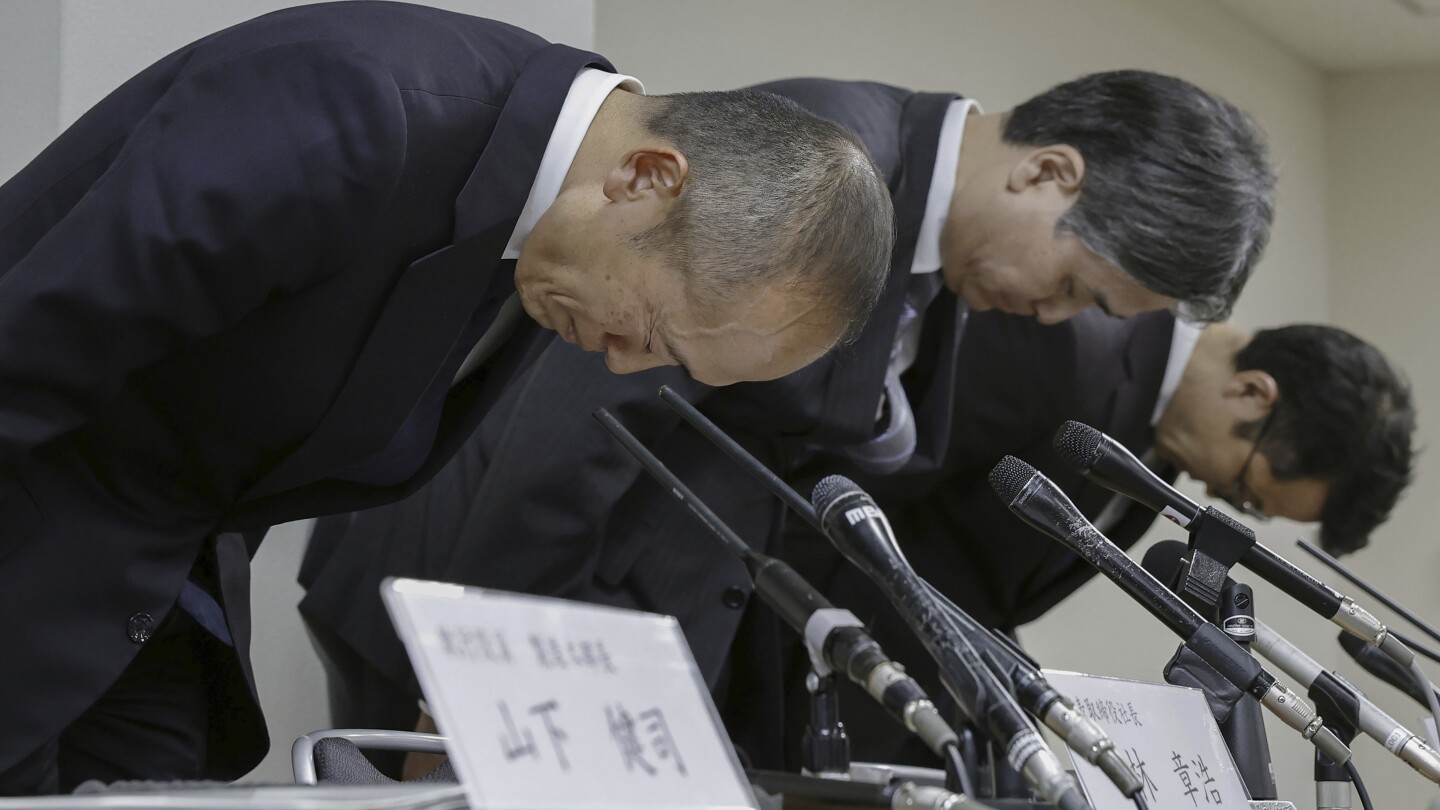
A Japanese health supplement containing an ingredient called "benikoji" has been recalled after causing two deaths and sickening over 100 people. The products, including those from Kobayashi Pharmaceutical Co., were marketed to lower cholesterol and were available without a prescription. The government health ministry has ordered the removal of these products from store shelves and warned of potential additional victims, urging people to stop ingesting anything with benikoji. The company is investigating the cause of the issue and has issued an apology, while the ministry has listed all recalled products on its official site.
Japan has seen a significant increase in potentially fatal strep infections, with cases of streptococcal toxic shock syndrome (STSS) tripling in Tokyo and quadrupling across the country over the past five years. The surge in cases has even impacted international events, with the North Korean soccer team canceling a World Cup qualifier match in Japan due to the outbreak. Health authorities are concerned about the spike in severe invasive streptococcal infections and are working to understand the underlying mechanisms and control the spread, particularly in the context of potential impacts from the Covid-19 pandemic.
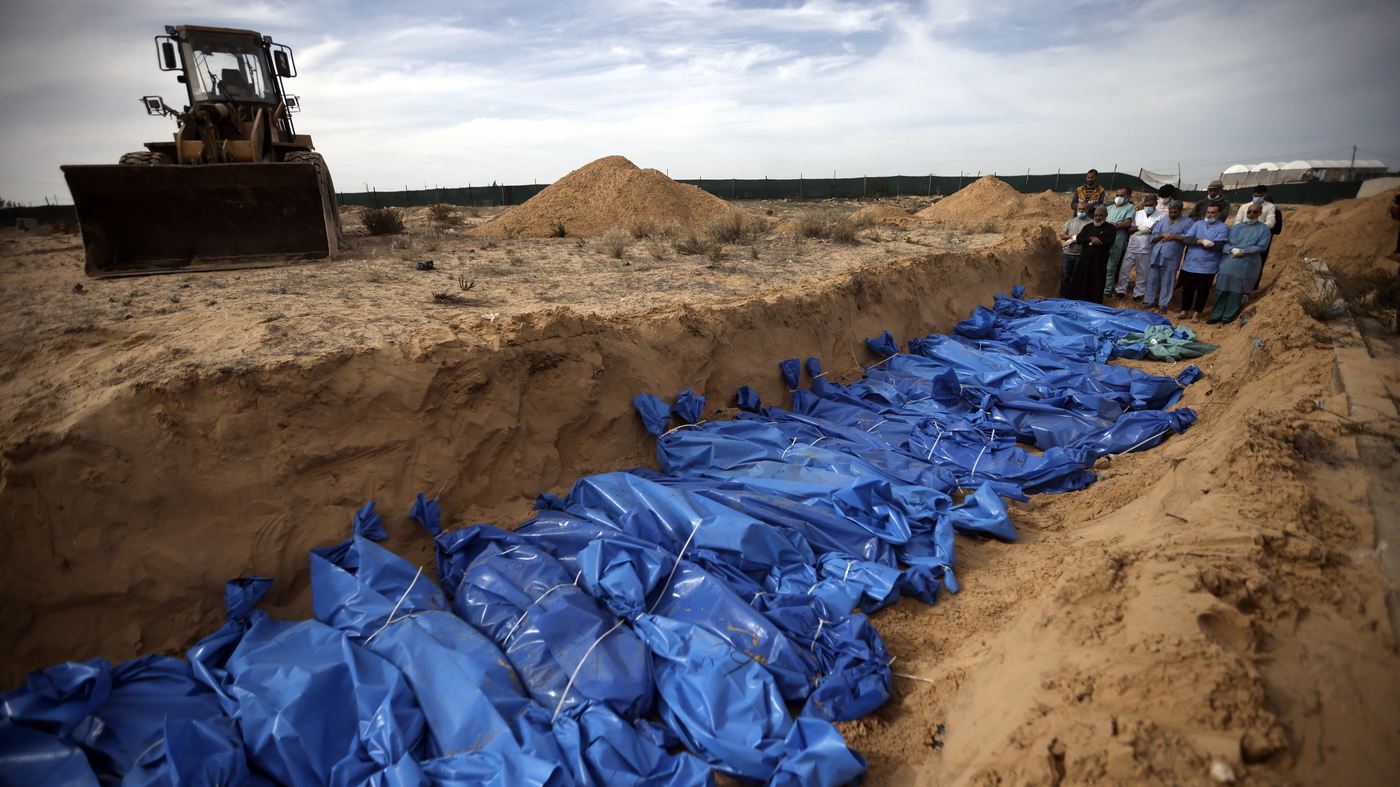
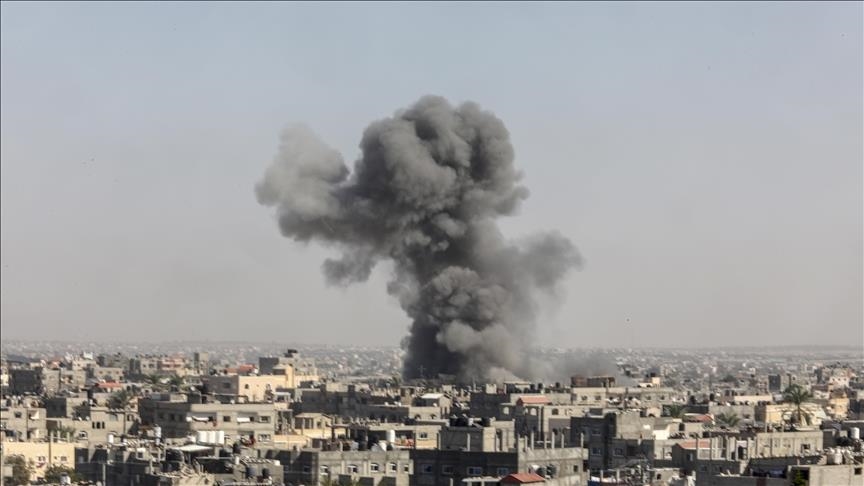
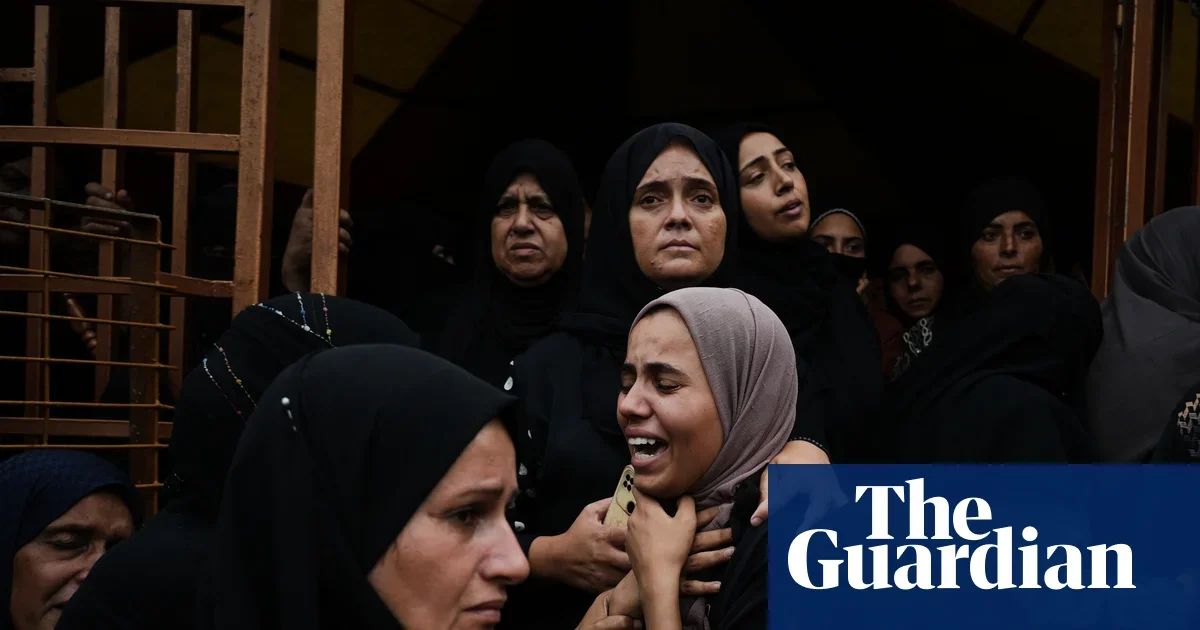
Gaza's health ministry reported a death toll of over 30,000 in the ongoing conflict, but the count is incomplete due to the overwhelming scale of devastation. The system for counting the dead is struggling to keep an accurate tally, with thousands unaccounted for, either missing under the rubble or buried hastily. The health ministry's figures rely on hospital data and public sources, but communication blackouts and attacks on hospitals have disrupted the process. Thousands missing beneath the rubble are not included in the official count, highlighting the challenges in accurately documenting the human cost of the conflict.
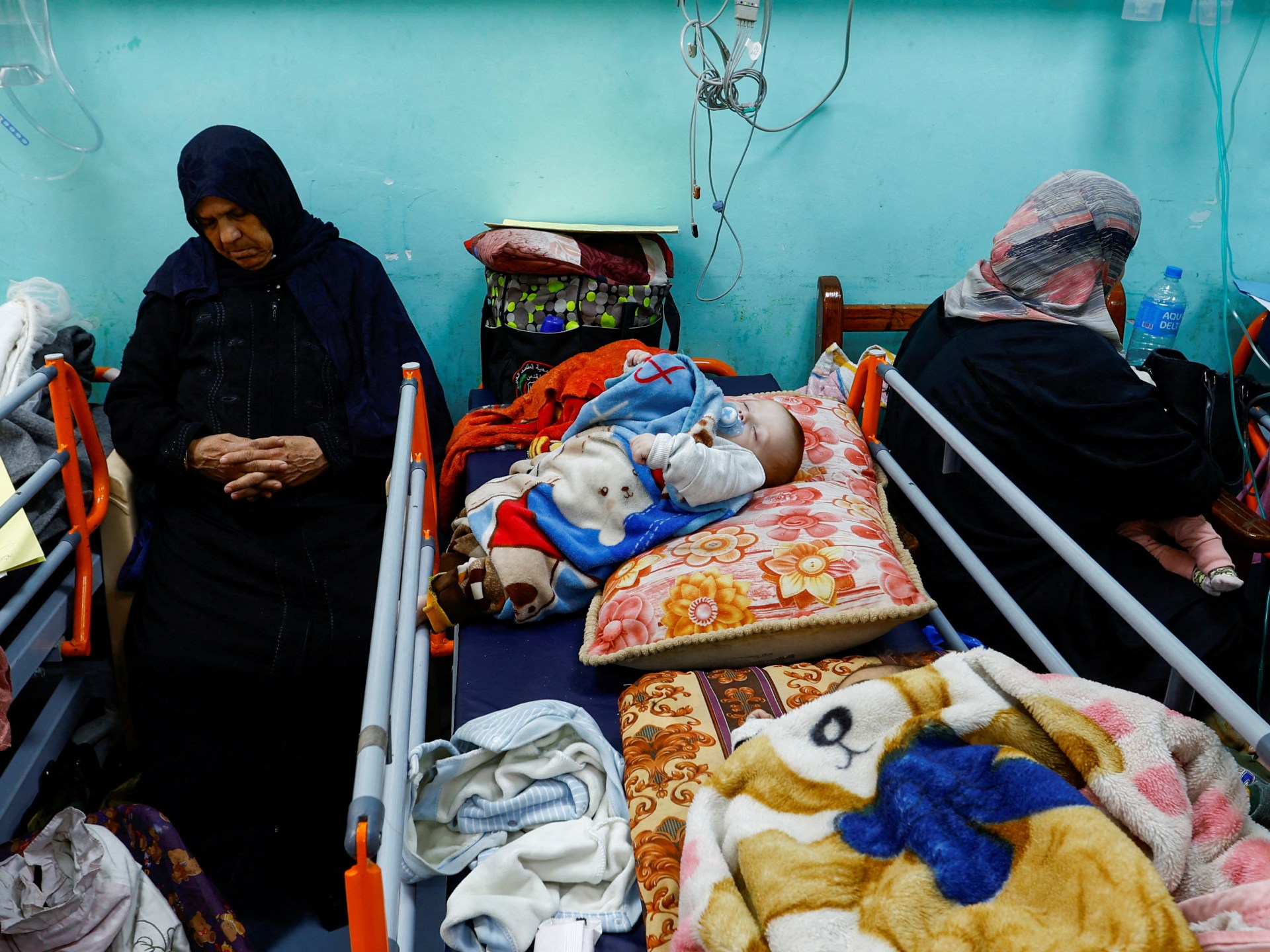
Six children have died from dehydration and malnutrition in northern Gaza hospitals, with the Health Ministry urging international intervention to avert a humanitarian catastrophe as Israel's attacks continue. Fuel shortages have caused hospitals to go out of service, exacerbating the health crisis, while aid deliveries have been delayed, pushing a quarter of the population to the brink of famine. Qatar and France have called for the opening of all crossings into Gaza to allow for humanitarian aid, while medical groups struggle to serve displaced people living in dire conditions.
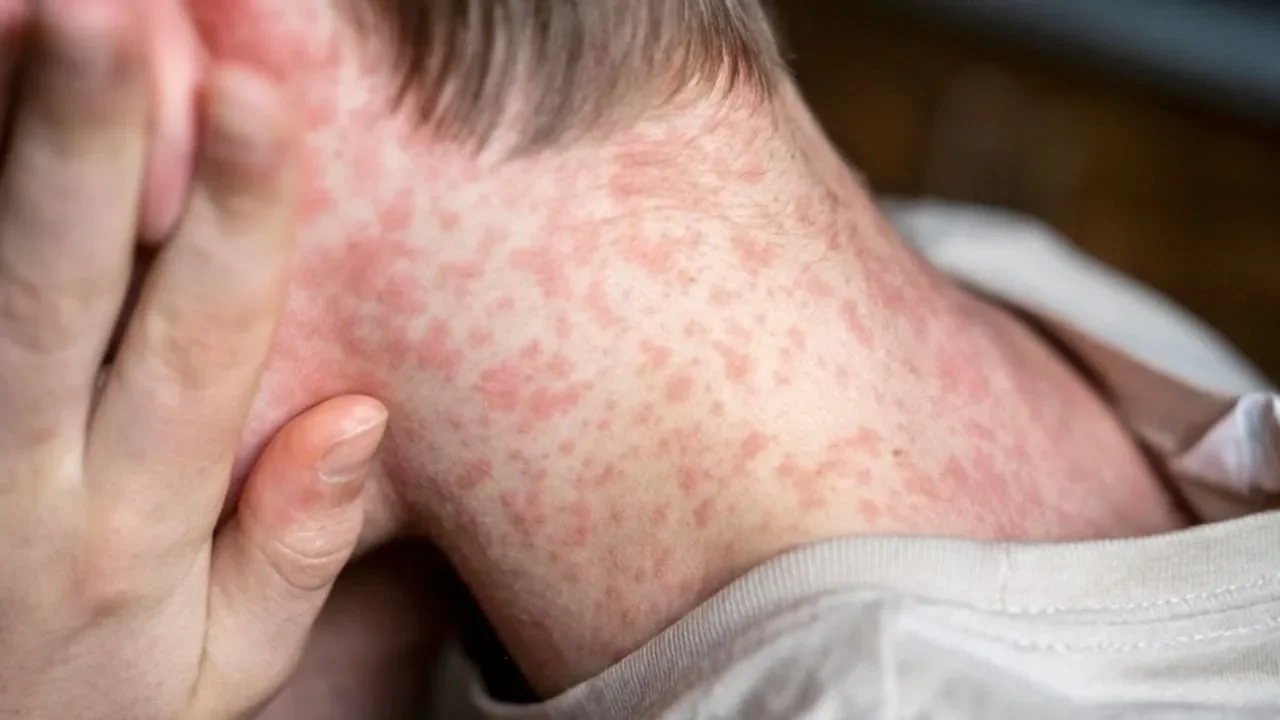
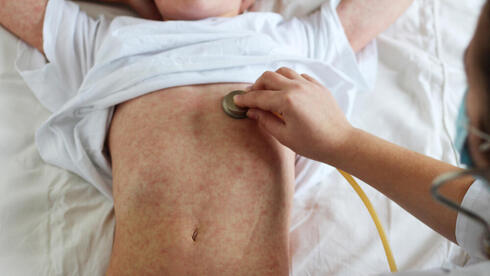
The Health Ministry in Israel has reported 18 cases of measles in the past three months, with the majority of those affected not being fully vaccinated. The ministry is urging travelers to ensure they have received two doses of the measles vaccine before going abroad. Measles is highly contagious and can lead to serious complications, particularly in young children and individuals with weakened immune systems. The ministry recommends routine vaccination for children at the age of one and again at age six, and also provides guidelines for vaccination of adults.
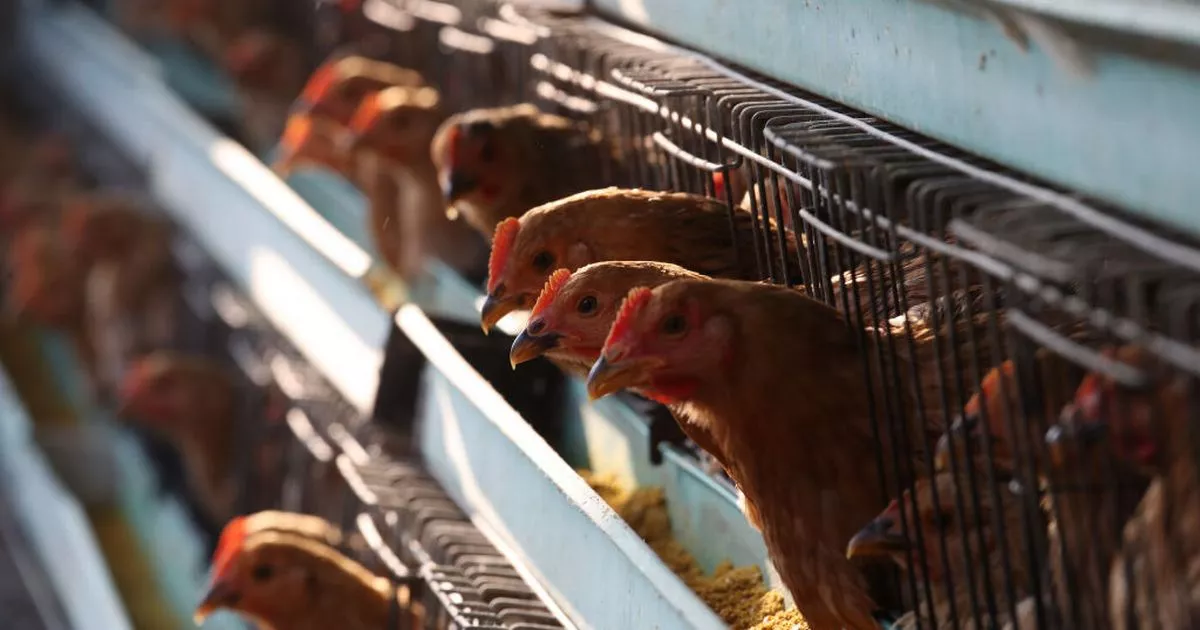
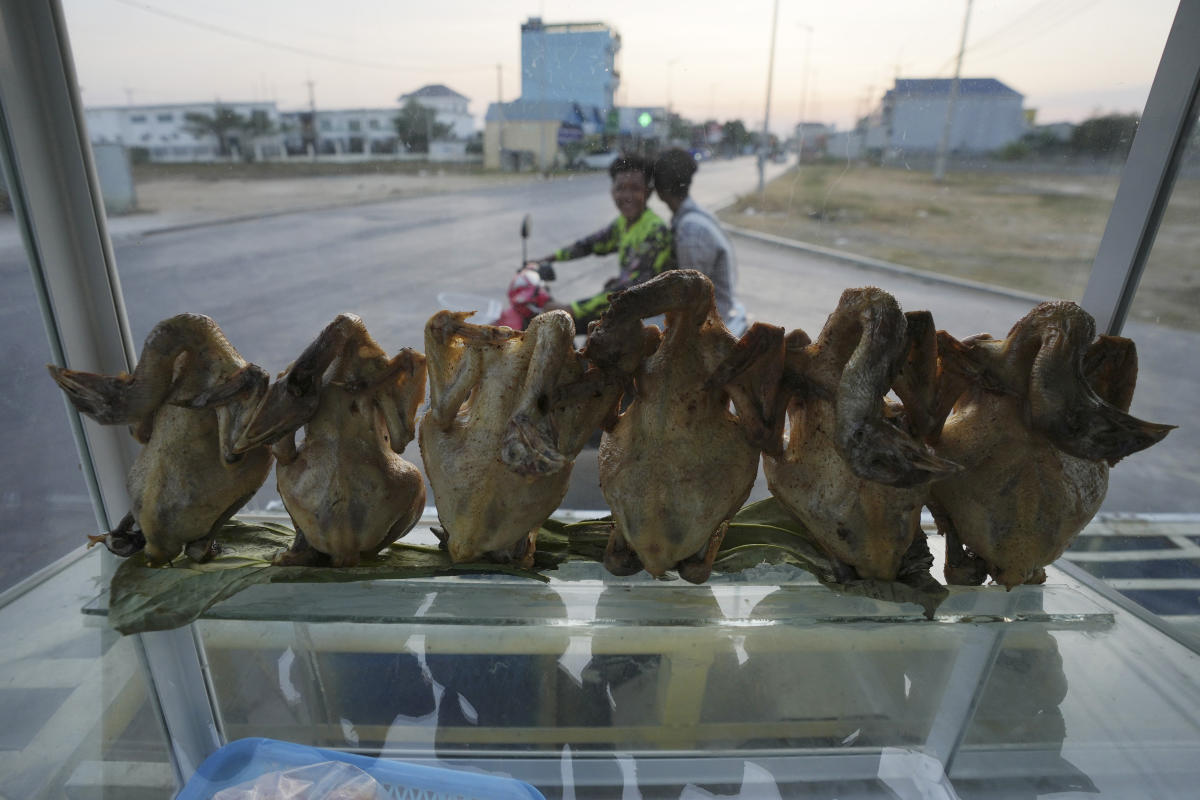
A nine-year-old boy in Cambodia died from bird flu after eating a meal made from birds kept on their family farm, and his 16-year-old brother has also tested positive for the virus. The World Health Organization and the U.N.'s Food and Agriculture Organization have raised concerns about the spread of the virus during Lunar New Year festivities in Asia. The zoonotic threat of avian influenza remains elevated due to the circulation of the virus in birds, posing a risk for sporadic human cases due to exposure to infected poultry or contaminated environments.
Cambodia's Health Ministry reported that the 16-year-old brother of a 9-year-old who died from bird flu last week has tested positive for the virus, although he is currently asymptomatic. The brothers had consumed a meal prepared from chickens and ducks they raised. Concerns about the spread of bird flu during Lunar New Year festivities have been raised by the WHO and the U.N.'s Food and Agriculture Organization.
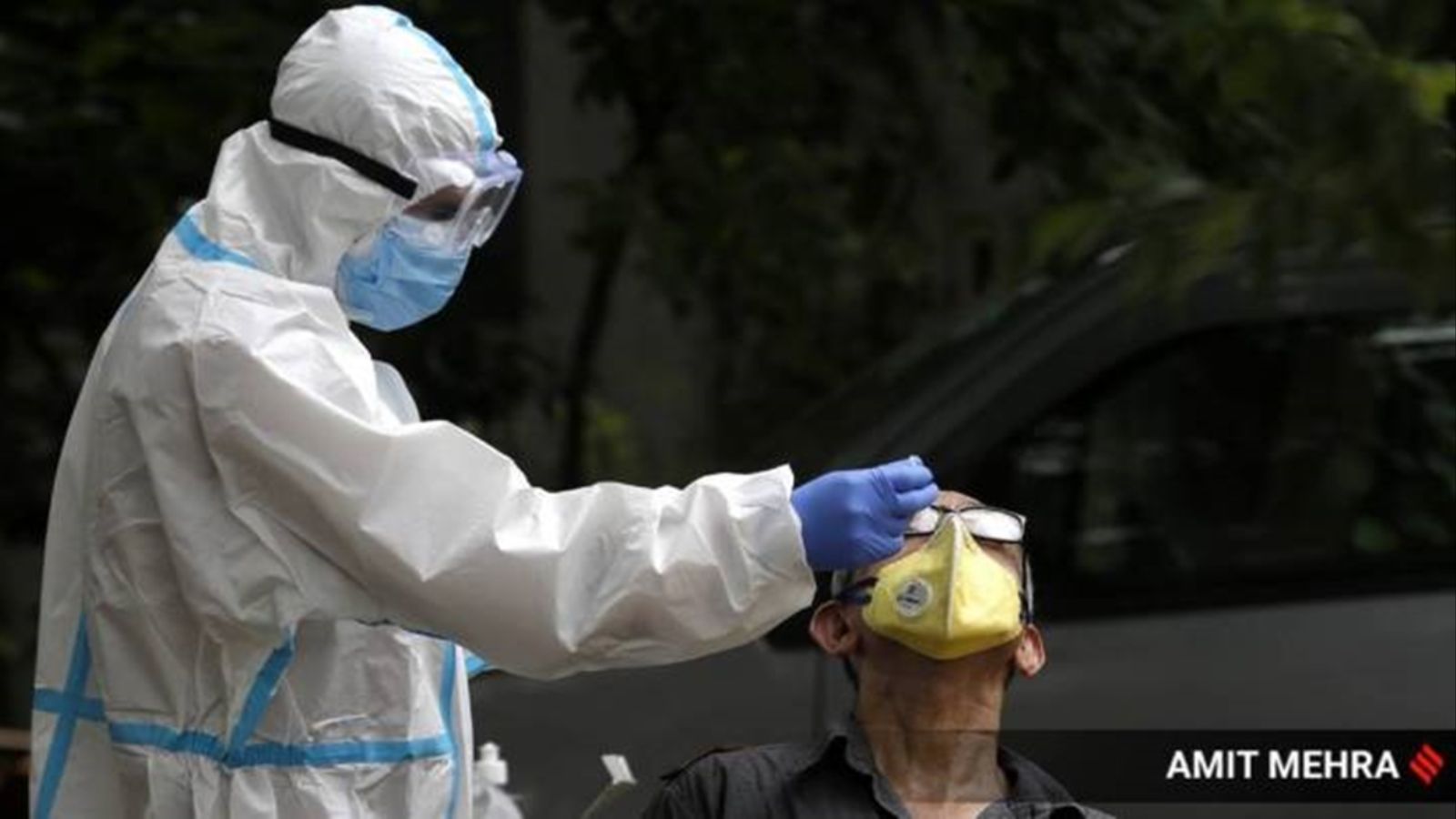
The Health Ministry has issued an alert to states regarding the new COVID-19 subvariant, JN.1, which is currently spreading in Kerala. While it is not yet known if JN.1 causes different symptoms or is more severe than other variants, the existing treatment line for COVID-19 is expected to be effective against it. RT-PCR tests are recommended for detecting JN.1. With the upcoming festive season, the Health Ministry emphasizes the need for adhering to respiratory hygiene norms, including wearing masks, frequent hand-washing, and social distancing. Increased surveillance and monitoring of influenza-like illness and severe respiratory cases are also being implemented. JN.1 has been reported in several countries and is raising concerns due to its rapid spread and immunity-evading capacity.
The death toll in the ongoing Israeli attacks on the Gaza Strip has reached 18,608, with an additional 50,594 Palestinians injured, according to the Health Ministry. The attacks, which include airstrikes, a ground offensive, and a siege, were launched in response to a cross-border attack by Hamas two months ago. The Israeli death toll from the Hamas attack is reported to be 1,200.
Hamas drugged Israeli hostages with tranquilizers before their release, making them appear in good spirits during the filming. The revelation came during a Knesset Health Committee meeting discussing the health conditions of the hostages. The hostages were given Clonex (Klonopin), a sedative and muscle relaxant, to improve their mood. The drugging was part of the psychological terror inflicted on the hostages, along with physical violence, psychological torture, and neglect. The hostages also suffered from significant weight loss, malnutrition, lack of Vitamin D, digestive problems, and eating disorders. Relatives of the hostages urged the Israeli government to continue efforts to free their loved ones. The Health Ministry documented evidence of war crimes committed against the hostages while they were in the hospital.
The Health Ministry in Israel has issued guidelines to hospitals preparing to admit hostages returning from Gaza as part of a hostage release deal with Hamas. The guidelines aim to prevent refeeding syndrome, a condition characterized by increased food consumption after a period of malnourishment. The guidelines specify the food and drink that captives of different age groups should be provided with upon release. Hospitals are instructed to gradually address nutritional deficiencies and other medical aspects over time, emphasizing individualized and professional treatment. Refeeding syndrome can lead to life-threatening imbalances in electrolytes and fluids, and the guidelines aim to prevent such complications.
The healthcare infrastructure in Gaza City is on the verge of collapse as the ongoing conflict has led to fierce fighting around hospitals, causing shortages of food, fuel, and water supplies. Gaza's largest hospital, al-Shifa, has been described as an "open war zone" by the Health Ministry. Israel denies targeting or blockading the hospital. Israeli Prime Minister Benjamin Netanyahu has ruled out any role for the Palestinian Authority in Gaza, asserting "total security control" after the fighting ends. The Rafah border crossing with Egypt will reopen for foreign passport holders on preapproved departure lists.