The House passed a bill to extend expired health care subsidies for ACA coverage, defying GOP leadership with bipartisan support, aiming to address rising insurance costs and expand coverage, while the Senate considers a compromise with income limits and health savings account expansions.
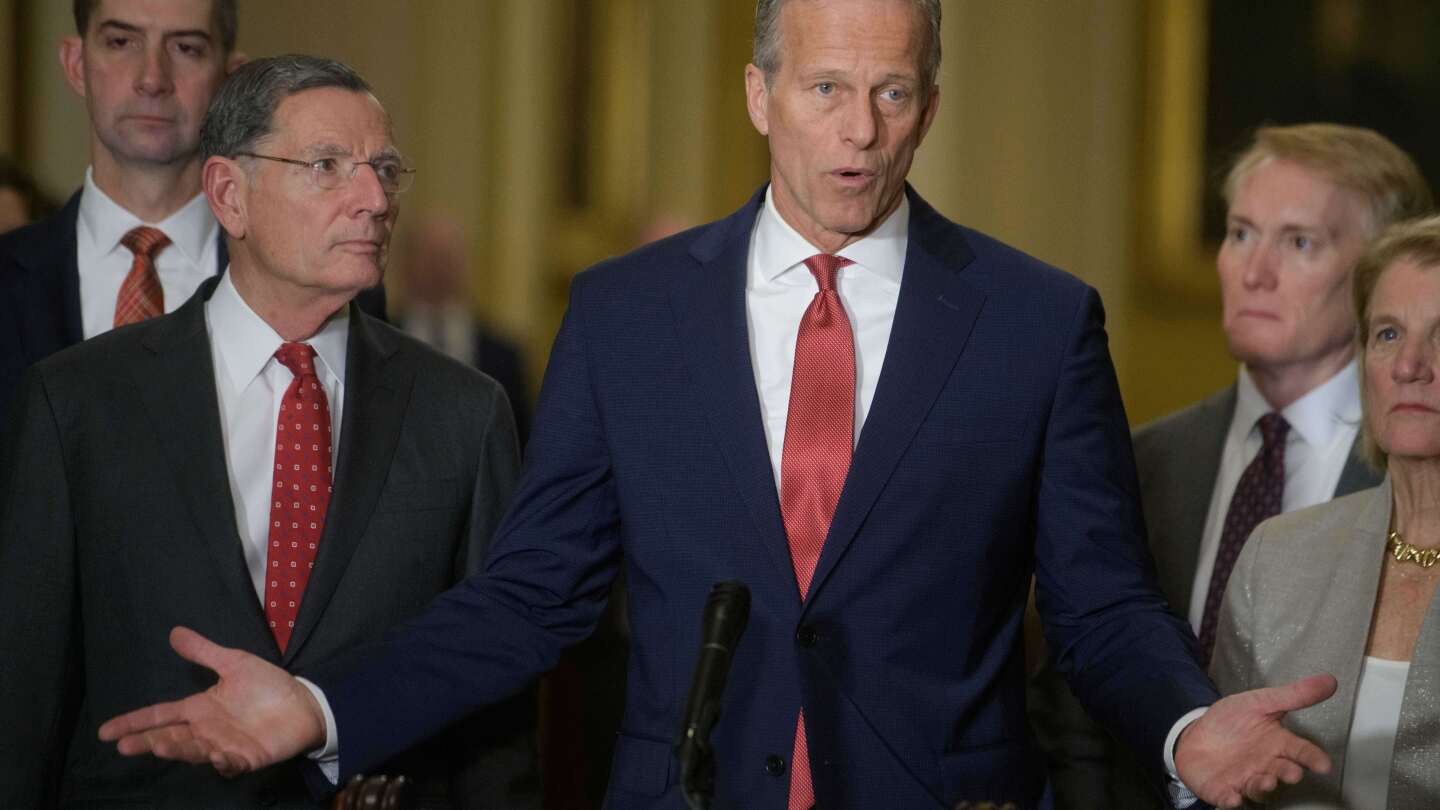
Congress is facing deadlock over extending health care subsidies, risking sharp premium increases for millions starting January 1, with Democrats and Republicans unable to agree on terms due to partisan disagreements and issues like abortion funding, leading to uncertainty about legislative action.
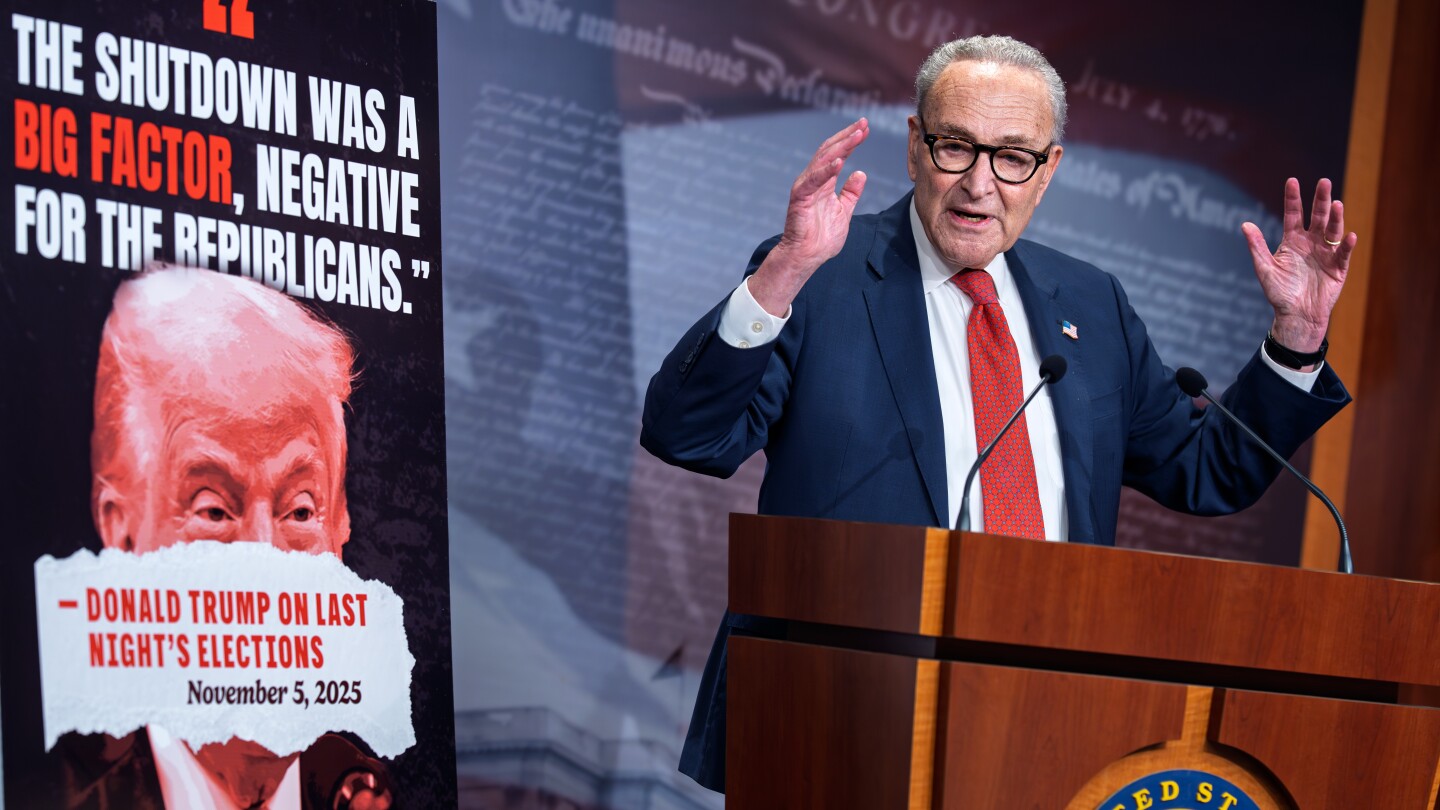
The longest U.S. government shutdown ended without key concessions from Republicans, leaving Democrats divided and bearing the political brunt, while Republicans face long-term risks over health care subsidies, with public blame somewhat evenly distributed and both parties facing disapproval.
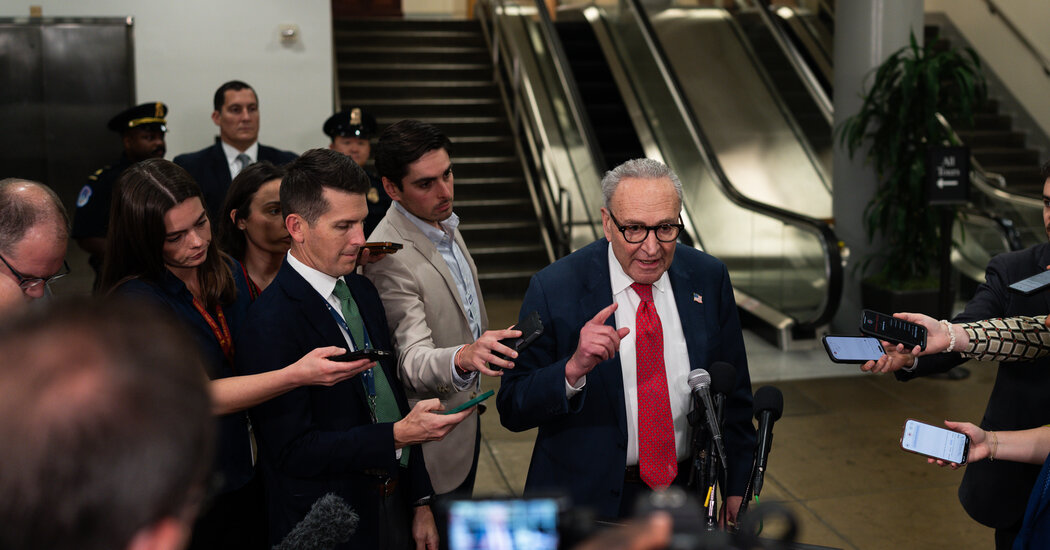
Democratic senators faced internal criticism after supporting a short-term government funding bill that did not include their key demand to extend Affordable Care Act subsidies, leading to divisions within the party and ongoing debates over health care policy.
The Senate is close to voting on a bill to end the government shutdown after a bipartisan group of senators agreed to move forward, though disagreements over health care subsidies and other provisions remain, with the final steps pending approval from the House and potential further negotiations.
Senate Democrats faced backlash from their party for supporting a government shutdown deal that did not extend health care subsidies, causing internal disputes and becoming a contentious issue ahead of the 2026 elections.
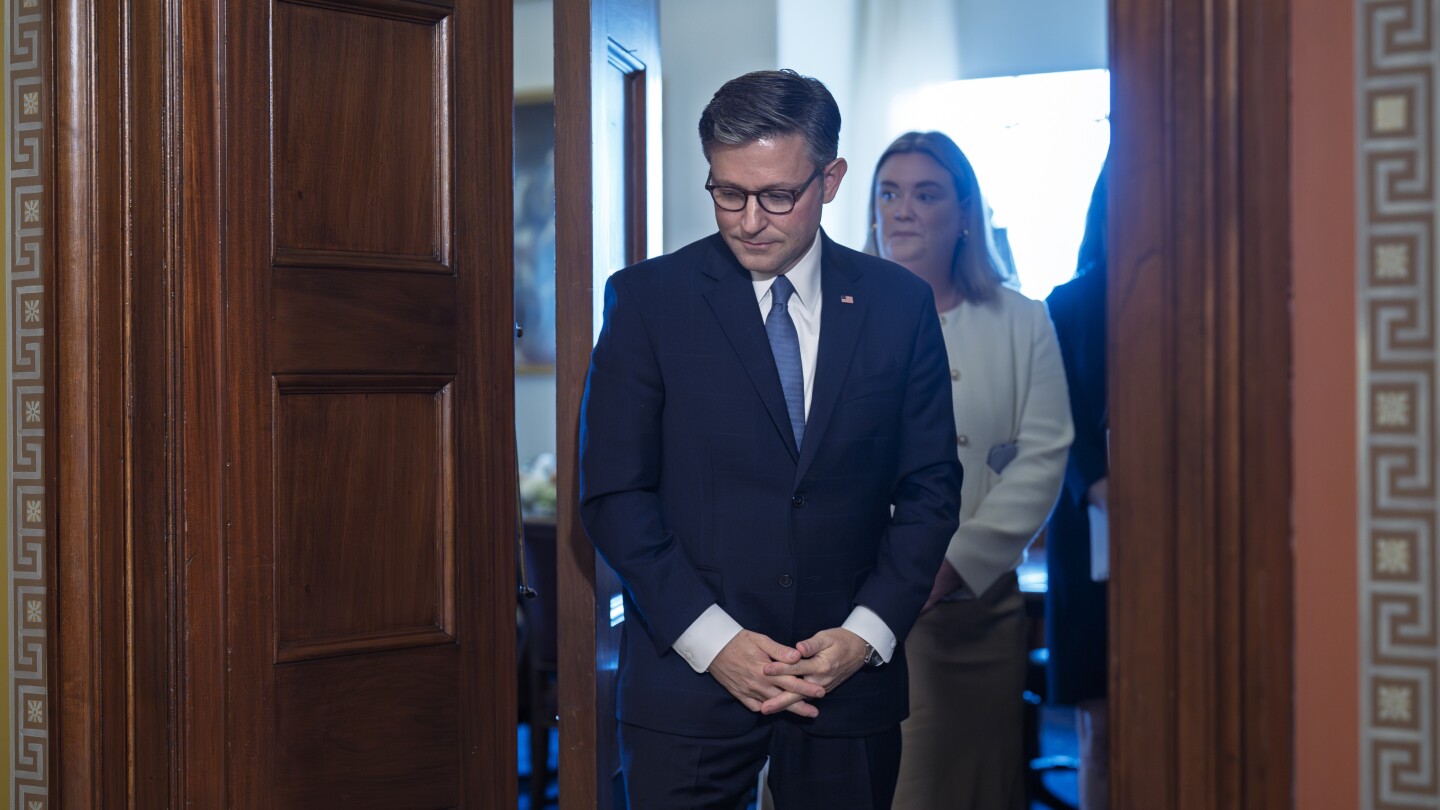
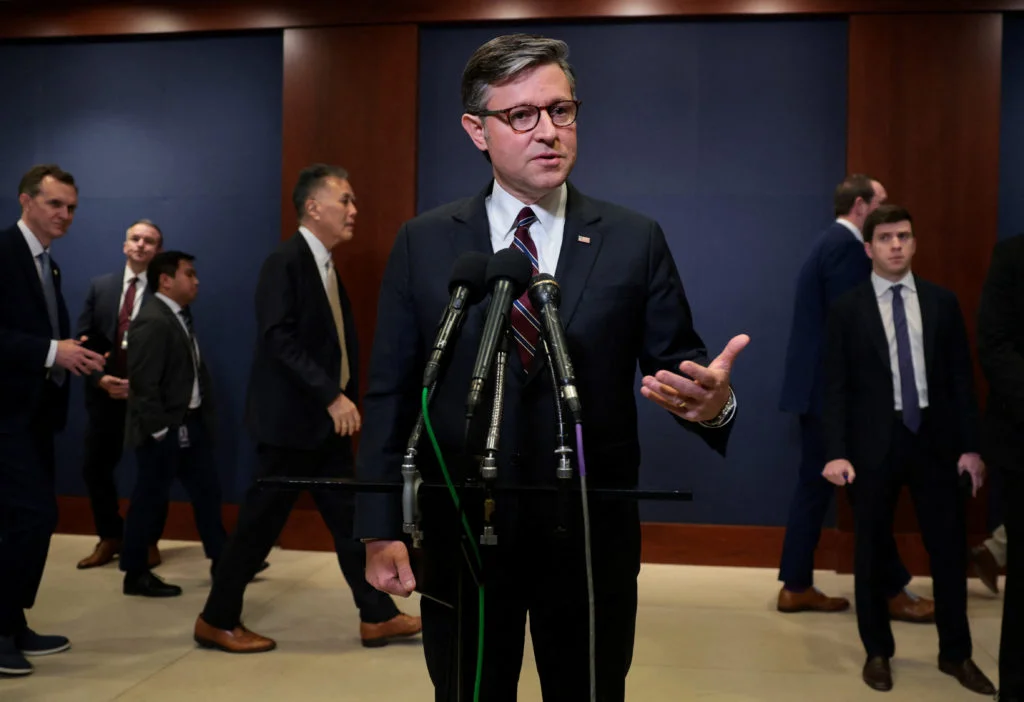
House Speaker Mike Johnson announced that lawmakers should return to Washington to resolve the government shutdown, which was temporarily broken by a bipartisan Senate vote to fund the government until late January. The legislation includes protections for federal workers and bipartisan funding for various government functions. However, disagreements remain over health care subsidies, with Democrats criticizing the deal and Republicans debating further reforms. The shutdown's end is imminent but not guaranteed, with ongoing negotiations and potential delays.
Senate Republicans rejected a Democratic proposal to reopen the government and extend health care subsidies, as the 38-day shutdown continues with no resolution in sight, despite increased urgency and ongoing negotiations.
Senate Democrats have scaled back their demands to end the government shutdown, now willing to do so in exchange for a one-year extension of expiring health care subsidies, though the proposal faces significant opposition from Republicans.
Recent elections have heightened tensions and doubts about ending the record-breaking government shutdown, with Democrats and Republicans entrenched in their positions amid ongoing negotiations and political pressures, while the shutdown continues to impact federal services and public opinion.
A new AP-NORC poll shows that most Americans blame both President Trump and Congress for the ongoing government shutdown, which is seen as a major issue affecting the country, with federal workers and health care subsidies at the center of the dispute. Public opinion is divided, and the shutdown's impact is increasingly felt across the nation.
The article discusses the ongoing government shutdown, highlighting disputes over back pay for furloughed workers, debates on health care subsidies, and the impact on air traffic control staffing, with political leaders expressing differing views on the situation and potential resolutions.
President Trump expressed openness to negotiating with Democrats on health care subsidies amid the ongoing government shutdown, which has entered its sixth day with little progress in negotiations. Both parties remain entrenched in their positions, with Democrats demanding subsidy renewals and Republicans emphasizing a separate budget debate. The situation is further complicated by economic concerns and internal disagreements, with little indication of an imminent resolution.
Congress is deadlocked over government funding and health care subsidies, with a midnight deadline approaching for a shutdown. Democrats and Republicans remain at an impasse, with disagreements over extending ACA subsidies and funding measures, risking delays in services and federal worker layoffs. President Trump acknowledged the likelihood of a shutdown, while negotiations continue without resolution.
GOP leaders in Congress are rejecting Democratic demands for an immediate extension of health care subsidies, challenging Democrats to vote against a stopgap funding bill that keeps the government open but without their key provisions, risking a government shutdown at the end of September.