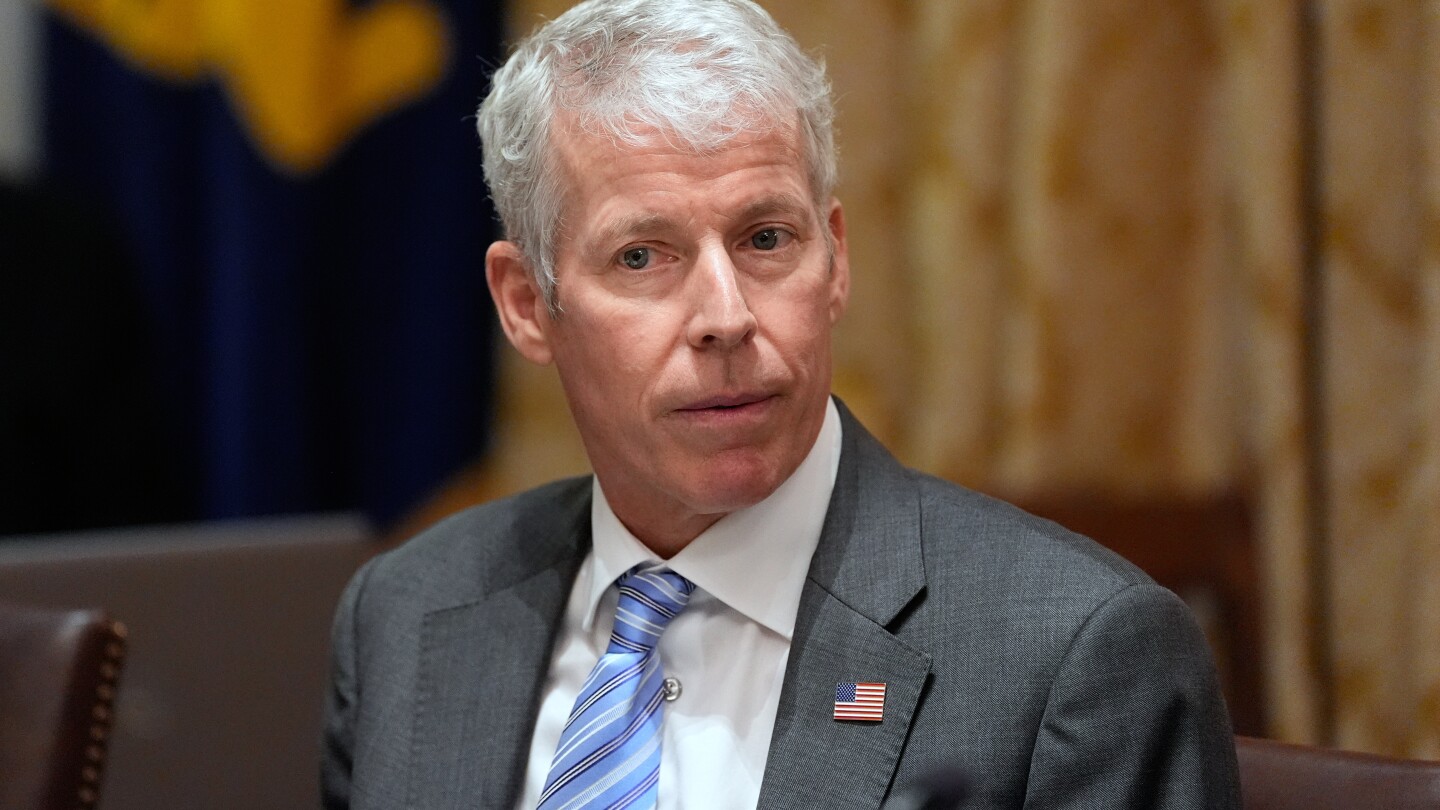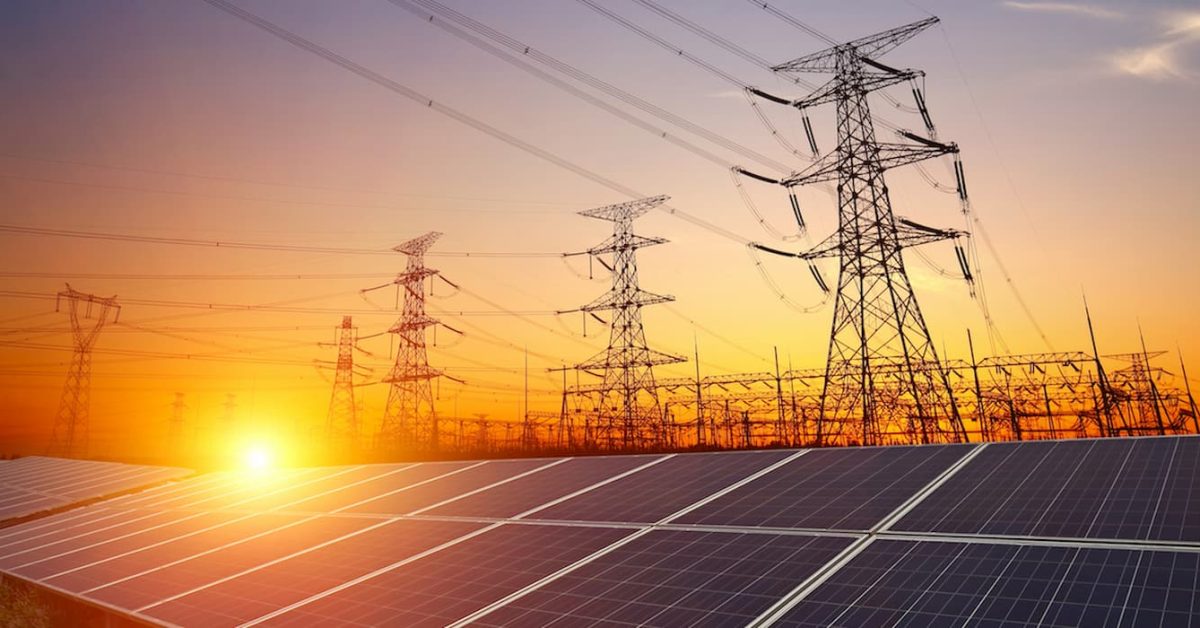
The Energy Department has finalized a $1.6 billion loan guarantee to upgrade nearly 5,000 miles of transmission lines across five Midwest states, primarily supporting fossil fuel energy, as part of efforts to modernize the grid and meet rising electricity demand, amidst ongoing debates over clean energy investments and policies.
The Energy Department finalized a $1.6 billion loan guarantee for American Electric Power to upgrade and rebuild 5,000 miles of transmission lines across five states, aiming to modernize the grid, expand capacity, and support economic growth, with the project benefiting from recent policy changes and emphasizing the role of government in strategic energy infrastructure.
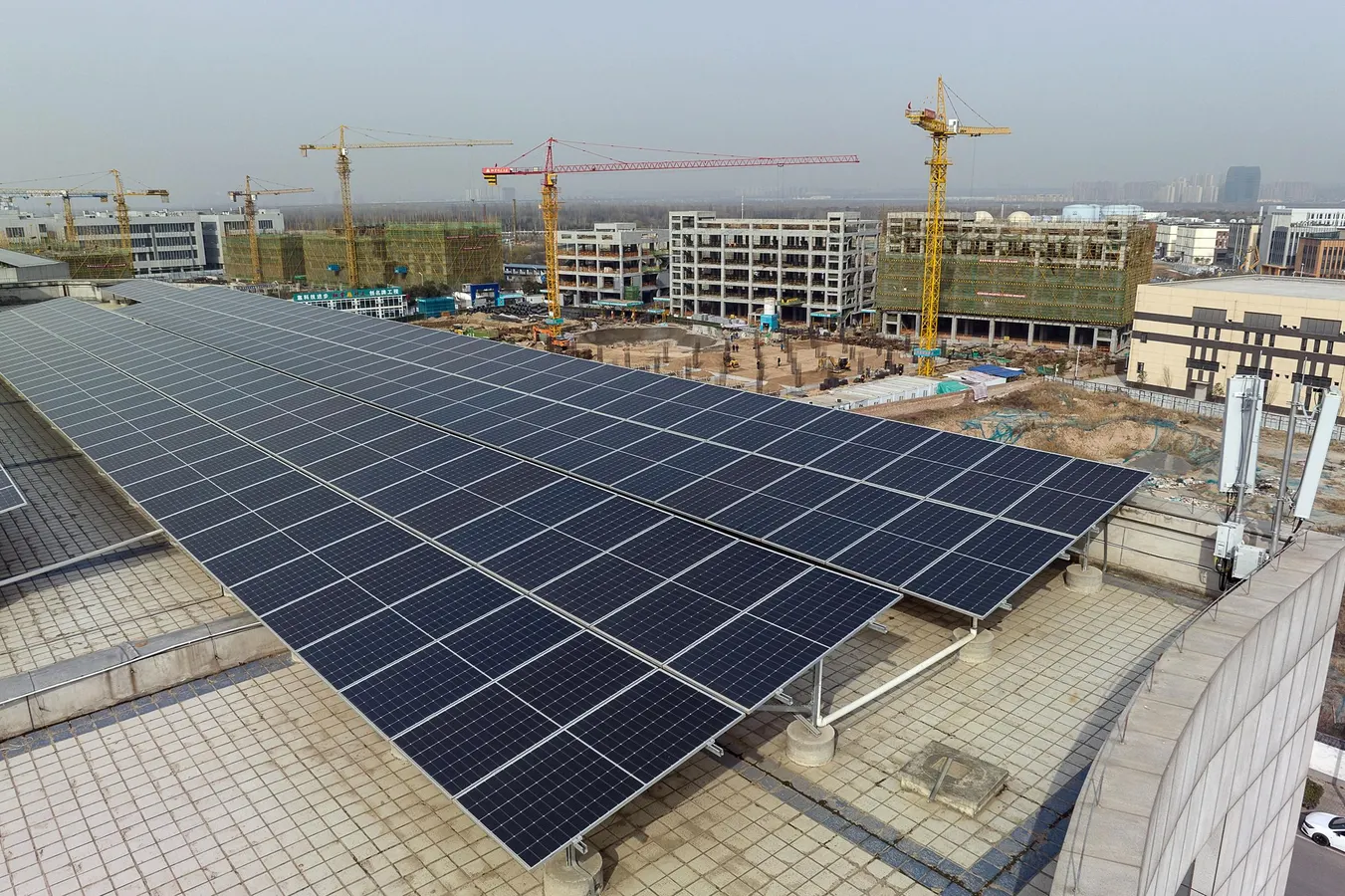
Global renewable energy investments have surged to $3.3 trillion, surpassing fossil fuels and marking a pivotal shift towards clean power, with solar leading the charge. China is a major player, investing heavily in renewables, while grid capacity remains a concern due to rising demand from AI, EVs, and data centers. Despite policy uncertainties, especially in the U.S., market economics and corporate commitments continue to drive the transition, positioning renewables as essential in combating climate change.
The US is set to add a record-breaking 33 GW of solar capacity in 2023, with California and Texas leading in new installations. However, challenges are expected in 2024 due to economic factors and regulatory issues. Despite this, solar is projected to be the largest source of generating capacity in the US by 2050. The residential solar segment saw a record number of installations in Q3, but a decline is expected next year before growth resumes in 2025. Financing costs, transformer shortages, and interconnection bottlenecks are impacting the utility-scale segment. The US solar industry is expected to continue growing, but innovation, interconnection reform, and regulatory modernization will be crucial for maximizing solar's value on the grid.
A new report from the International Energy Agency (IEA) highlights the urgent need to improve or expand global electricity grids to support the transition to clean energy. The report states that 80 million kilometers (50 million miles) of grids must be added or revamped by 2040 to meet the growing demand for clean energy and achieve climate change goals. The report identifies a backlog of clean energy projects awaiting connection to the grid, hindering the transition and jeopardizing the Paris Agreement target. The IEA suggests strengthening grid interconnections, supporting large-scale transmission projects, and embracing digitalization to ensure grids can adapt to future challenges. Immediate action and international collaboration are crucial to sustain clean energy growth and mitigate climate change risks.