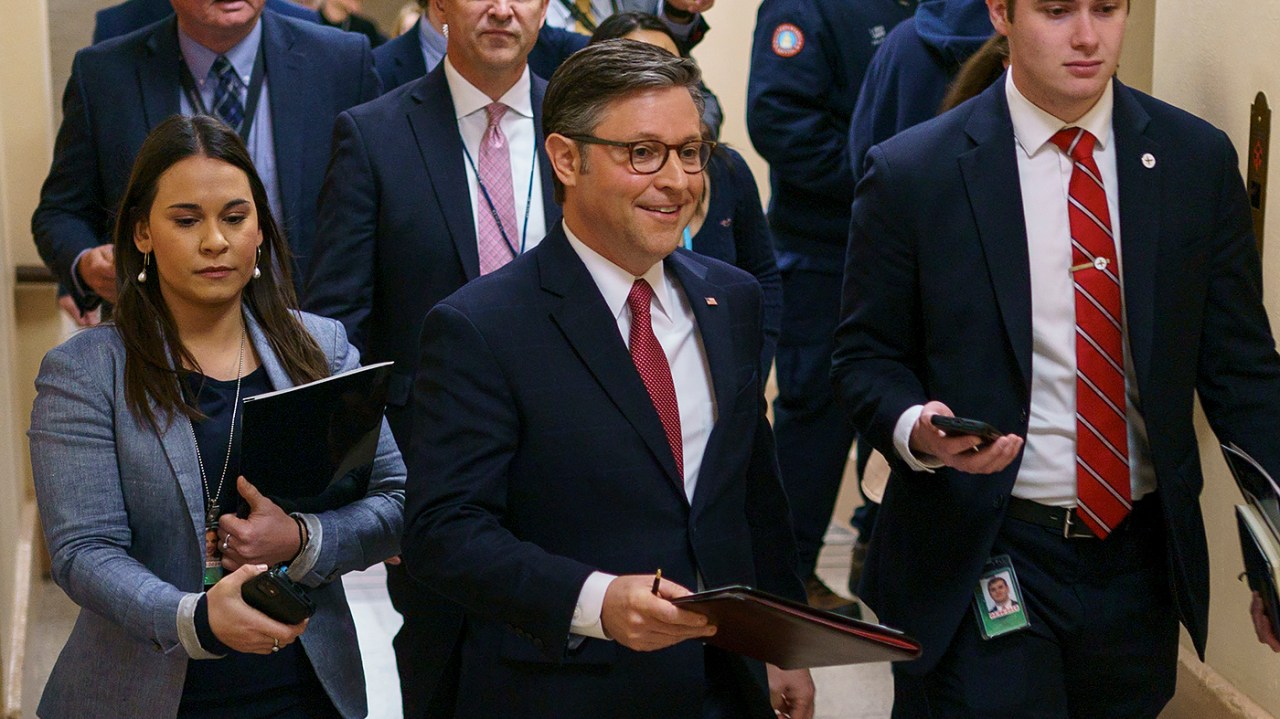
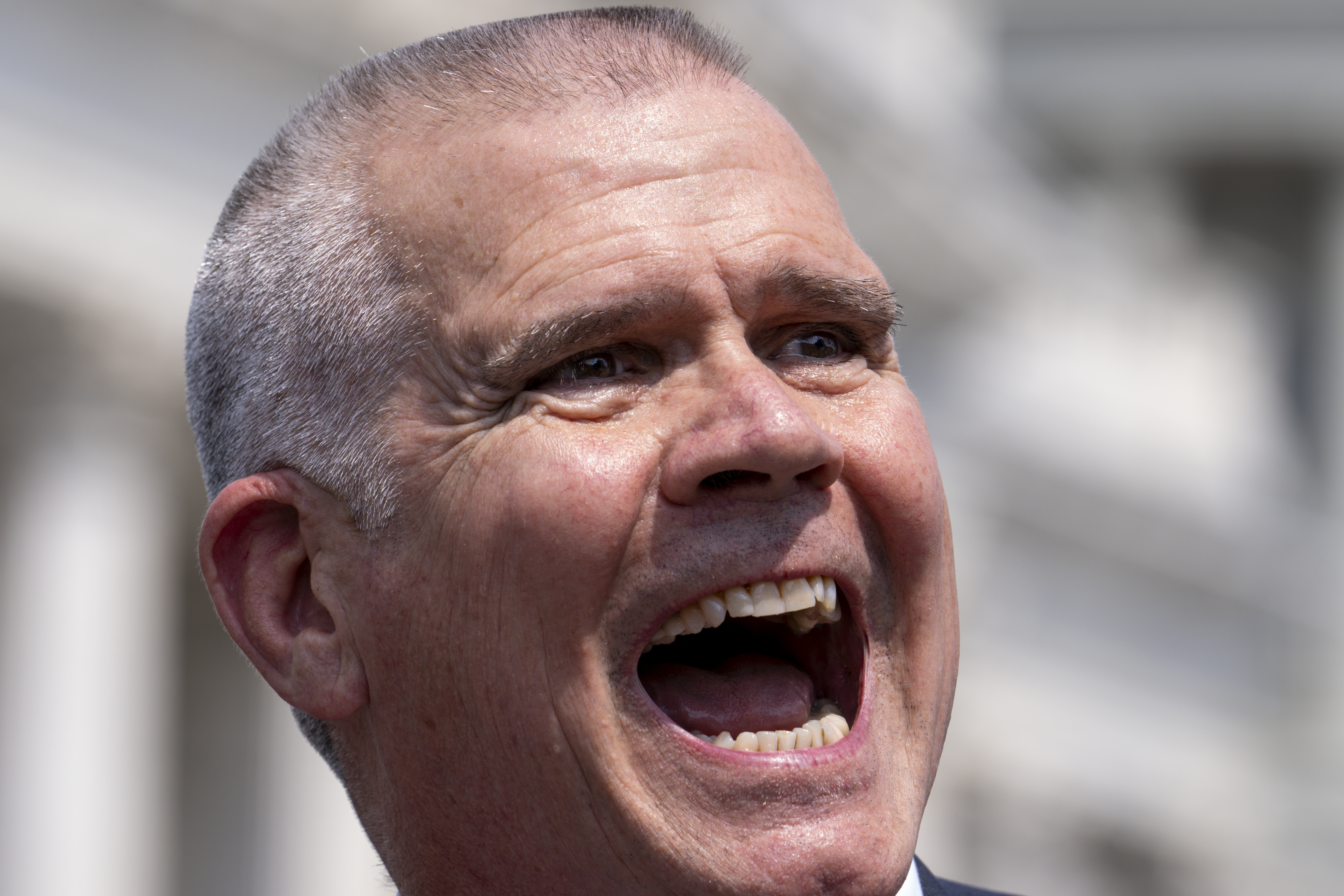
The article reports on the ongoing US government shutdown, highlighting disagreements between House and Senate leaders over emergency troop pay legislation, and covers various political confrontations and investigations involving prominent lawmakers and officials, including debates over law enforcement actions and healthcare policy issues.
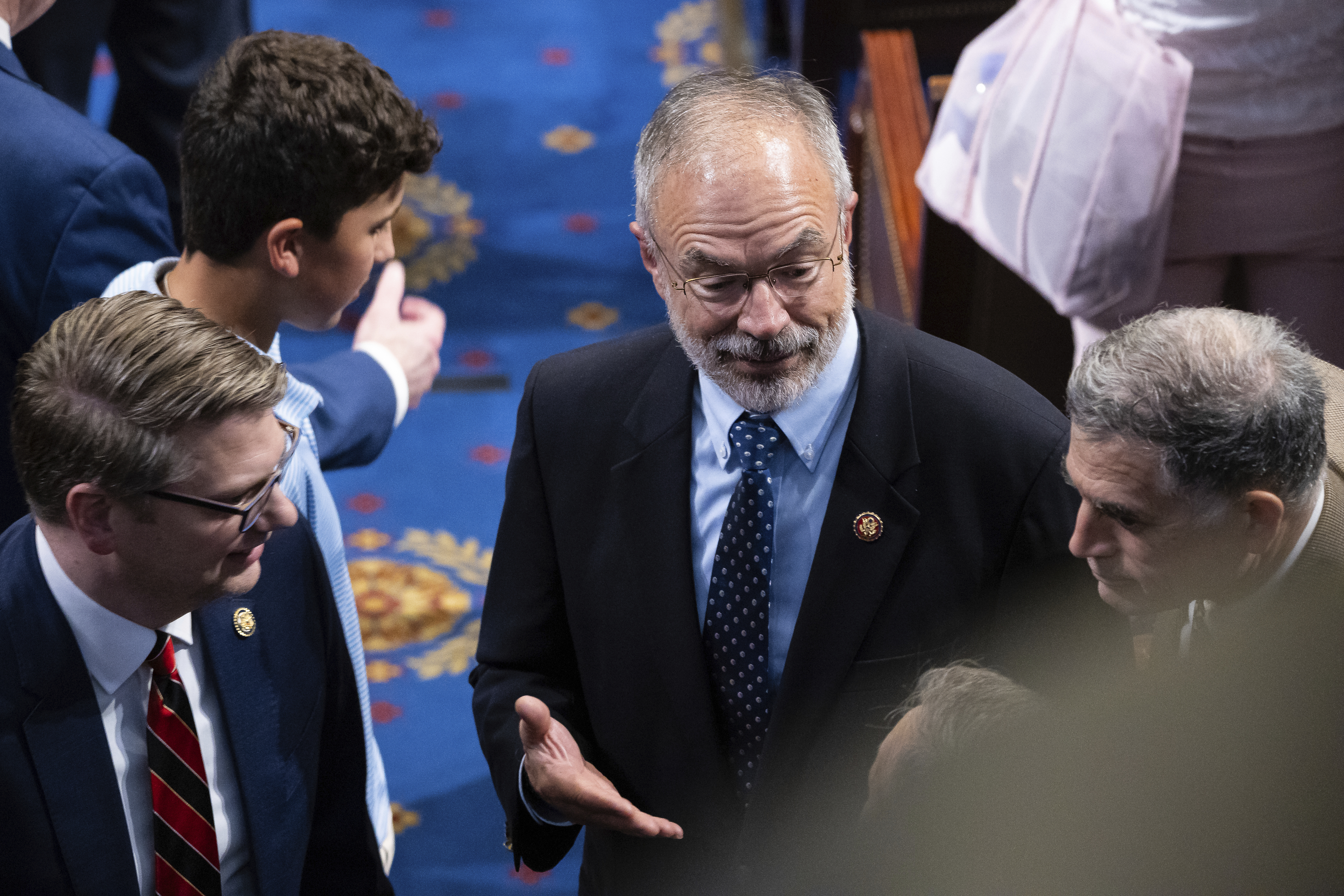
The article discusses the ongoing US government shutdown, highlighting conflicting messages between President Trump and Democrats about health care negotiations, GOP leadership's stance on talks, and various political developments including FBI phone record investigations and legislative actions. It also covers intra-party disagreements and recent hearings involving Attorney General Pam Bondi.
House Republican leaders are moving forward with votes on three key cryptocurrency bills, including the CLARITY Act, GENIUS Act, and a CBDC ban, with plans to possibly merge some measures; the bills are expected to pass with some bipartisan support, while GOP debates continue over digital currency regulations and party strategies.
The Freedom Caucus members ultimately accepted the bill without any significant changes after intense negotiations with GOP leaders and the White House, with Trump and GOP leaders exerting pressure to pass the bill before July 4, despite initial opposition from some members.
The Senate GOP leadership is pushing to pass a comprehensive budget bill by July 4, facing internal disagreements and potential delays, with key negotiations ongoing to meet the aggressive timeline despite concerns about Medicaid provisions and House approval.
Senator John Thune has successfully navigated his way to becoming the GOP leader by focusing on Republican senators and mending his relationship with Donald Trump. Despite past criticisms of Trump, Thune has maintained communication with him and aligned his voting record with Trump's agenda over 90% of the time. Thune's victory indicates a balance between leading a bipartisan institution and supporting Trump's agenda, with GOP senators backing him to maintain congressional powers while endorsing much of Trump's policies. Thune's leadership is seen as a unifying force within the Republican conference.
President-elect Donald Trump has expressed strong support for House Speaker Mike Johnson, calling him a "tremendous guy" during a private meeting with House Republicans. This endorsement is expected to solidify Johnson's position ahead of GOP leadership elections and the full floor vote in January. Trump's backing may help Johnson avoid challenges from conservative hardliners, who previously ousted former Speaker Kevin McCarthy. Johnson, currently unopposed, is confident in retaining his role as Speaker as Republicans prepare to control both Congress and the White House.
House Republicans are preparing for internal leadership elections, with Speaker Mike Johnson facing potential conservative opposition despite being expected to retain his position. Elise Stefanik's nomination as U.N. Ambassador has opened up the GOP Conference Chair role, with Reps. Lisa McClain and Kat Cammack vying for the position. Other leadership roles, such as the Republican Policy Committee Chair and Conference Secretary, are also contested, while some positions like House Majority Leader and Whip are uncontested.
President-elect Donald Trump is urging the next GOP Senate leader to support recess appointments, which allow temporary appointments without Senate approval when the chamber is out of session. Trump emphasized the need for this to expedite confirmations, as delays can last years. While he hasn't endorsed a candidate for the upcoming GOP leadership election, Rick Scott has expressed strong support for Trump's proposal. The practice of recess appointments has been limited by Senate pro-forma sessions and a 2014 Supreme Court ruling. Trump's push comes amid the race to replace Mitch McConnell as Senate GOP leader.
President-elect Donald Trump is urging Republican senators vying for the Senate majority leader position to support recess appointments, which would allow his Cabinet nominees to bypass Congress for quicker confirmation. This demand revives a longstanding conflict between presidential and Senate powers, with historical Supreme Court rulings favoring the Senate. Trump's push has gained support from some GOP senators, like Rick Scott and John Thune, but faces potential Democratic filibusters. The issue complicates the GOP's leadership election and highlights tensions over presidential power expansion.
State Sen. Sarah McBride has won Delaware's congressional seat, becoming the first openly transgender member of Congress. As polls close across various states, key races are being closely watched, including competitive districts in Montana, Nevada, and Pennsylvania. The GOP faces internal challenges, with leadership elections set for Nov. 13, amid a tight battle for House control. Democrats need to gain four seats to reclaim the majority, with redistricting affecting potential outcomes in North Carolina, Louisiana, and Alabama.
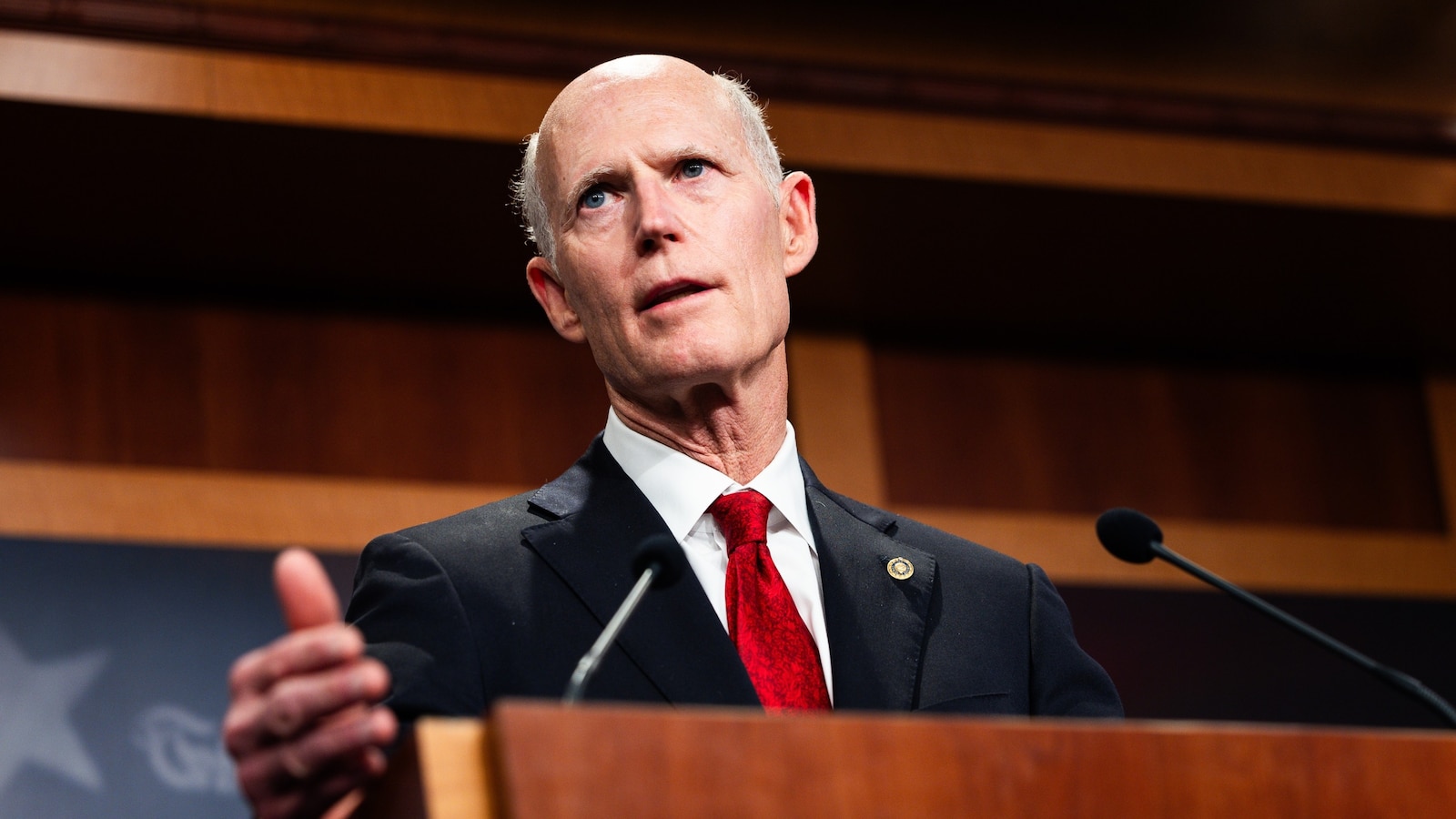
Sen. Rick Scott has announced his candidacy for Senate Republican leader, aiming to replace Mitch McConnell. Scott, who previously challenged McConnell in 2022, emphasizes a need for significant changes in Washington and aligns closely with former President Donald Trump. He joins South Dakota Sen. John Thune and Texas Sen. John Cornyn in the race, with the leadership election set to occur after the November elections.
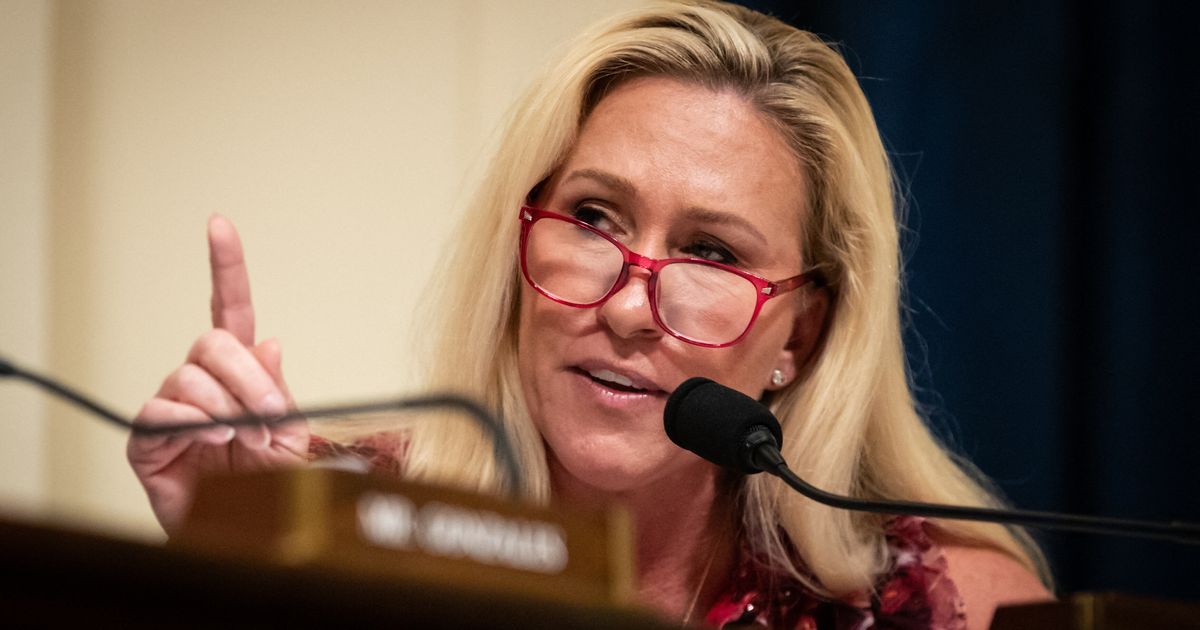
Rep. Marjorie Taylor Greene threatens to oust Speaker Mike Johnson, accusing the Biden administration of funneling Americans’ money to other countries for foreign military aid. She criticizes the old Republican Party for funding foreign wars and not prioritizing an America-first economy. Johnson's job security as speaker appears tenuous, with Republicans establishing a "motion to vacate" rule allowing one lawmaker to initiate a vote to remove the speaker. Some lawmakers have encouraged Johnson to tighten the rules on unseating a speaker, amid objections from Greene and others.
Speaker Mike Johnson's Plan B for Ukraine aid has raised questions about the specific path he intends to pursue, including how he plans to incorporate tougher border security measures into a national security supplemental and win Democratic support for a proposal that strays from the Senate-passed foreign aid package. Johnson is being careful not to antagonize conservatives in his own conference, who are wary of sending more aid to Ukraine without stronger border policies, while also facing pressure to act from both parties and President Biden. The debate highlights the quandary GOP leaders find themselves in as they wrestle with a strategy for helping Ukraine repel Russia's invading forces.
Rep. Matt Rosendale's Senate bid in Montana has set up a messy Republican primary, defying opposition from Senate GOP leaders who had been trying to prevent it. His entrance into the race ahead of the June primary pits him against Tim Sheehy, a former Navy SEAL-backed candidate, and has sparked a heated brawl. Montana is crucial to the GOP’s path to reclaiming the Senate, and Rosendale's move has raised questions about the party's strategy in the state.