
Dust from Asteroid Impact: The Dinosaurs' Extinction Explained
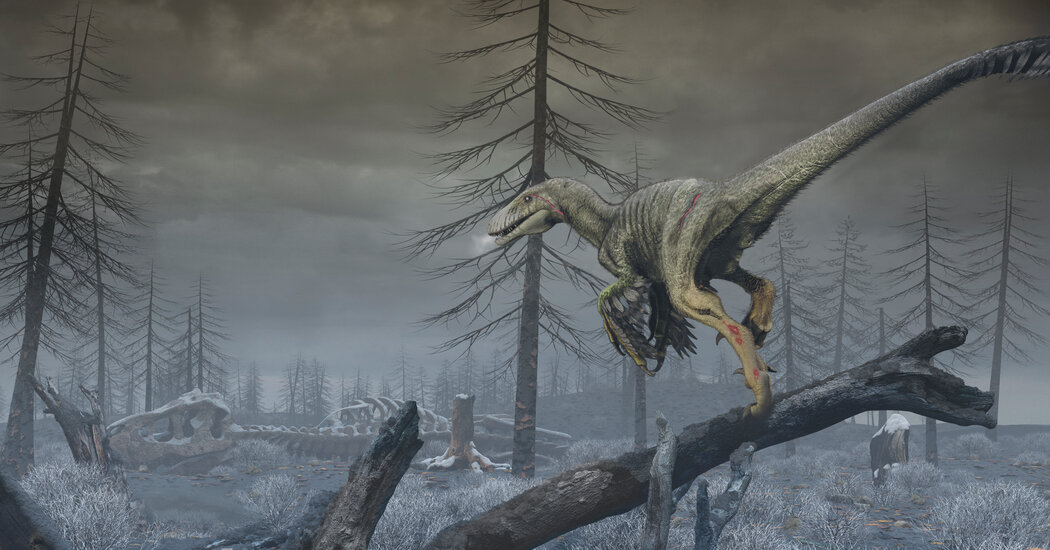
A new study published in Nature Geoscience suggests that fine silicate dust, lingering in the atmosphere for up to 15 years after the Chicxulub impact, played a significant role in the global cooling that led to the extinction of nonavian dinosaurs. The dust particles contributed to a long and dark winter, interrupting photosynthesis and causing global average surface temperatures to plummet. The research highlights the importance of understanding the impact of dust in the aftermath of asteroid collisions and provides insights into the challenges faced by dinosaurs during this time period. Further research is needed to explore the global implications and differences in climatic activity between the Northern and Southern Hemispheres.
- Dust Might Have Made the Dinosaurs Go Extinct The New York Times
- Asteroid that doomed the dinosaurs halted a key process for life on Earth, scientists say CNN
- Did dust from the Chicxulub asteroid impact kill the dinosaurs? Nature.com
- Dust drove dinosaurs’ extinction after asteroid impact, scientists say The Guardian
- Asteroid dust caused 15-year winter that killed dinosaurs: study Phys.org
- View Full Coverage on Google News
Reading Insights
0
4
3 min
vs 4 min read
86%
801 → 111 words
Want the full story? Read the original article
Read on The New York Times