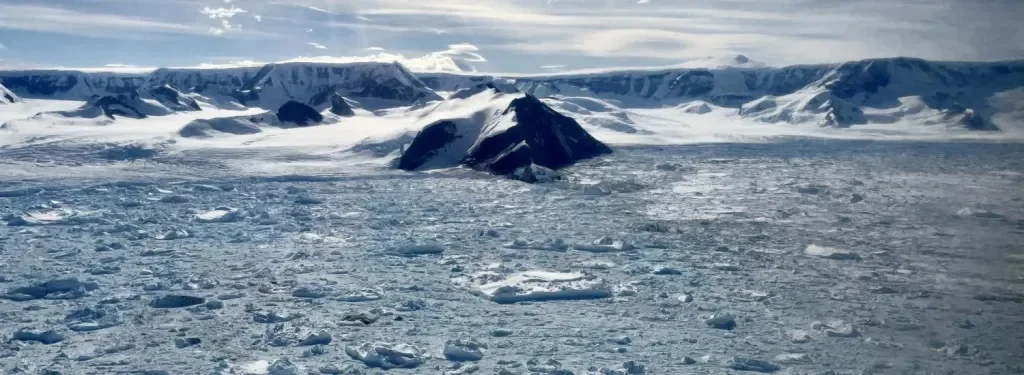
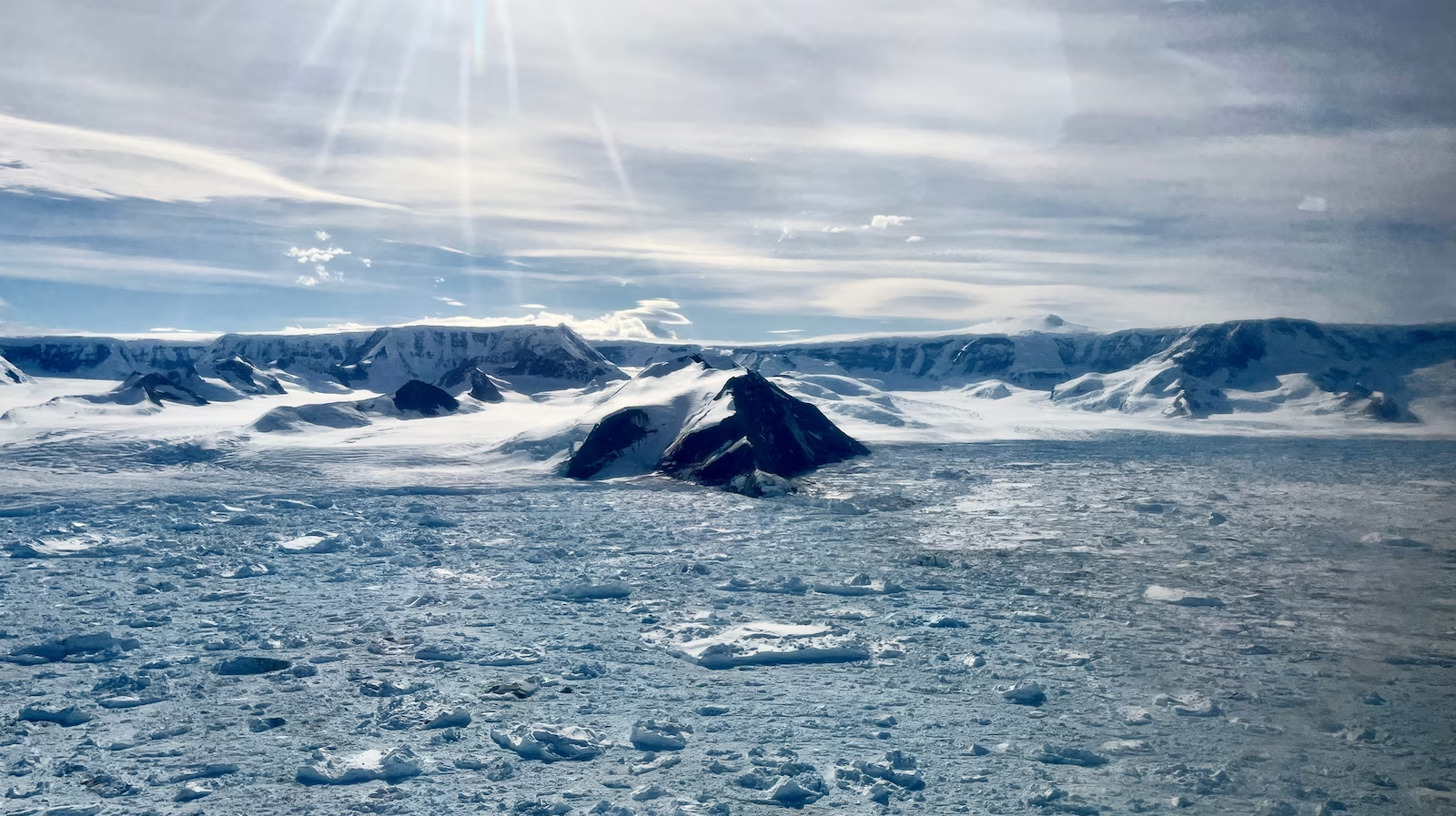
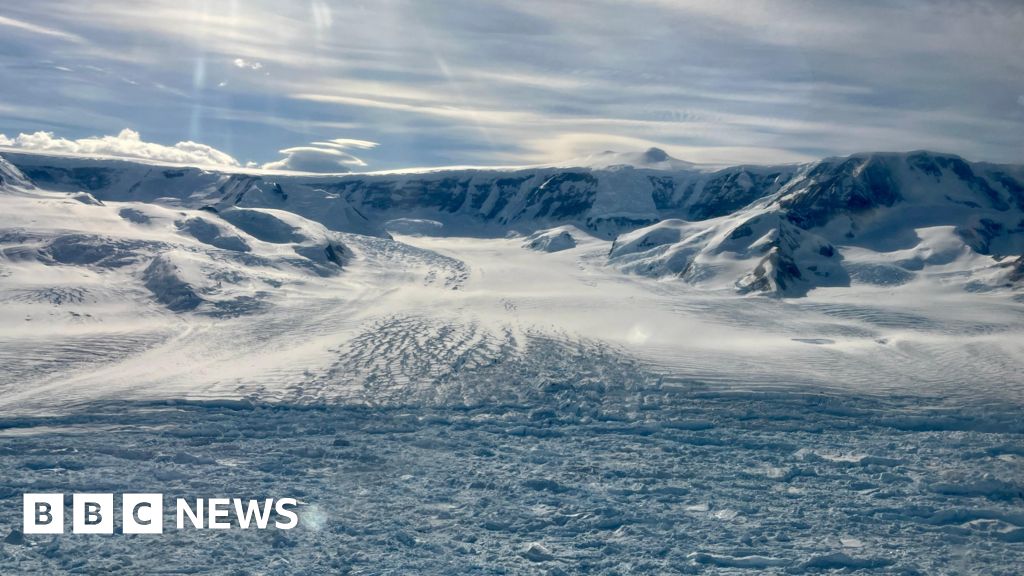
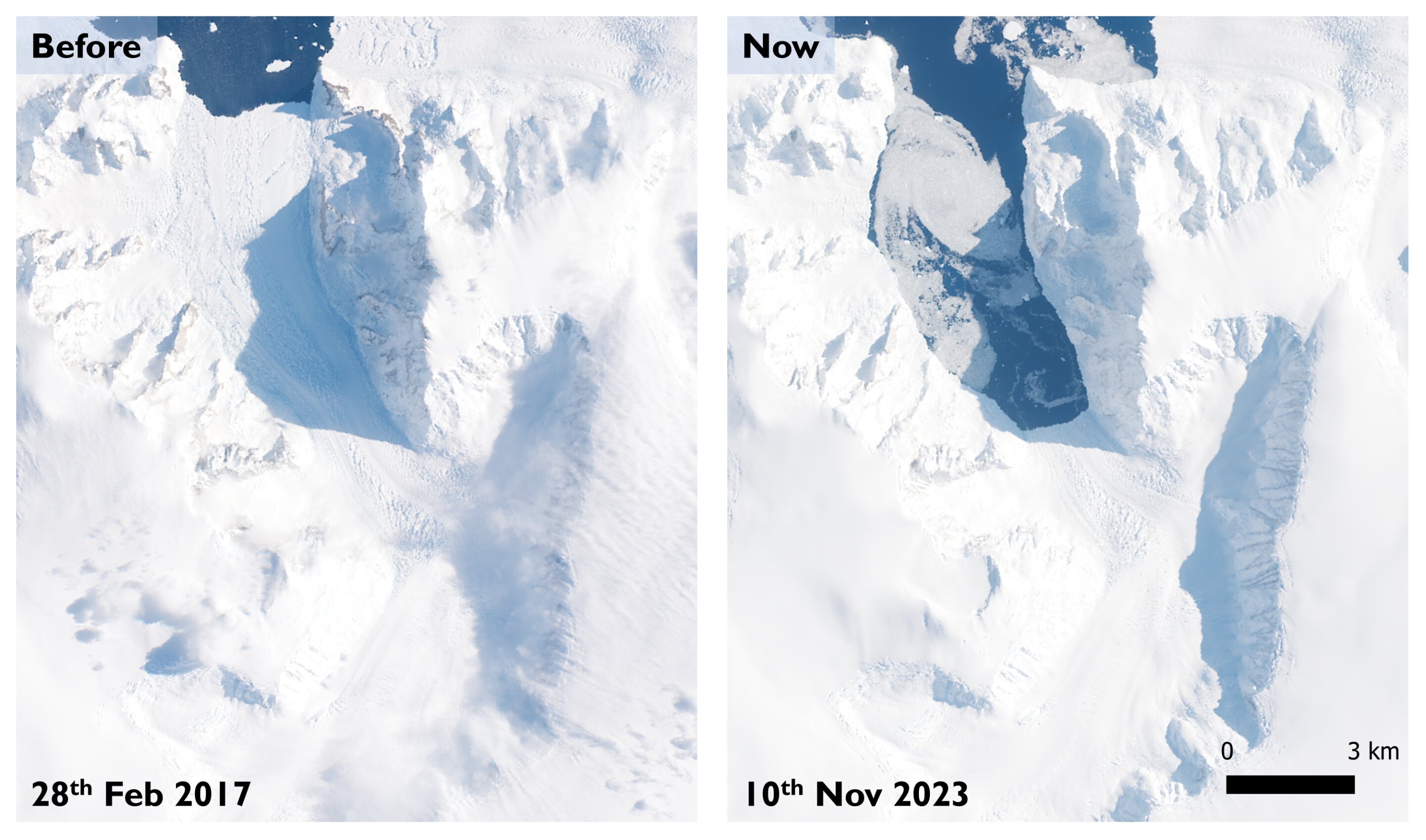
CU Boulder researchers discovered a new process causing the Hektoria Glacier in Antarctica to retreat rapidly, losing about half its mass in two months, marking the fastest grounded glacier retreat ever recorded.
A new study reports that the Hektoria Glacier in Antarctica retreated nearly 50% in just two months, marking the fastest retreat in modern history, which could have significant implications for global sea level rise if similar rates occur in larger glaciers.
A new study reports that the Hektoria Glacier in Antarctica is retreating at a rate ten times faster than previously measured, with significant calving and potential implications for sea level rise, highlighting the urgent need for further research into Antarctic glaciers and bedrock.
A new study suggests that the Hektoria Glacier in Antarctica retreated over 8 km in just two months, potentially due to unprecedented grounding on the seabed, which could have significant implications for future sea-level rise. However, some scientists contest the findings due to uncertainties about the glacier's grounding line location. The rapid changes highlight the urgent need for more satellite data to understand polar region dynamics amid climate change.
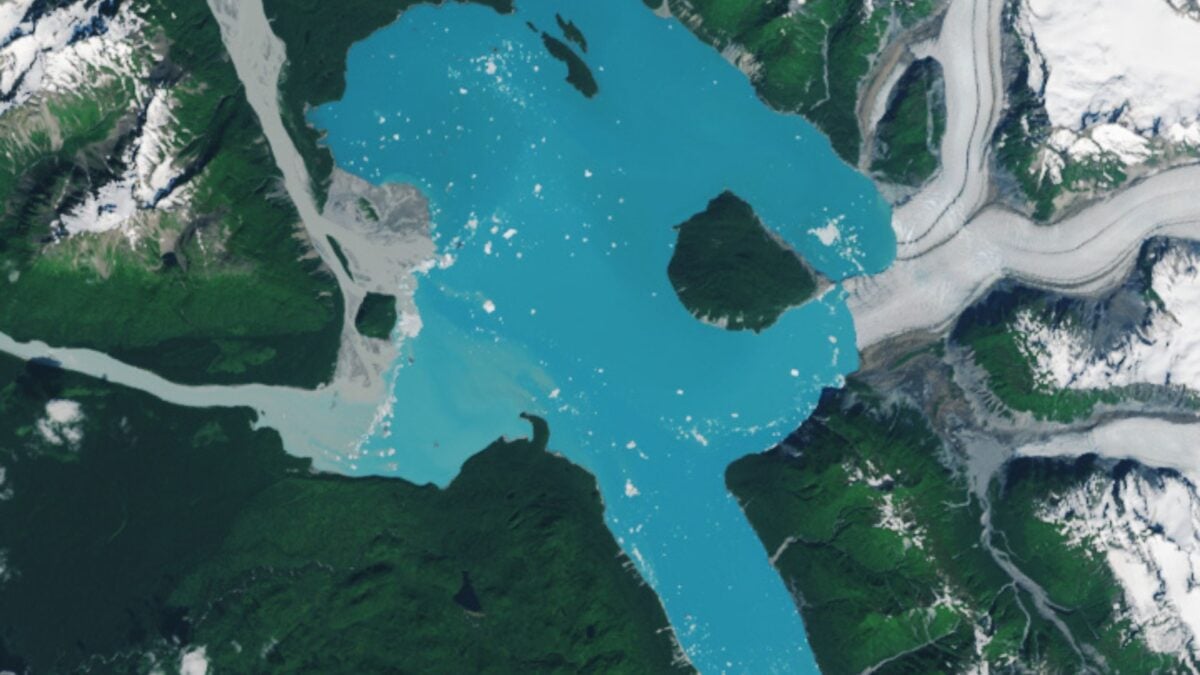
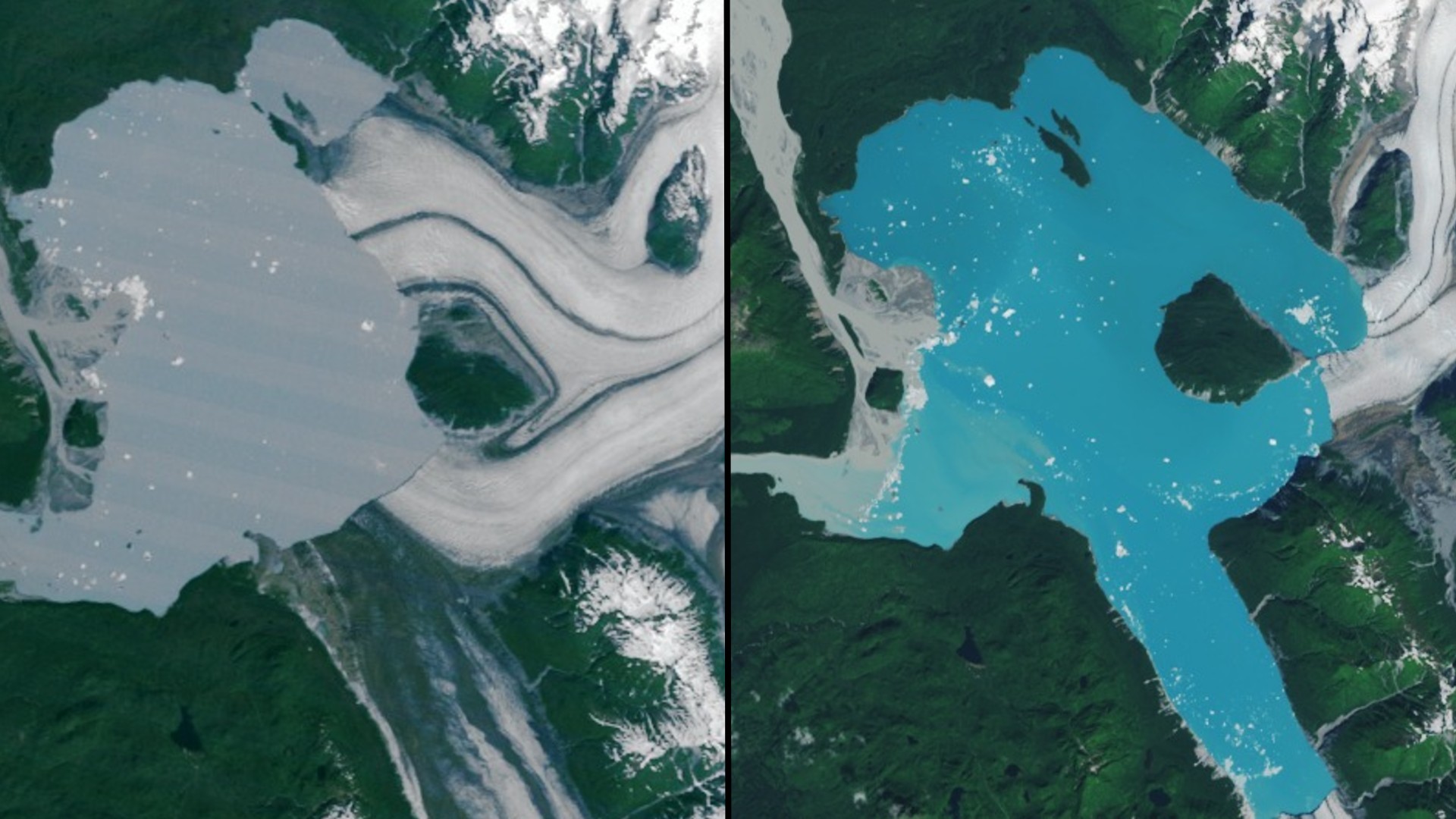
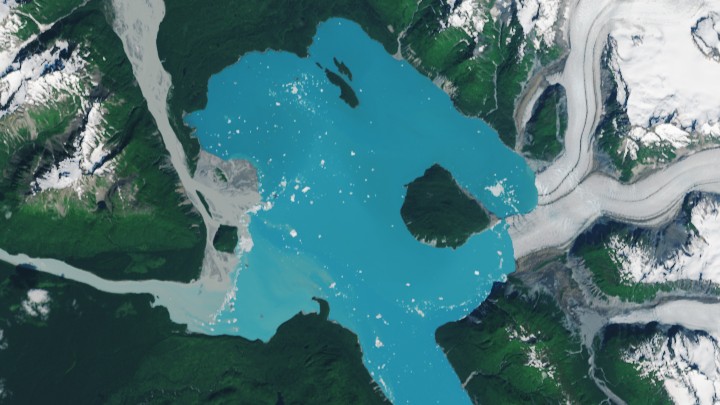
A new island has formed in Alaska after the Alsek Glacier retreated over 40 years, surrounding a rocky mound called Prow Knob with meltwater, a process accelerated by global warming. Satellite images from 1984 to 2025 show the glacier's retreat and the growth of Alsek Lake, highlighting the impact of climate change on landscape and sea levels.
NASA satellite images reveal that due to melting glaciers in Alaska, a new island has formed in Alsek Lake after the Alsek Glacier retreated over 3 miles since 1984, highlighting the rapid landscape changes caused by climate change.
A new island called Prow Knob has emerged in a lake in southeastern Alaska after the nearby Alsek Glacier retreated and lost contact with it, illustrating the ongoing effects of glacier melting due to climate change, as documented by NASA satellite images.
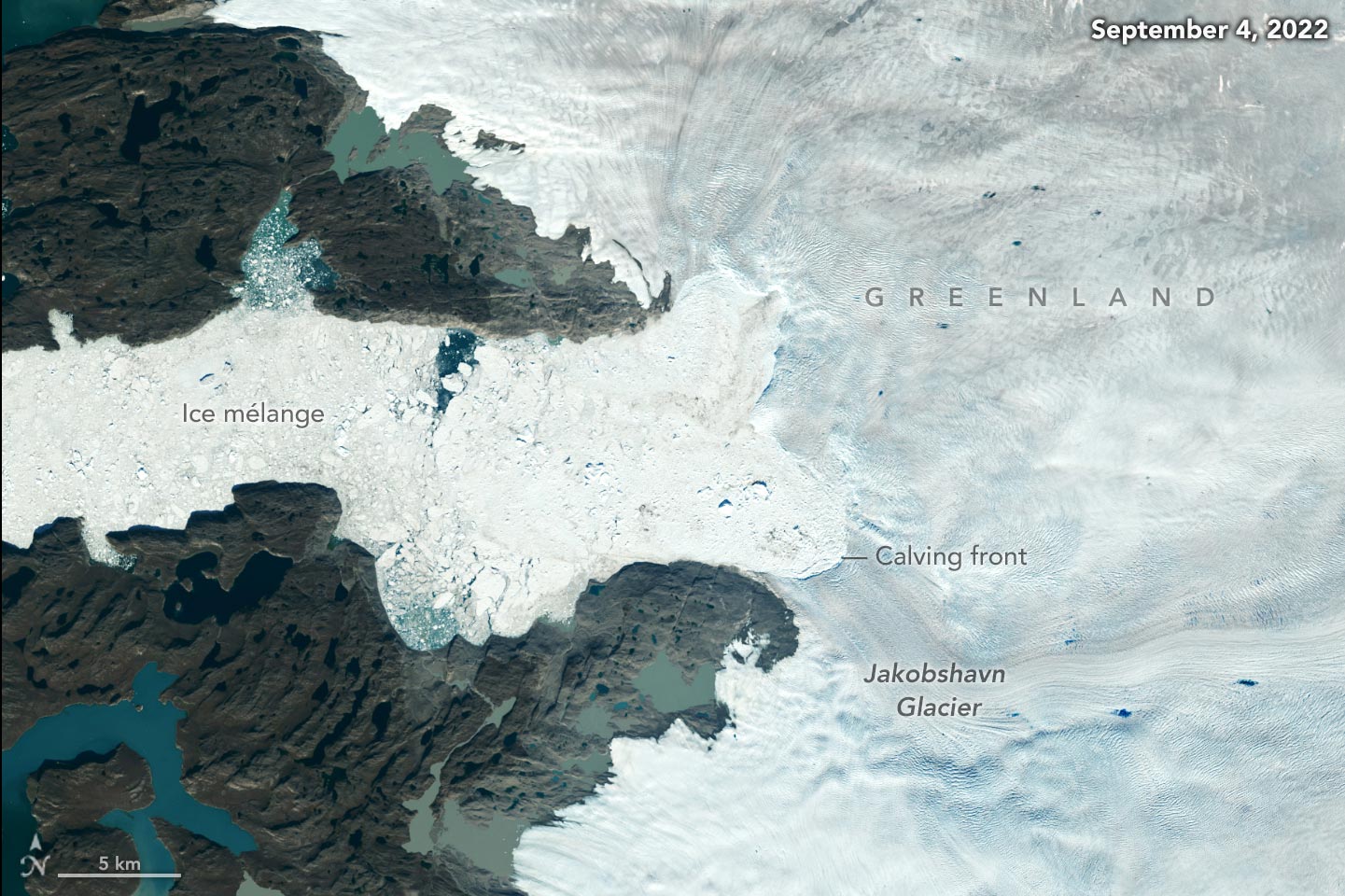
A new study by NASA's Jet Propulsion Laboratory reveals that the Greenland Ice Sheet has lost about 1,140 billion tons of ice from 1985 to 2022, one-fifth more than previously estimated, with the majority of glaciers on the landmass retreating significantly. While this additional ice loss has had only an indirect impact on sea levels, it could hold implications for ocean circulation in the future. The study offers a comprehensive look at retreat around the edges of the entire ice sheet, drawing from nearly a quarter million pieces of satellite data on glacier positions, and suggests that changes in the salinity of the North Atlantic Ocean from melting icebergs could weaken the Atlantic Meridional Overturning Circulation, influencing weather patterns worldwide and affecting ecosystems.
Scientists have used satellite data to track the rapid retreat of the Cadman Glacier in the Antarctic, which lost eight kilometers of ice between November 2018 and May 2021. The collapse of the ice shelf at the end of the glacier, caused by warmer ocean waters, led to a doubling of the glacier's speed and increased ice discharge into the sea. The researchers warn that apparently stable glaciers can switch rapidly and lose large quantities of ice due to climate change, emphasizing the need for comprehensive monitoring of polar regions. The Cadman Glacier's collapse serves as an example of a glaciological tipping point, highlighting the vulnerability of other glaciers on the Antarctic Peninsula.