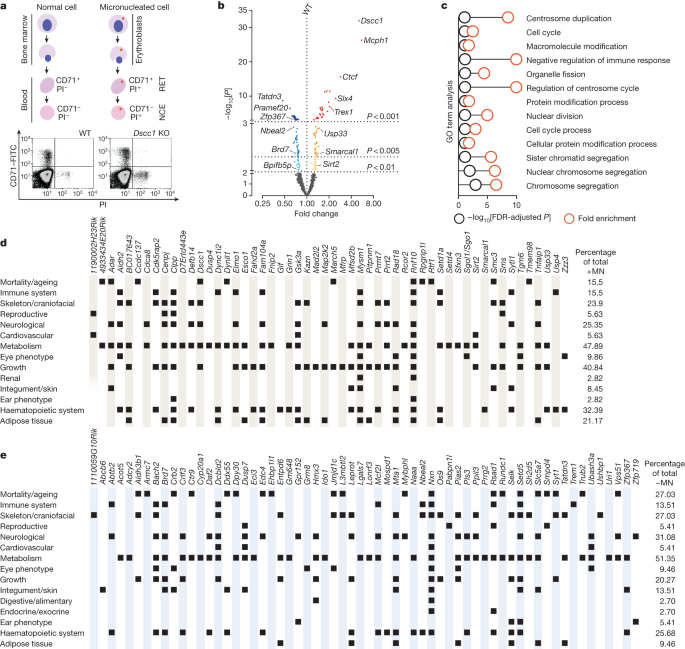
A study identified genetic factors that regulate micronucleus (MN) formation in vivo by screening over 6,000 mice and found genes that either increased or decreased MN formation. The study also integrated findings with a genome-wide association study and identified potential human disease relevance. DSCC1, a gene involved in sister chromatid cohesion, was found to be critical for genome maintenance, and its deficiency led to phenotypes associated with genomic instability. Additionally, a genome-wide CRISPR–Cas9 screen revealed that SIRT1 inhibition could rescue the proliferation defect of DSCC1-deficient human cells, suggesting a potential therapeutic target for further investigation.
Therapy-induced APOBEC3A, a protein involved in DNA mutation, drives the evolution of persistent cancer cells and contributes to treatment resistance. Whole-genome and -exome sequencing data on clinical tumor samples and experimental models are available for further analysis. The study highlights the importance of understanding the role of APOBEC3A in cancer evolution and suggests potential therapeutic strategies to target this protein.
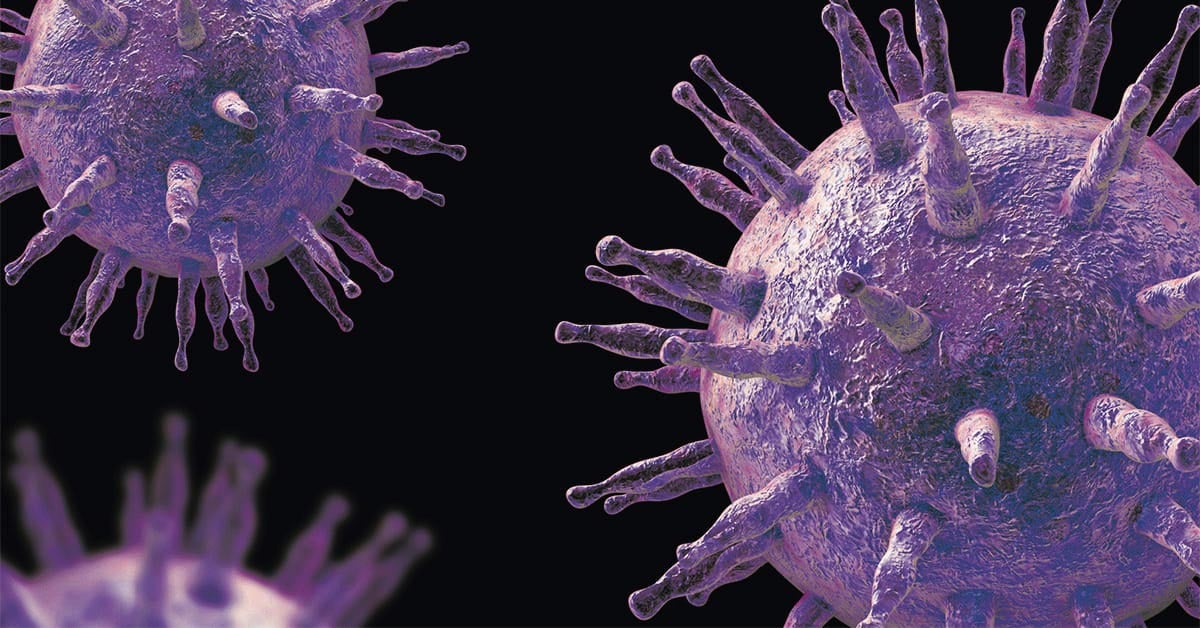
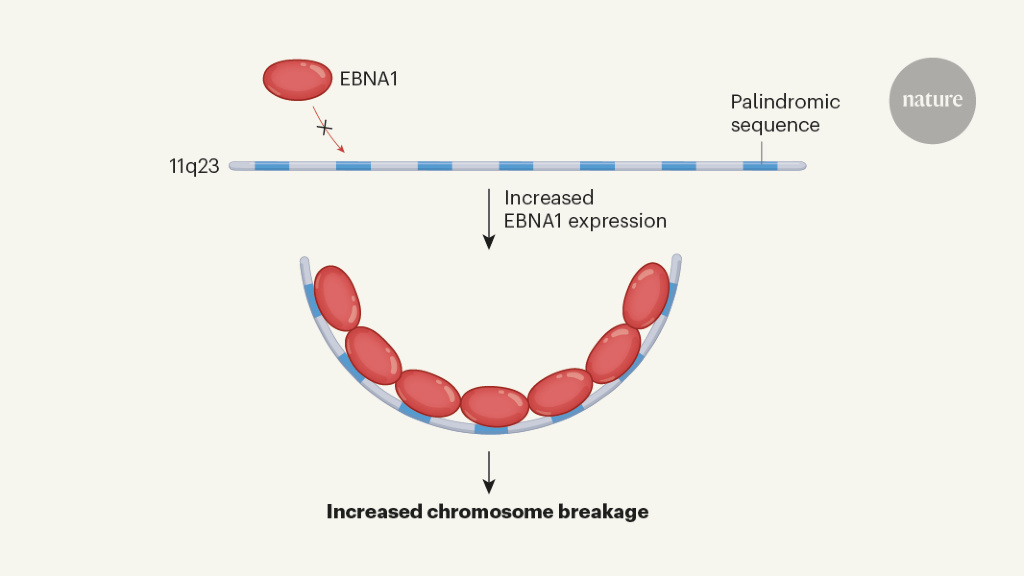
Researchers have discovered how the Epstein-Barr virus (EBV) exploits human genomic weaknesses to cause cancer and suppress the body’s defenses. The study shows that the EBNA1 viral protein binds to a fragile site on human chromosome 11, leading to chromosomal breakage and genomic instability that may result in cancer. This finding could help identify risk factors and develop preventative strategies for EBV-associated diseases.
A protein called EBNA1 from the Epstein-Barr virus has been found to bind to and break human chromosome 11, leading to genomic instability that may increase the risk of cancer. EBV is associated with several types of cancer, and the only viral protein expressed in all types of EBV-related cancer is EBNA1. The study sheds light on how EBV might contribute to cancer development.