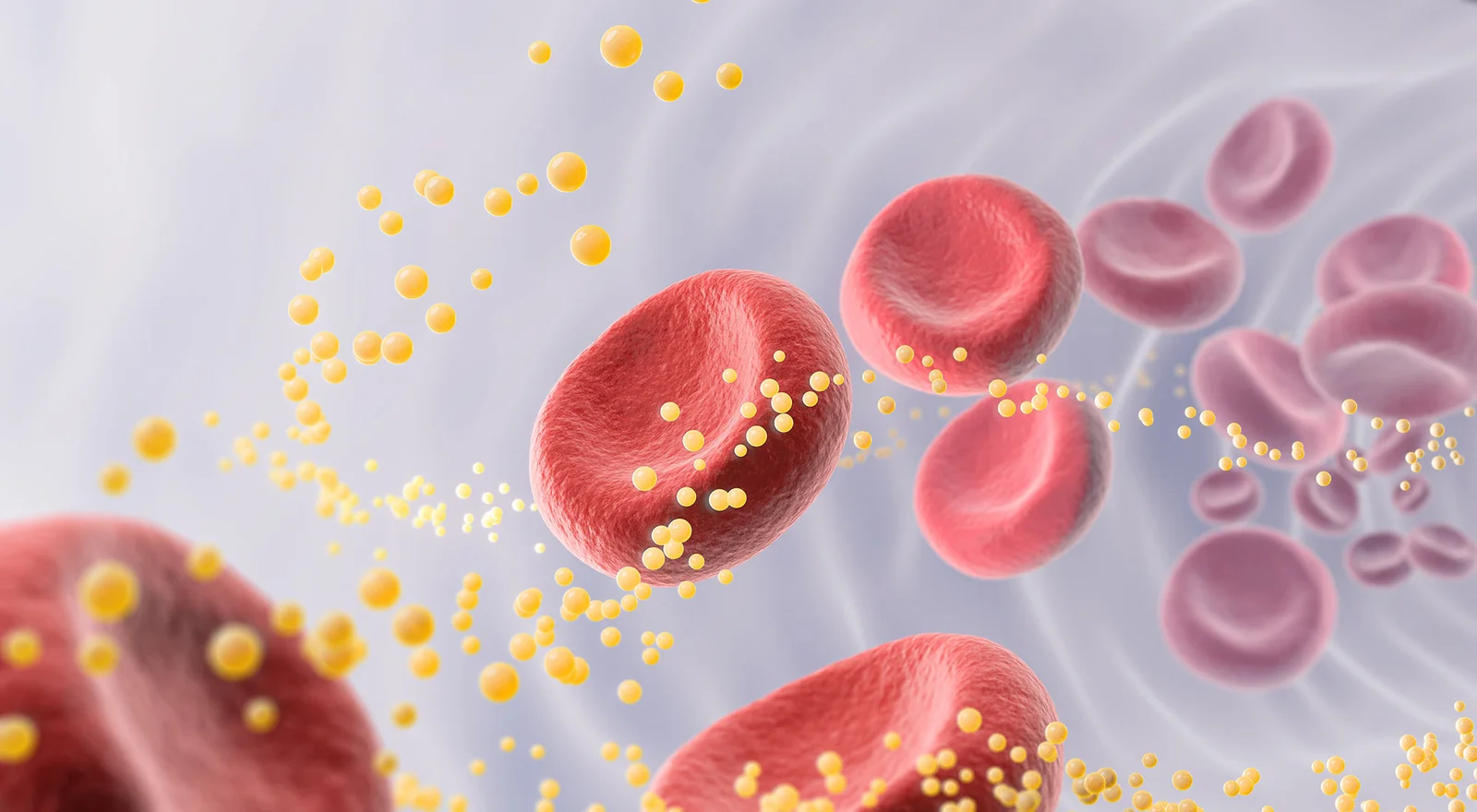
A new genetic therapy using polypurine hairpins to inhibit PCSK9 significantly reduces cholesterol levels by nearly 50%, offering a promising alternative to traditional statins and potentially reducing cardiovascular disease risk.
The study presents a novel method for replacing brain microglia using allogeneic progenitor cells without the need for myeloablation, successfully treating a mouse model of Sandhoff disease and showing potential for human therapy with induced pluripotent stem cell-derived cells.
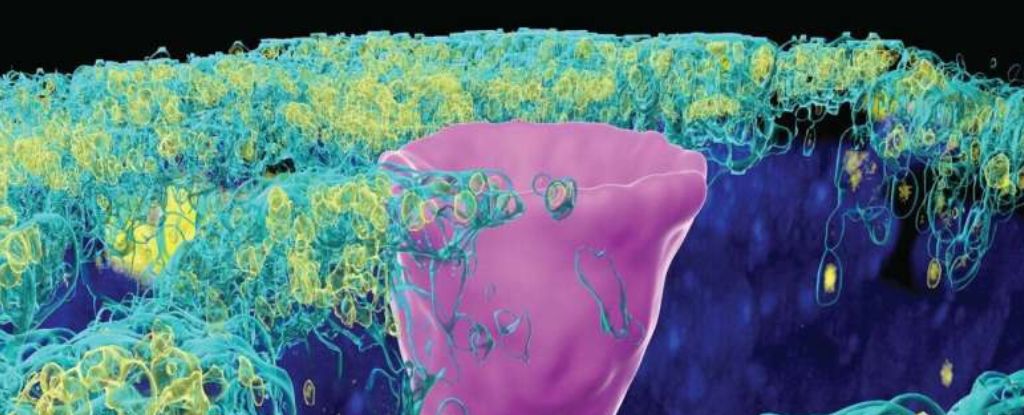
Scientists at the University of Iowa have discovered a type of cell, called ionocytes, in human lungs that contain most of the cystic fibrosis transmembrane conductance regulator (CFTR) channels in our bodies. These ionocytes, which are also found in fish and frogs, have a different function than previously studied airway secretory cells. Instead of secreting chloride ions, the CFTR proteins in ionocytes seem to absorb ions, leading to the absorption of moisture from the liquid layer lining the lungs. This new understanding of CFTR protein function could provide insights into the pathology of cystic fibrosis and potentially lead to genetic therapies targeting ionocytes for the treatment of the disease.
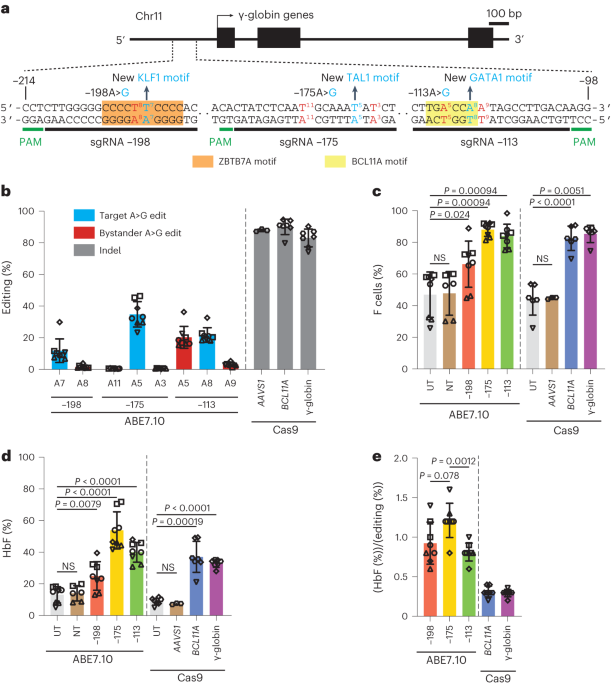
Researchers have developed a base editing technique that efficiently induces the production of fetal hemoglobin (HbF), which has therapeutic potential for treating genetic blood disorders such as sickle cell disease and beta-thalassemia. The study demonstrates the successful use of base editors to precisely modify specific DNA sequences associated with HbF regulation, resulting in potent and uniform HbF induction. The findings provide valuable insights into the development of genetic therapies for blood disorders and highlight the potential of base editing as a precise and effective tool for therapeutic gene editing.