
Uncovering the Surprising Role of Rare Lung Cells in Cystic Fibrosis
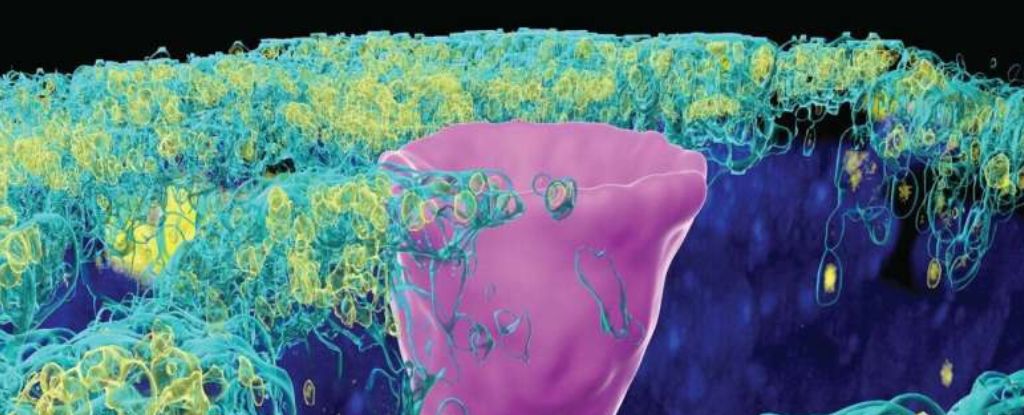
Scientists at the University of Iowa have discovered a type of cell, called ionocytes, in human lungs that contain most of the cystic fibrosis transmembrane conductance regulator (CFTR) channels in our bodies. These ionocytes, which are also found in fish and frogs, have a different function than previously studied airway secretory cells. Instead of secreting chloride ions, the CFTR proteins in ionocytes seem to absorb ions, leading to the absorption of moisture from the liquid layer lining the lungs. This new understanding of CFTR protein function could provide insights into the pathology of cystic fibrosis and potentially lead to genetic therapies targeting ionocytes for the treatment of the disease.
- Unexpected 'Fish' Cell Found in Human Lungs Could Be Key to Cystic Fibrosis ScienceAlert
- Cystic Fibrosis Surprise – Scientists Discover Unexpected Function of Rare Lung Cells SciTechDaily
- How rare lungs cells play important role in cystic fibrosis: Study Hindustan Times
- View Full Coverage on Google News
Reading Insights
0
8
2 min
vs 3 min read
80%
532 → 109 words
Want the full story? Read the original article
Read on ScienceAlert