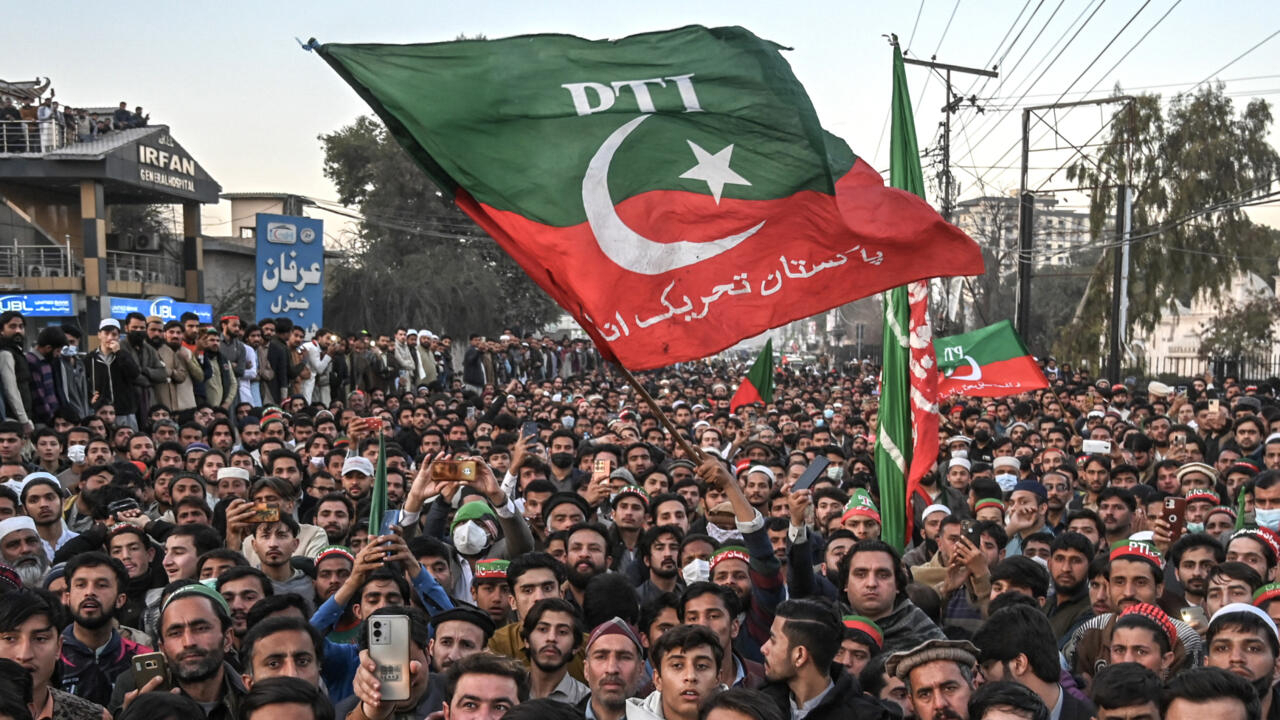
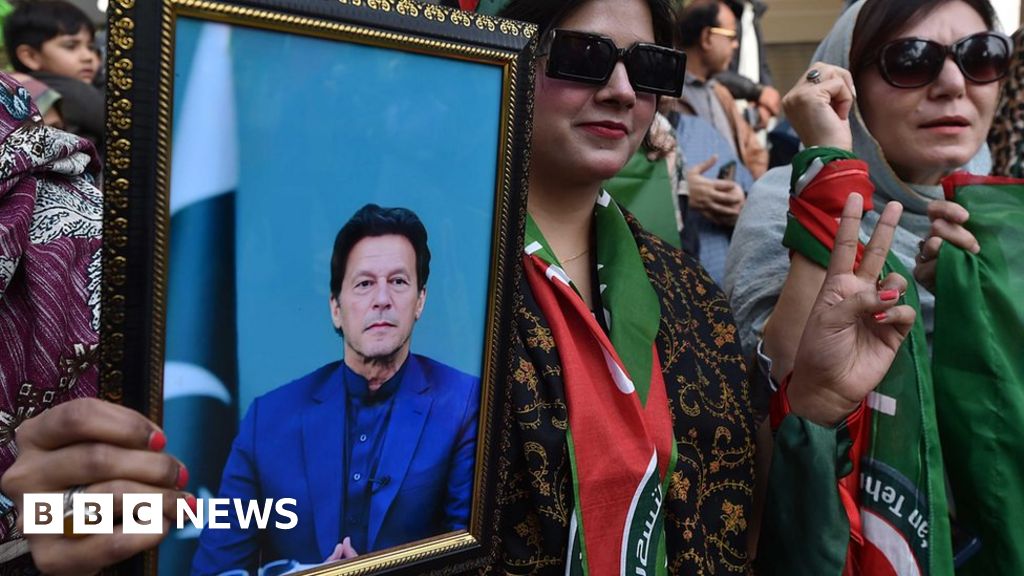
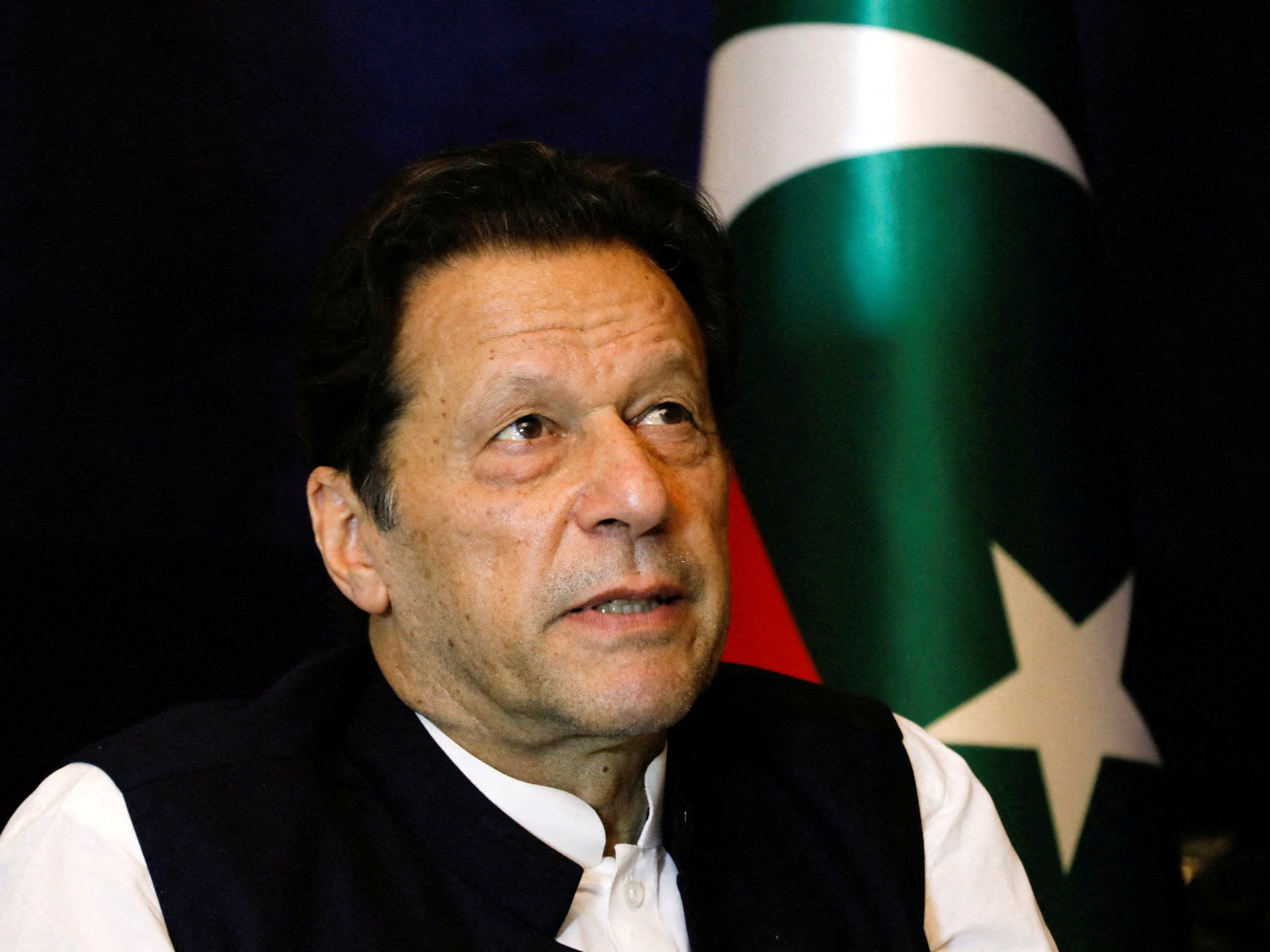
Pakistan's 2024 general elections were marred by allegations of rigging, with Imran Khan barred from running and the military perceived as backing Nawaz Sharif. Despite expectations of a Sharif victory, independent candidates backed by Khan led the race, prompting Sharif to seek a coalition government. The military's influence in politics, economic crisis, and ongoing power struggles have created a turbulent political landscape, with implications for Pakistan's future governance.
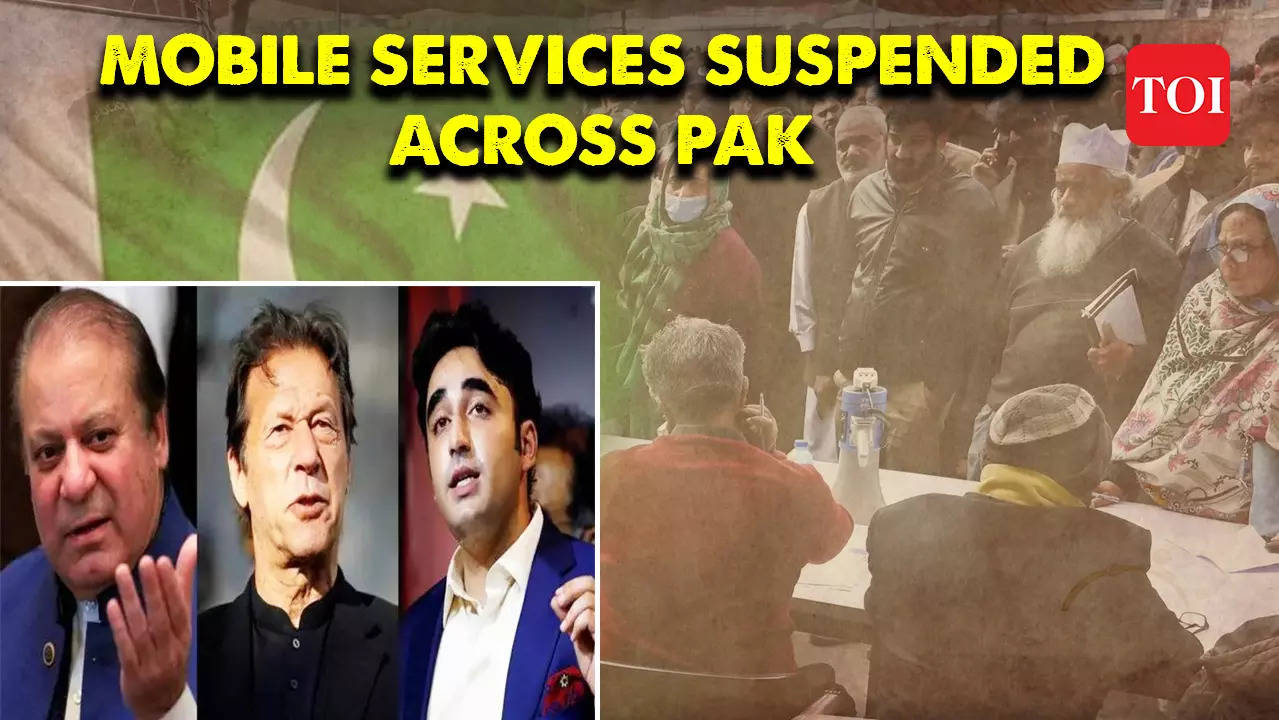
Pakistan began voting in general elections with mobile services suspended and a nationwide public holiday declared, allowing over 128 million registered voters to cast their ballots. The country witnessed violence the day before, resulting in at least 30 deaths. 44 political parties are competing for 266 seats in the National Assembly, with an additional 70 seats reserved for women and minorities.
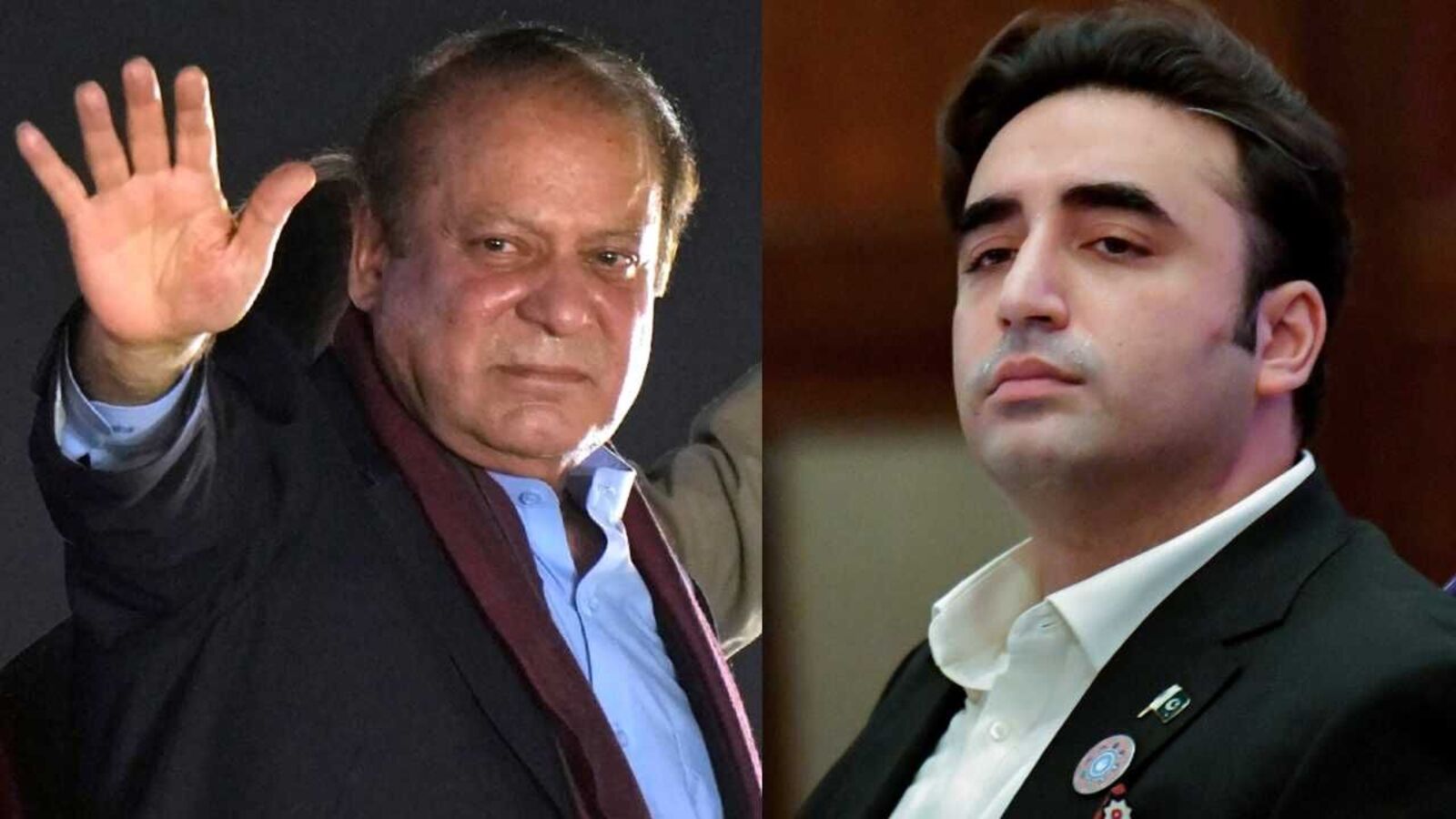
Pakistan's general elections are set for February 8, with Nawaz Sharif, Bilawal Bhutto-Zardari, and the jailed Imran Khan as the main contenders. Nawaz Sharif has a history of seeking rapprochement with India, while Bilawal Bhutto-Zardari has been critical of India, calling it a "rogue Hindutva terrorist state." Imran Khan, despite being in jail, remains influential and has previously called for peace with India. The candidates' stances on India are crucial given the ongoing disputes between the two countries.
India is set to release its interim budget ahead of the general elections, with expectations for a focus on fiscal deficit targets, capital spending, and potential tax benefits. Analysts anticipate increased infrastructure spending and a focus on rural development, while also predicting that the Indian stock markets may rally if the Reserve Bank of India cuts interest rates in the second half of 2024.
Former Pakistani Prime Minister Imran Khan has been sentenced to 10 years in jail for leaking state secrets, adding to a previous three-year jail term for corruption. Khan, who claims the charges are politically motivated, is barred from standing in the upcoming general elections. His party members have also faced imprisonment and restrictions, raising concerns about the credibility of the upcoming vote. Meanwhile, his rival, former PM Nawaz Sharif, has seen his court cases dissolve, leading to speculation about shifting political preferences within Pakistan's establishment.
Former Pakistan Prime Minister Imran Khan and a senior leader of his party have been jailed for 10 years in a case involving leaked state secrets, known as the cypher case, just before the general elections. Khan, already serving a three-year jail term in a corruption case, has been barred from standing in the upcoming elections. He faces over 150 pending cases, including charges of not declaring assets and receiving land as a bribe. Despite being disqualified from the upcoming election, Khan remains a significant political figure due to his grassroots support and anti-establishment stance.
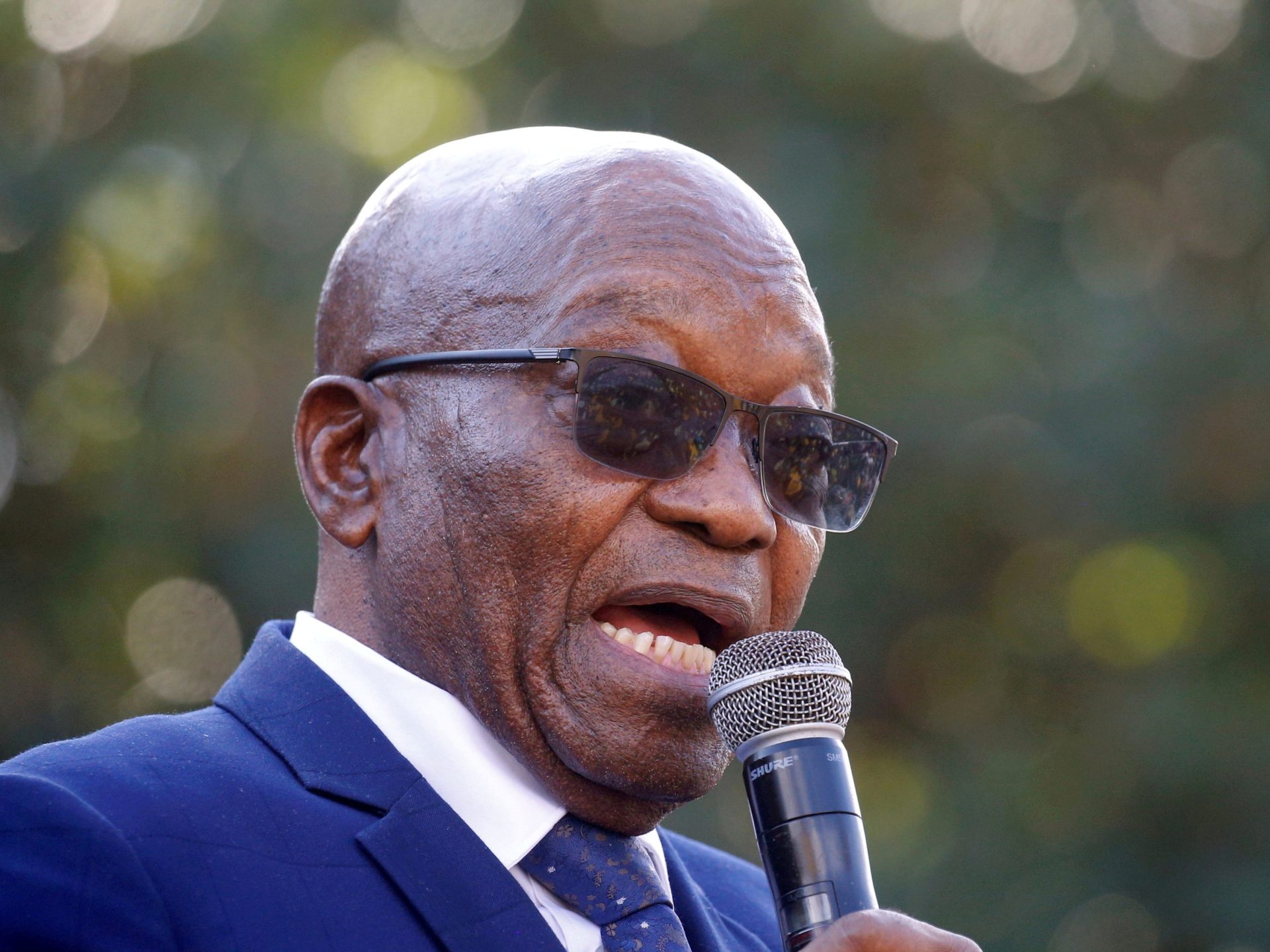
South Africa's ruling African National Congress (ANC) has suspended former President Jacob Zuma ahead of the country's general elections, following his backing of another party. The decision reflects disunity within the ANC, which is expected to lose ground in the upcoming elections. Zuma, who was forced from office under corruption allegations, has become estranged from the party and declared his support for a new party, uMkhonto We Sizwe. The ANC may seek to deregister the new party and challenge its use of the name. Zuma has 48 hours to respond to the suspension.
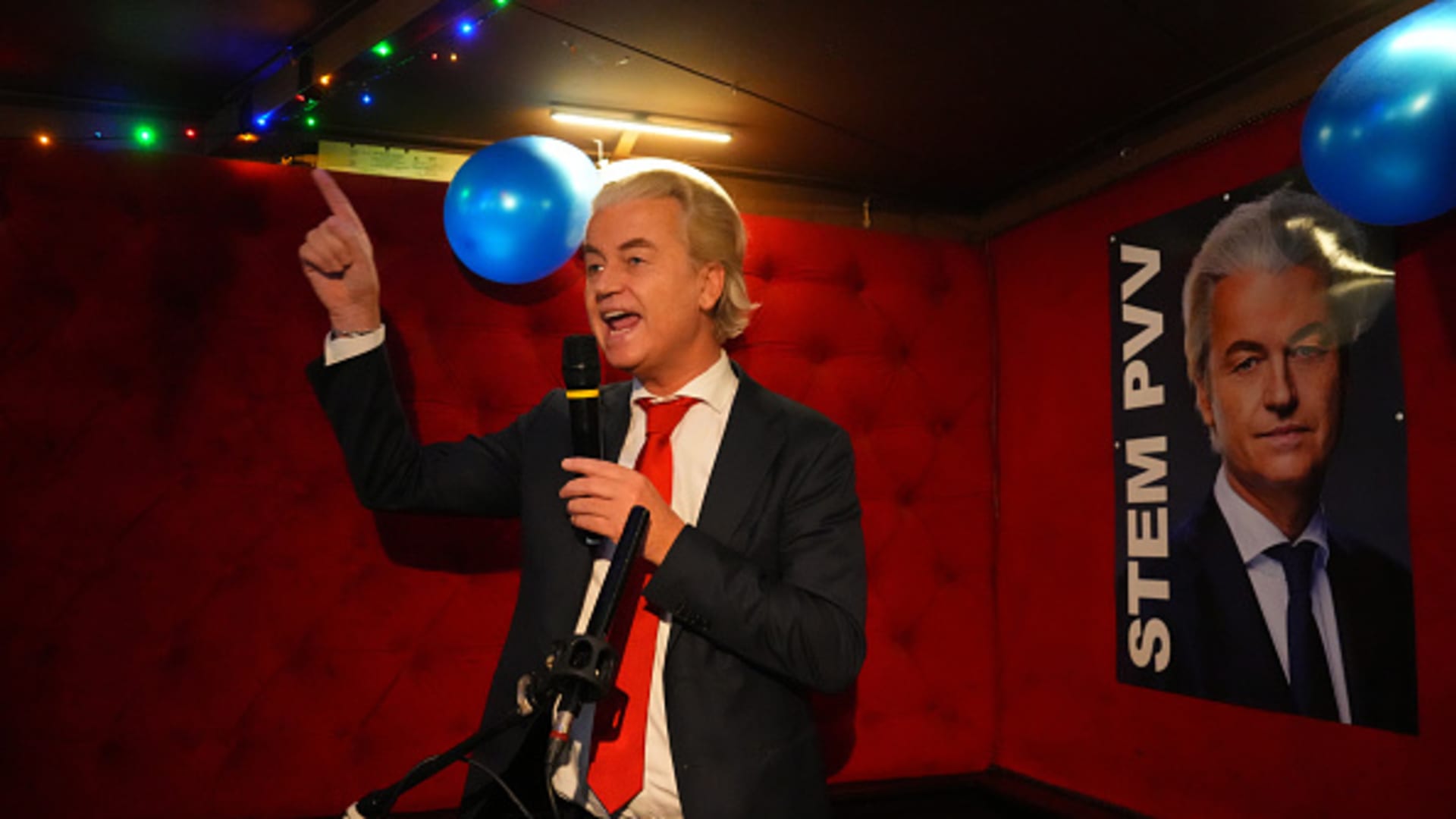
Far-right politician Geert Wilders has won a decisive victory in the Netherlands' general elections, causing concern in Brussels and Ukraine. Wilders, known for his anti-immigration and Islamophobic policies, has pledged to cut off military aid and potentially push for a Netherlands exit from the European Union. Forming a coalition government may be challenging, but a right-wing government with Wilders' party, Mark Rutte's conservative VVD Party, and Pieter Omtzigt's New Social Contract party is a likely outcome. Wilders may need to moderate his extreme policies, and fiscal policy may involve a balance between spending and cuts. A Wilders-led government is expected to be more antagonistic within the EU, but coalition partners may rein in his influence. The EU is closely watching the government formation process and is concerned about the potential disruption of policy-making and the impact on upcoming European Parliament elections.
The 2023 general elections in Seattle have shown that big business can easily influence the City Council with relatively small amounts of money, potentially resulting in a majority of council seats being held by corporate-backed candidates. Independent Expenditure committees funded by wealthy individuals and corporations played a significant role in supporting these candidates. The elections also revealed a shift towards tough-on-crime policies, with some candidates advocating for increased police presence and punitive approaches to issues like homelessness and drug addiction. However, there were some progressive victories in Tacoma, where a Democratic Socialist candidate is leading in a City Council race, and a renter's bill of rights initiative has a good chance of passing. Additionally, the King County Council is on track to elect its first Latina and Latino members. In the school board races, all of The Stranger-endorsed candidates are currently leading, indicating a desire for competent leadership in Seattle Public Schools. Finally, the housing levy renewal is passing, but critics argue that it falls short of adequately addressing the affordable housing crisis.
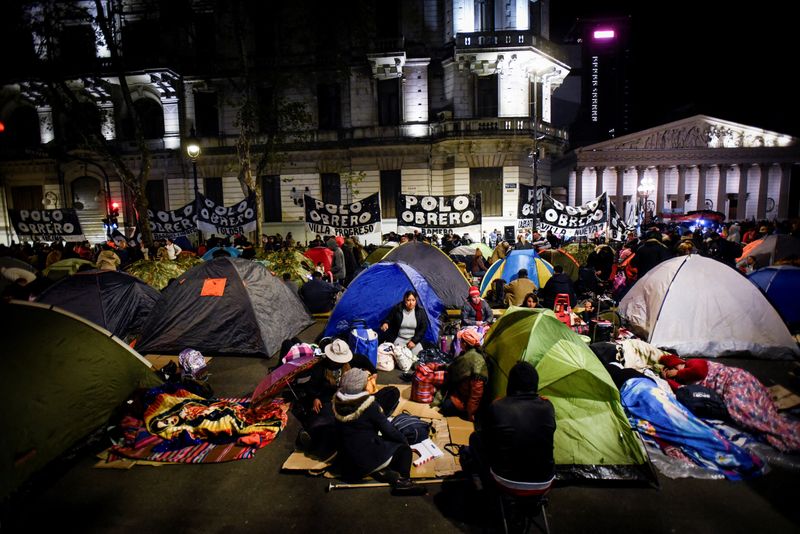
The Plaza de Mayo square in Buenos Aires has become a nighttime soup kitchen as poverty levels in Argentina reach over 40%. The country is battling annual inflation of 124%, which has pushed millions of people into poverty. The crisis has impacted the center-left Peronist government and its presidential candidate, while anti-establishment right-wing candidate Javier Milei is gaining popularity in the polls. The situation highlights the need for state policies that focus on production and increased employment opportunities. Many Argentines have resorted to informal jobs to make ends meet.
The Election Commission of Pakistan (ECP) has announced that general elections will be held in the last week of January 2024. The ECP has completed its review of the constituency delimitation process, with the initial list set to be released on September 27. After objections and suggestions, the final list will be issued on November 30, followed by a 54-day election program leading up to the polls. Political unrest has been ongoing in Pakistan since former Prime Minister Imran Khan's removal from office, and the country is also redrawing its electoral boundaries. The Human Rights Commission of Pakistan has expressed concerns about potential manipulation of the electoral process and urged the completion of delimitation quickly and efficiently.
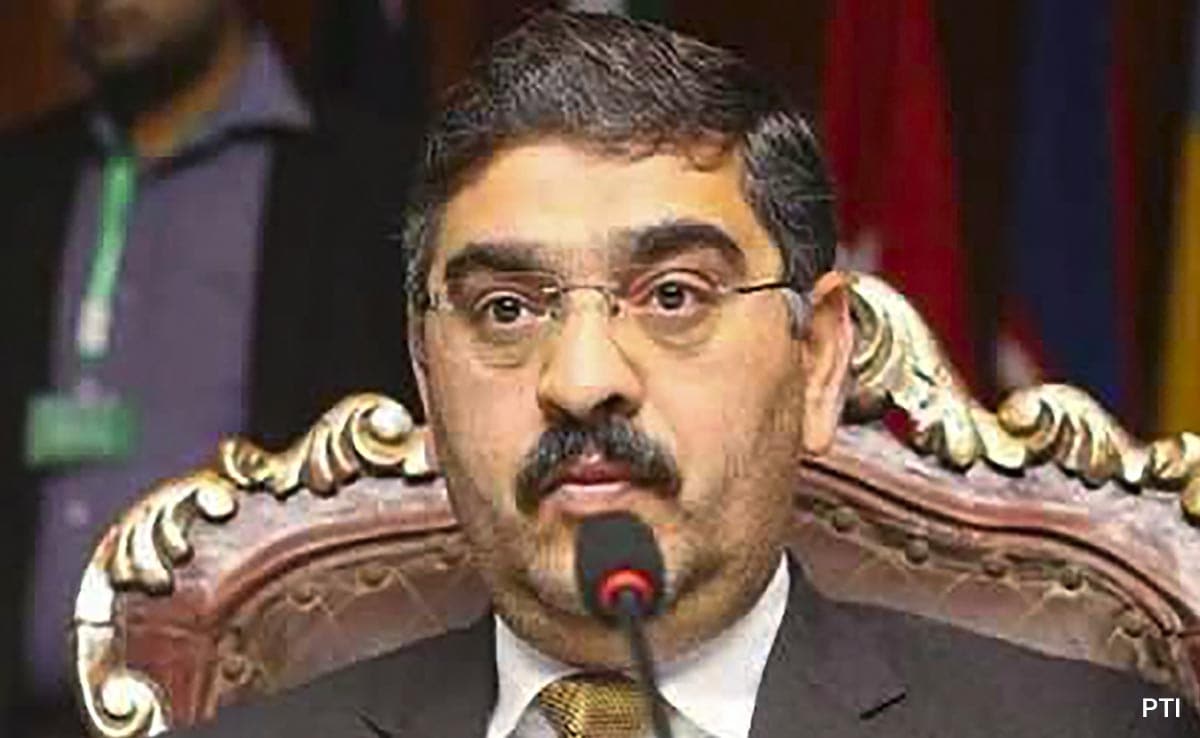
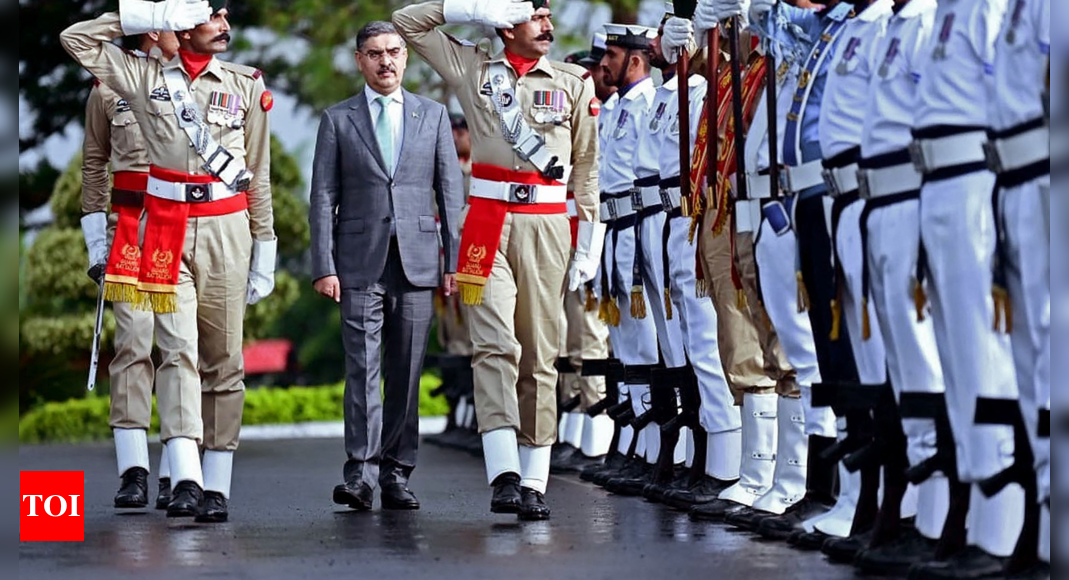
Anwar Ul Haq Kakar has been sworn in as Pakistan's caretaker prime minister, aiming to establish a neutral political set-up until the next general elections. He is a member of the Balochistan Awami Party and has previously served as a spokesperson for the provincial government. Kakar, who started his career as a teacher, became the 8th interim prime minister of Pakistan.
Anwaar-ul-Haq Kakar has been sworn in as Pakistan's eighth caretaker prime minister, with his first task being to choose a cabinet to run the country's routine affairs. The role of the interim PM has gained significance due to a delay in general elections, which became inevitable after the former PM approved the results of a digital census. The appointment of Kakar has caused controversy and strained relations between political parties, with concerns raised about reliance on establishment support to address the nation's challenges.
Senator Anwaar-ul-Haq Kakar has been chosen as Pakistan's caretaker Prime Minister to govern the country and oversee general elections later this year. The decision was made by outgoing Prime Minister Shehbaz Sharif and the Leader of Opposition Raja Riaz. Kakar, a lawmaker from the Balochistan Awami Party, will lead a caretaker government until the new elections, which are expected to be delayed due to the need for delimitation based on new census results.
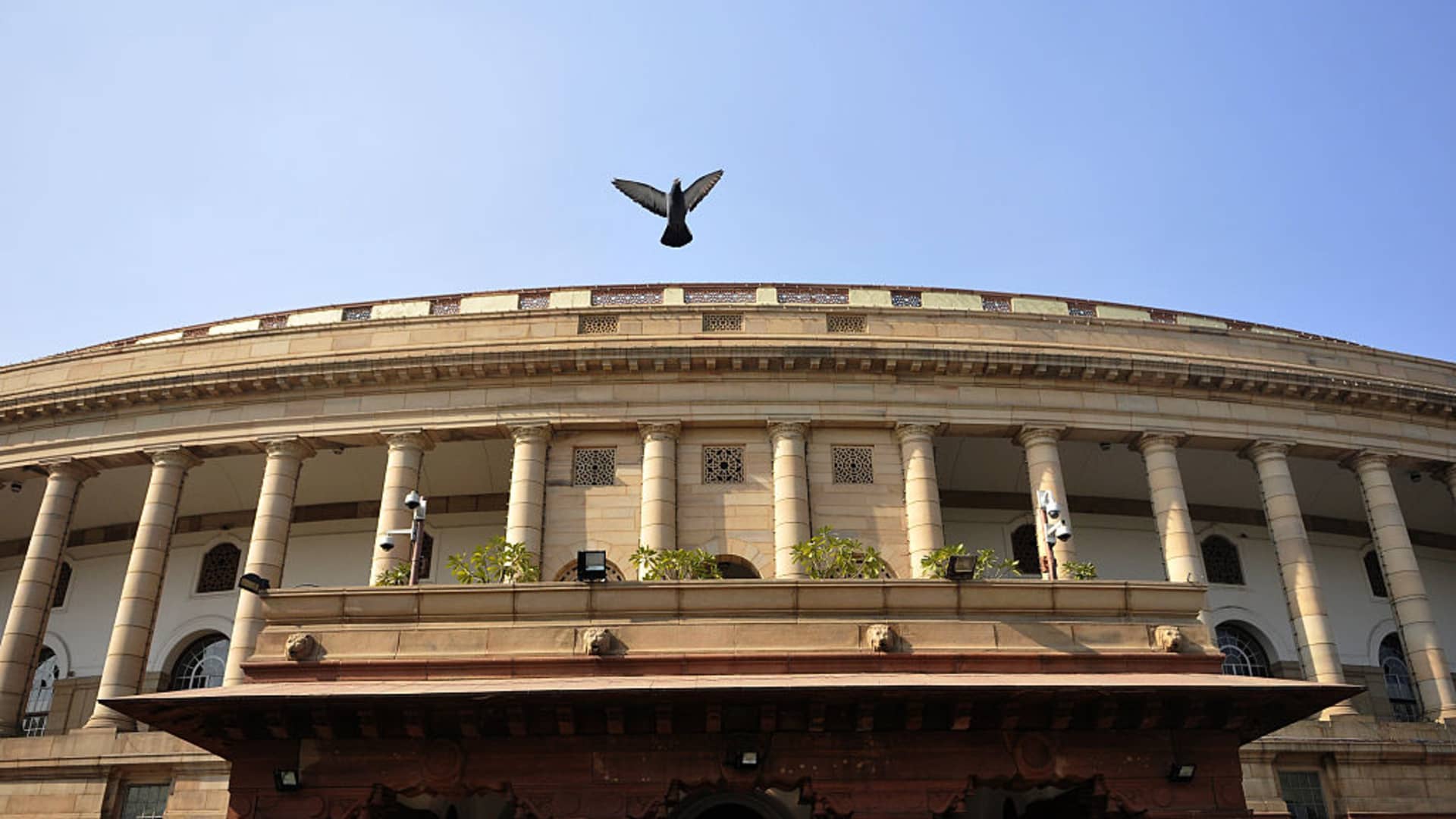
Pakistan has dissolved its parliament, paving the way for a general election amidst political turmoil and an ongoing economic crisis. Former Prime Minister Imran Khan, who was convicted of corruption and jailed, will be unable to participate. The outgoing government has three days to appoint a new interim prime minister and 90 days to hold the elections, but there are concerns that the elections may be delayed. The instability in Pakistan has raised concerns for the United States, and experts believe that Khan's ouster and his popularity were largely influenced by the military, with whom he had a falling out.