A new drug combination involving niraparib shows promise in delaying prostate cancer progression, especially in patients with specific genetic mutations, potentially improving survival rates, according to a recent international trial.
Alzheimer's disease may have its roots in embryonic development, according to a recent study. Researchers grew cortical spheres, similar to human embryonic brains, from stem cells with Alzheimer's-associated gene mutations. The mutated spheres developed abnormally, being larger and containing fewer mature neurons. The study suggests that Alzheimer's may originate during embryonic development, indicating a need for tailored early-stage therapies. The findings could lead to a better understanding of the disease and more effective treatments.
Alzheimer's disease may have its roots in embryonic development, according to a recent study. Researchers grew cortical spheres, similar to human embryonic brains, from stem cells with Alzheimer's-associated gene mutations. The mutated spheres developed abnormally, being larger and containing fewer mature neurons. The study suggests that Alzheimer's may originate during embryonic development, indicating a need for tailored early-stage therapies. The findings could lead to a better understanding of the disease and more effective treatments.
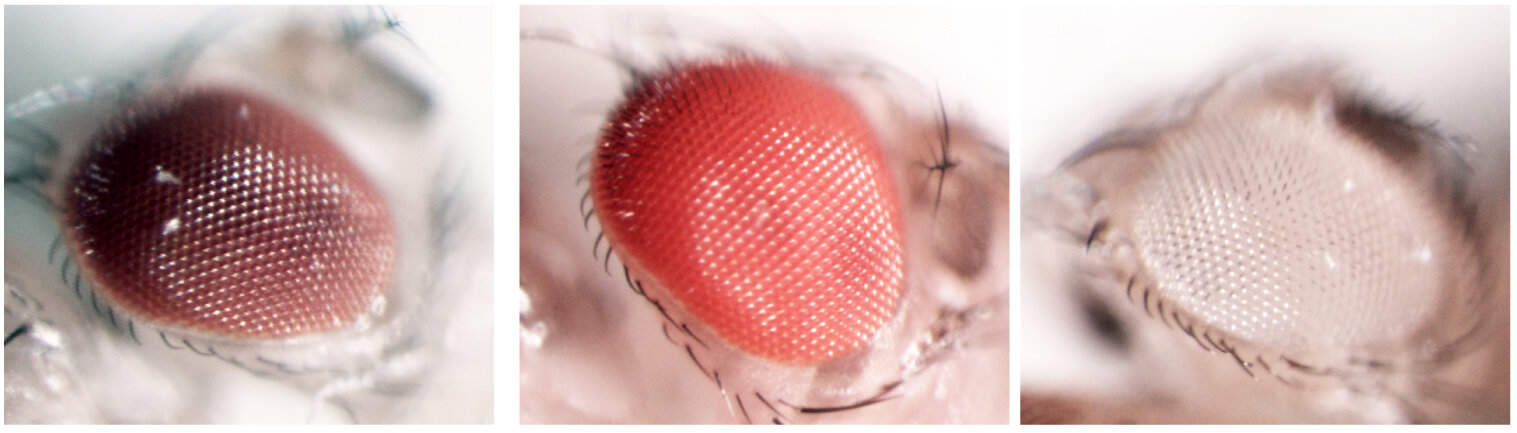
A study by researchers from the Max Planck Institute of Molecular Cell Biology and Genetics in Dresden, Germany, has found that genes responsible for eye color pigmentation also play a critical role in maintaining retinal health. The study focused on the kynurenine pathway, a metabolic pathway that regulates various biological processes, and found that the balance between toxic and protective metabolites within the pathway influences the health of the retina. The researchers suggest that therapeutic strategies for neurodegenerative conditions should take into account the ratio of various metabolites and their specific sites of accumulation and activity within the pathway.