A study by the University of Rochester identifies brain activity patterns that may predict gaming addiction in adolescents. Researchers found that teens with reduced activity in brain regions related to decision-making and reward processing are more likely to develop gaming addiction symptoms. This blunted response to non-gaming rewards suggests a susceptibility to problematic gaming behaviors. The findings, based on a longitudinal study of 6,143 adolescents, offer insights for parents and clinicians to balance healthy gaming habits and identify at-risk individuals early.

A study from Japan suggests that video games can improve mental wellbeing in both children and adults by providing stress relief, mood enhancement, and a sense of accomplishment. The research tracked over 8,000 participants and found that gaming, particularly for up to three hours, positively impacts mental health without negative effects. However, concerns remain about gaming addiction and the potential for games with 'loot boxes' to encourage gambling-like behavior. Experts suggest considering gaming as part of a balanced lifestyle rather than imposing strict time limits.
While Wordle and similar online games initially provided a mental break during the pandemic, recent reports suggest they may be harming mental health for some users. Experts note that the dopamine release from these games can lead to compulsive behaviors and anxiety, particularly among younger individuals. Setting time limits and discussing concerns with a therapist are recommended strategies to mitigate negative impacts. Despite some negative experiences, the overall distress caused by these games appears to be relatively rare.
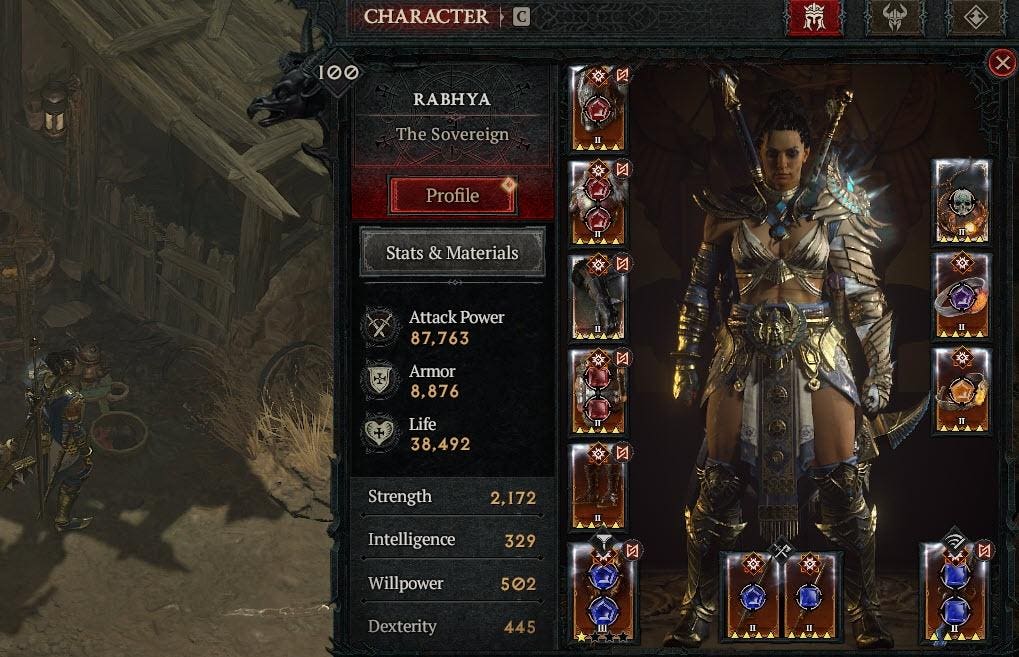
Diablo 4's Season 4 has significantly revamped the game, introducing new gear, leveling, and endgame mechanics that have deeply engaged players. The updates include improved XP gains, Paragon and Glyph maxing, legendary farming, tempering, greater affix farming, masterworking, and challenging Uber Bosses, creating a highly addictive experience.