Gazprom's shares dropped over 3% after signing a non-binding memorandum with China to develop the long-delayed Power of Siberia 2 pipeline, raising concerns about project costs, funding, and its impact on Gazprom's finances amid ongoing geopolitical and economic challenges.
Austria's Chancellor Karl Nehammer assured citizens of a secure alternative fuel supply as Russia's Gazprom plans to halt gas deliveries to Austria, following a payment dispute linked to an arbitration award. Despite the cutoff, Austria, which heavily relies on Russian gas, is working to diversify its energy sources. The move is part of broader tensions over Europe's support for Ukraine, with Russia previously cutting gas supplies over payment disputes. Meanwhile, Germany's Chancellor Olaf Scholz has resumed direct communication with Russian President Vladimir Putin.
Russia's Gazprom will cease natural gas deliveries to Austria this weekend, as announced by Austria's largest energy supplier, OMV. Despite this, Austria has secured alternative gas supplies from Germany, Italy, and the Netherlands, ensuring no disruption in energy supply. This decision follows an arbitration ruling awarding OMV €230 million in a dispute with Gazprom. Austria, heavily reliant on Russian gas, will maintain its Ukraine policy despite the halt in deliveries, with Chancellor Karl Nehammer affirming the country's energy security.
Russian energy giant Gazprom made a profit of £39m ($45m) from its gas field in the North Sea last year. The Sillimanite field, operated in a joint venture with German company Wintershall, produces gas that is taken onshore in the Netherlands. While there are no legal issues with the arrangement, the UK, US, and EU have imposed economic sanctions on Russia to limit its ability to profit from energy exports and fund the war in Ukraine. Gazprom executives are under UK sanctions, but the company itself is not. Critics argue that it is unacceptable for gas from UK territory to support Russia's war in Ukraine. The UK government vows to increase economic pressure on Russia and deny it access to goods and technologies that could be used in the war.
Hungary plans to increase its purchases of Russian gas for the upcoming winter, according to Gazprom, despite criticism from the West that the arrangement supports the war in Ukraine. Gazprom CEO Alexey Miller stated that significant additional volumes have already been delivered to Hungary this year, and more will be supplied in the autumn-winter period. Hungarian Prime Minister Viktor Orbán recently held talks with Russian President Vladimir Putin, focusing on gas and oil shipments, as well as nuclear fuel supply. The deepening relationship between Hungary and Russia has raised concerns among Western diplomats, while Hungary's Ministry of Foreign Affairs and Trade declined to comment on Gazprom's statement.
RusKhimAlyans, a subsidiary of Gazprom, has filed a lawsuit against UniCredit seeking $472 million in damages. UniCredit, along with Deutsche Bank and Commerzbank, were guarantors on a project held up by EU sanctions. The project, a gas complex at the Baltic port of Ust-Luga, had an engineering, procurement, and construction contract signed by Linde and Renaissance Heavy Industries with Gazprom and its partners. Linde suspended work under the contract due to EU sanctions imposed after Russia's actions in Ukraine. In January, the court froze nearly $500 million of Linde's assets at RusKhimAlyans's request.
Yevgeny Prigozhin's Wagner Group is not the only private military company operating in Russia. Other lesser-known players include Redut, Potok, Don Brigade, Moran Security Group, Slavonic Corps, and E.N.O.T. Corps. Some of these companies have been involved in conflicts in Ukraine, Syria, Tajikistan, and Nagorno-Karabakh. Gazprom has also established a private security company, Gazpromneft Okhrana, which is legal under Russian law.
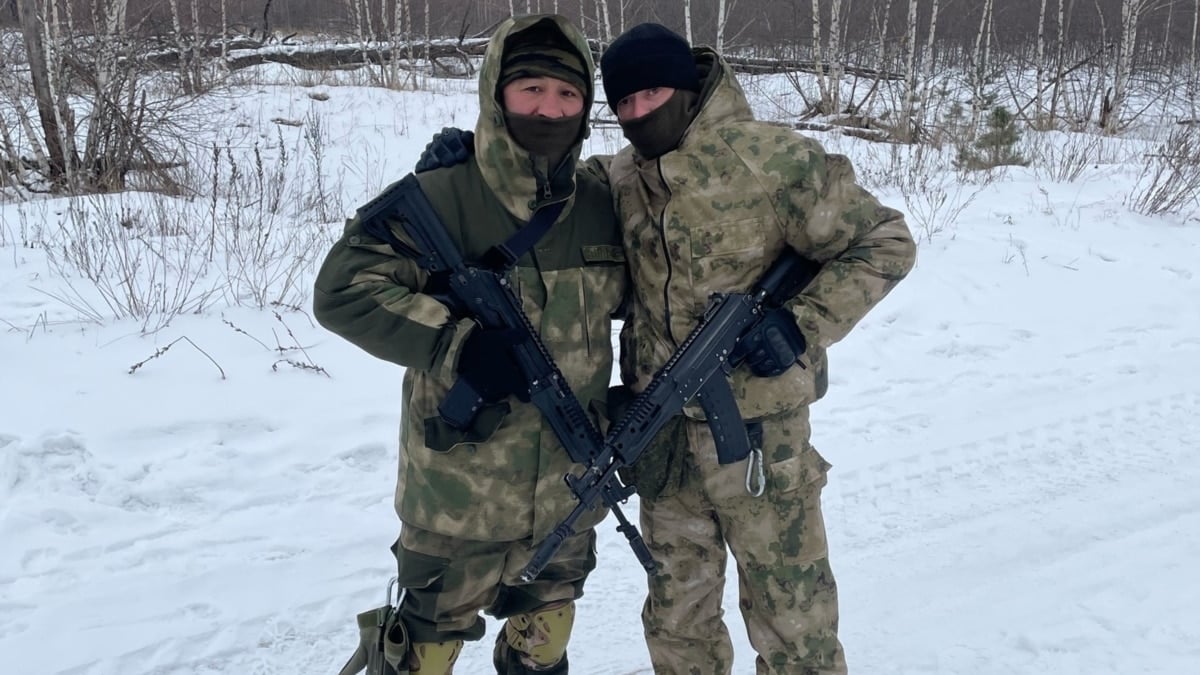
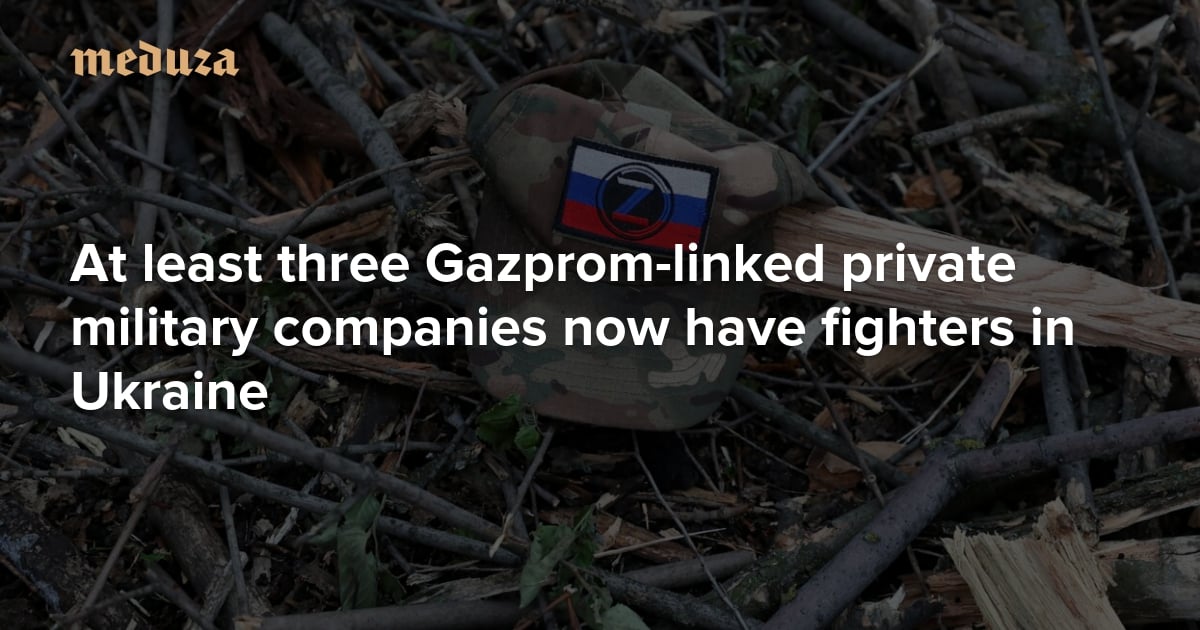
At least three private military companies (PMCs) with links to Russian state gas monopoly Gazprom are fighting for the Russian side in Ukraine, according to an investigation by BBC News Russian. The PMCs, named Fakel, Potok, and Redut, emerged from the private security structures Gazprom subsidiaries created to protect its infrastructure projects in Russia and overseas operations in places like Syria. Wagner Group founder Evgeny Prigozhin mentioned the other PMCs himself during an interview with the publication in April.
German oil and gas giant Wintershall's joint venture with Russia's Gazprom has been linked to fuel supplies used by Russian military and intelligence units, including some believed to be fighting in Ukraine. The findings raise questions about Wintershall's continued investments and business dealings in Russia amid sweeping Western sanctions. While the data and evidence reviewed are not detailed enough to prove conclusively whether any given barrel of diesel from the Salavat refinery contains product refined from gas condensate extracted by Wintershall's joint venture, recipients of Salavat refined diesel include a unit of the Federal Protection Service (FSO), which is responsible for President Vladimir Putin's personal security, among other roles.
Gazprom, the state-owned gas giant, has set up its own private army named Potok and sent recruits to fight in Ukraine. The head of Russia's Wagner mercenary group, Yevgeny Prigozhin, revealed this information in a recent interview. It is possible that Gazprom created Potok independently to protect oil production facilities, but the fact remains that Gazprom is now directly involved in the war. The creation of private armies by Russian state-owned companies may signal a future power struggle within the Russian elite.
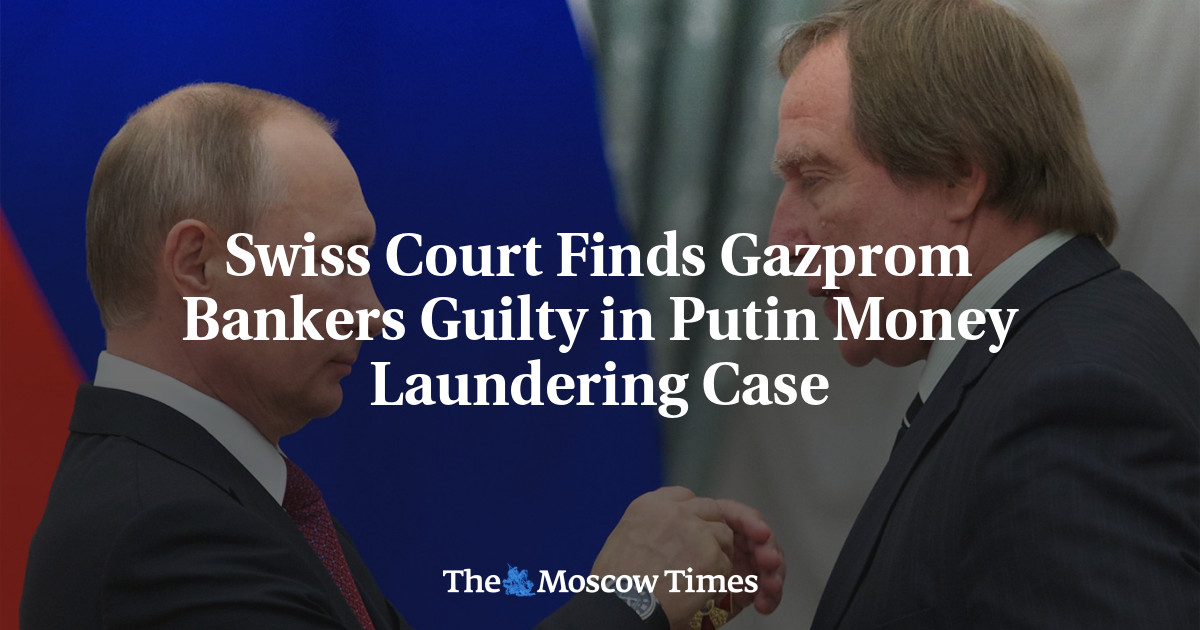
Four bankers from Gazprom's Swiss affiliate have been found guilty by a Zurich court of failing to properly check vast sums of money flowing through the accounts of Sergei Roldugin, a Russian cellist and close confidant of Russian President Vladimir Putin. The bankers were found guilty of "lack of due diligence in financial transactions" moving through Roldugin's accounts. However, the court suspended the sentences for two years, meaning the bankers will not have to pay any fines unless they commit the same offense over that time period.
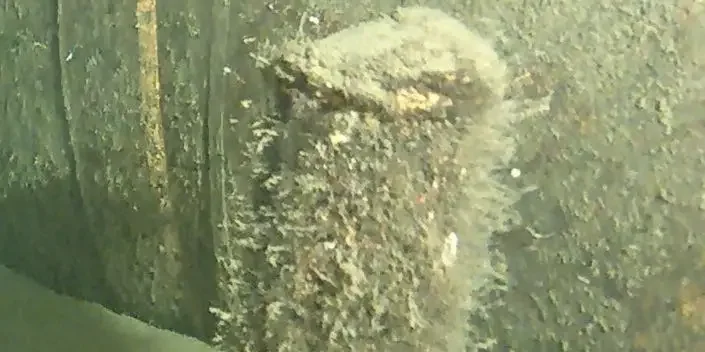
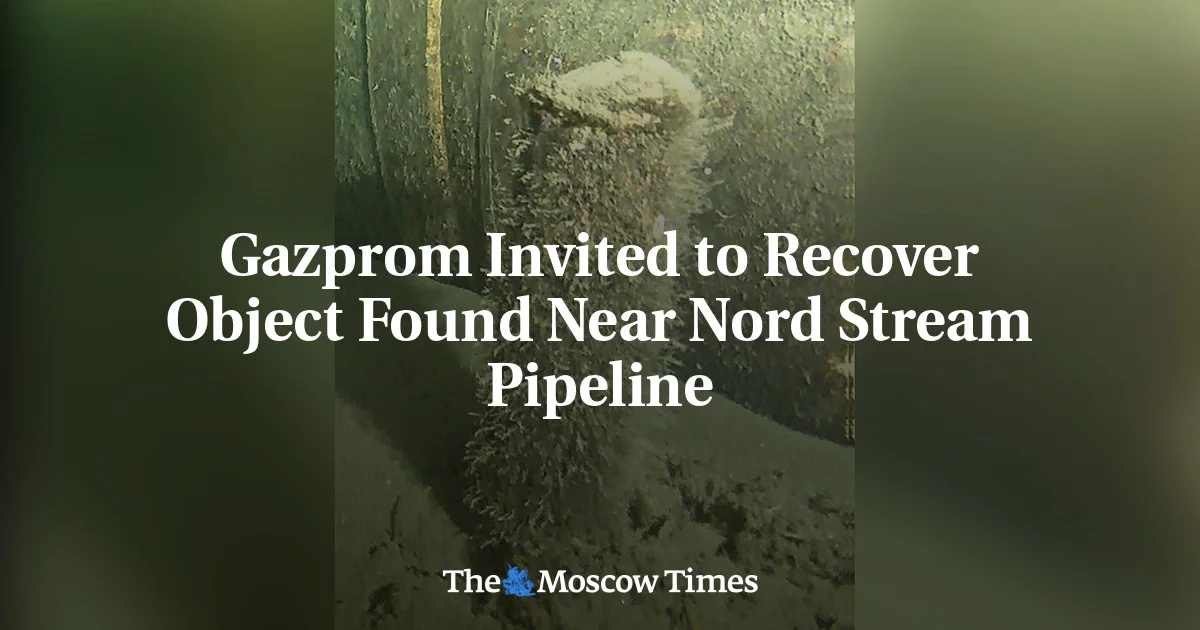
Denmark has invited Gazprom, the Russian energy giant and majority stakeholder of the Nord Stream 2 pipeline, to help recover a mysterious cylindrical object found on the seabed next to the pipeline, which could provide clues about the sabotage attacks that struck parts of the pipelines in September 2020. Russian President Vladimir Putin said experts believe the object could be a signal antenna used to trigger an explosive in that section of the pipeline. The investigation is ongoing, and it is still unknown who was responsible for the sabotage.
Denmark has invited Gazprom to help recover a mystery object near the Nord Stream 2 gas pipeline, which was sabotaged last year. The object could be a signal antenna to activate an explosive in that part of the pipeline. German, Swedish, and Danish authorities are investigating the undersea explosions that sparked four leaks on the two Nord Stream pipelines in the Baltic Sea in September. Gazprom holds a majority stake in the twin pipelines, with the rest owned by German, Dutch, and French companies.