Tag

Freight Trains

All articles tagged with #freight trains

transportation1 year ago

"U.S. Mandates Two-Person Crews for Longest Freight Trains"

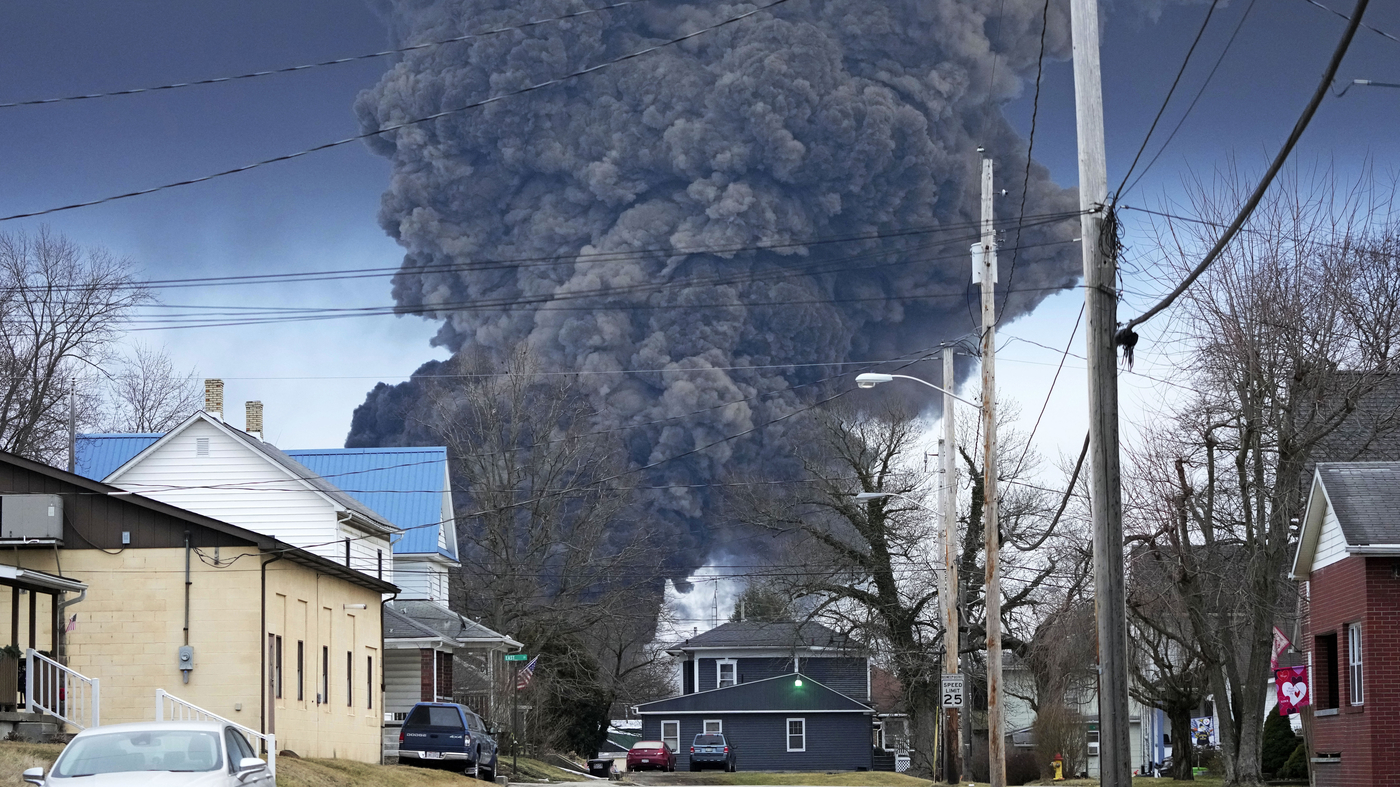
The Biden administration has mandated that the largest freight railroads operate their trains with at least two people on board in an effort to improve rail safety, following a derailment incident in Ohio. The rule, which was immediately opposed by the industry, aims to ensure safe staffing levels and prevent cost-cutting measures that could compromise safety. Despite industry opposition, the administration believes that the new regulation will make workers, passengers, and communities safer, while industry representatives argue that there is no proven connection between extra staffing and rail safety.

transportation1 year ago

"Challenges and Controversies in U.S. Freight Train Safety Regulation"

A year after a Norfolk Southern freight train derailed in Ohio, causing a massive chemical fire, ProPublica reporter Topher Sanders highlights the underregulation of America's aging freight systems. The Federal Railroad Administration monitors less than 1% of rail activity, and the industry does not report the length of freight trains, impacting communities disproportionately. Safety concerns, including the lack of federal inventory of freight trains and the stalled Railway Safety Act in the Senate, remain unresolved.

transportation2 years ago

California High-Speed Rail proposes modifications and progress report on electrified railway expansion

The California High-Speed Rail Authority is modifying its planned segment from Los Angeles to Anaheim by adding a fourth rail line to separate commuter rail systems and freight trains. The original plan to build a freight facility in Colton was abandoned due to local pushback. Instead, the High-Speed Rail will build a fourth rail line to clear obstructions from dormant freight trains. The new plan is expected to save money and has the support of stakeholders. The proposed segment is part of the larger California High-Speed Rail project, which still faces challenges in the Palmdale-to-Burbank segment.

immigration2 years ago

Mexican Freight Trains Halted Amid Surge of Migrants Hitching Rides to U.S. Border

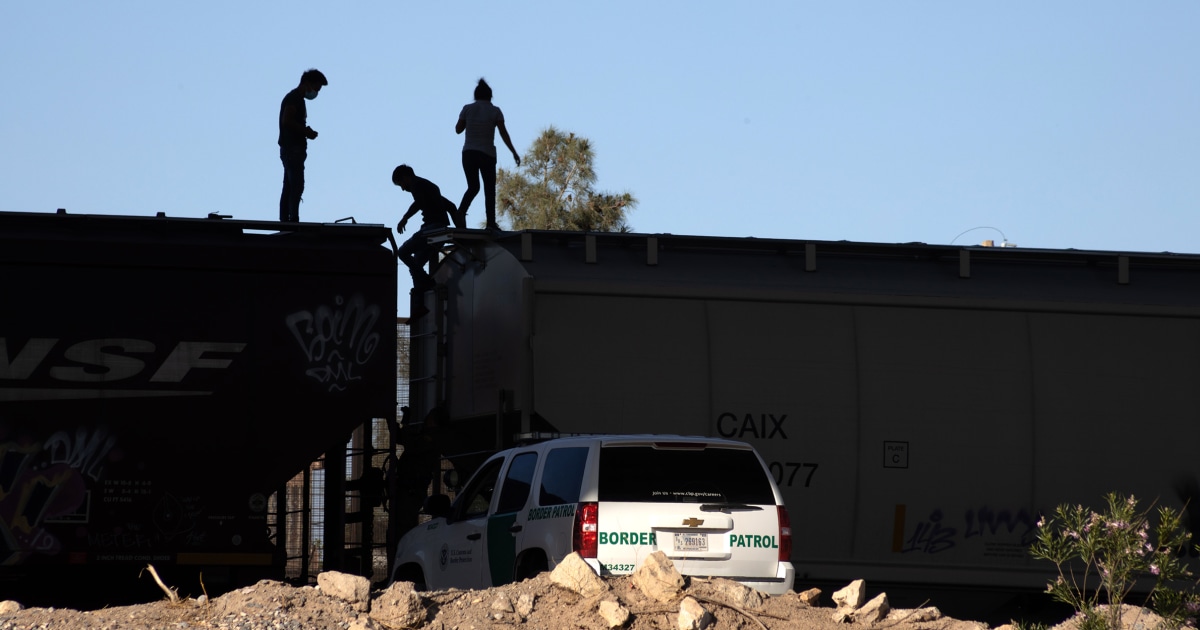
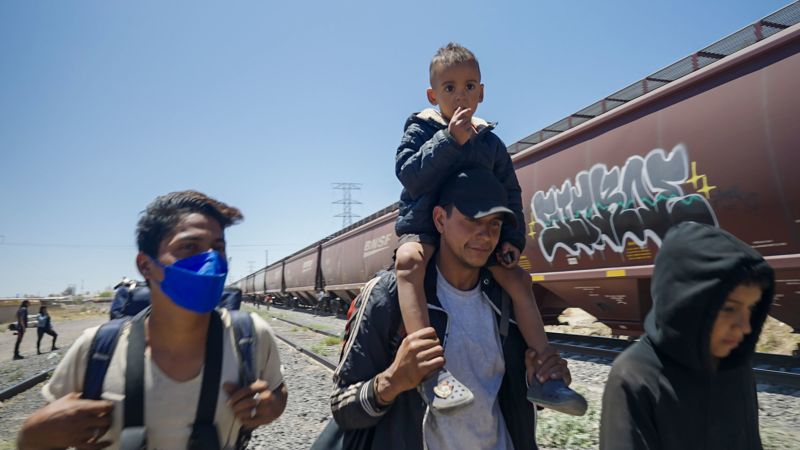
Mexican transport firm Ferromex, the largest freight train company in Mexico, has temporarily halted service on 60 different trains that travel toward the U.S. border due to an "unprecedented" number of migrants hitching rides on northbound trains. The closure of routes aims to prevent accidents or loss of life after recent incidents. As many as 1,500 migrants have been attempting to hitch rides on trains in Mexican cities, with a single train potentially carrying 1,000 hitchhikers. This comes as the number of migrant apprehensions along the U.S.-Mexico border continues to rise.

immigration2 years ago

Desperate families endure perilous journey to reach US border.

Families from various countries are climbing freight trains to reach the US border, enduring hunger, cold, and danger in pursuit of a better life. Some have been waiting for months to enter the US, setting up makeshift tent encampments in border cities. The lifting of pandemic-era immigration restriction Title 42 has renewed their hope, but many still face obstacles such as a lack of appointments with US Customs and Border Protection. Coils of barbed wire recently laid down by the Texas National Guard also pose a challenge for those planning to cross away from border posts.

environment2 years ago

California's Aggressive Moves to Reduce Transportation Emissions

California's Air Resource Board (CARB) has announced new regulations to limit freight train emissions, making it the first state to tackle the issue. The In-Use Locomotive Regulation will ban any locomotive engine constructed more than 23 years ago by 2030 and require all new switch, industrial, and passenger locomotives to be zero-emissions while in California beginning in 2030 and 2035 for freight line haul. The regulation is expected to contribute the largest reduction in nitrogen oxide emissions toward meeting California air quality standards by the 2037 deadline and create an estimated $32 billion in health savings while preventing 3,200 premature deaths and 1,500 emergency room visits or hospitalizations.