Pfizer's dividend, with a high yield of 6.9%, is relatively safe despite a high payout ratio and upcoming patent expirations, supported by strong free cash flow and management's commitment, though some risks remain due to patent losses and earnings pressure.
The credit market is turning cautious as rising capital expenditures and declining free cash flow, especially for Oracle, Meta, and Amazon, lead to wider credit default swaps spreads, indicating increased risk and potential impacts on equity markets if AI-driven investments do not soon improve cash flows.
SM Energy and Civitas Resources are merging in a $12.8 billion all-stock deal to create a top-10 U.S. independent oil producer with a premier asset portfolio, significant synergies, and strong free cash flow projections, aiming to enhance shareholder value and sustainability.
Apple's revenue and free cash flow have increased significantly, suggesting its stock could be undervalued by over 20%, with a potential price target of around $325 per share based on current financial metrics and forecasts.
The article discusses how to protect your investment portfolio from a potential AI bubble by focusing on tech stocks with strong fundamentals, particularly those with high free cash flow yields, highlighting five stocks like Qualcomm, Western Digital, Dell, Atlassian, and Salesforce as promising opportunities amid the AI boom.
Carnival Corp's Q2 results show a significant increase in free cash flow and improved margins, suggesting the stock is undervalued by at least 34%, with potential upside supported by analyst targets and strategic options like shorting puts for lower entry points.
AT&T projects over $18 billion in free cash flow by 2027, driven by expanding its 5G and fiber services across the U.S. The company plans to double fiber internet availability, enhance its 5G network, and offer bundled discounts, aiming to reach over 50 million locations with fiber by 2029. AT&T also plans to return more than $40 billion to shareholders through dividends and share repurchases over the next three years, with annual capital investments around $22 billion. The company raised its 2024 earnings forecast and expects low-single-digit annual service revenue growth from 2025 to 2027.
Hedge fund Elliott Management has taken a $2.5 billion stake in Texas Instruments, urging the company to adopt a more flexible capital expenditure strategy to improve free cash flow. Elliott's letter suggests that Texas Instruments' current rigid capex plan has significantly reduced free cash flow and negatively impacted shareholder returns. The hedge fund proposes a "dynamic capacity-management strategy" to better align with market demand and enhance financial performance. Texas Instruments is reviewing the letter and remains focused on decisions that benefit all shareholders.
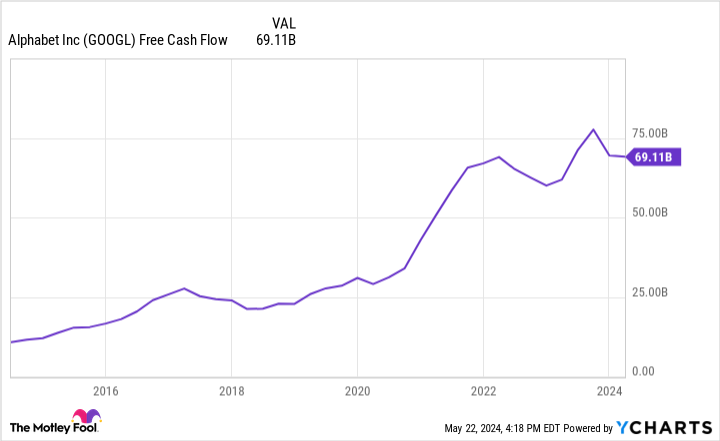
Alphabet has initiated its first dividend, supported by its strong free cash flow and diverse revenue streams from Google, YouTube, and Google Cloud. While its dividend yield is currently low at 0.5%, the company's robust financials and growth prospects make it a solid investment, though not necessarily the best choice for dividend-focused investors.
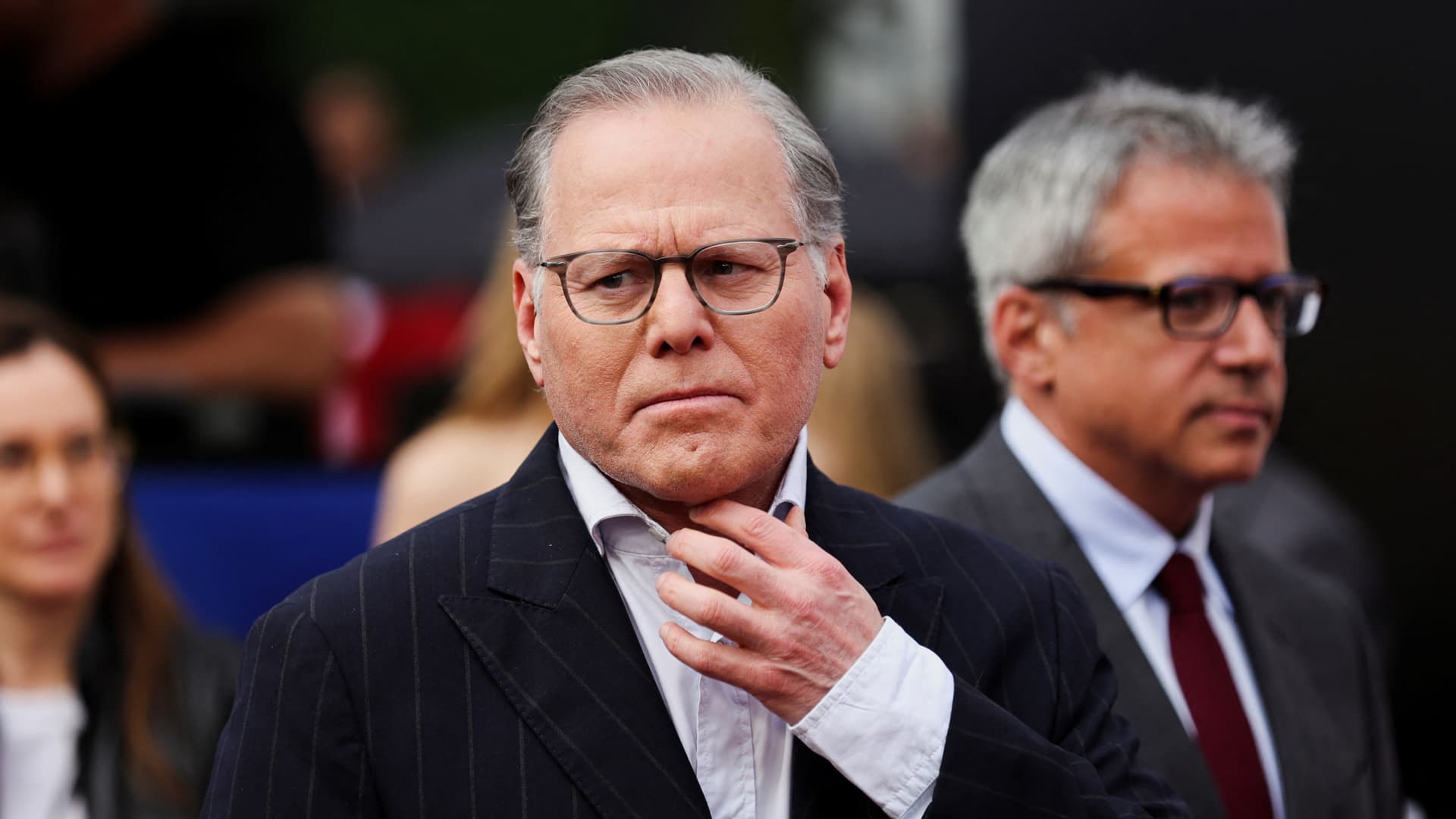
Warner Bros. Discovery's CEO, David Zaslav, emphasized the company's significant increase in free cash flow during the fourth quarter, but despite this, the company's shares fell 10% after missing analyst estimates for revenue and profit. Zaslav's focus on boosting free cash flow and paying down debt has not resonated with investors, who are more interested in growth narratives and metrics like streaming service subscriber additions, profit, and revenue. The company's lack of full-year guidance and uncertainty about future free cash flow generation have contributed to investor skepticism, as they remain unconvinced that these efforts will lead to multiple expansion for a company facing challenges in its traditional cable networks and declining advertising revenue.
Warner Bros. Discovery missed analyst targets for profit and revenue in Q4 but increased free cash flow, with its streaming service Max ending 2023 profitable for the first time. The company's CEO prioritized debt reduction and reported an 86% increase in free cash flow, paying down $5.4 billion in debt in 2023. Despite a decline in studio revenue and linear television advertising, the company's flagship streaming service, Max, reached profitability, with 97.7 million global subscribers. Warner Bros. Discovery plans to offer a joint venture with Disney and Fox for a smaller, less expensive bundle of linear networks focused on sports programming.
Wesco International stock plummeted 23% after reporting lower-than-expected sales and earnings for the fourth quarter of 2023. Despite the disappointing results, CEO John Engel remains optimistic about the company's long-term growth prospects in various end markets. Wesco's free cash flow is expected to grow by 75% in 2024, and the stock is currently trading at a fair price relative to its future cash flow and dividend yield. However, The Motley Fool's Stock Advisor analyst team did not include Wesco International in their list of top 10 stocks to buy, citing other investment opportunities with potential for significant returns.
This article highlights three growth stocks that are recommended for long-term investment in 2024 and beyond. The companies mentioned are expected to perform well and have strong free cash flow, providing a margin of safety in case of a recession. The stocks discussed include Alphabet, Netflix, and Alibaba Group.
Disney's cost-cutting measures and positive free cash flow guidance have impressed Wall Street, leading to a resurgence in the company's performance and reputation.
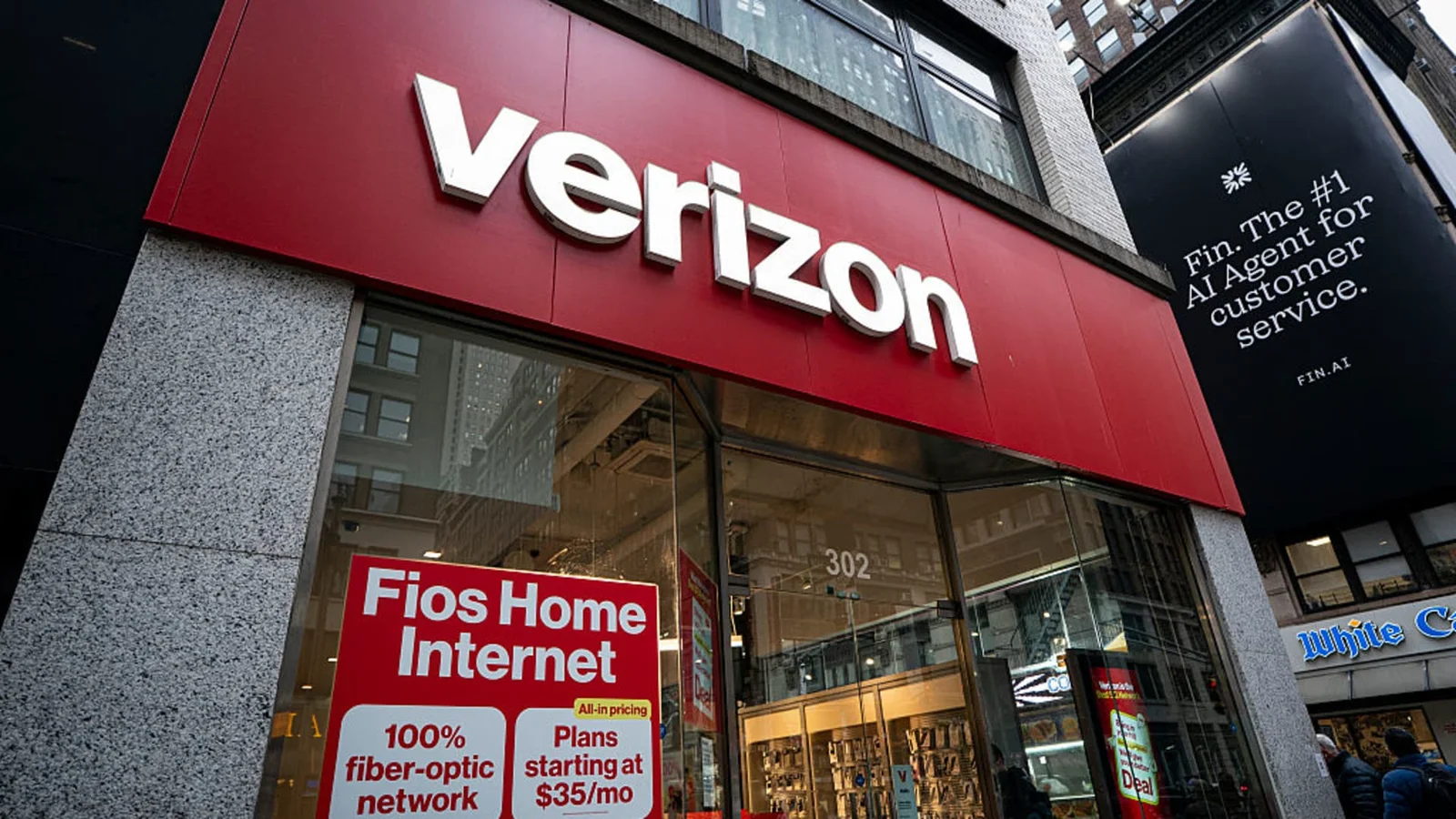
Verizon reported strong third-quarter results, including total operating revenue of $33.3 billion, a decrease of 2.6% from the same period last year. The company saw total broadband net additions of 434,000, with 384,000 fixed wireless net additions. Verizon also reported total wireless service revenue of $19.3 billion, a 2.9% increase year over year, and raised its free cash flow guidance for the year.