The European Union is launching an antitrust investigation into Apple's App Store practices following a complaint from Epic Games, which alleged that Apple's decision to remove Fortnite from the App Store violated EU competition rules. This move adds to the growing scrutiny of Apple's App Store policies and could potentially lead to significant consequences for the tech giant.
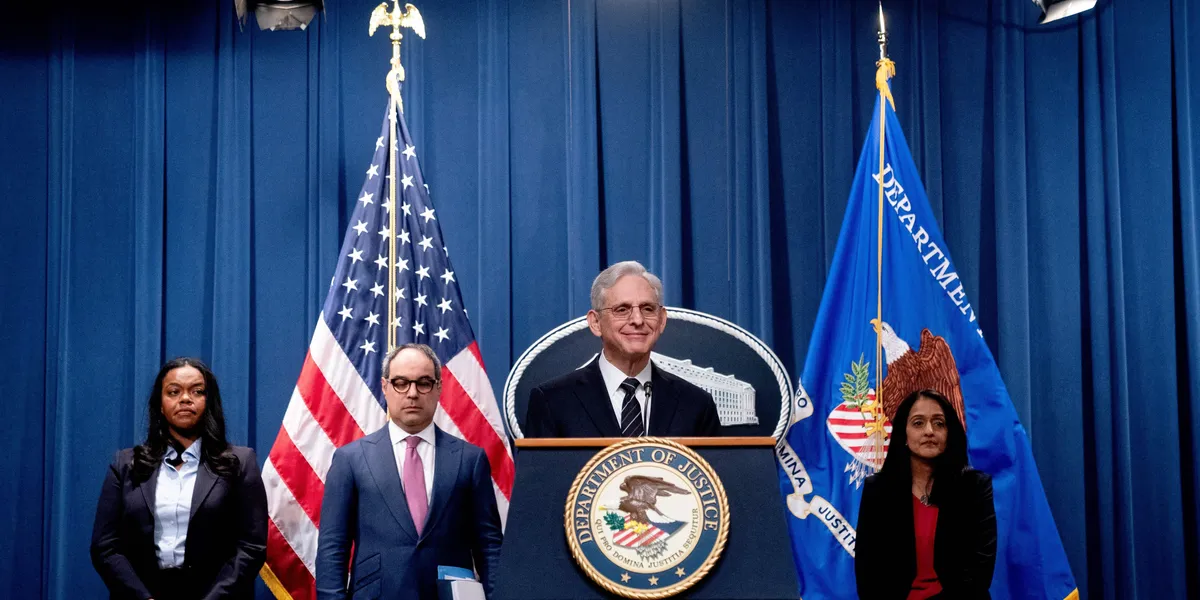
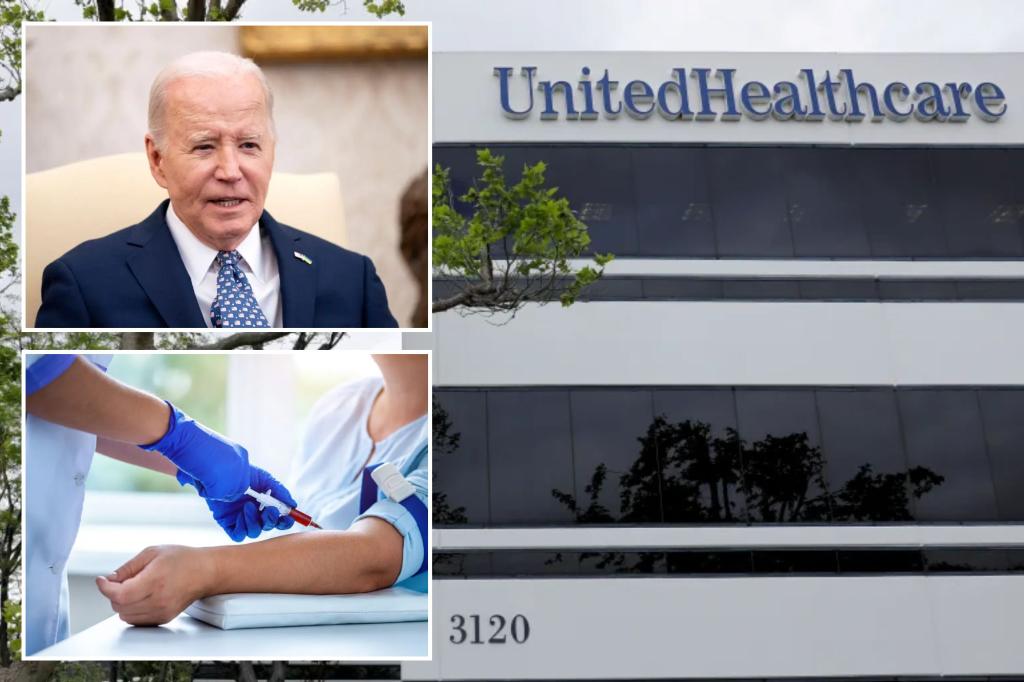
The U.S. Justice Department has initiated an antitrust investigation into UnitedHealth Group, the largest health insurance company, focusing on its dominance in the healthcare industry, including its Medicare Advantage plans. Critics argue that UnitedHealth's consolidation has led to higher costs, worse care, and unfair practices such as denying necessary care and overcharging the federal government. The company's subsidiary, Optum, is also under scrutiny for its acquisition of a home healthcare provider. UnitedHealth's practices have drawn criticism from the Biden administration and Democratic lawmakers, with allegations of using AI algorithms to deny care and pressuring employees to deny coverage.
The Justice Department has launched an antitrust investigation into UnitedHealth Group, focusing on its competitive practices in the healthcare industry, including its relationships between the UnitedHealthcare insurance unit and its Optum health-services-arm. This comes amid soaring healthcare costs and increased scrutiny on pharmacy benefit manager middlemen. The investigation also includes examining the company’s Medicare billing practices and the impacts of its doctor-group acquisitions on rivals and consumers. The DOJ declined to comment, while UnitedHealth did not immediately respond to a Reuters request for comment.
Apple is facing a potential €500 million fine from the EU for allegedly violating antitrust laws by preventing music streaming apps from informing users about cheaper subscription options outside of the App Store. The European Commission's investigation, prompted by a complaint from Spotify, aims to address concerns about unfair competition and limited consumer choice. This marks the first time Apple may be fined for antitrust violations by the EU, following a previous €1.1 billion fine in France.
The EU is reportedly preparing to fine Apple around $539 million and impose restrictions on its App Store practices for music streaming services, following a 2019 antitrust complaint from Spotify. The European Commission is expected to announce its ruling next month, alleging that Apple violated EU antitrust law and created unfair conditions for its rivals with the App Store's anti-steering obligations.
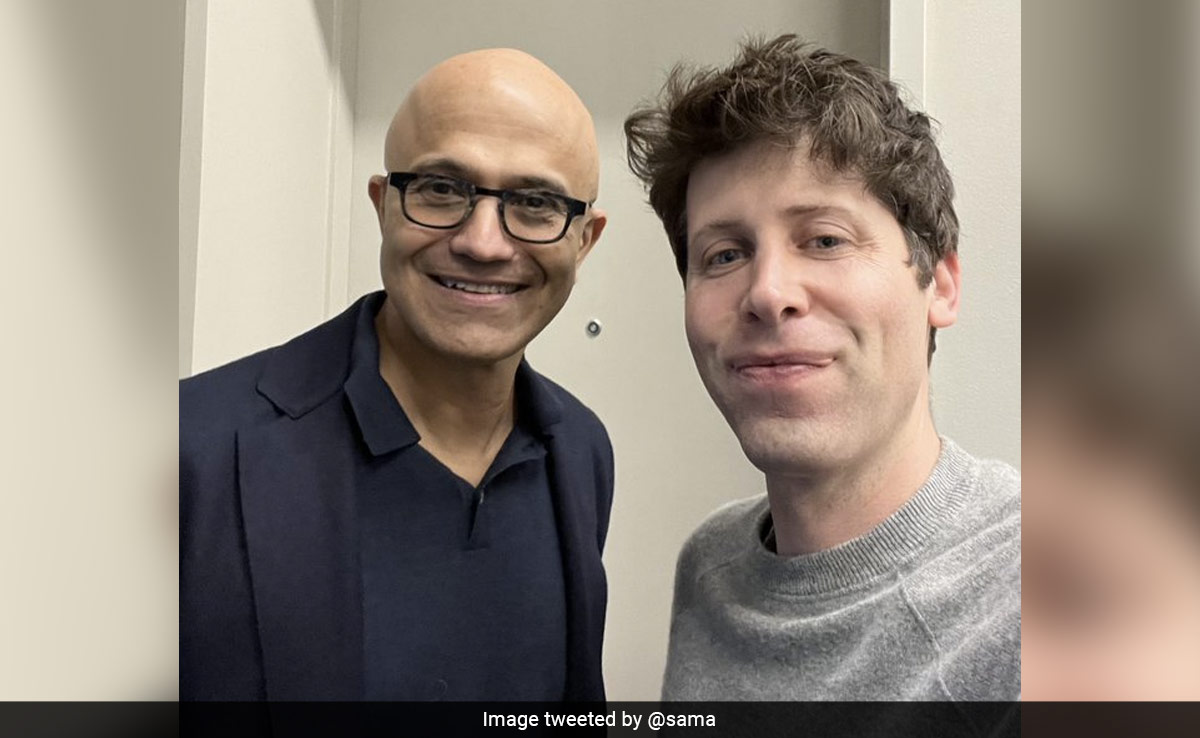
Microsoft's $13 billion investment in OpenAI is facing scrutiny from global regulators, including the UK Competition and Markets Authority and the US Federal Trade Commission, who are examining whether the collaboration between the two companies threatens competition and violates antitrust laws. Microsoft argues that it doesn't own a traditional stake in OpenAI and therefore doesn't control it, but regulators are analyzing the situation to determine their options. The partnership raises concerns about competition and Microsoft's board observer, as it could potentially give the company additional information on OpenAI's plans.
The UK's antitrust regulator, the Competition and Markets Authority (CMA), is considering launching a merger investigation into Microsoft's collaboration with OpenAI. The investigation will determine whether the collaboration constitutes an "acquisition of control" and if it has resulted in a relevant merger situation that could impact competition. Microsoft has clarified that it only holds a non-voting observer role on OpenAI's board, with no voting rights. This is the second time this year that the CMA has examined Microsoft's operations, and the company has expressed its willingness to cooperate with the investigation.
Subway is mandating its franchisees to honor digital coupons and promotions, including discounted sandwiches, starting December 28, despite many struggling to survive. This move could potentially impact the Federal Trade Commission's (FTC) ongoing antitrust probe into Subway's $10 billion sale to private equity firm Roark Capital. Previously, promotions like Subway's $5 footlong deals were optional, but making them mandatory raises questions about the independence of store operators. The FTC is concerned about the merger's impact on competition, particularly with Roark's chains like Arby's. Many franchisees are opposed to the mandate, citing thin profit margins and declining foot traffic.
Senator Elizabeth Warren has voiced her support for the Federal Trade Commission's (FTC) antitrust probe into the potential acquisition of Subway by private equity firm Roark Capital. The FTC is investigating whether the deal would create a monopoly in the sandwich shop industry, as Roark Capital already owns other sandwich chains such as Jimmy John's and McAlister's Deli. Warren, a leading advocate for antitrust regulation, expressed concerns about potential higher food prices for consumers. The probe comes as part of the FTC's efforts to scrutinize high-profile mergers and acquisitions.
The UK's Competition and Markets Authority (CMA) has launched an antitrust investigation into Microsoft and Amazon over allegations of anti-competitive practices in the country's cloud infrastructure services market. The probe follows a report from Ofcom, which found that the market is highly concentrated and lacks competition. Last year, Microsoft and Amazon Web Services (AWS) held a combined market share of 70-80% in the UK, with Google as their closest competitor. Ofcom raised concerns about difficulties in switching providers and software licensing practices. Both Microsoft and Amazon said they would cooperate with the investigation, while AWS disagreed with Ofcom's findings, stating that the cloud has made switching between providers easier than ever.
The Federal Trade Commission (FTC) is expected to launch an in-depth investigation into Qualcomm's acquisition of Autotalks, an Israeli chipmaker specializing in auto safety. The deal involves chips for vehicle-to-everything (V2X) communications, enabling cars to communicate with their surroundings. The FTC's scrutiny comes amid concerns about corporate consolidation in emerging technologies. The European Commission is also investigating the deal, as it would combine two major suppliers of V2X semiconductors in the European Economic Area. The acquisition has faced opposition from anonymous complainants, including chipmaker MediaTek. Critics worry that Qualcomm's dominance in the V2X market could lead to higher prices, reduced quality, and less innovation in traffic-safety systems for vehicles.
The European Union has launched an antitrust investigation into Microsoft's bundling of its video and chat app Teams with other Office products. The EU regulators are concerned that Microsoft's practices may be anti-competitive, as they limit customer choice and hinder interoperability with competing offerings. This is the first antitrust probe into Microsoft by the EU in over a decade. If found in breach of EU competition rules, Microsoft could face a fine of up to 10% of its total global annual turnover. The investigation was prompted by a complaint from Slack, which alleged that Microsoft illegally tied Teams to its dominant productivity packages. Microsoft has stated that it will cooperate with the Commission and work towards addressing its concerns.
UK regulator Ofcom has expressed "significant concerns" that Amazon and Microsoft could be harming competition in the cloud services market and is proposing to refer the matter to the Competition and Markets Authority for further investigation. Ofcom's own probe has uncovered "concerning practices" by some of the biggest tech firms in the world, including high barriers to switching and technical restrictions. Amazon Web Services and Microsoft's Azure have a combined UK market share of 60% to 70% in cloud services, with Google being their closest competitor with 5% to 10%.
The UK's communications regulator, Ofcom, has proposed referring the country's cloud computing market to the Competition and Markets Authority for further investigation due to concerns over the practices of Amazon Web Services and Microsoft, which together control between 60 and 70 percent of the UK cloud market. Ofcom is concerned that the concentration of cloud computing supply in the hands of a small number of large US companies could lead to British customers paying more and smaller groups being squeezed out of the market.