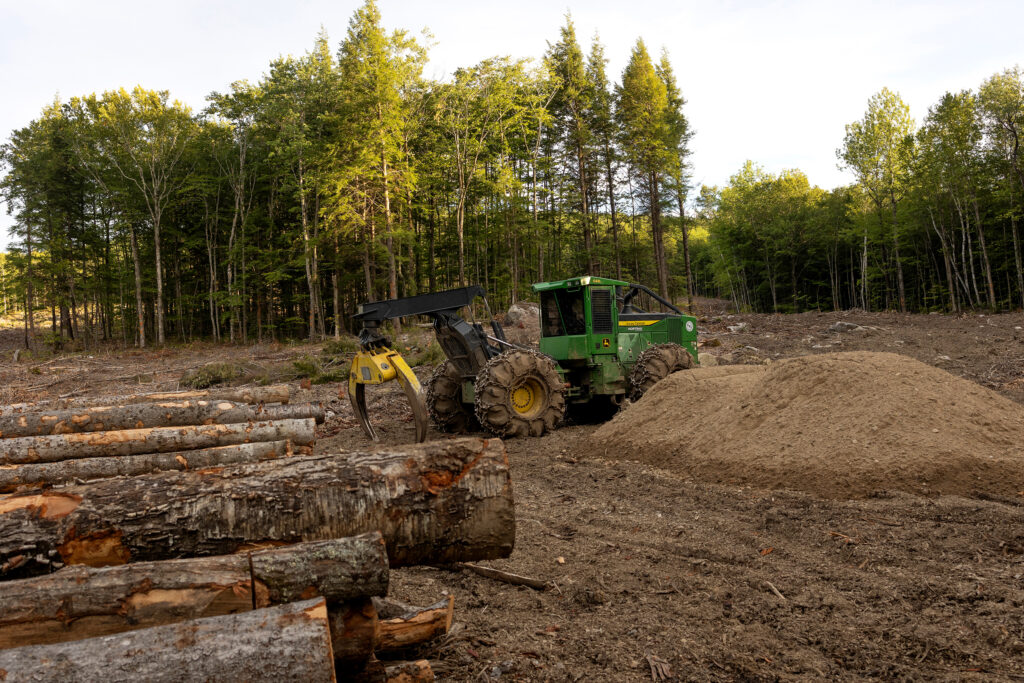
The Trump administration's USDA is seeking public input for only three weeks on its plan to revoke the 2001 Roadless Rule, which protects 59 million acres of US forest land, raising concerns about limited public participation and potential weakening of forest conservation efforts amid proposed US Forest Service reorganizations.
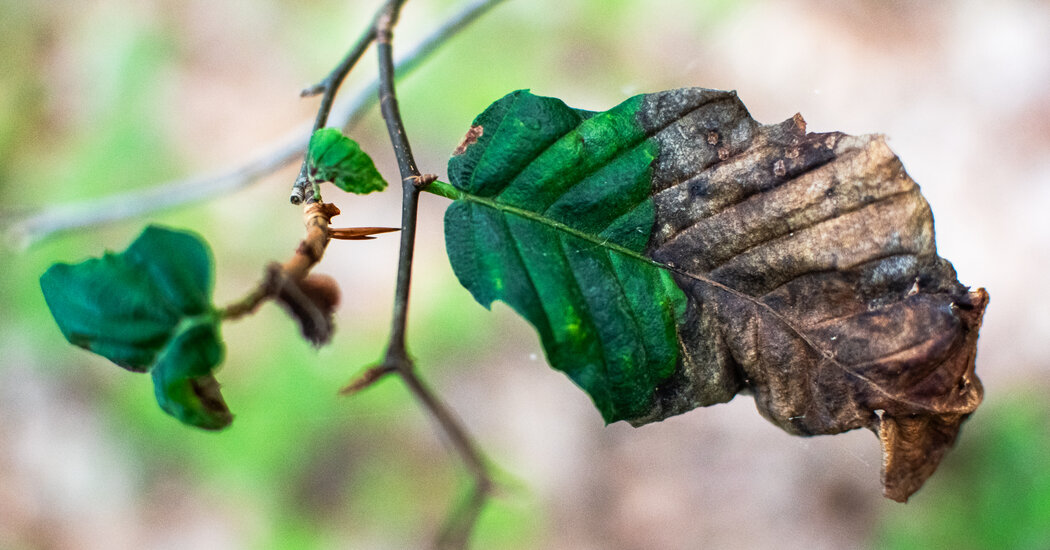
Beech leaf disease, caused by a microscopic nematode, is rapidly spreading across 15 U.S. states and Ontario, threatening both native and European beech trees, which are vital to forest ecosystems. Researchers are exploring various control methods, including chemical treatments and forest management practices, to combat the disease and preserve these important trees.
In Custer, South Dakota, hundreds of people carrying torches set fire to a giant wooden beetle effigy in an annual event called Burning Beetle to raise awareness of the destructive impact of the mountain pine beetle on forest land in the Black Hills. The event includes a talent show and "bug crawl" and supports local arts, while the US Forest Service describes the mountain pine beetle as the most aggressive and destructive bark beetle in the western US and Canada.
In Custer, South Dakota, hundreds of people carrying torches set fire to a giant wooden beetle effigy in an annual winter tradition to raise awareness of the destructive impact of the mountain pine beetle on Black Hills forest land. The event, known as the Burning Beetle fest, includes a talent show and "bug crawl" and supports local arts, while also highlighting the threat posed by the aggressive and destructive bark beetle in the region.
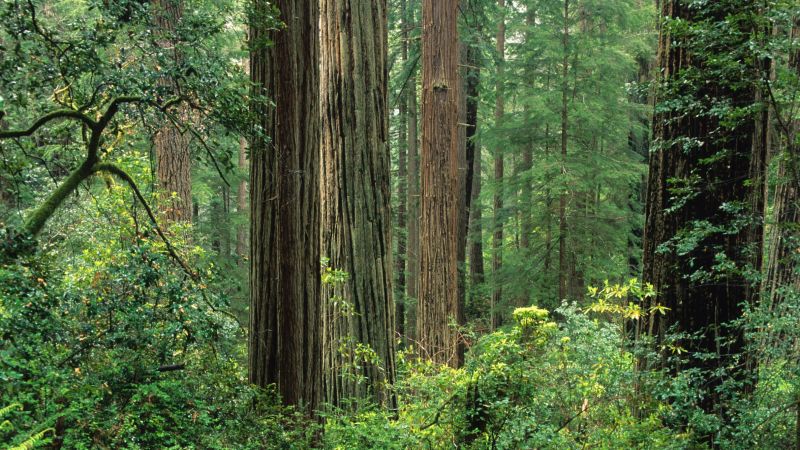
The Biden administration has proposed new measures to conserve and restore the nation's old-growth forests, aiming to combat greenhouse gas emissions and address climate change. The proposal seeks to amend forest land management plans across the country, with a focus on preserving and restoring old-growth and mature forests. These forests play a crucial role in absorbing carbon dioxide and are well-suited to store more carbon than younger forests. The initiative aligns with President Biden's Earth Day Executive Order and includes updating the Northwest Forest Plan to enhance climate resilience.
A study published in Science has found that forest carbon offsets, a popular method for reducing carbon emissions, may not be as effective as claimed. The study audited 18 projects in five equatorial forest countries and found that the majority of carbon credits generated by these projects did not actually offset as much carbon as the sellers had claimed. The researchers identified several sources of error, including misleading historical trends and a lack of regulation in the offset market. The study highlights the need for closing loopholes and improving transparency in order to build trust in the offset marketplace.
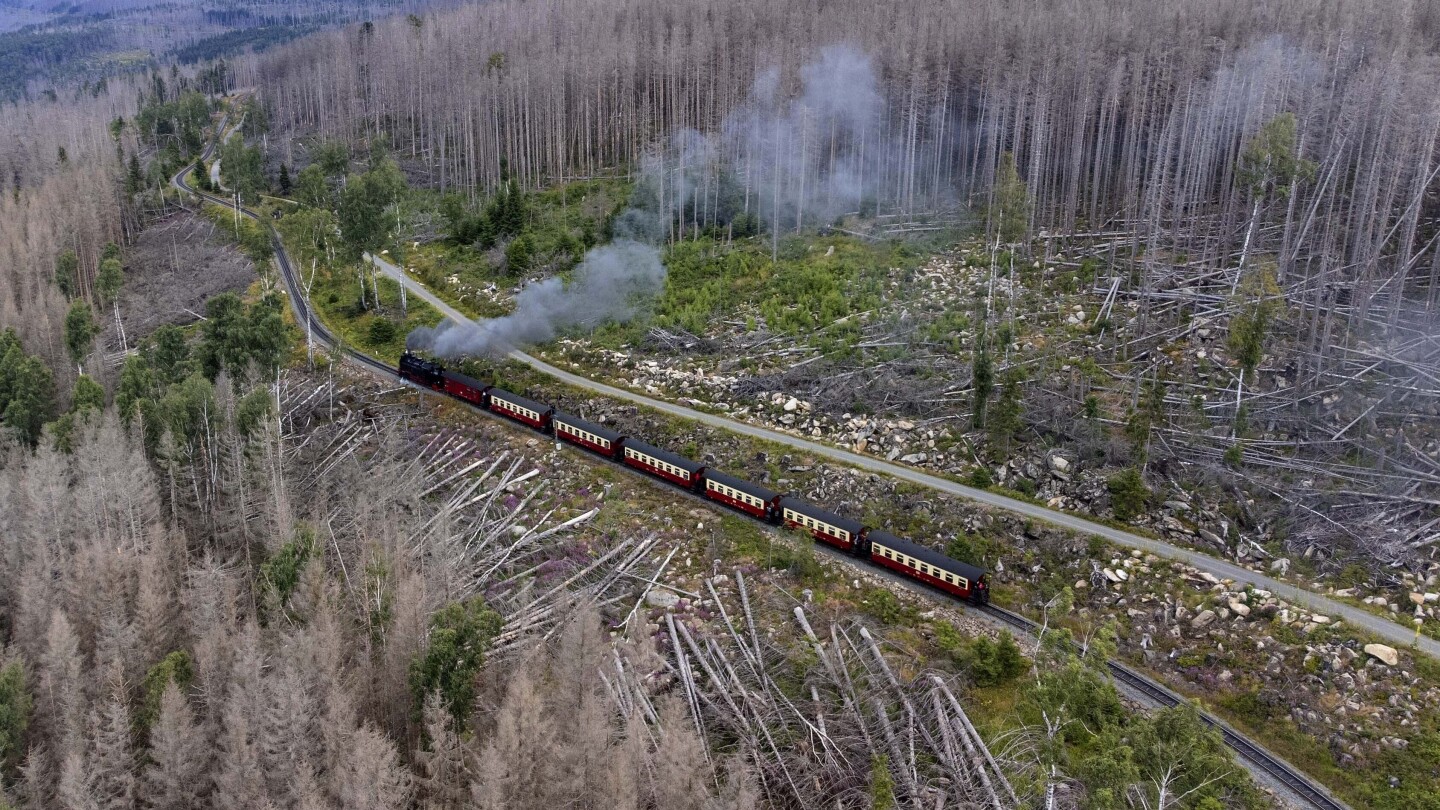
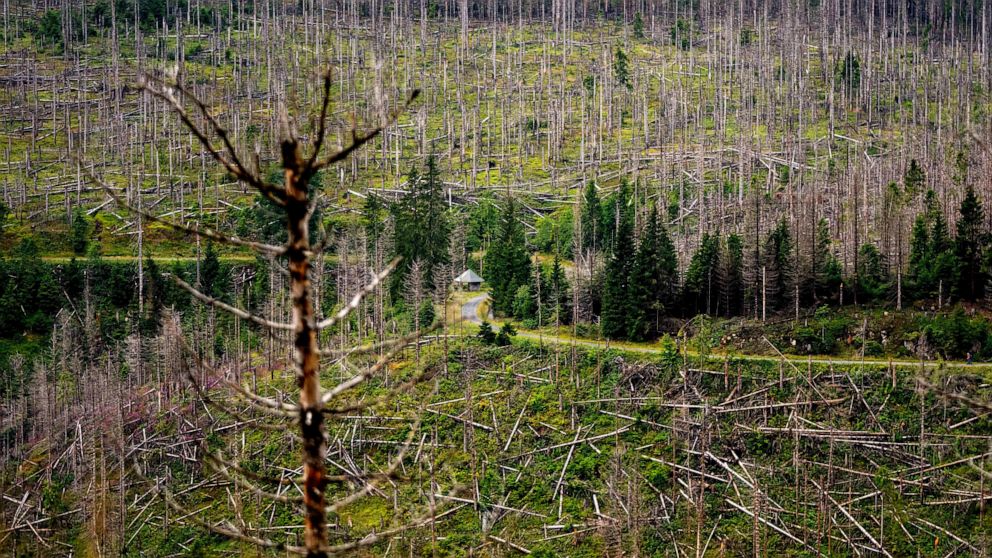
Bark beetles, exacerbated by climate change, are causing significant damage to Germany's Harz forest, with two-thirds of the spruce population already destroyed. Drier conditions and higher temperatures weaken the trees' defenses, making them more susceptible to the beetles' larvae. Forest managers are working to remove vulnerable trees and use pesticides, but there is no easy solution. Conservation efforts, such as planting other tree species that can better withstand these conditions, are being considered for the long term.
Bark beetles, known as "book printers," are causing significant damage to Germany's Harz forest, with two-thirds of the spruce trees already destroyed. Climate change, with its drier conditions and hotter temperatures, has made the trees more vulnerable to the beetles' larvae. The beetles burrow into the trees' cambium, hindering their ability to receive nutrients. Forest conservationists are struggling to control the pests, as longer droughts and weakened trees provide favorable conditions for beetle reproduction. Forest managers are working to remove susceptible trees and use pesticides, but conservation efforts are limited by external factors like the changing climate. Planting other tree species that can better withstand these conditions may be a long-term solution.
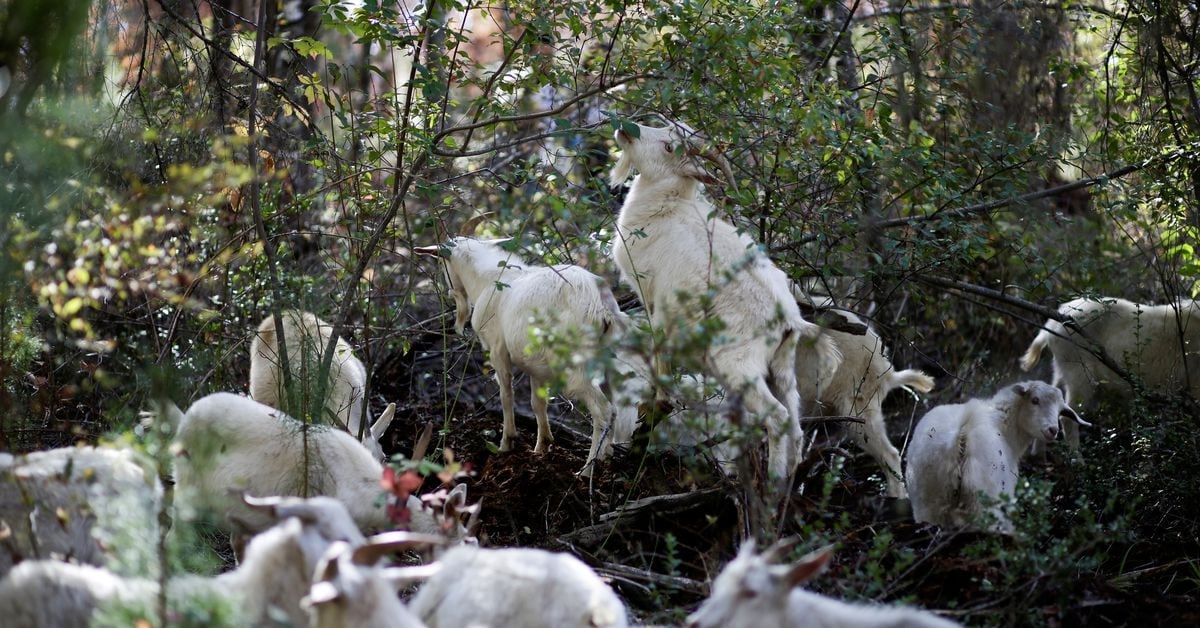
In Santa Juana, Chile, a project called "Buena Cabra" uses goats to build firebreaks and control dry pastures and other vegetation that fuel forest fires in the summer. The goats have already saved the native forest of the Bosques de Chacay once, preventing the park from being consumed by February forest fires. The technique, also used in Portugal and Spain, relies on grazing goats to prevent wildfires. The project's founder hopes to inspire others to follow suit and use goats for fire prevention.