The Los Angeles Clippers purchased around $56 million in carbon credits from Aspiration, which may have been used to circumvent salary cap rules related to Kawhi Leonard's payments. The team claims these purchases were part of their environmental efforts, but an investigation into the financial dealings involving owner Steve Ballmer, Leonard, and Aspiration is ongoing, with potential implications for the team and players.
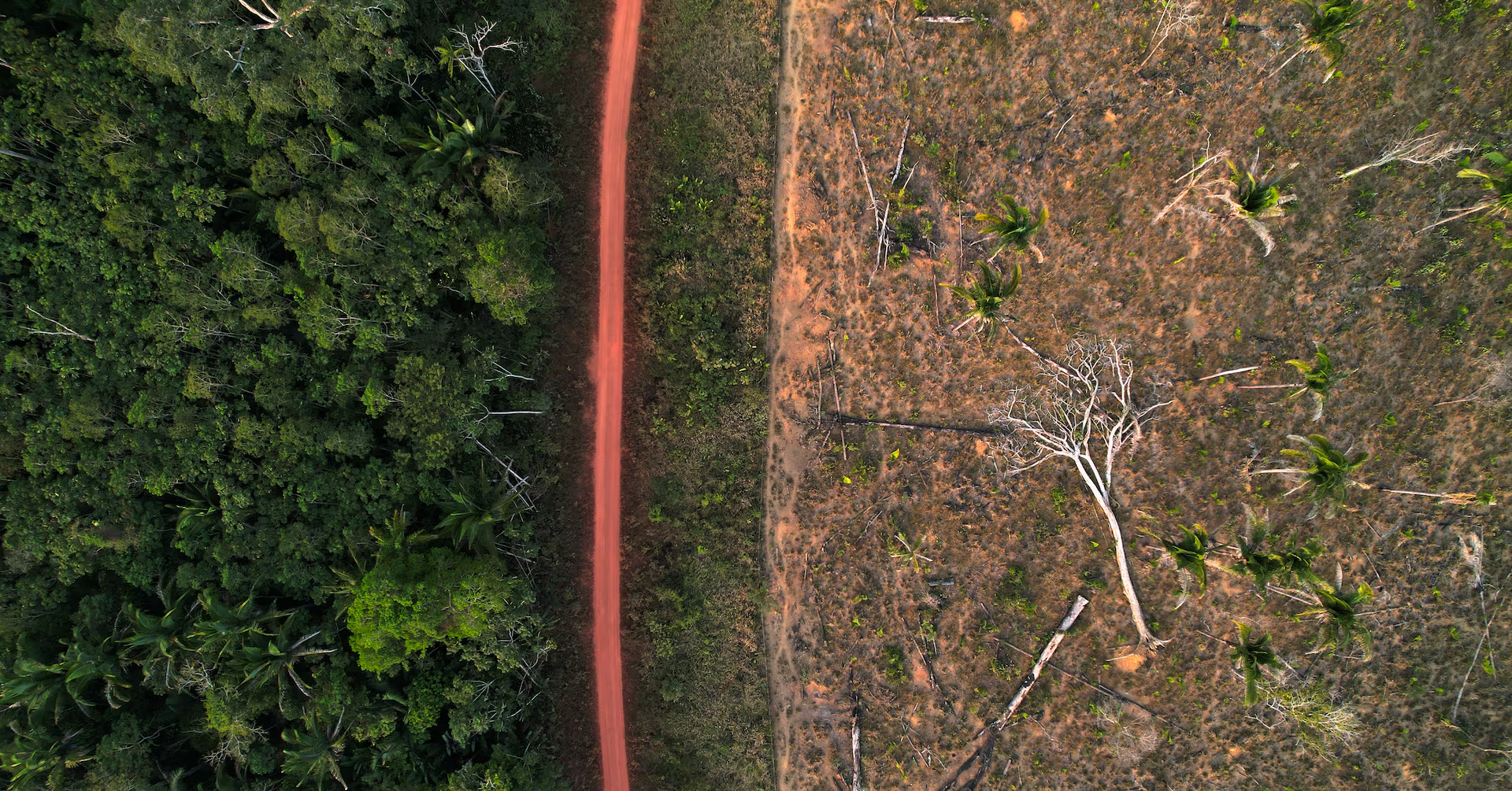
Many conservation projects in Brazil's Amazon, funded by global companies through carbon credits, are allegedly linked to illegal deforestation activities and fines by Brazilian authorities, raising concerns about the integrity of the voluntary carbon market and the effectiveness of environmental protections.
Janet Yellen has cautioned companies against relying on carbon credits as a primary strategy for addressing climate change, emphasizing the need for more direct actions to reduce carbon emissions.
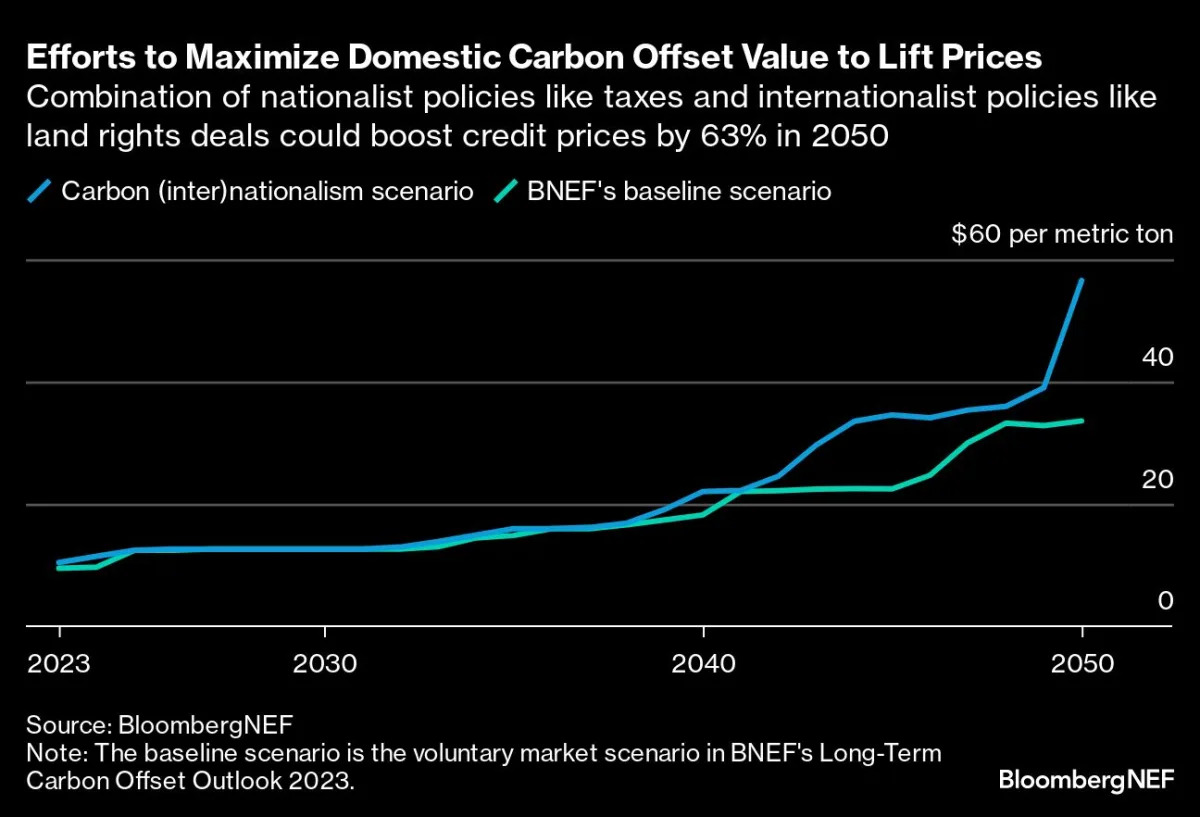
Wall Street and City of London banks, including Goldman Sachs, Citigroup, JPMorgan Chase, and Barclays, are positioning themselves to capitalize on the growing carbon offset market, which has the potential to reach $1 trillion. These banks are looking to finance carbon sequestration projects, trade credits, and advise corporate clients on buying offsets. They also aim to support local projects in emerging markets that lack financial resources. However, the market still faces controversies and criticism for the failure of some credits to live up to environmental claims. Despite this, banks are eager to enter the market and balance speed with a deep understanding of evolving norms and expectations. The arrival of global banks in an unregulated market raises concerns for some, but efforts are being made to improve transparency and establish integrity frameworks. Carbon prices are currently low, but demand is expected to increase as companies seek to meet net zero goals.
The Africa Carbon Markets Initiative (ACMI) received pledges of hundreds of millions of dollars at Africa's first climate summit, including a commitment of $450 million from investors in the United Arab Emirates (UAE). African leaders are promoting market-based financing instruments like carbon credits to attract climate investment and mobilize funding. However, some speakers at the summit expressed concerns about the slow progress in climate financing for Africa, citing the perception of the continent as too risky for investors. The summit aims to showcase Africa as a destination for climate investment and plans to issue a declaration outlining Africa's position ahead of the upcoming U.N. climate conference and COP28.
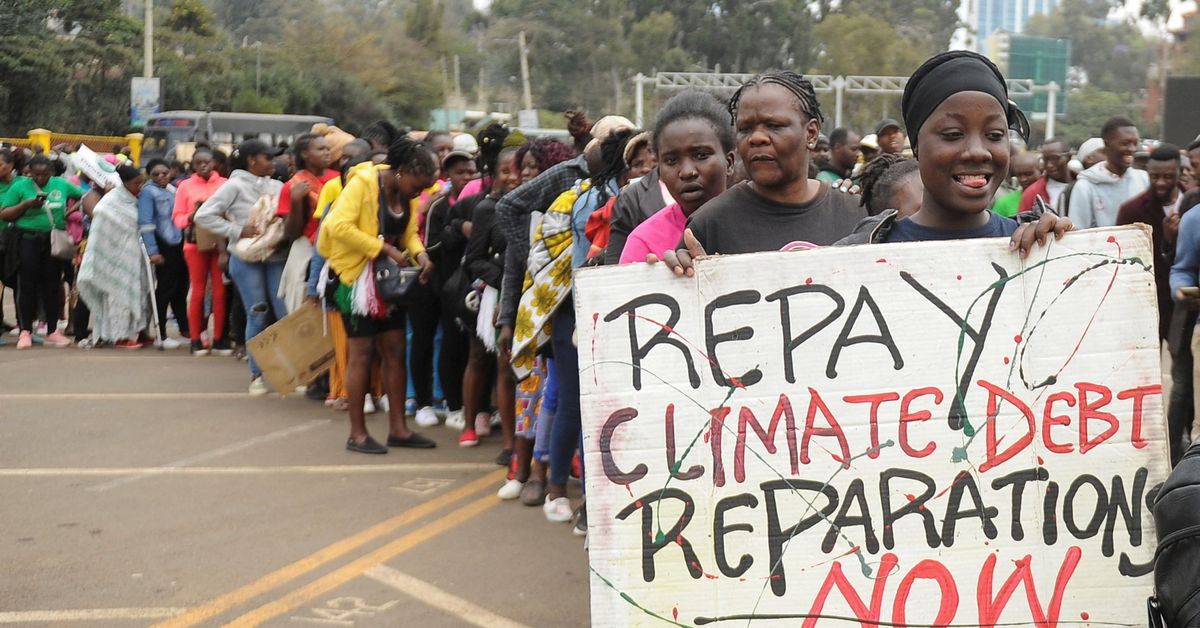
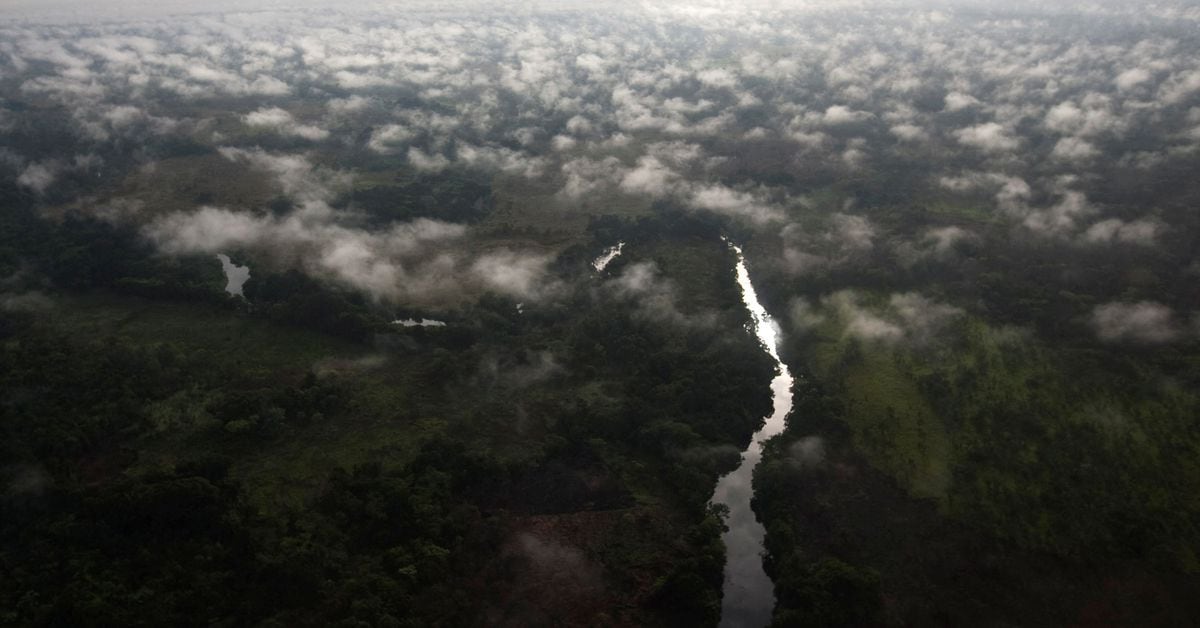
The first climate summit in Africa aims to shift the focus from Africa as a victim of floods and famine to discussing how to finance environmental priorities. African countries contribute only 3% of global carbon emissions but are increasingly affected by extreme weather events linked to climate change. The summit will explore market-based financing options such as carbon credits and debt-for-nature swaps, but these approaches have drawn criticism from civic groups who argue that they prioritize Western interests. African nations will also demand more funding from wealthy countries and seek recognition for the Congo Basin as a major carbon sink.
A study published in Science has found that forest carbon offsets, a popular method for reducing carbon emissions, may not be as effective as claimed. The study audited 18 projects in five equatorial forest countries and found that the majority of carbon credits generated by these projects did not actually offset as much carbon as the sellers had claimed. The researchers identified several sources of error, including misleading historical trends and a lack of regulation in the offset market. The study highlights the need for closing loopholes and improving transparency in order to build trust in the offset marketplace.
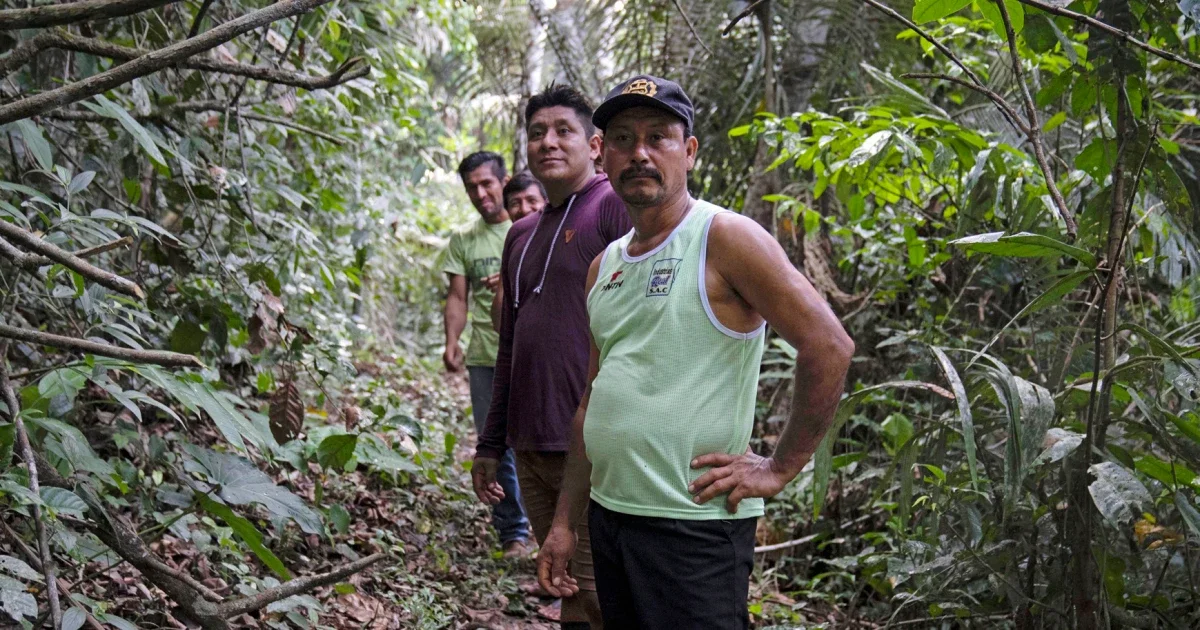
An appeals court in Peru has set aside a landmark ruling that an Indigenous community in the Peruvian Amazon could reclaim ancestral rainforests. The Kichwa tribes lived in the area of Cordillera Azul National Park for centuries before the park was founded in 2001 in what the Kichwa say was theft of their land. Major companies such as Shell and TotalEnergies have spent more than $80 million since then buying credits in the park to counter their carbon emissions. The community fell into food poverty after losing free access to hunt, fish and gather in the park area.