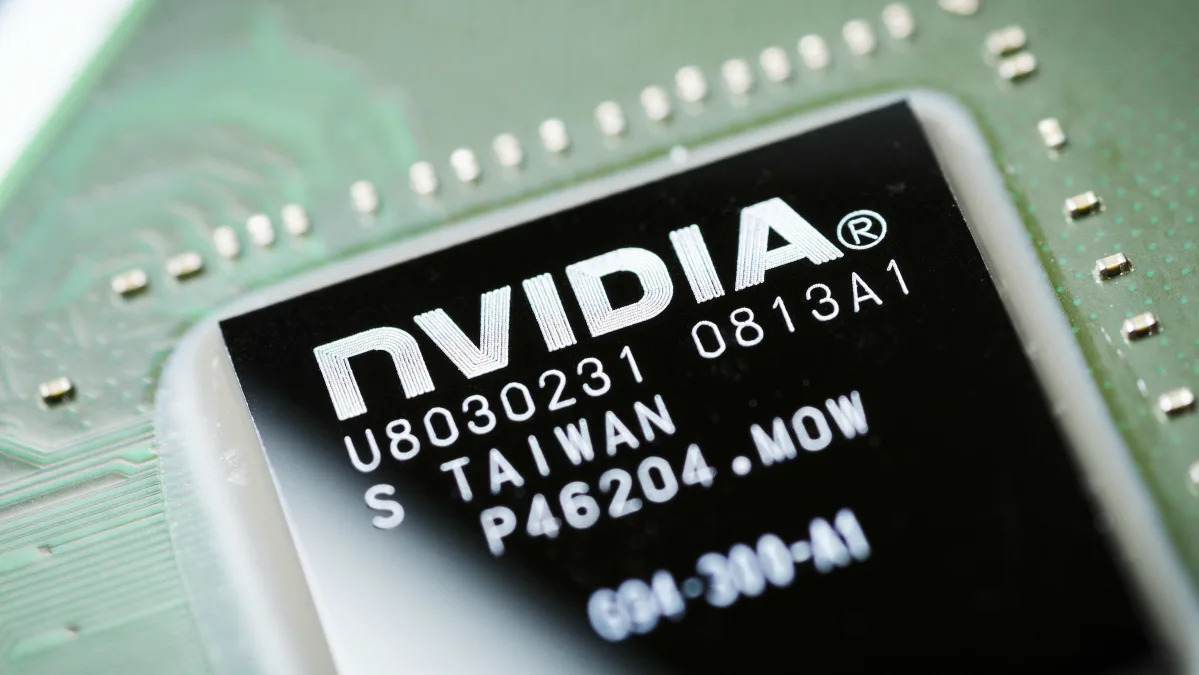
Nvidia and other AI-related stocks experienced a significant drop after Super Micro Computer failed to provide preliminary results and guidance for its upcoming earnings report, causing Nvidia's shares to plummet by 10%. This decline also affected other AI chipmakers and related companies, including Advanced Micro Devices, Arm Holdings, Astera Labs, Broadcom, Marvell Technology, and Micron Technology. The lack of updates from Super Micro Computer led to a loss of confidence in AI stocks, impacting the broader stock market as well.
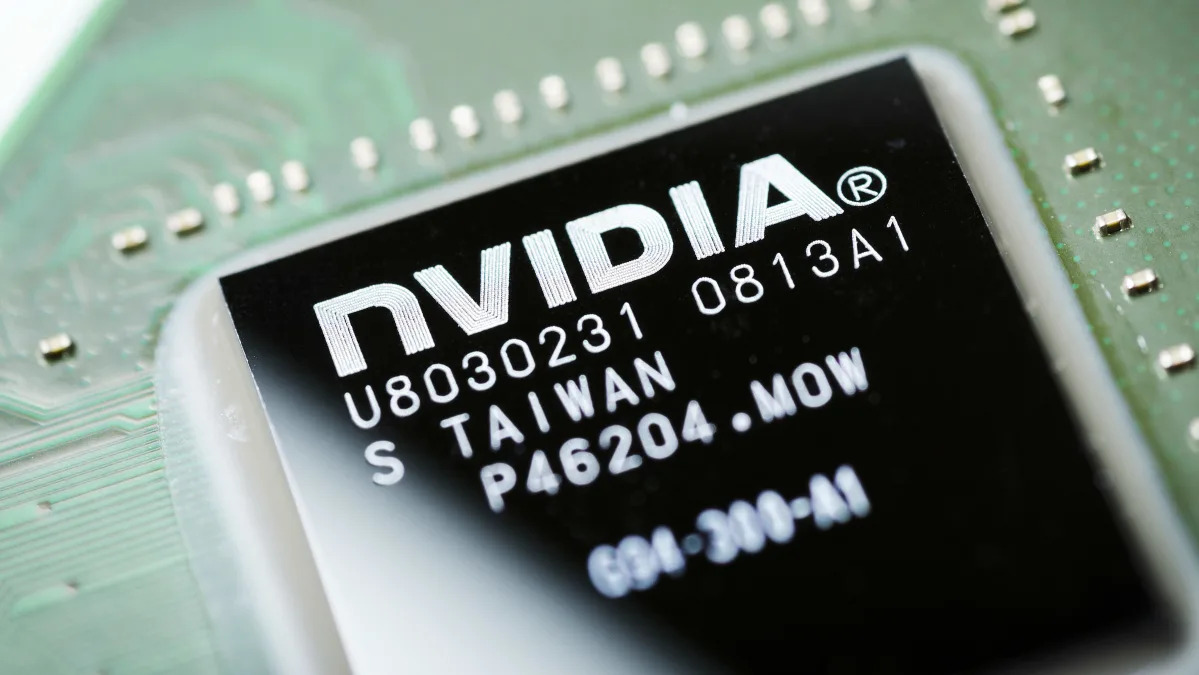
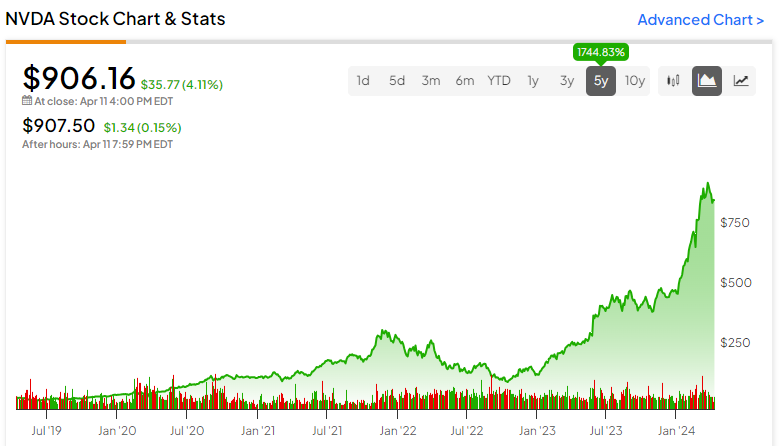
The tech-heavy S&P 500 has been down, with chip-making powerhouse Nvidia experiencing a 15% dip in share price over the past month. F/m Investments President Alex Morris suggests that the recent decline is a natural breather for momentum-driven tech stocks like Nvidia, emphasizing that geopolitical events are not the sole catalyst but provide an opportunity for investors to reevaluate their positions.
Super Micro Computer shares plunged 18% as investors reduced their holdings ahead of the company's upcoming earnings report, despite the stock's significant gains this year. The server and computer infrastructure company, a primary vendor for Nvidia, has seen its stock soar due to its ties to the AI technology giant. However, competition in the market remains fierce, with rivals like Dell and Hewlett Packard Enterprise also planning to utilize Nvidia's latest generation of graphics processing units.
Analysts have made several significant calls on Thursday, including upgrades for Tesla and Nvidia, as well as price target increases for Apple and Amazon. eBay received a downgrade, while Zoom, JetBlue, and BJ's Wholesale Club also saw analyst actions.
Netflix is set to report its first-quarter results, with high expectations after a 27% stock gain this year. The company's strong subscriber growth and profitability are expected to be reflected in its financial update, but concerns linger about potential margin pressures from investments in gaming, live content, and ad-supported memberships. Analysts are bullish on the stock, but there's still a possibility of falling short on guidance. Nonetheless, Netflix remains a dominant player in the streaming market, and investors eagerly await the upcoming earnings report.
Analysts have made significant calls on several major companies, including Nvidia, Apple, Meta, Intel, and others, providing insights and recommendations for investors to consider.
Arista Networks' stock was downgraded to sell by a Rosenblatt Securities analyst due to the threat posed by chipmaker Nvidia in the artificial intelligence-driven data center network switches market. The analyst cited Nvidia's strong position in selling AI chips as a competitive edge. Arista's forecasted AI-related sales for 2025 could be impacted by Nvidia's presence in the market. The stock fell more than 7% following the downgrade.
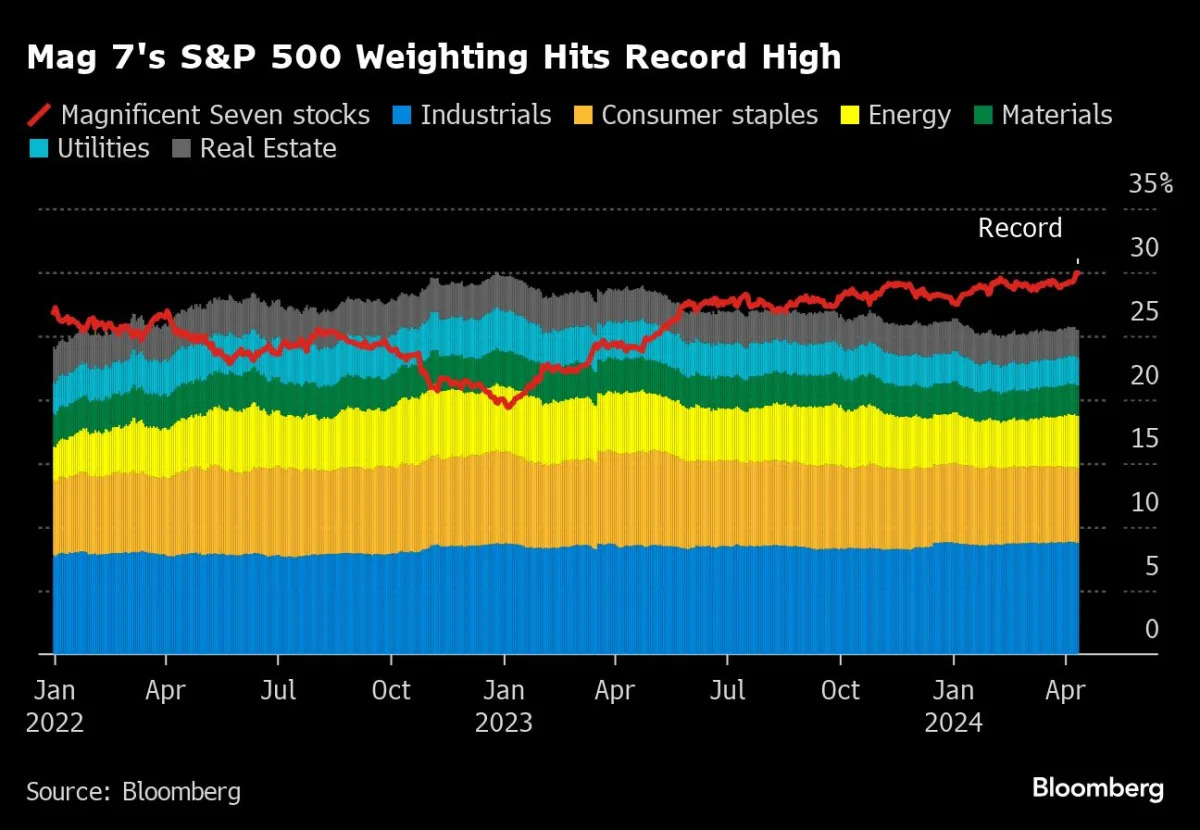
Despite mixed performances from tech giants like Apple and Tesla, the Magnificent Seven tech stocks, including Alphabet, Microsoft, Nvidia, Amazon, and Meta, now make up almost 30% of the S&P 500, surpassing the combined weight of several other sectors. The group's record weighting comes amid a broad rally in technology shares, with Nvidia's stock surging 81% this year and Meta and Amazon also posting significant gains. However, Tesla's stock slump has weighed down the group, as the company faces challenges with electric vehicle demand.
Nvidia's stock is trading at high multiples despite potential cyclical risks, with the company's rapid profit growth and high margins possibly nearing a peak. Increased competition and potential economic weakness could impact Nvidia's future earnings, while the semiconductor industry's surge in investment and competition pose additional challenges. Analysts remain bullish on the stock, but some caution that Nvidia's position may resemble Intel's during the dot-com bubble, with potential for a similar downturn in the future.
Bank of America analysts remain bullish on Nvidia despite its recent stock decline, citing the company's strong position in the AI chip space and predicting a 26% upside with a price target of $1,100 per share. They believe that the factors behind the sell-off, such as inflation, competition, and market volatility, do not significantly alter Nvidia's narrative. Nvidia's latest Blackwell chip and strong enterprise foothold contribute to the analysts' confidence in the company's ability to maintain and expand its market share, despite competition from Google and Intel.
Analyst Gil Luria predicts that Nvidia's stock, which hit a record high in March, could face a downturn by 2026 due to market and technology trends. While he expects a strong performance in the short term, Luria warns that Nvidia's dominance may not last long as its top customers, such as Microsoft, Amazon, and Google, are developing their own custom chips, potentially reducing Nvidia's market share and threatening its revenue margins in the long run.
Nvidia's stock took a hit after an analyst report from D.A. Davidson suggested that the company's dominance in AI-related hardware sales could be coming to an end as big tech companies shift spending to in-house production. The report predicts a significant cyclical downturn for Nvidia by 2026, with a price target of $620 per share, representing a nearly 30% decline from Monday's closing price. However, Nvidia's revenue potential from other segments, such as autonomous driving technologies, could offset this. Despite the stock's recent decline, the analyst has maintained a "hold" rating on the shares, suggesting a potential opportunity for long-term investors.
The once-dominant "Magnificent Seven" tech stocks have now dwindled to the "Magnificent Four," consisting of Nvidia, Microsoft, Meta, and Amazon, as Tesla, Apple, and Alphabet have underperformed compared to their peers. The shift in the market trend has seen some positive upside for certain names while others in the Mag Seven are starting to slow down, with Nvidia leading the pack in market cap growth. Analysts are also bullish on the technical setup for Alphabet, despite its struggles this year.
Nvidia's stock has surged 85% in the first quarter, solidifying its position as a frontrunner among the Magnificent Seven technology companies, while Tesla's stock has struggled, down 20%, due to production setbacks, leadership challenges, tempered outlook, analyst downgrades, reduced delivery forecasts, delayed ramp-up, profit projections slashed, and loss of confidence. Nvidia's success is attributed to generative AI adoption, data center dominance, product innovation, exceptional 2023 performance, and a strong Q4 earnings report, while Tesla faces mounting pressure to overcome operational hurdles and sustain its growth momentum.
As the stock market reaches record highs, concerns about a potential bubble are growing due to high valuations and the AI-hype cycle. Economist David Rosenberg highlighted divergences in the market, suggesting an inevitable downturn, while Warren Buffett's favorite valuation signal is nearing records. The 10 most richly valued stocks include companies like Nvidia, MicroStrategy, and Arm Holdings, with price-to-sales ratios indicating potential overvaluation.