General Motors reported a $6 billion impairment charge due to unprofitable EV investments, citing reduced consumer demand following the removal of federal tax incentives and relaxed emissions regulations, leading GM to scale back EV capacity and shift production focus.
Colorado is increasing its own EV incentives to compensate for the federal tax credit's disappearance, offering up to $9,000 for low-income buyers and maintaining a $3,500 incentive for others, signaling continued state support for EV adoption despite federal changes.
Electric vehicle sales in the U.S. are expected to decline significantly in 2025 due to the expiration of a federal tax credit, although the market may recover in the long term as experts anticipate. The end of the $7,500 credit led to a surge in August sales, with many consumers rushing to purchase EVs before the deadline, but policy changes by the government are likely to cause a downturn in the short term.
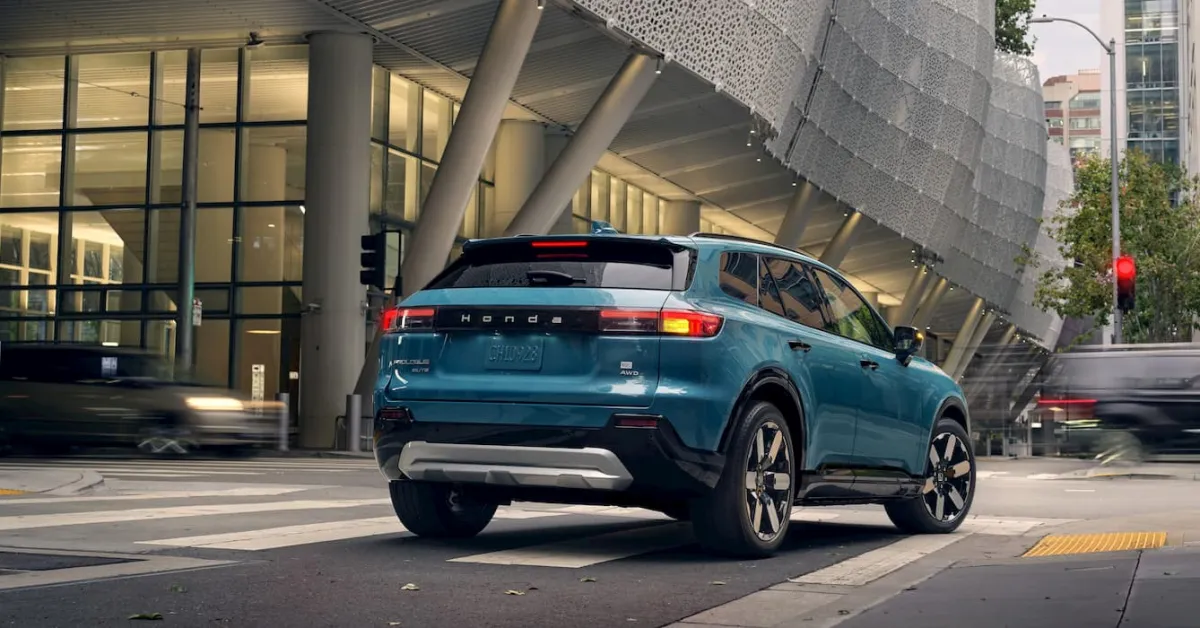
With the $7,500 federal EV tax credit expiring soon, now is the last chance to secure significantly discounted EV leases, including deals on Hyundai Ioniq 5, BMW i4, Mercedes EQE, and affordable options like Chevy Blazer EV and Volkswagen ID.4, before the incentives disappear and supply diminishes.
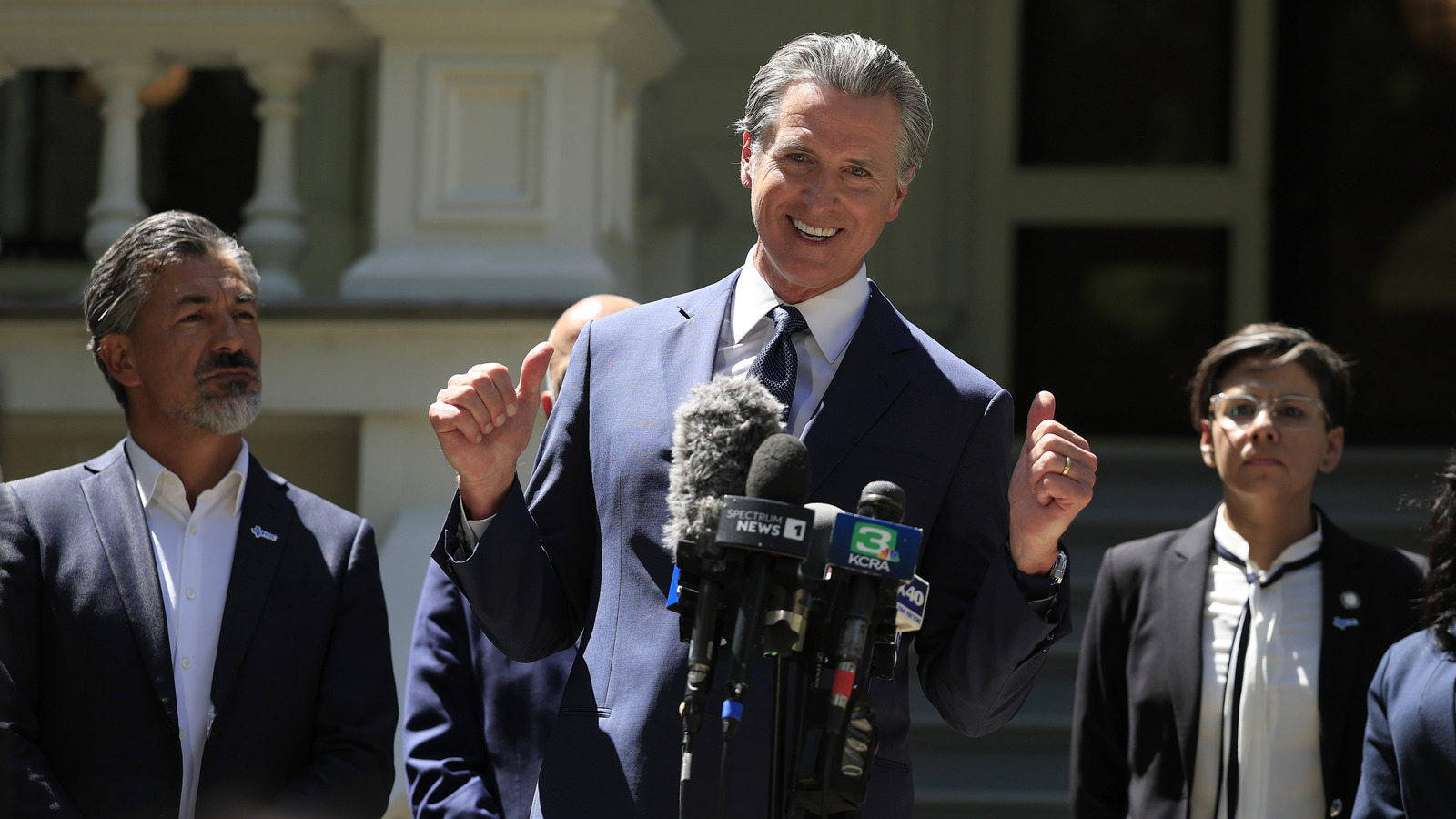
California Governor Gavin Newsom announced the state's withdrawal from supporting EV tax credits due to budget deficits, criticizing GM CEO Mary Barra over the company's lack of support for EV transition, highlighting ongoing debates about the role and duration of EV incentives amid market and political challenges.
Automakers are offering significant discounts on electric vehicles, exceeding $10,000 in some cases, to capitalize on the nearing expiration of the $7,500 federal tax credit at the end of September, leading to a selloff and reduced EV inventory in the US.
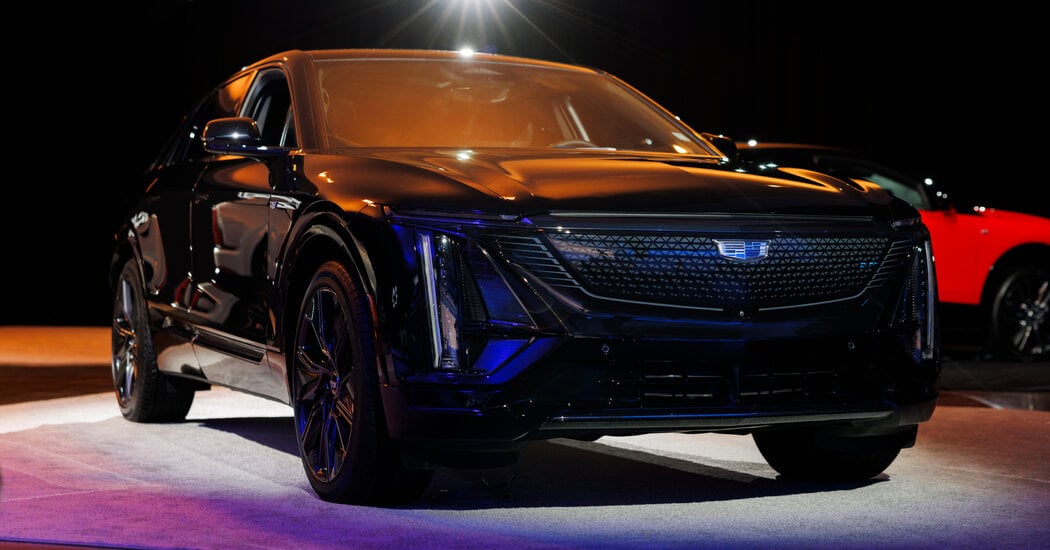
Cadillac has become a leading luxury electric vehicle brand in the U.S., surpassing competitors like BMW and Mercedes-Benz, but its future sales may be threatened by the potential repeal of a $7,500 federal tax credit under the Trump administration.
Elon Musk and Tesla are facing significant challenges due to Trump's 'Big Beautiful Bill,' which removes key subsidies like the $7,500 federal tax credit and penalties for emission violations, potentially causing Tesla to lose revenue and profit, especially in the US market. Musk's late realization of these impacts and the bill's broader implications could lead to financial struggles for Tesla and increased political risks for Musk.
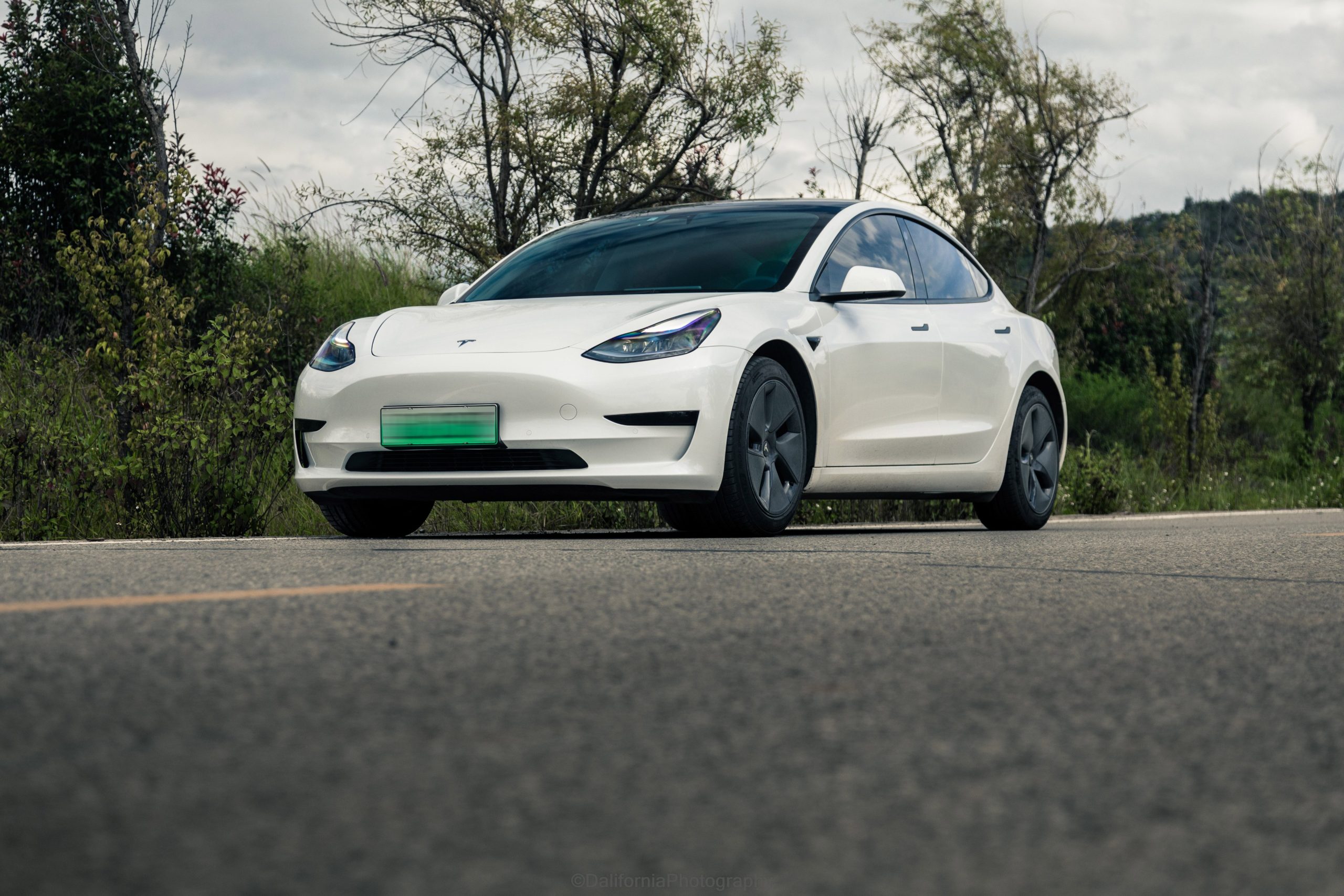
Starting January 1, the cheapest Tesla car, the Model 3 Standard Range, will no longer qualify for the full federal tax credit, affecting its affordability for potential buyers.
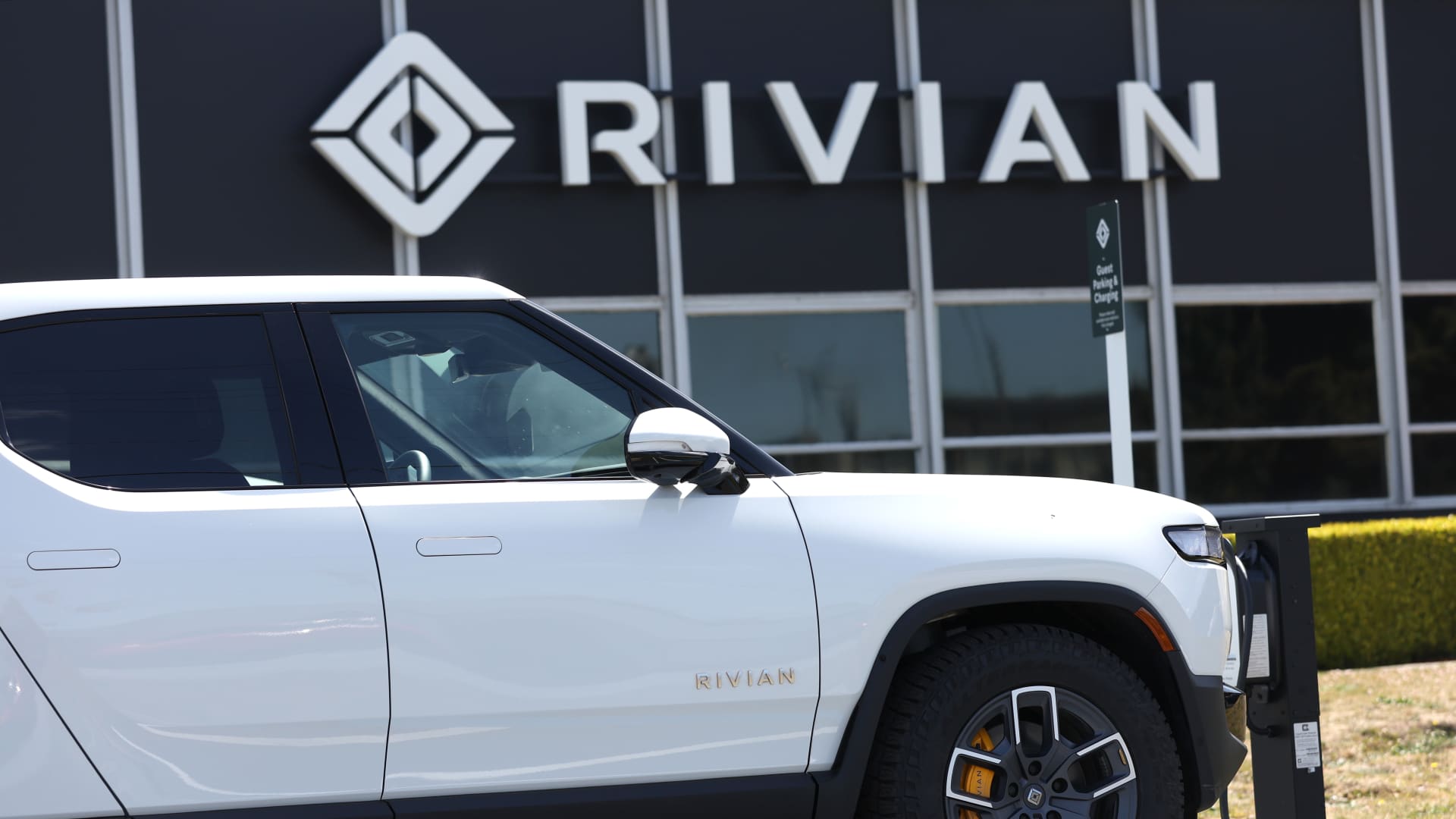
Rivian has launched a leasing program for its all-electric R1T pickup truck, expanding sales and targeting a wider customer base. The program is initially available in 14 states and is expected to expand over time. Leasing allows customers to try out an electric vehicle without a long-term commitment and qualifies them for a full $7,500 federal tax credit. This move comes as Rivian raised its production forecast for the year due to sustained demand.
A new lifecycle analysis by CleanTechnica shows that the total cost of ownership (TCO) of a Tesla Model 3 is nearly as affordable as the cheapest car available in the United States, the 2023 Mitsubishi Mirage. The analysis takes into account fuel and depreciation savings, as well as the full $7,500 federal tax credit now available for all Model 3 vehicles. The TCO of the Model 3 is only slightly higher than the Mirage, with a $4,889 expected reduction in fuel costs and a $1,941 expected reduction in maintenance costs.
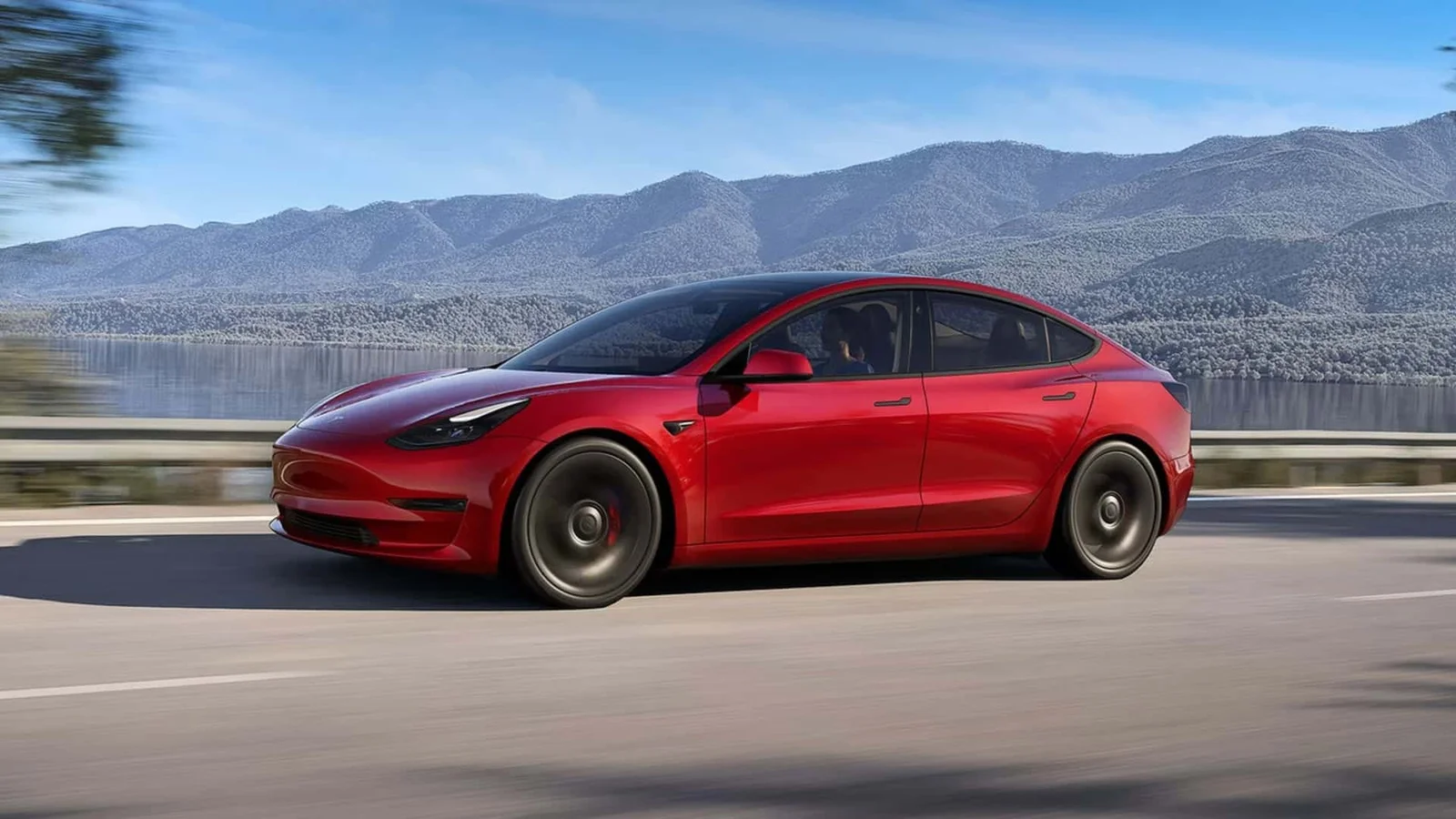
All versions of the Tesla Model 3 now qualify for the full $7,500 federal tax credit in the US, making the entry-level Model 3 Rear-Wheel Drive effectively start at $34,380. Tesla likely tweaked its supply chain to meet the federal tax credit requirements, which include local production in North America and a certain percentage of critical minerals and battery components being manufactured or assembled in North America. This move strengthens the Model 3's competitiveness and may unlock manufacturing capacity in Fremont, California.
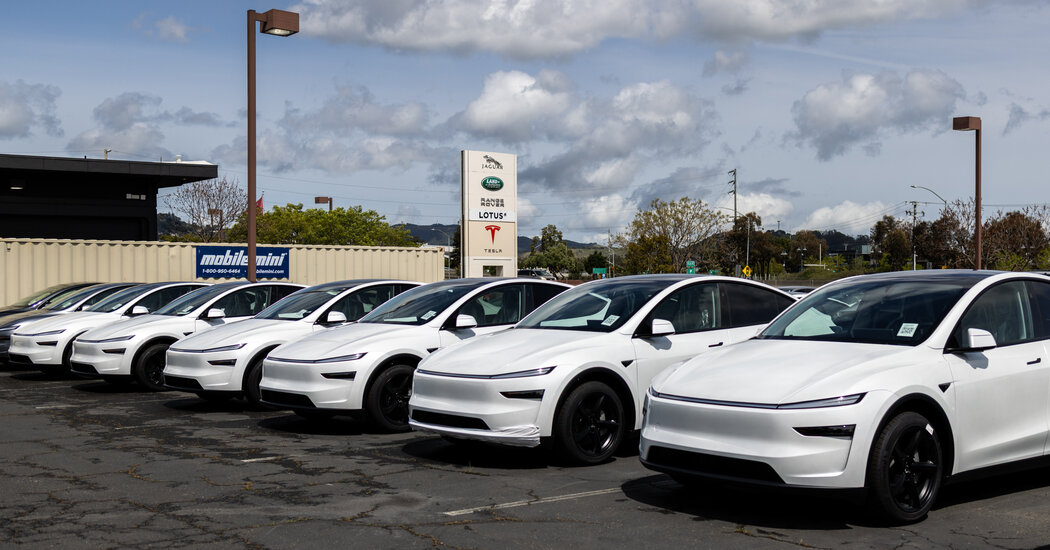
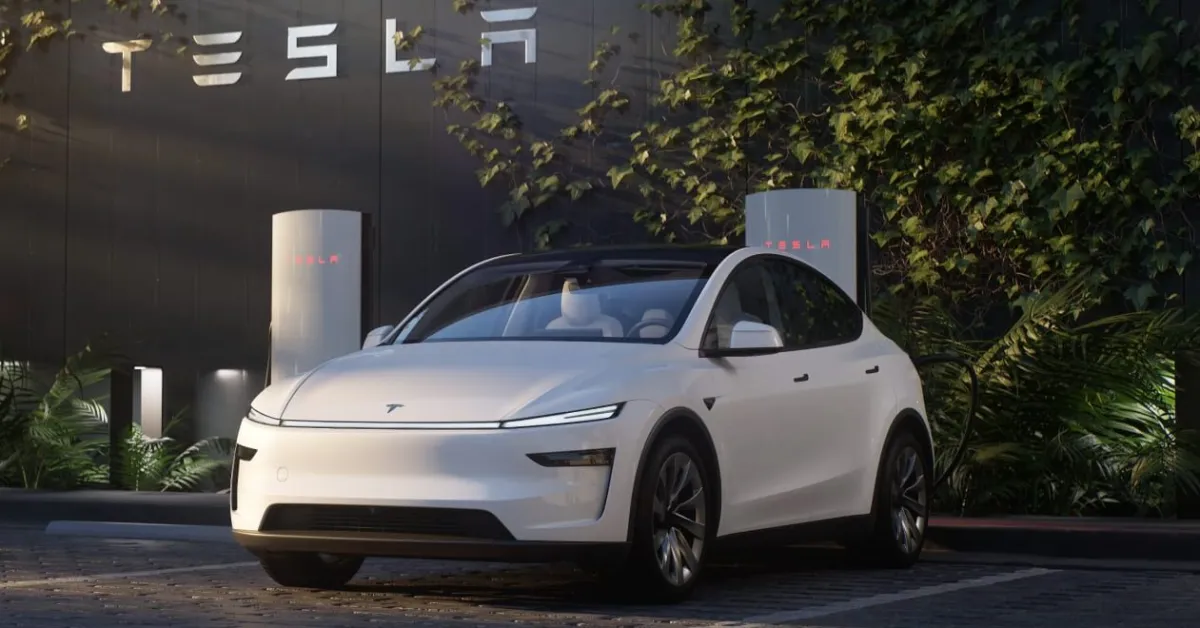
Tesla's entry-level Model Y SUV is now cheaper than the average new vehicle sold in the US, according to Kelley Blue Book data. The average new vehicle in the US was sold for $48,008 in March, while the entry-level Model Y costs just $47,240. Tesla has made multiple price cuts across its lineup this year, including the Model 3, which was reduced to $39,990 before being increased again to $40,240. The most recent price cut came just after new regulations on the $7,500 federal EV tax credit dropped eligibility for the Model 3 to a reduced $3,750 credit.
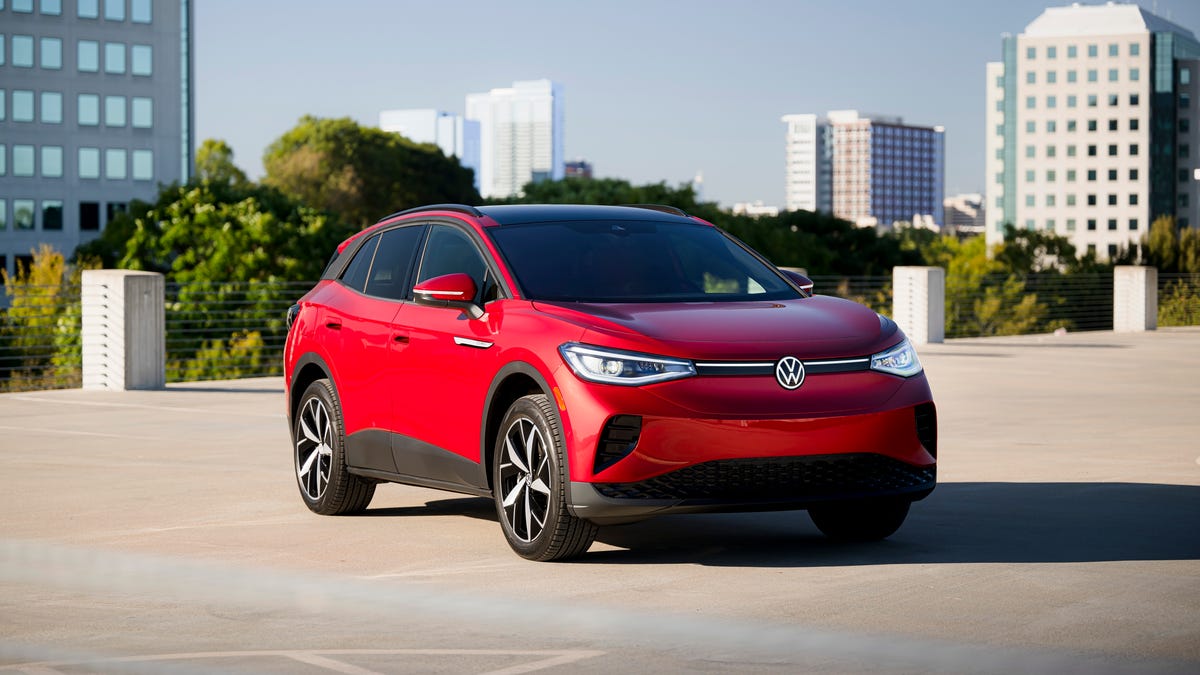
Volkswagen confirms that the US-built ID.4 crossover will be eligible for the $7,500 federal tax credit, which is a big deal for the brand as it has been betting big on electric cars lately. The base model ID.4 is one of the cheapest EVs on the market, but with just over 200 miles of range and a "meh" driving experience, it may not be the best option. However, this news expands the choice of affordable EVs for consumers in the US.
The federal tax credit for the Tesla Model 3 RWD will be reduced from $7,500 to $3,750 starting April 18. The tax credit reduction is due to the battery pack of the Model 3 RWD being produced and assembled in China, which does not meet the eligibility criteria for the full tax credit. Customers who purchase more expensive variants of the Model 3, such as the Model 3 Performance, will still be eligible for the full $7,500 tax credit. The adjusted gross income limitations for claiming the electric vehicle tax credit are $300,000 for married couples filing jointly, $225,000 for heads of households, and $150,000 for all other filers.