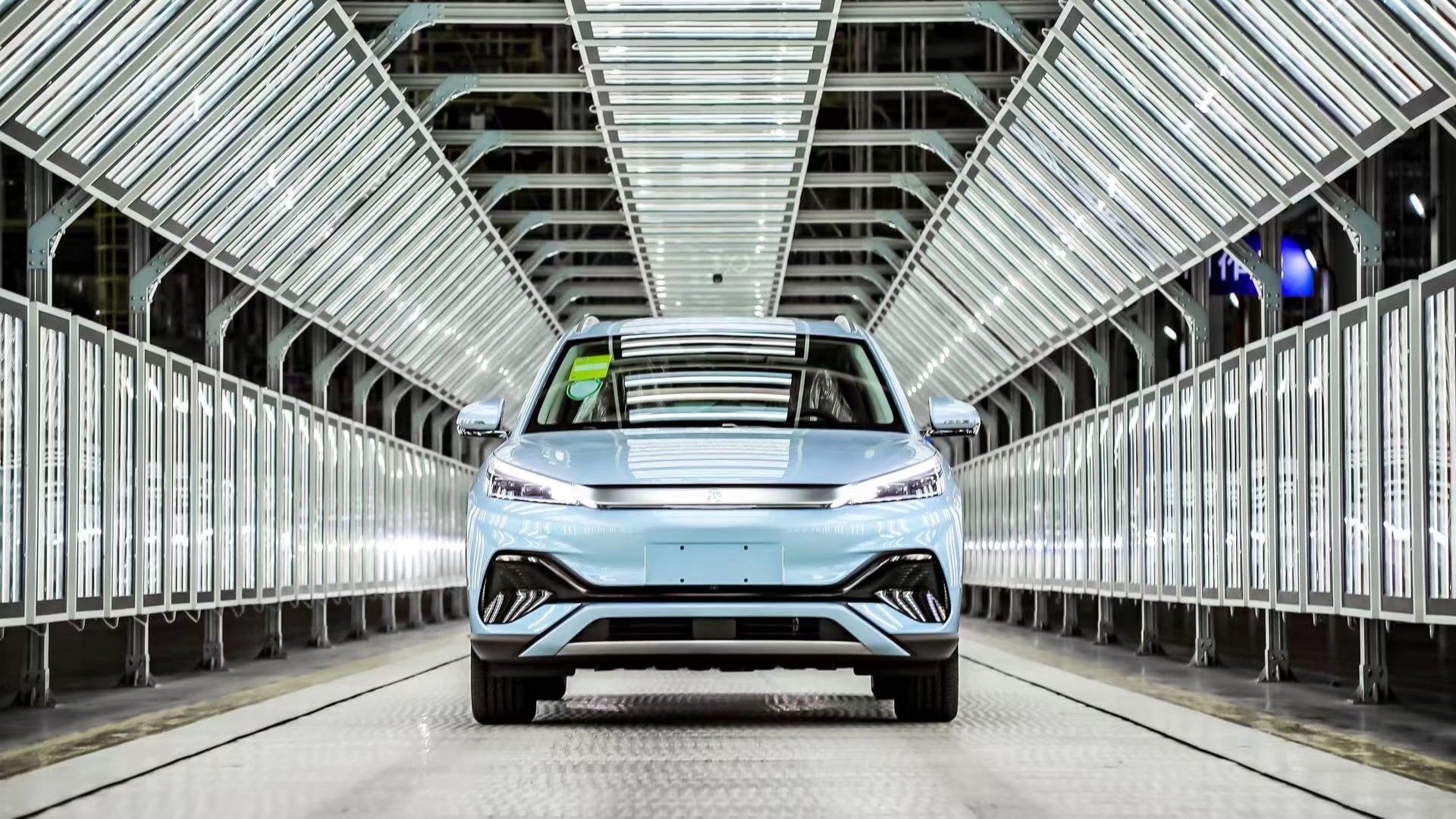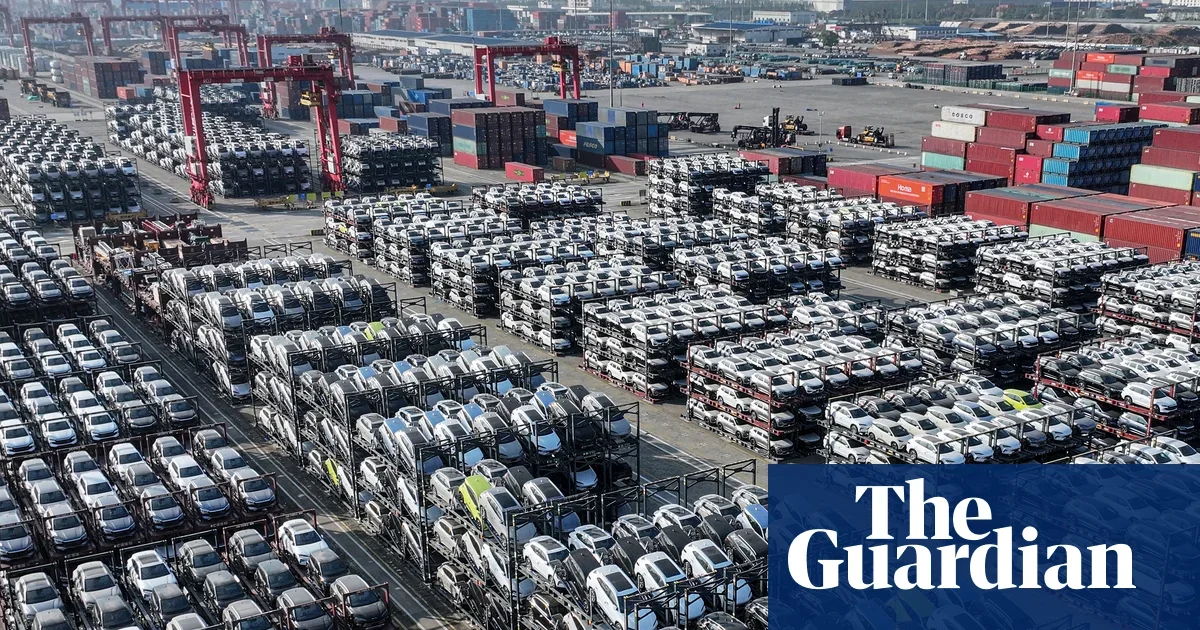
Chinese car brands are projected to account for 10% of new car sales in the UK by 2025, driven by increased sales across Europe, with manufacturers like MG, BYD, and Chery leading the growth. This surge is part of China's dominance in the EV industry, supported by government subsidies and supply chain control, raising concerns in the EU about job losses and market competition. Despite tariffs on Chinese EVs, hybrids remain a significant part of their offerings, allowing Chinese brands to undercut European manufacturers and expand their market share.
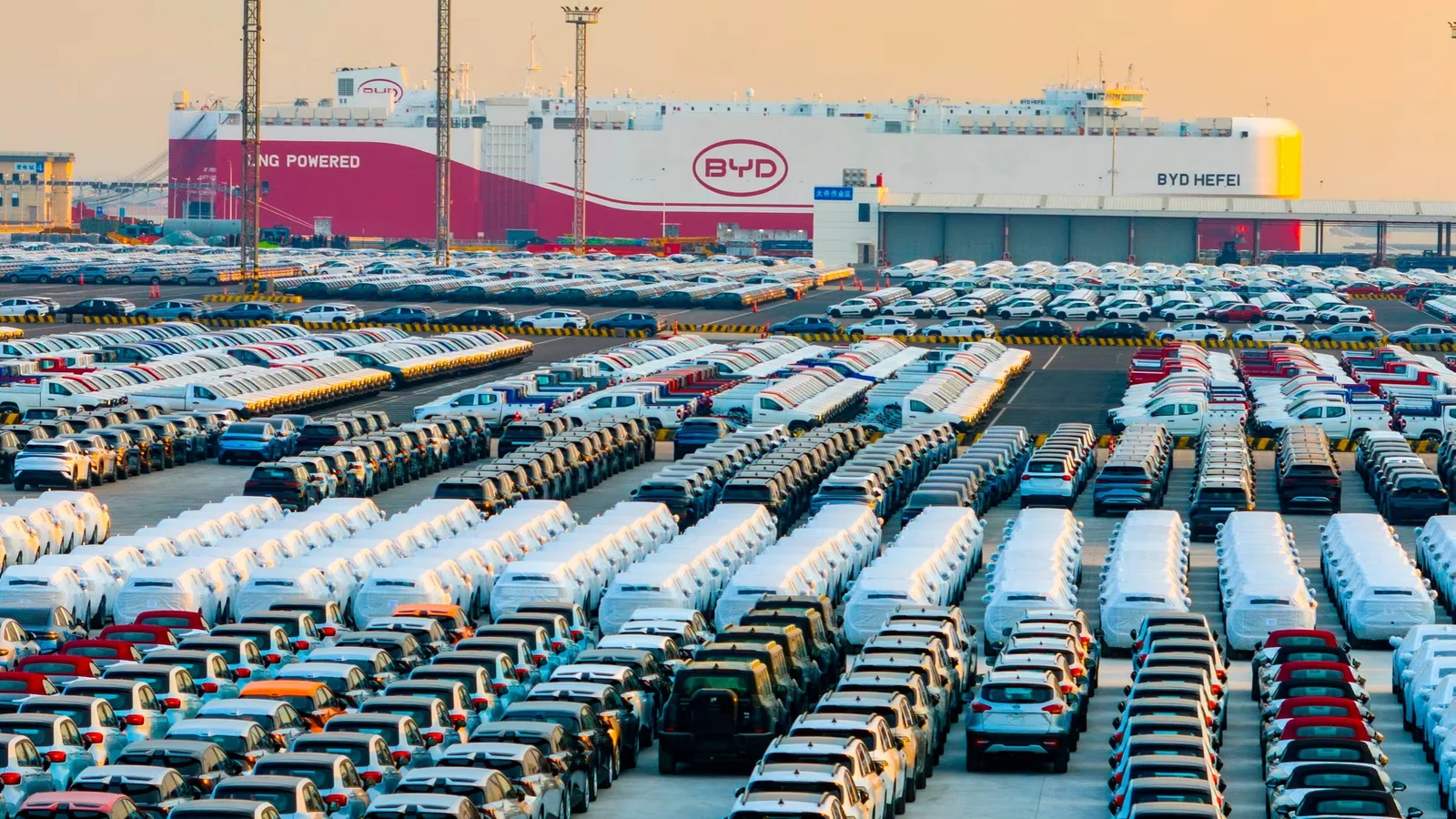
Mexico plans to impose a 50% tariff on Chinese cars in response to pressure from the United States, highlighting ongoing trade tensions and policy adjustments between the countries.
Chinese automakers, including BYD, SAIC, Chery, and JAC, are eyeing Mexico as a strategic location for building factories to gain access to the U.S. market and potentially bypass protectionist tariffs and restrictions. With Mexico's cheap labor and favorable trade agreements, Chinese carmakers could pose a significant challenge to western rivals in the EV market, but potential U.S. restrictions and retaliatory policies may complicate their entry into the market.
Chinese carmakers are gaining market share in Russia's auto industry, taking advantage of the departure of Western players. Imported Chinese cars now account for 49% of Russia's market, compared to just 7% in June 2021. Chinese firms are also increasing their sales in Russia by assembling vehicles at factories formerly owned by European, Japanese, and U.S. carmakers. The rebirth of the classic Soviet-era car, the Moskvich, is a sign of China's growing influence, with the car featuring engine parts and upholstery from China's JAC Motors. The expansion of Chinese carmakers in Russia is benefiting the country by restarting production at idled factories and keeping workers employed.