

Tag

Emergency Expenses

All articles tagged with #emergency expenses

"Majority of Americans Struggle to Save for Emergencies: Survey"
finance2 years ago

"Majority of Americans Struggle to Save for Emergencies: Survey"

A survey by Bankrate reveals that over half of Americans cannot afford a $1,000 emergency expense, with many resorting to credit cards or borrowing from loved ones to cover unexpected costs. Inflation is impacting savings, with two-thirds of respondents saving less due to rising prices. The prospect of job loss is also causing stress, as many worry about covering immediate living expenses. Despite these challenges, there is optimism in the robust job market and favorable returns on savings, prompting a call to prioritize emergency savings.

"Rising Consumer Debt: The Cost of Emergency Expenses and Holiday Spending"
personal-finance2 years ago

"Rising Consumer Debt: The Cost of Emergency Expenses and Holiday Spending"

A Bankrate report shows that 49% of credit card holders carry a balance, up from 39% in 2021, with 43% attributing their debt to unexpected or emergency expenses. The average interest rate on credit card debt has risen to 22.77%, making it costly to carry a balance. Financial experts advise against using credit cards for emergency expenses due to high interest rates, recommending the use of an emergency fund instead. Options for managing credit card debt include negotiating lower interest rates, utilizing balance transfer cards, and consolidating debt with a personal loan, but caution is advised due to potential risks.

"Financial Instability: 40% of Americans Unable to Cover $400 Emergency Expense, Fed Survey Finds"
economy2 years ago

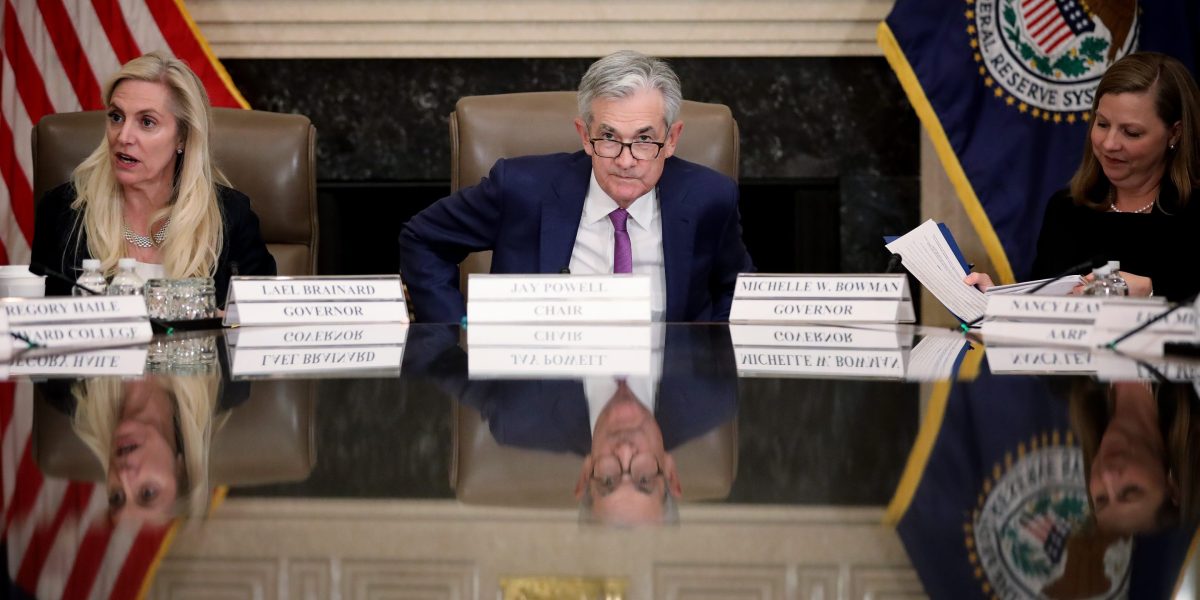
"Financial Instability: 40% of Americans Unable to Cover $400 Emergency Expense, Fed Survey Finds"

The Federal Reserve's 2022 Economic Well-Being of U.S. Households survey shows that 37% of Americans lack enough money to cover a $400 emergency expense, up from 32% in 2021. Additionally, 18% of Americans said the largest expense they could cover using only their savings was under $100. The survey found that self-reported financial well-being was among the lowest levels observed since 2016, and higher prices have negatively affected most households. Despite a low unemployment rate, most Americans are struggling to keep up with inflation, and many are avoiding big-ticket discretionary purchases. The financial burden of high borrowing costs and rising prices is rearing its head in spending this year as well.