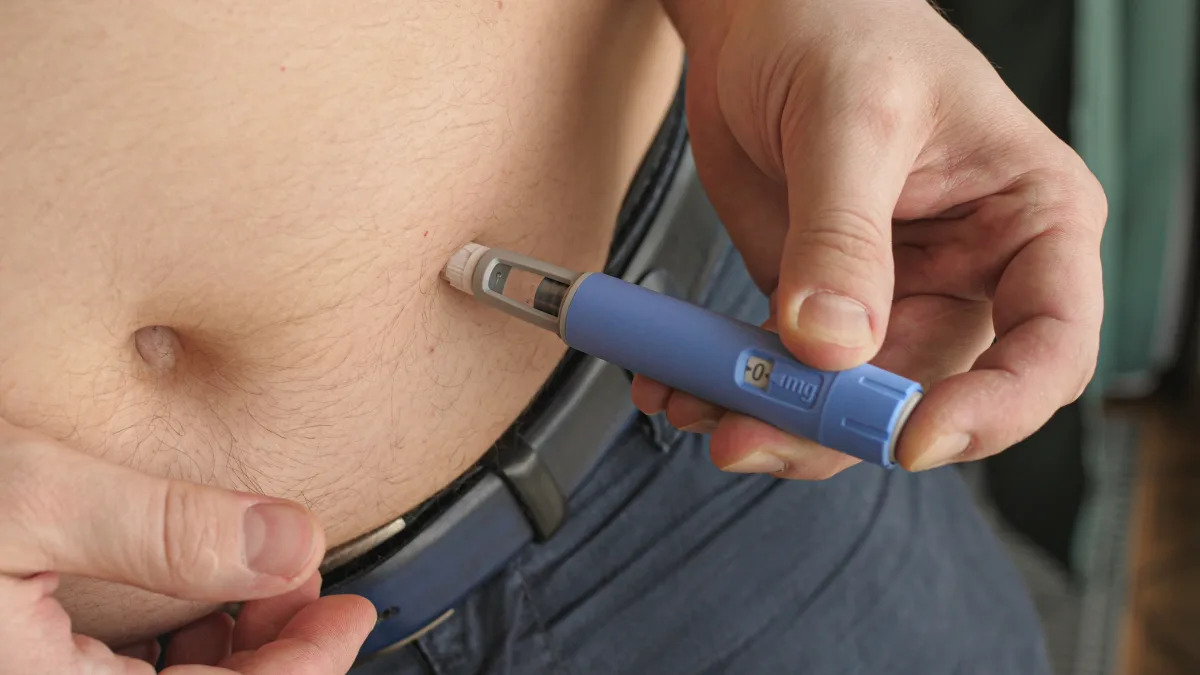
Eli Lilly's new obesity pill helps patients maintain weight loss after switching from injections like Wegovy and Zepbound, with promising trial results suggesting it could serve as a needle-free long-term treatment option, potentially capturing significant market share in the growing weight loss drug industry.
Eli Lilly's obesity pill, orforglipron, despite underwhelming trial data compared to Novo Nordisk's oral semaglutide, remains a competitive option due to its potential advantages in manufacturing, cost, and ease of use, with market predictions favoring Lilly's larger global rollout and market share in the future.
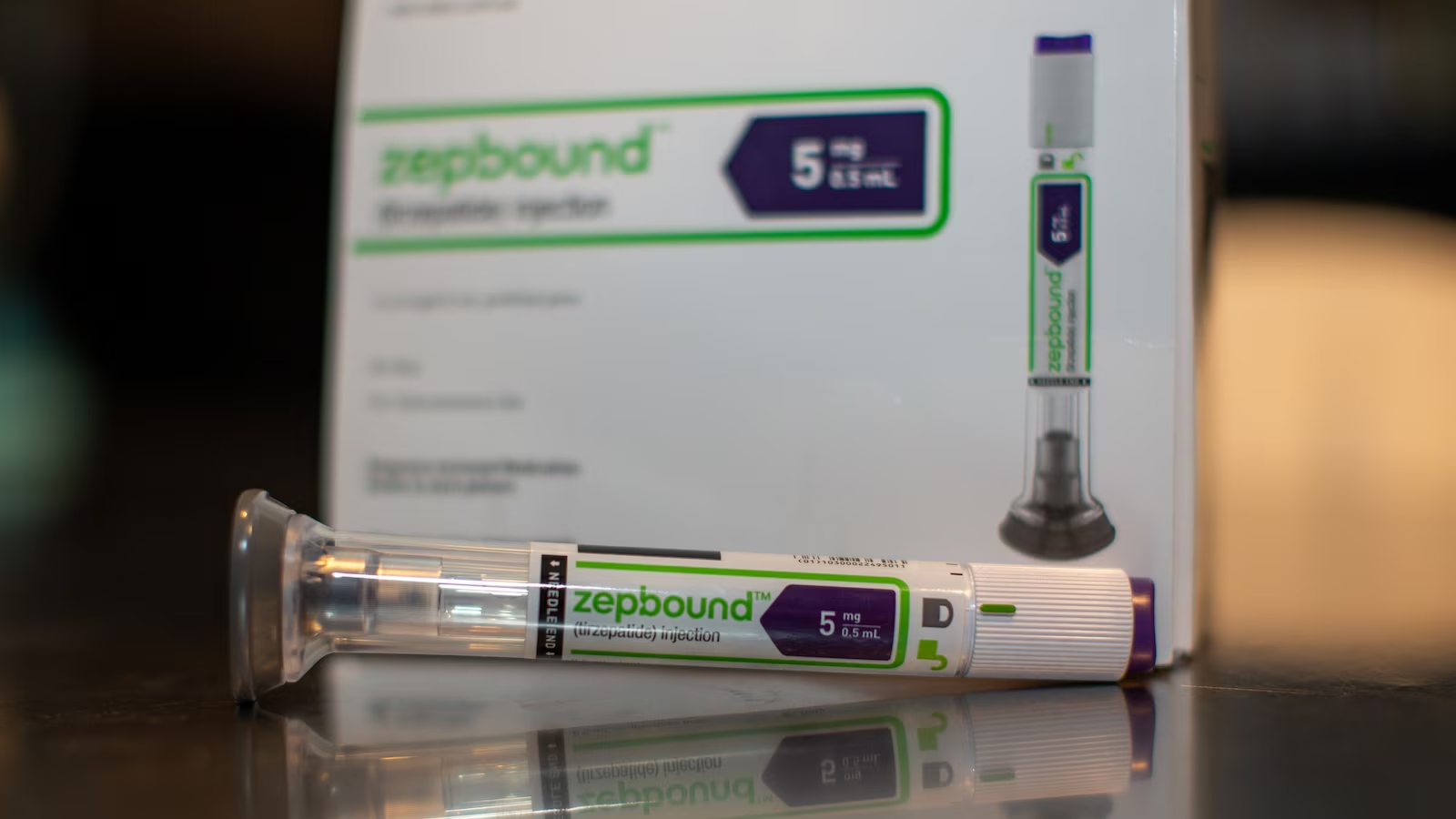
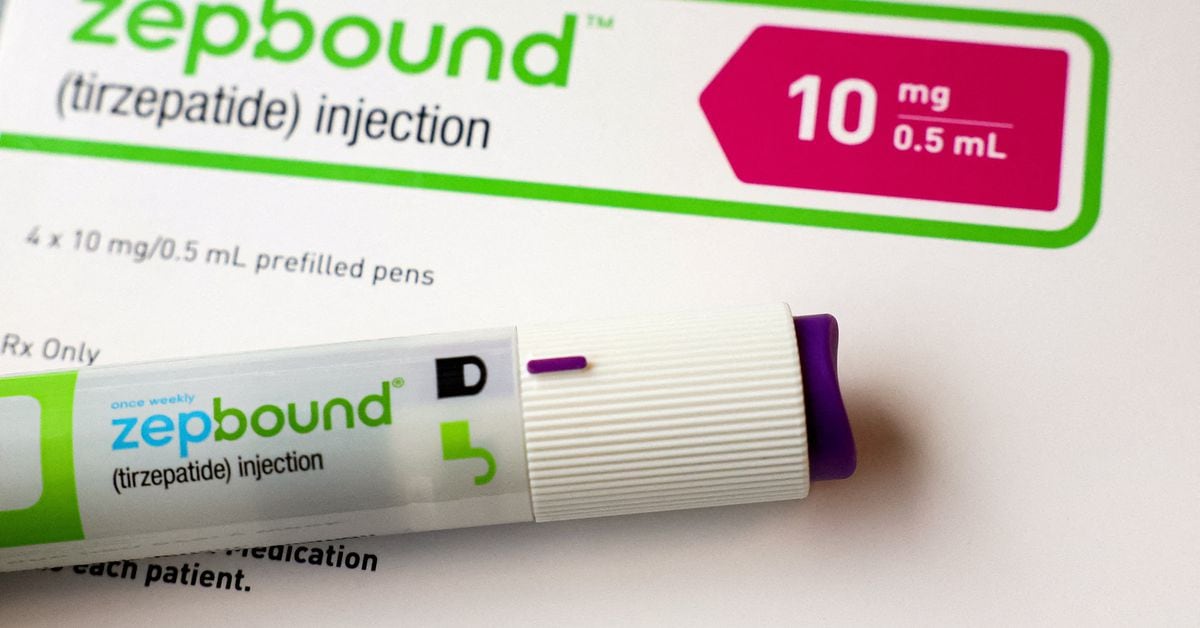
Eli Lilly's Zepbound has shown promising results in preliminary research, indicating it may help patients lose more weight than Novo Nordisk's Wegovy over 72 weeks. Zepbound, containing tirzepatide, reportedly aids weight loss by mimicking gut hormones that signal fullness. Users like Barbara Strecker-Gaudreau and her daughter Alexis have experienced significant weight loss with Zepbound, alongside lifestyle changes. While Novo Nordisk highlights Wegovy's cardiovascular benefits, both medications have side effects such as nausea and require lifestyle interventions for optimal results.
Isomorphic Labs, an AI startup under Alphabet, has announced partnerships with pharmaceutical giants Eli Lilly and Novartis in deals potentially worth up to $3 billion. The company, led by CEO Demis Hassabis, aims to leverage AI technology from Google DeepMind, such as the AlphaFold model, to accelerate drug discovery. Isomorphic Labs has been rapidly growing in the AI biotech sector since its inception in November 2021 and currently has a significant presence in London and Lausanne.
Eli Lilly has launched a new direct-to-consumer service, LillyDirect, offering telehealth prescriptions and home delivery for certain drugs, including the weight loss treatment Zepbound. This move, a first for a major drugmaker, aims to bypass traditional drug distribution systems and provide more accessible and transparent pricing. While it may not immediately disrupt the industry, it could lead to more pharmaceutical companies adopting similar models, increasing pressure on the current complex drug supply chain. Analysts believe that while the traditional infrastructure involving PBMs will remain, Eli Lilly's approach could streamline access to medications and potentially influence drug pricing and distribution practices.
Eli Lilly has issued a statement discouraging the use of its diabetes drugs Mounjaro and Zepbound for cosmetic weight loss, emphasizing that they are intended for serious medical conditions and should only be prescribed by healthcare professionals. Despite their popularity for weight loss among the general public, including non-obese individuals, experts warn of potential risks and the possibility of weight regain after discontinuation. The company insists on the drugs' use in conjunction with a healthy diet and exercise for approved medical conditions.
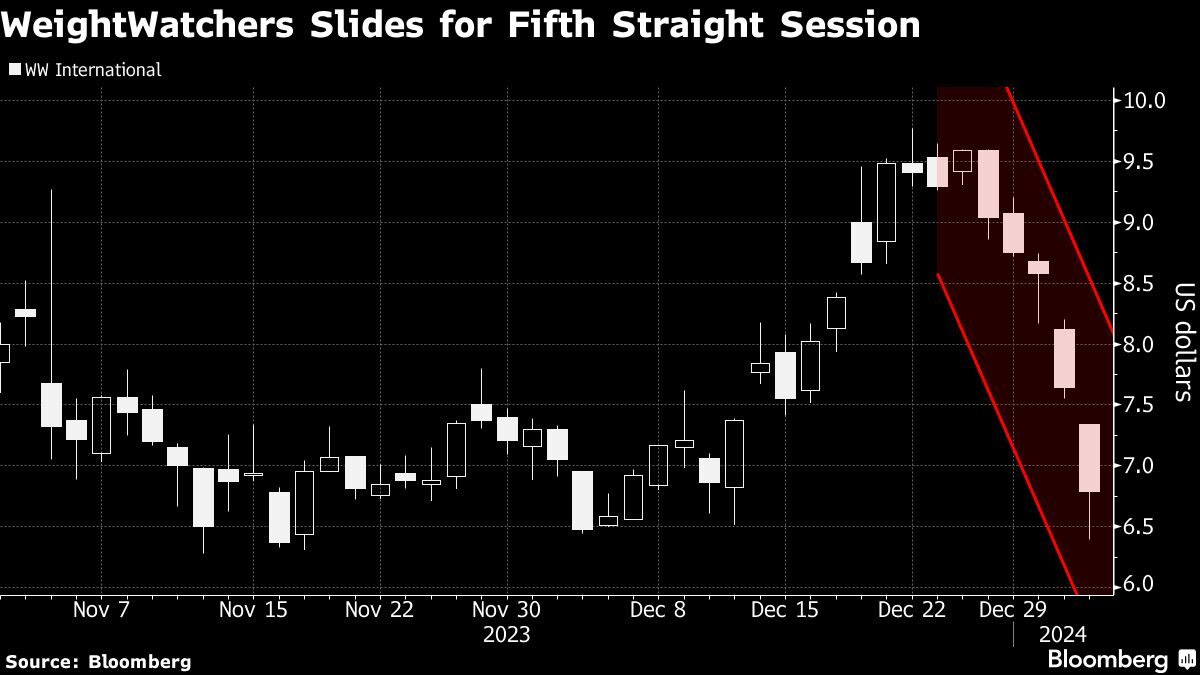
WW International, known as WeightWatchers, saw its shares drop significantly after Eli Lilly launched a digital platform, LillyDirect, to deliver weight-loss drugs, which directly competes with WeightWatchers' market. Despite the decline, analysts believe WW's strong brand could still thrive in the weight-loss space. Other companies in the online prescription weight-loss market also experienced share price declines following the announcement.
Eli Lilly and Co has launched LillyDirect, a new website and home delivery service for its weight-loss medication Zepbound and other drugs, aiming to meet high demand and simplify access to treatment. The service connects patients with telehealth providers and offers pharmacy services through third-party providers. This move, which also includes drugs for diabetes and migraine, has impacted the stock market, with Lilly's shares hitting a record high and WW International's shares dropping. The company emphasizes that its obesity and diabetes drugs should not be used for cosmetic weight loss.
The stock market experienced further losses, with the Nasdaq declining for a fourth consecutive session and broader market losses. Bitcoin's value dropped, but SEC approval of spot bitcoin ETFs is anticipated soon. Tesla's stock fell but may indicate a bullish sign if it finds support. Eli Lilly's stock rose, presenting a potential investment opportunity. Investors are advised to update their watchlists and consider taking profits or investing cautiously, as the market's direction remains uncertain.
Eli Lilly's stock (NYSE: LLY) is experiencing a notable rise, outperforming the overall market slump due to investor optimism about its weight-loss drug Zepbound, which is expected to compete strongly with Novo Nordisk's products. Despite a high forward price-to-earnings ratio, analysts suggest that Eli Lilly's growth potential, driven by Zepbound and other factors, makes the stock a worthwhile investment. However, it's important to note that The Motley Fool's Stock Advisor service did not include Eli Lilly in its top 10 recommended stocks for investors.
A 38-year-old man developed gastroparesis, a condition causing stomach paralysis, after taking two doses of Mounjaro, a diabetes medication also used for weight loss. He has filed a lawsuit against the drugmaker Eli Lilly, alleging that he was not adequately warned about the potential for serious, lifelong stomach issues. The law firm representing him, Morgan & Morgan, is investigating over 10,000 potential cases of gastroparesis linked to GLP-1 class drugs like Mounjaro. The man's condition has significantly impacted his diet, work life, and overall well-being.