Eric Trump claimed his company, American Bitcoin, mines about 3% of the world's Bitcoin daily and plans to go public, as the Trump family shows strong involvement and interest in the cryptocurrency industry, which has seen significant growth and political influence during Trump's presidency.
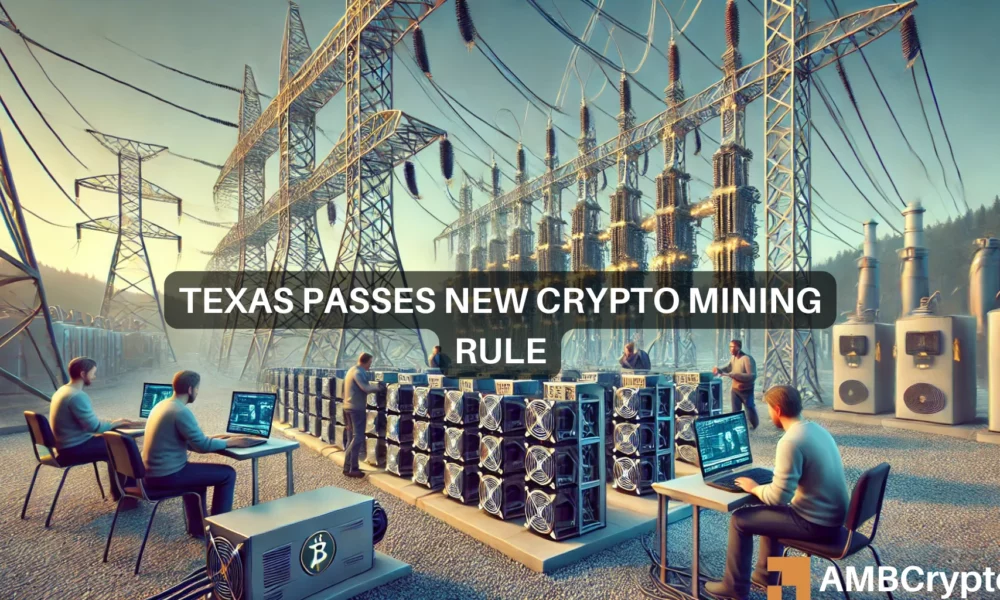
Texas has implemented new regulations requiring cryptocurrency miners to report their electricity usage to better manage the state's power grid. This move, announced by the Public Utilities Commission of Texas, aims to ensure grid stability amid increasing crypto mining operations attracted by low energy costs. The regulation reflects a global trend of jurisdictions addressing the environmental and infrastructural impacts of crypto mining, with varying approaches like New York's temporary moratorium and China's ban. These measures are crucial for balancing industry growth with local energy and environmental needs.
Russia's Parliament is set to debate a new crypto mining bill that mandates miners to register and disclose their activities, aiming to eliminate legal loopholes and tighten control over the sector. The bill, which will be voted on July 25th, restricts mining to registered Russian entities and individuals, outlaws crypto circulation and advertisements, and grants the Ministry of Digital Development oversight authority. This move comes amid Western sanctions, with the state seeking to leverage decentralized financial systems to mitigate economic impacts.
The U.S. Department of Energy has agreed to cease gathering information on the energy usage rates of crypto mining firms and will destroy any data already collected following a lawsuit by crypto mining firm Riot and the Texas Blockchain Council. The Energy Information Administration (EIA) will halt the collection of energy data and keep any received information confidential until it is destroyed, as part of a compromise where no wrongdoing is admitted. The EIA had allegedly threatened mining companies with criminal fines and civil penalties if they did not comply with an energy consumption survey, which was proposed to examine the energy ramifications of mining virtual currencies.
The DOJ has charged an Australian and two Americans with orchestrating a $1.9 billion cryptocurrency scam through the purported DeFi platform, HyperFund, by making false claims about investment returns from non-existent cryptocurrency mining operations. The trio faces charges including conspiracy to commit securities and wire fraud, and running an unlicensed money-transmitting business, with potential maximum sentences of five years in federal prison if convicted. This case reflects increased efforts by law enforcement to curb cryptocurrency scams, as over $1.7 billion in cryptocurrency was reported stolen in 2023, and recent incidents involving fake airdrops and scams targeting Solana holders.
Bitcoin opens Tuesday down 3% at $29,179, while Worldcoin's WLD token surges 30% in the last 24 hours. Altcoin dominance has reached a multi-month high, with bitcoin's volume dominance declining to its lowest level since April. Ethereum co-founder Vitalik Buterin raises concerns about Worldcoin's real-world privacy and centralization implications. Bitcoin investment products experience a $13 million outflow, while smaller cryptocurrencies like ether and Ripple's XRP gain favor. Bitcoin mining is on the rise, with the hashrate increasing five-fold since June 2021. Worldcoin launches its WLD token and mainnet, while Hong Kong lawmaker Johnny Ng invites Coinbase to the city. Russia's President Putin signs a law enabling the possibility of a central bank digital token.
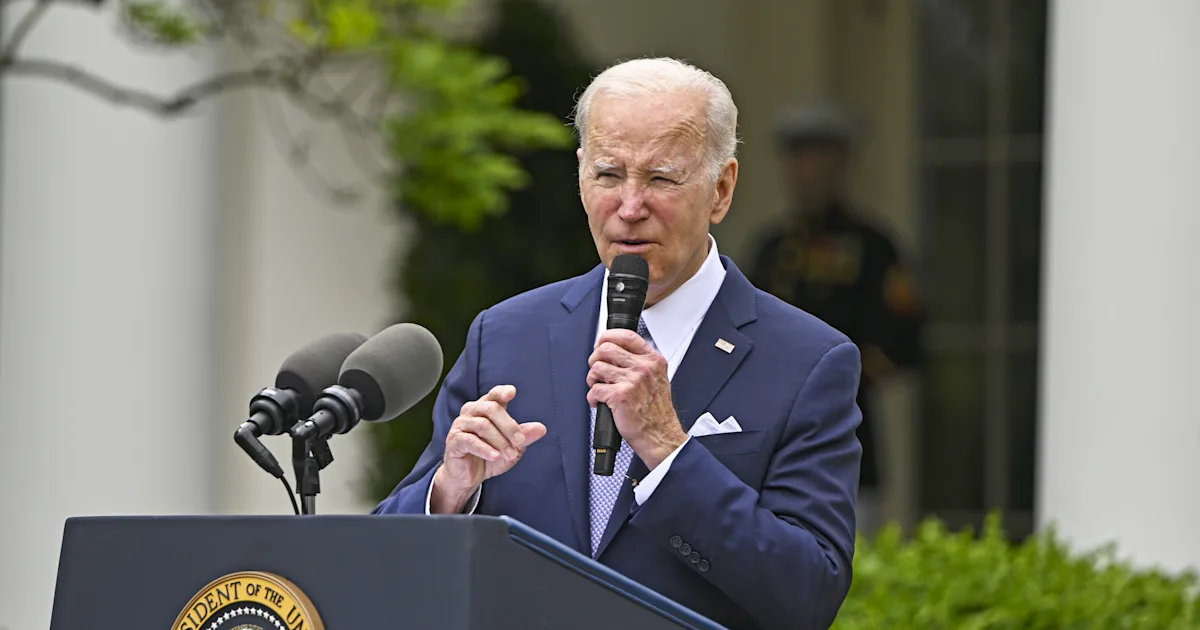
The Biden administration has proposed a 30 percent tax on the electricity used for cryptocurrency mining, called the Digital Asset Mining Energy or DAME excise tax. The tax aims to make crypto-mining companies pay for the "full cost they impose on others," including environmental pollution and high energy prices. The energy used by the 34 large-scale Bitcoin miners in the US is equivalent to that used by three million households. The excise tax will be imposed in phases, starting with a 10 percent tax on miners' electricity use in the first year, 20 percent in the second, and 30 percent from the third year onwards.
The White House has released a report justifying its proposed 30% excise tax on cryptocurrency mining firms, citing the lack of "economic benefits" and the environmental impact of crypto mining. The tax would be based on associated electricity costs and would start at 10% in 2024, increasing each year until it reaches 30%. The tax applies equally to digital asset miners that earn income by validating transactions on proof-of-work networks like Bitcoin and proof-of-stake networks like Ethereum. The report estimates that crypto miners in the U.S. consumed around 50,000 gigawatt hours of electricity in 2022 between Bitcoin and Ethereum.
The Bank of Russia is developing a bill to introduce an "experimental legal regime" for cryptocurrencies to be used exclusively in export-import deals, according to the head of the regulatory agency, Elvira Naiullina. The country's government is also working on a bill to create a national agency to license and supervise cryptocurrency platforms operating in Russia, and a new tax code for miners. The central bank's plan includes creating special organizations charged with mining crypto and processing payments for cross-border trade deals. Crypto trading and payments inside Russia will still be banned.
Russia has climbed to second place in the world in terms of total power capacity of the facilities devoted to the production of digital currencies, with 1 GW of electrical power involved in crypto mining in Q1 of 2023. The United States remains the clear leader with 3 to 4 GW of mining capacity. The growth of the American market is being slowed down by rising electricity rates, reduced mining profitability, and the abolition of tax incentives in some areas. The development of the industry in Russia is facilitated by the availability of cheap energy resources and cool climates in regions such as Irkutsk. However, its future remains unclear in the absence of regulations.