The King's Speech is scheduled for May 12 or 13, shortly after the May 7 UK elections, and will outline the government's legislative plans for the upcoming parliamentary session, with implications for Labour's leadership stability amid election challenges.
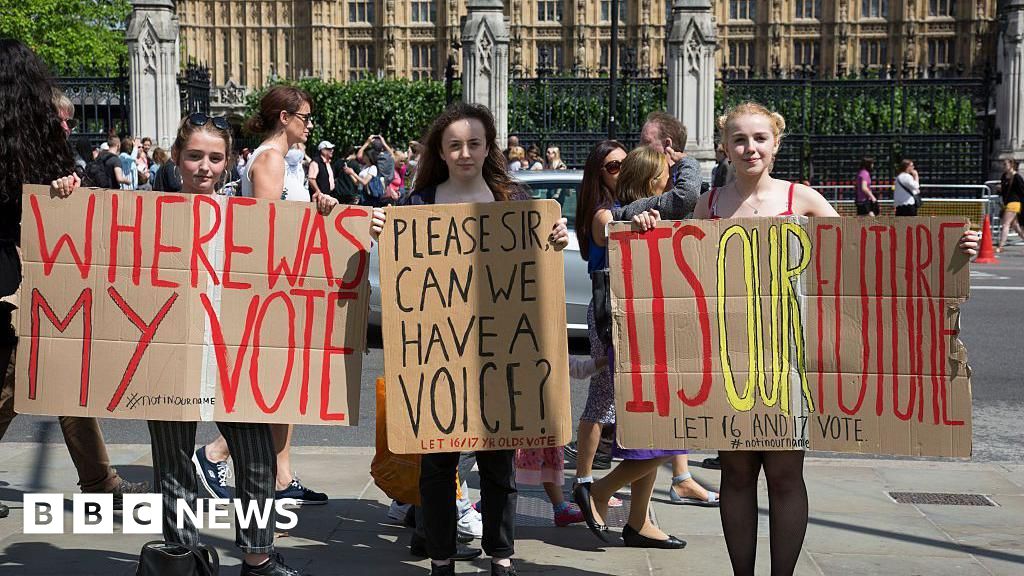
The UK government plans to lower the voting age to 16 for all elections, aligning with Scotland and Wales, and aims to expand voter ID options and tighten rules on political donations to enhance democratic participation and security.
The UK government plans to lower the voting age to 16 for the next general election, expand voter ID options including UK-issued bank cards, introduce automatic voter registration, and tighten rules on political donations to prevent foreign interference, marking significant electoral reforms.
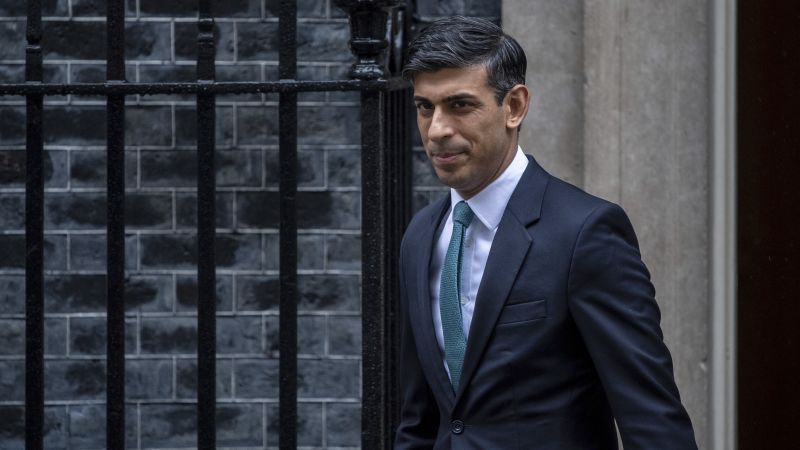
British Prime Minister Rishi Sunak faced two election losses as voters rejected his Conservative Party in parliamentary by-elections. The Labour Party won in Selby and Ainsty, a region where the Conservatives had a strong majority, while the Liberal Democrats claimed victory in Somerton and Frome. Although the Conservatives managed to hold on to a seat in Uxbridge and South Ruislip, Labour made significant gains. These losses indicate growing pressure on Sunak's leadership and suggest a potential defeat for the Conservative government in the next general election.
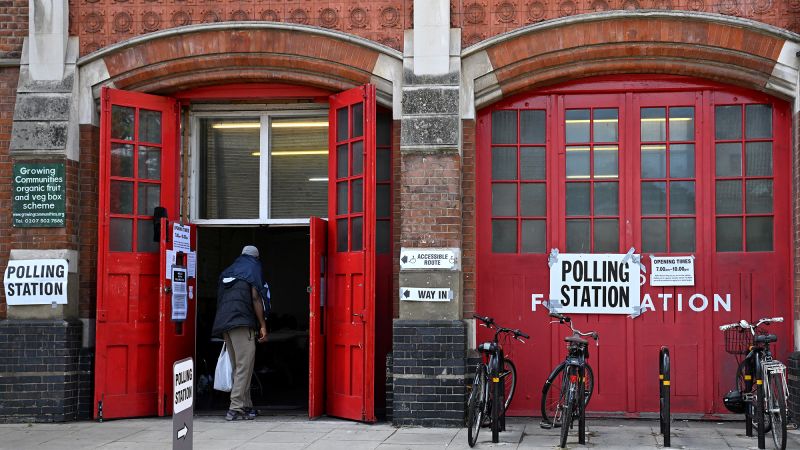
With local elections in England approaching, parties are preparing for potential gains and losses. The Conservatives hope to avoid losing 1,000 seats, while Labour aims to make significant gains in various areas. The Liberal Democrats and Green Party also hope to make gains, while the impact of the Reform Party remains unknown. Local factors and turnout will play a significant role in the outcome of the elections, which are the last big vote before the general election. Door-knocking can lead to unexpected encounters, including naked residents and angry pets.