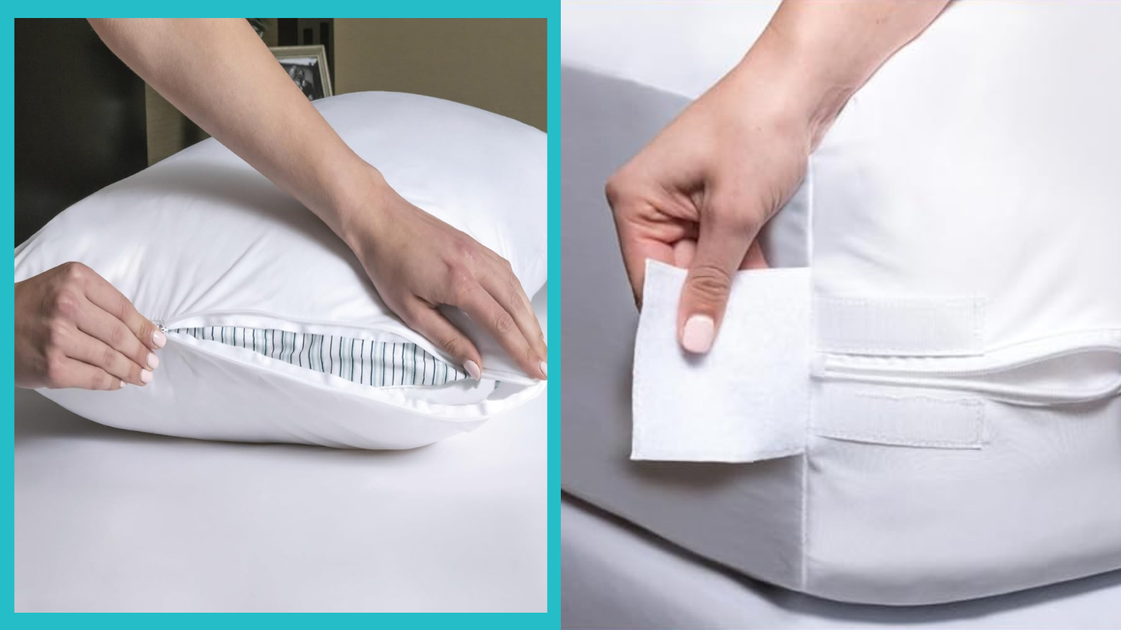
Using hypoallergenic, waterproof mattress and pillow covers can significantly reduce dust mite exposure and allergy symptoms, providing a comfortable and allergen-free sleep environment.
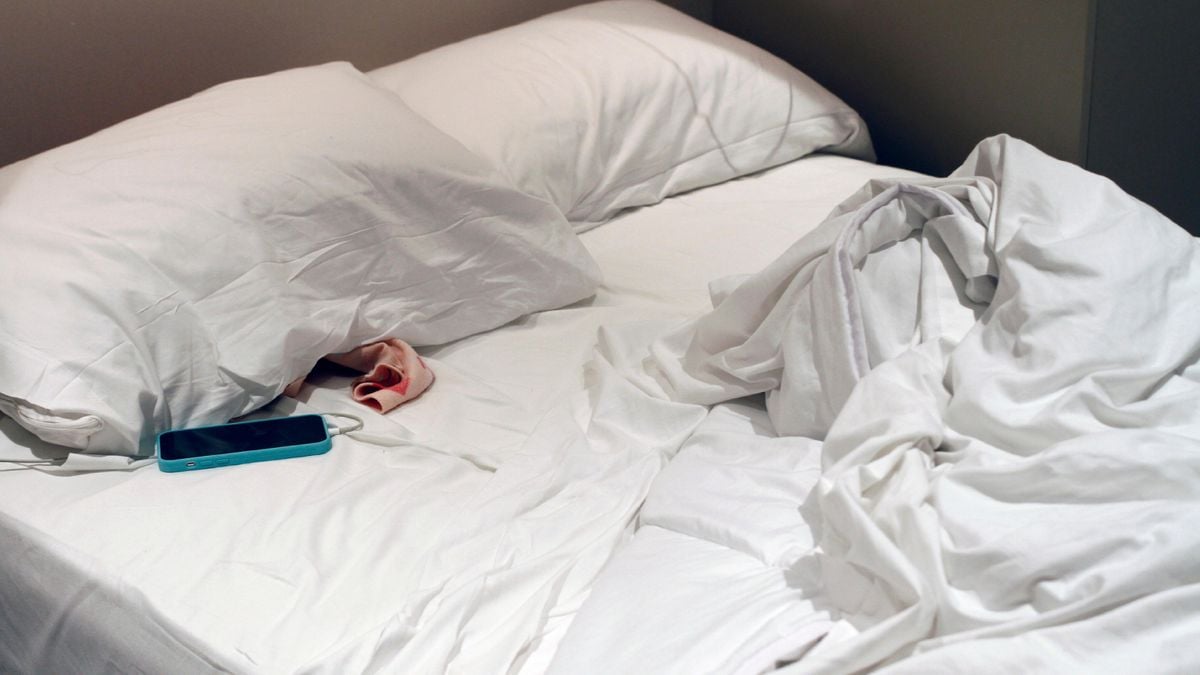
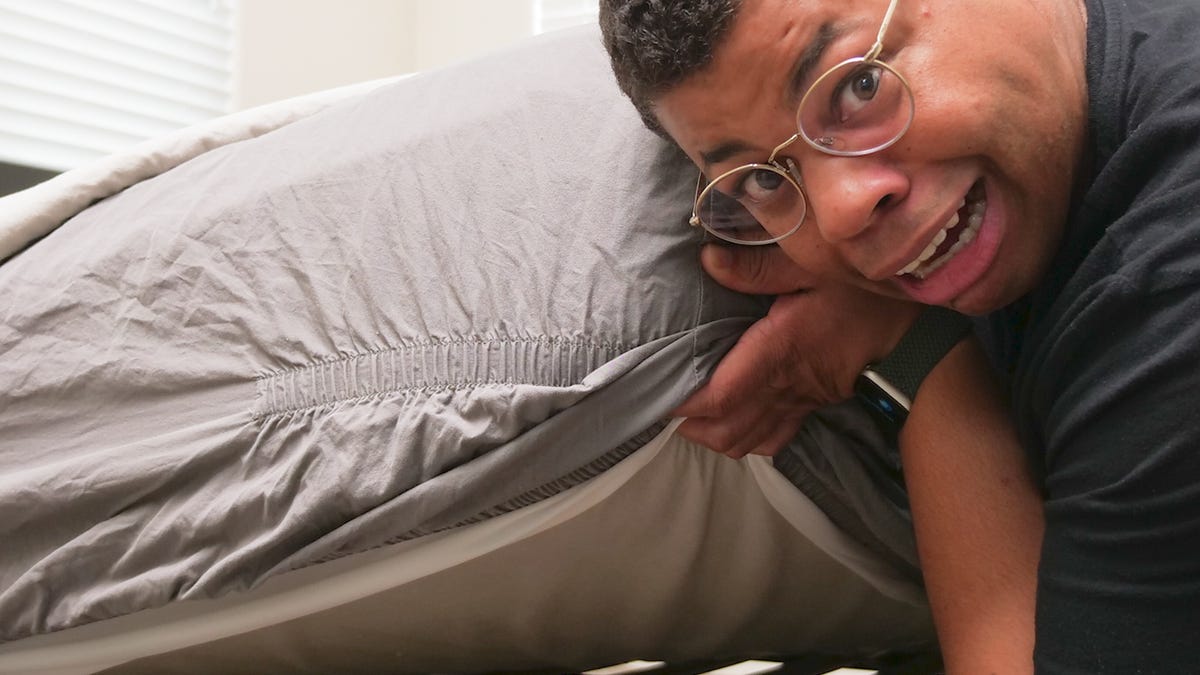
Dust mites, microscopic pests found in most homes, can cause allergies and disrupt sleep. Signs of their presence include disrupted sleep, dry cough, itchy skin, sneezing, difficulty breathing, itchy eyes, and visible dust. To reduce dust mites, regularly clean and wash bedding, vacuum the mattress, and use a hypoallergenic mattress protector. Keep humidity low by opening windows for airflow.
Dust mites are microscopic pests that can trigger allergies and asthma. They thrive in warm, humid environments and can be found in bedding, mattresses, furniture, carpets, and curtains. To reduce exposure, use allergen-proof bed covers, wash bedding in hot water, keep humidity low, use air purifiers or specialized filters, declutter, wash soft toys regularly, and dust and vacuum regularly. Medications, nasal irrigation, and immunotherapy can provide relief for dust allergies. While you can't completely eliminate dust mites, you can make your home and body less hospitable to them.
Seasonal allergies occur when the immune system mistakes a harmless environmental substance as a dangerous pathogen. In response, the body releases compounds such as histamines, leukotrienes and prostaglandins, which cause common hay fever symptoms, such as sneezing, coughing, runny nose, watery eyes, congestion and fatigue. The five most common triggers for seasonal allergies in the U.S. are weed pollen, grass pollen, tree pollen, mold and fungus spores, and dust mites.